


The ancient capital of Japan is worlds away from the bright lights of Tokyo and Osaka and somewhere that everyone should visit at least once in their lifetime. To help plan your trip, this is my guide to the best things to do in Kyoto for the first-time visitor.
Welcome to Kyoto. Welcome to 京都.
Kyoto is quite possibly one of the most traditional and important cities in all of Japan. It’s also one of the most popular cities to visit for those coming to Japan; one of the three major cities on the classic ‘Golden Route’ that sees often first time visitors travel through Osaka, Tokyo and Kyoto. It offers something completely different and in complete contrast to the cities of Osaka and Tokyo.
After spending three nights in Osaka, Kyoto was next up on our fourteen night trip and this is where Japan truly felt like ‘Japan’ in my view. Legendary temples and bamboo forests, the heart of geisha culture, the ancient capital of Japan.
I must say that I am no Japan expert by any stretch of the imagination. I am perhaps just like you. I had an idea sat on the couch at home whilst recovering from an achilles injury and that was to take my family half way across the world to experience a country like no other. It was a bucket list trip for us, hopefully not quite a once in a lifetime kind of trip, but something that we saved intensely for and wanted to make extremely special for us, for our almost three year old and ahead of our family becoming a family of four.
So, with that said, I’m not going to say that I know absolutely everything that there is to do in Kyoto nor that I’ve been able to do everything that one could possibly do but I can share what we did, what we loved and what I think you should do on your trip to Kyoto which hopefully will be helpful. I had hundreds of pins saved on my Google Maps of coffee shops, of places to eat and never ending temples to visit but the reality is you won’t see it all nor should you want to. There were a few things we missed out on that we really wanted to see but surely the joy of visiting somewhere as beautiful as Kyoto is to take things a little slower and appreciate what you can. No rushing allowed, just take it easy.
Now, let’s do this shall we? This is my guide to, in my view, the best things to do in Kyoto particularly as a first-time visitor.
THE BEST THINGS TO DO IN KYOTO
Kyoto Map
Everywhere mentioned within this guide is contained within this very helpful (if I do say so myself) map. It’s colour coded for easy reference; blue for things to do in Kyoto, brown for coffee shops and yellow for places to stay.
HOW TO USE THE MAP | Click the icon in the top left to show the list of all locations. Click on the top right corner of the map to open a larger version in a new tab. The star allows you to save directly to your own Google Maps.
ARASHIYAMA
Arashiyama Bamboo Forest
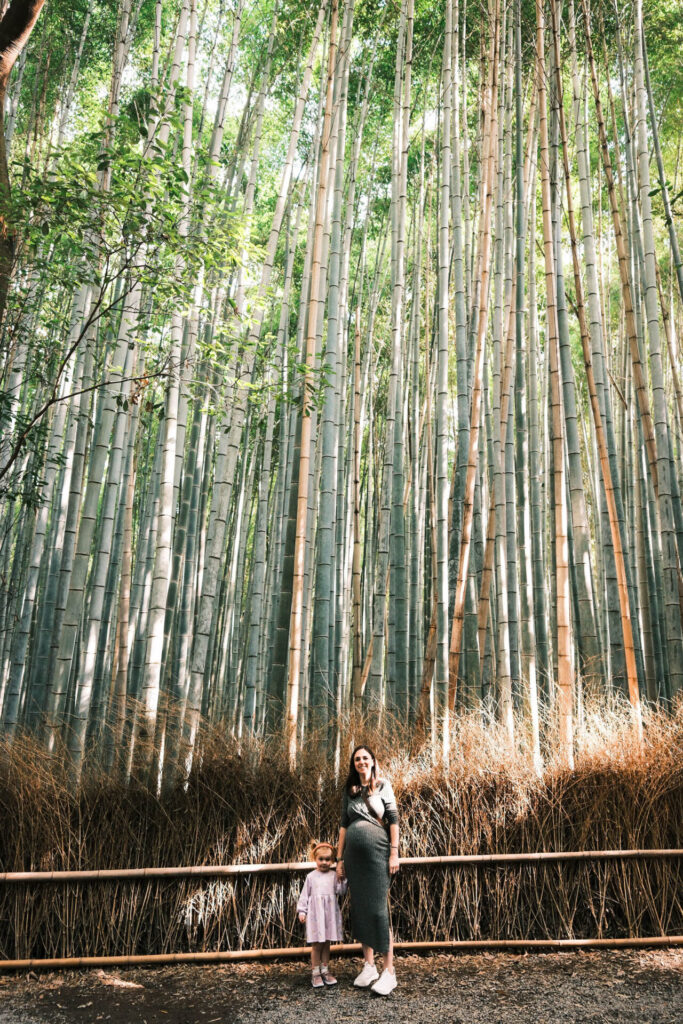
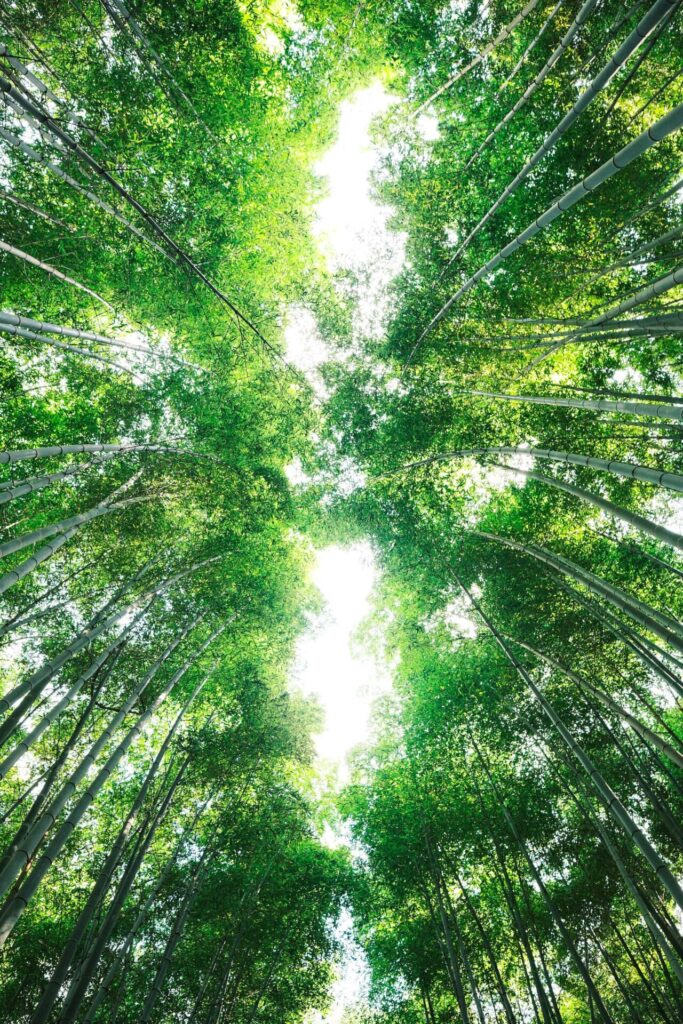
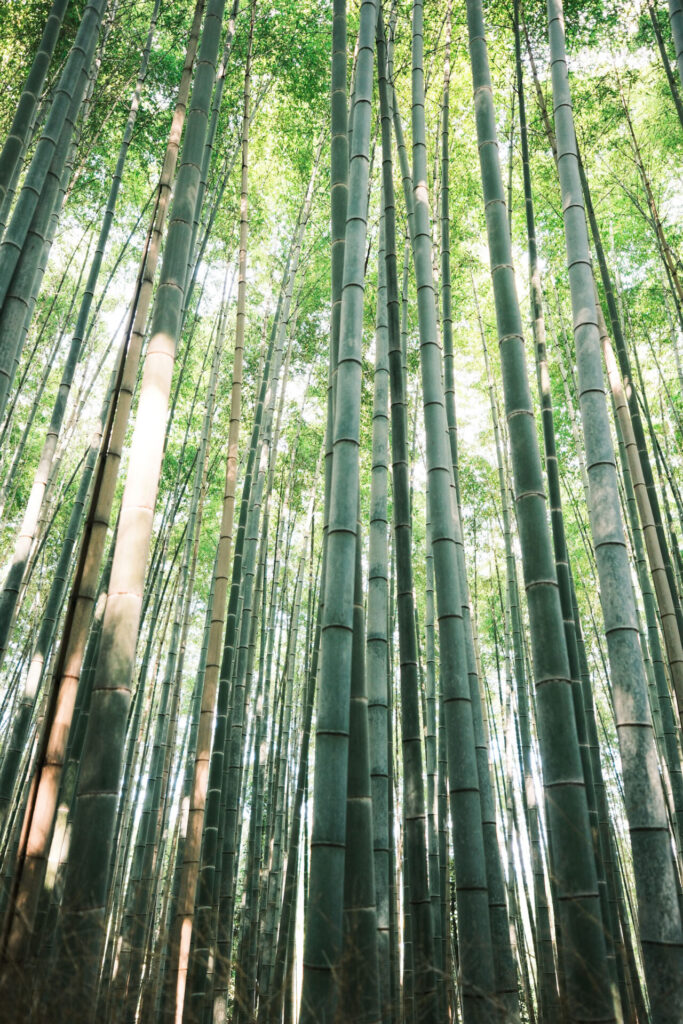
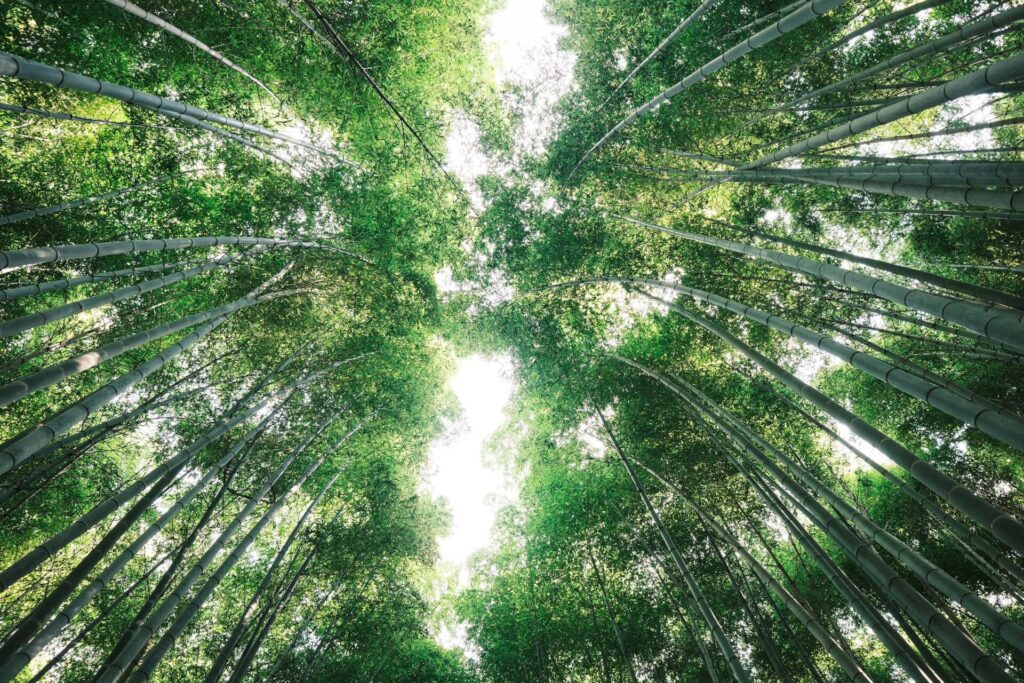
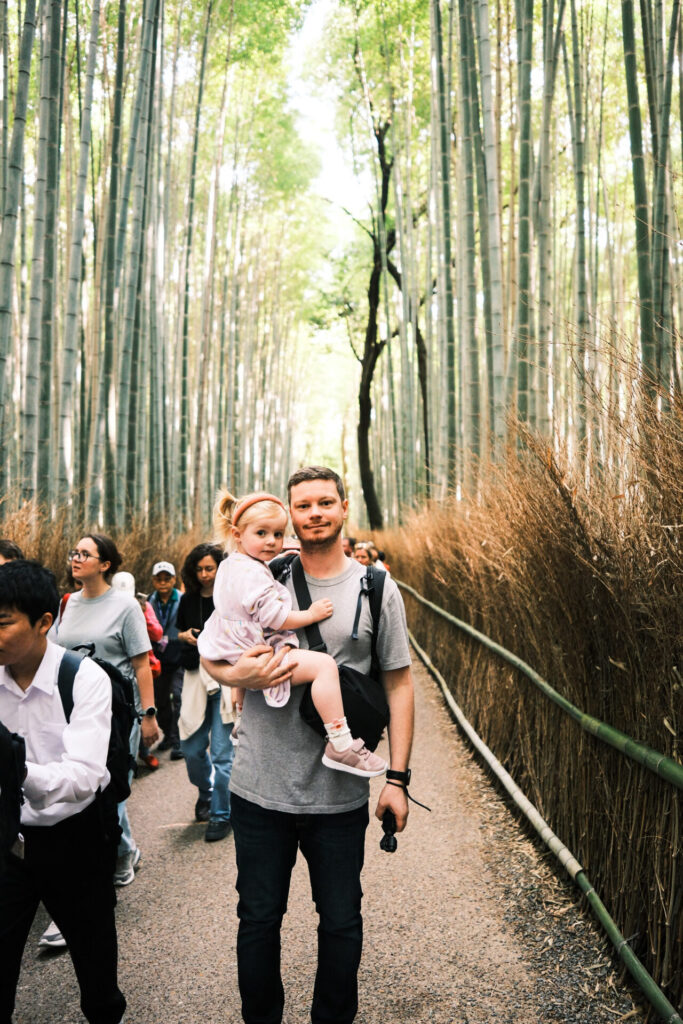
It’s hard to talk about Kyoto and everything you have to do when you visit without mentioning Arashiyama Bamboo Forest. The forest here dates back over 1,200 years with the bamboo towering almost 100ft above you. Yes, it’s perhaps a little underwhelming – the path through the iconic section is relatively short and you will be shoulder to shoulder with hundreds of other tourists but, if you time it right and head there early in the morning, you might just get a few moments of peace in what is undeniably a beautiful location.
So, is it worth a visit? You’ll probably spend five to ten minutes maximum walking (hopefully not shuffling otherwise you’ve not gone early enough) along a predetermined path through a stretch of very tall bamboo. It took us around an hour to get there from Hotel Forza Kyoto Shijo Kawaramachi – we took two trains as it was the easiest option with a toddler, we didn’t want to get a bus. We also waited around an hour in the queue for a Kyoto Latte at %ARABICA so it wasn’t too early by the time we arrived at the bamboo forest. Luckily, it wasn’t as busy as I thought it would be (still plenty of people though) and we did enjoy the sheer size of the bamboo, the view looking up to the canopy but it’s a do it once and move on kind of task.
Your first trip to Kyoto should almost certainly include the Arashiyama Bamboo Forest though I would be unlikely to return on any subsequent trips. However, we did really enjoy wandering through Arashiyama Park and along the Katsura River. The Monkey Park is highly rated offering a chance to see wild Japanese macaques up close and, if you walk a little further to the north above the bamboo forest, there are much quieter and beautiful temples like Otago Nenbutsuji with over 1,200 stone statues.
Cost: Free
Tenryu-ji
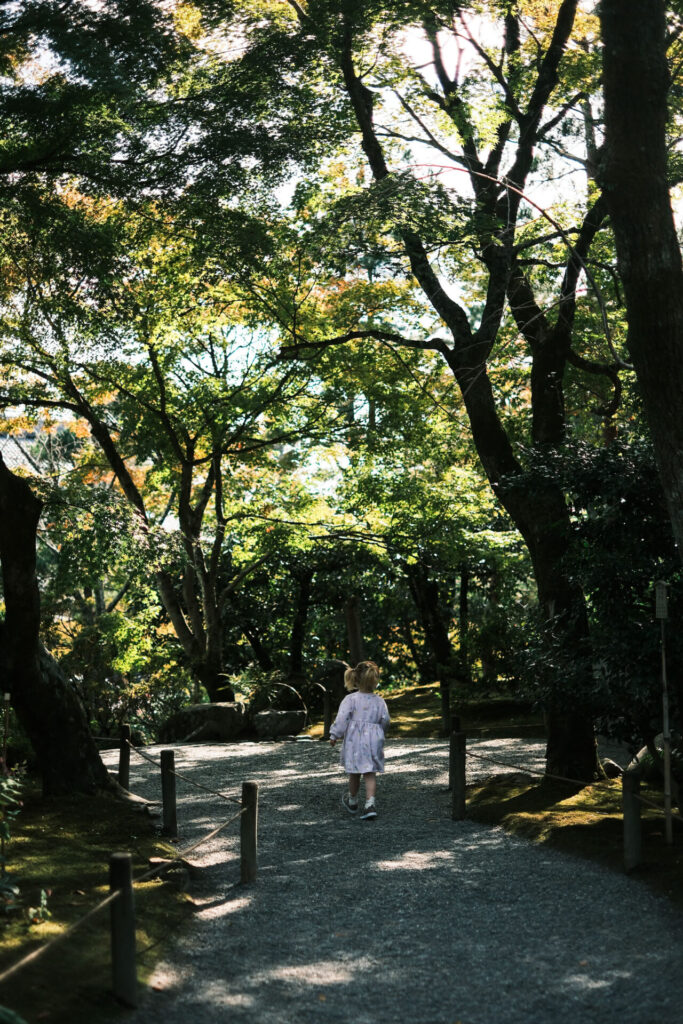
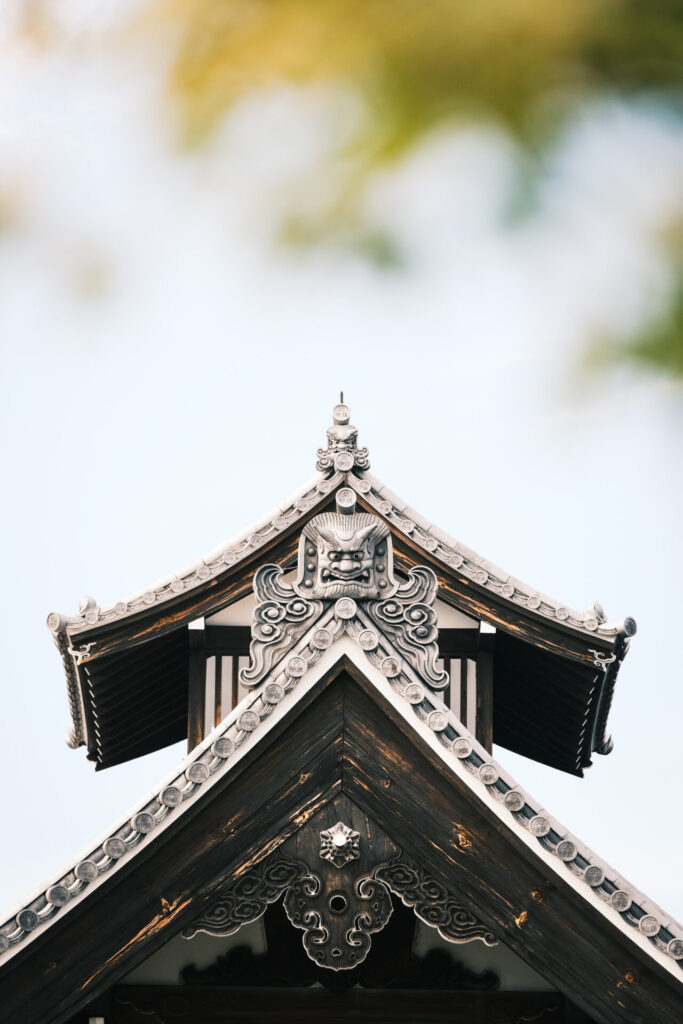
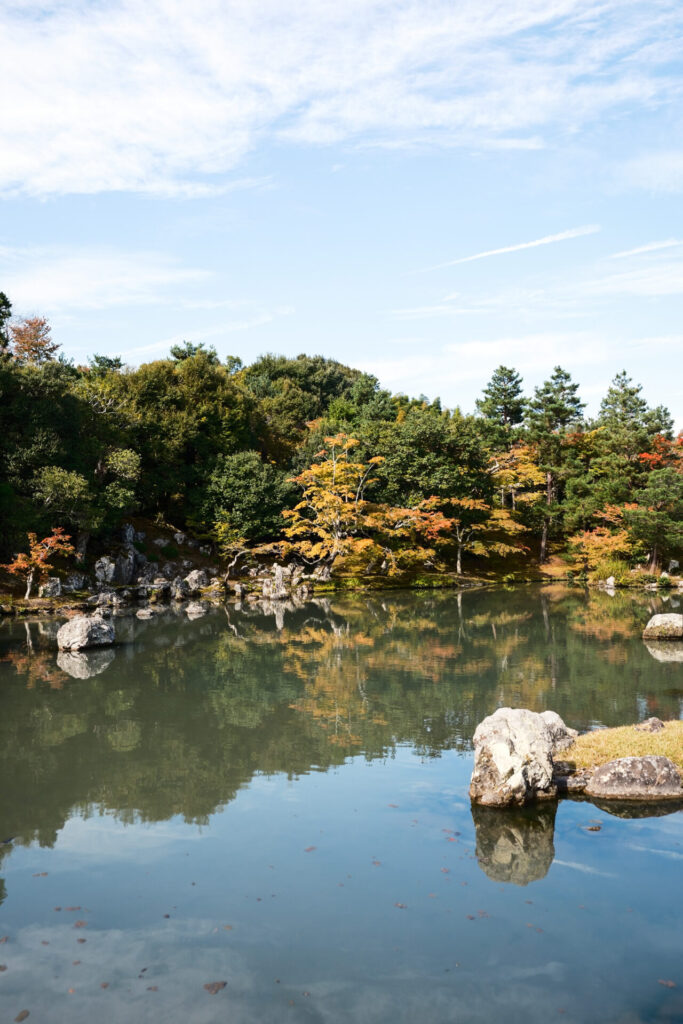
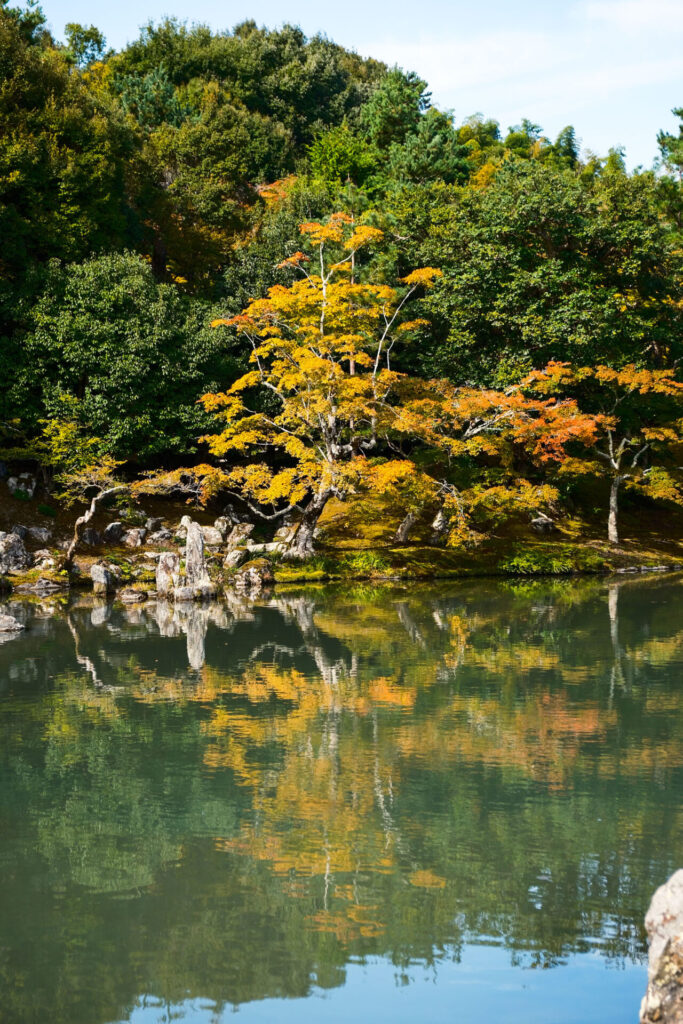
We entered Tenryu-ji as soon as we escaped Arashiyama Bamboo Forest and it felt as though we had been transported to a different world entirely. Peace and Zen found us immediately which is no surprise really considering that Japan’s first ever Zen temple, Danrin-ji, was founded on this exact site in the ninth century. Tenryu-ji was officially opened in 1345 and remains one of Kyoto’s Five Mountains (Zen Temples) within which you’ll find a beautiful Main Hall and other lovely buildings though it is the Sogenchi Garden that you’re really here for.
We purchased a ticket for the garden only and simply wandered admiring the pristine, natural beauty particularly the maple trees that were the first of the autumn colours we’d seen reflected by the stillness of the pond. This was well worth the visit and we enjoyed it far more than the neighbouring bamboo forest.
Cost: Garden Only – Adult ¥500, Child ¥300 (+¥300 for the buildings)
Togetsukyo Bridge
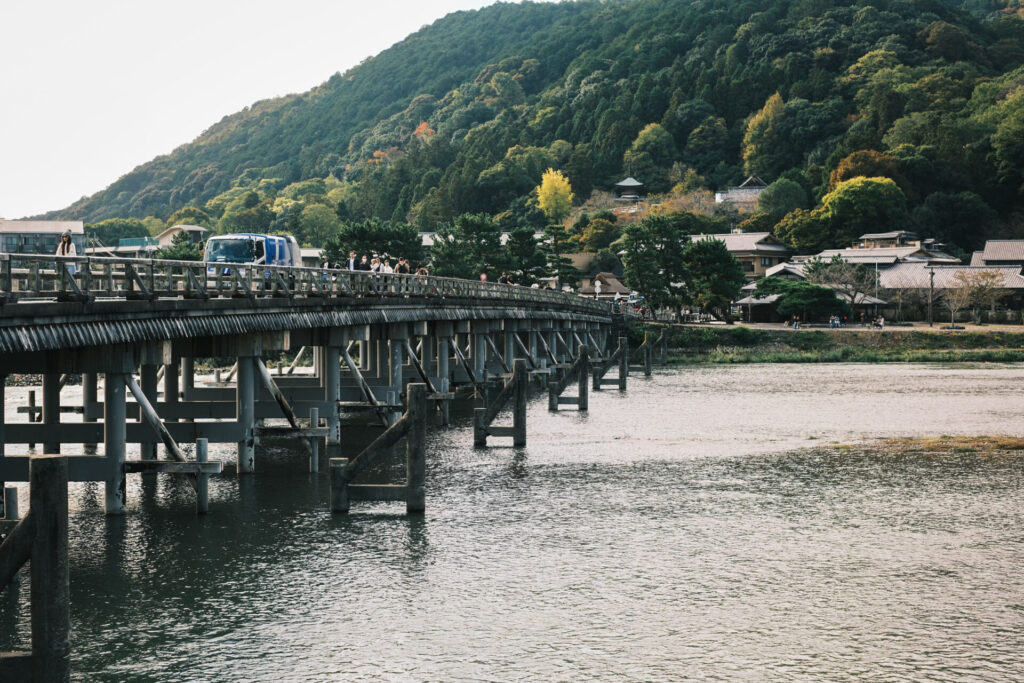
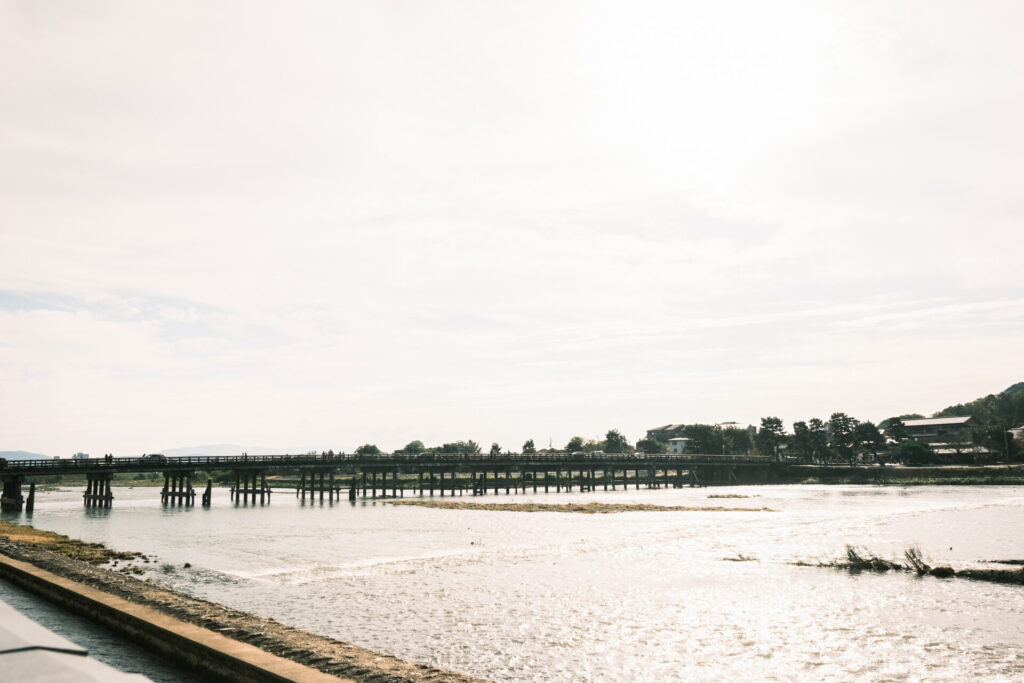
We arrived in western Kyoto at the Hankyu Arashiyama Station and our morning walk up to the Bamboo Forest took us through a waterside park before we made our way onto and across the iconic Togetsukyo Bridge. This 155m long bridge spans the Katsura River and has long been described as ‘Moon Crossing’ (Togetsu) when Emperor Kameyama thought that the full moon appeared to be crossing the bridge itself.
There has been a wooden bridge in this tranquil spot since 836AD (though this 1934 version now has concrete supports) and it’s not hard to see why locals and visitors throughout time have considered it to be one of Japan’s most scenic spots. It offers beautiful views across the mountains adorned with both cherry trees and maple trees resulting in incredible and deeply contrasting colours all year round. Autumn was a little later than normal when we arrived in November so unfortunately we weren’t treated to a full display of fiery red and orange leaves but nevertheless crossing the Togetsukyo Bridge was a lovely way to enter into Arashiyama.
Cost: Free
NORTHERN KYOTO
Kinkaku-ji – The Golden Pavilion
Along with Arashiyama Bamboo Forest and Fushimi Inari Taisha, I’d say that Kinkaku-ji, the Golden Pavilion, is one of the best and most unskippable of the many things to do in Kyoto. With that said, you can expect to be among crowds of tourists as you wander along the predetermined one-way path through perfectly manicured gardens (though you’d expect nothing less in Japan would you?).
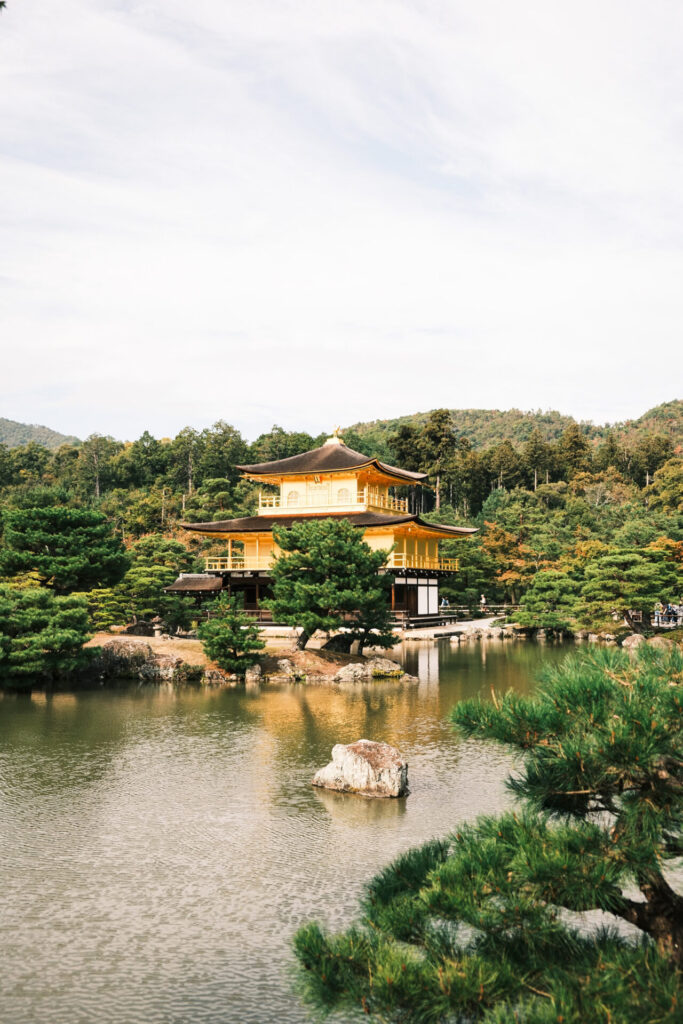
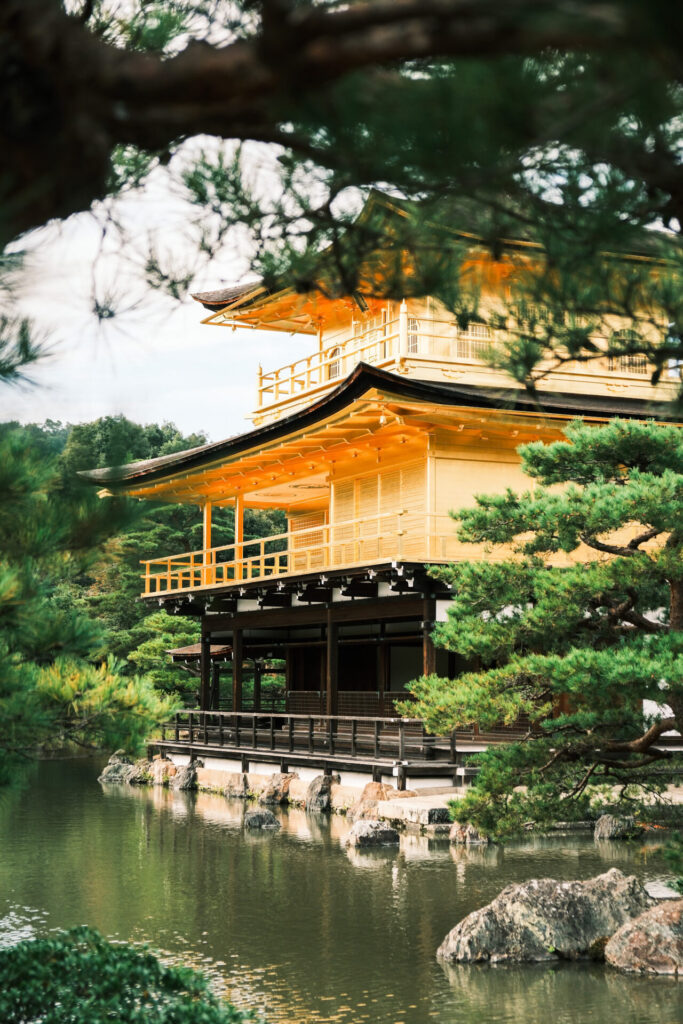
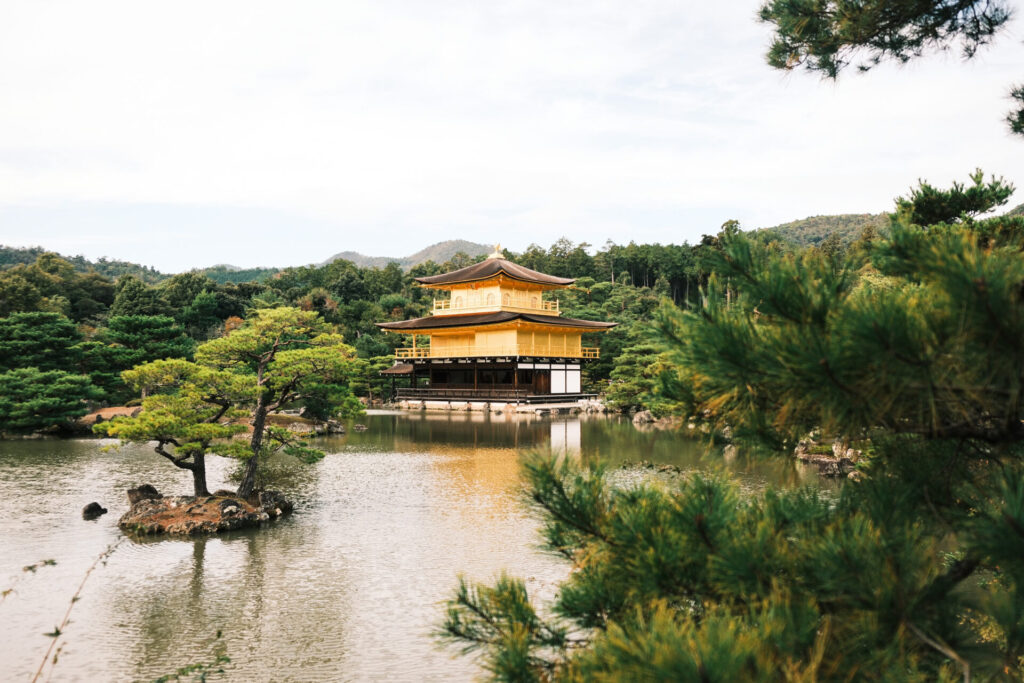
Not too much of a walk from the main entrance is the star attraction, the stunning, almost unreal, Kinkaku-ji. This Buddhist temple’s exterior is adorned with gold leaf contrasting with the surrounding greenery and reflecting in the pond that sits in front. The best photo spots are obviously busy but take your time and you’ll capture some perfect images; note that you can’t actually go inside the temple merely admire from afar and then again as you walk directly behind it.
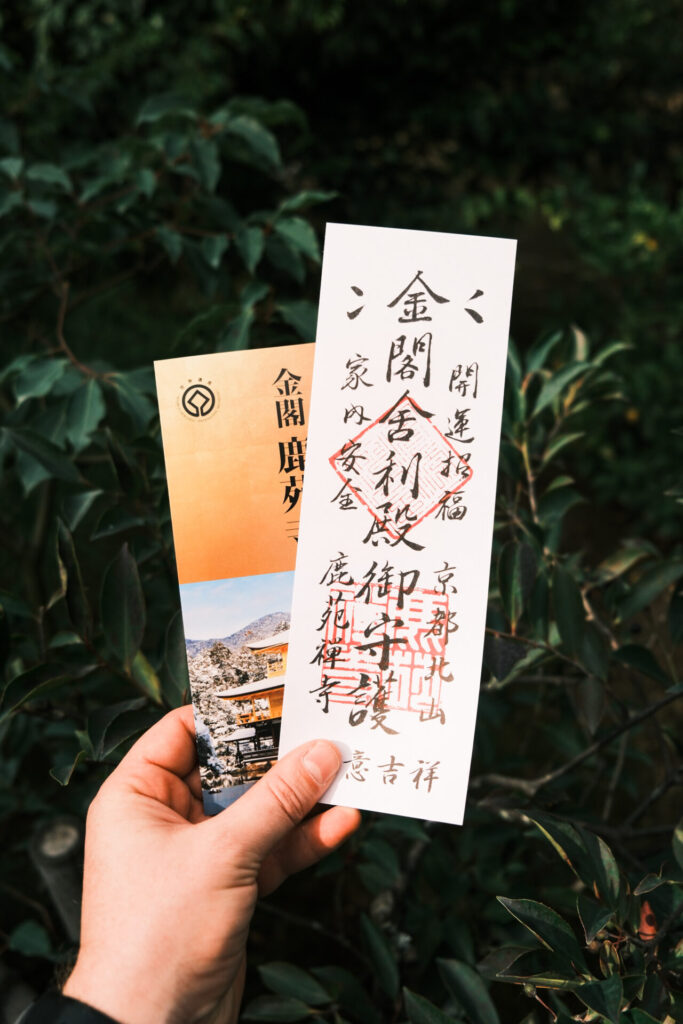
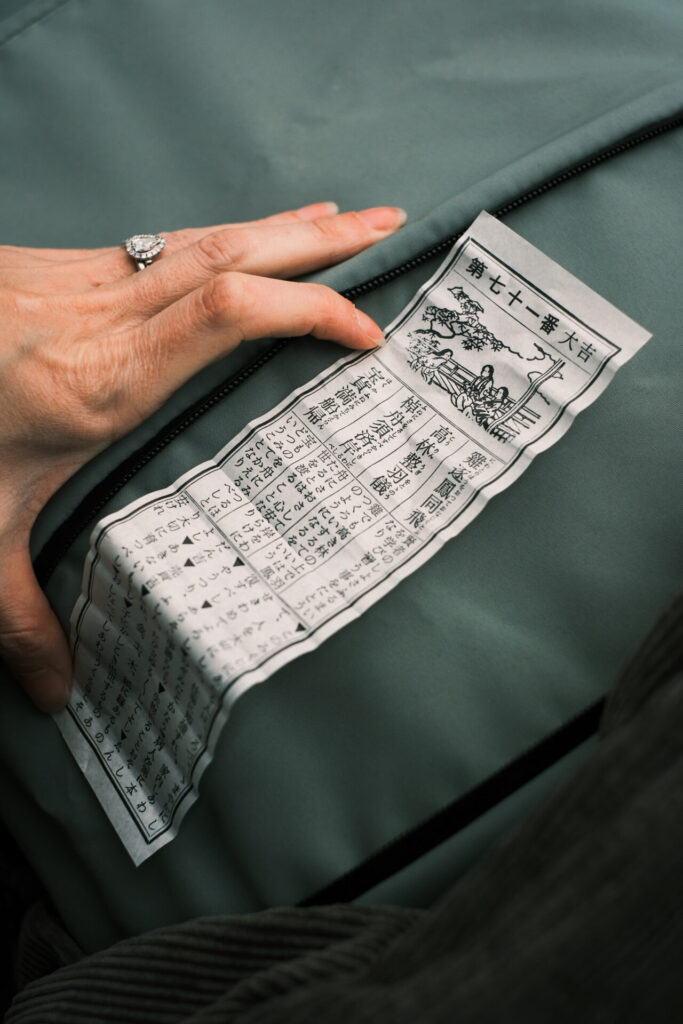
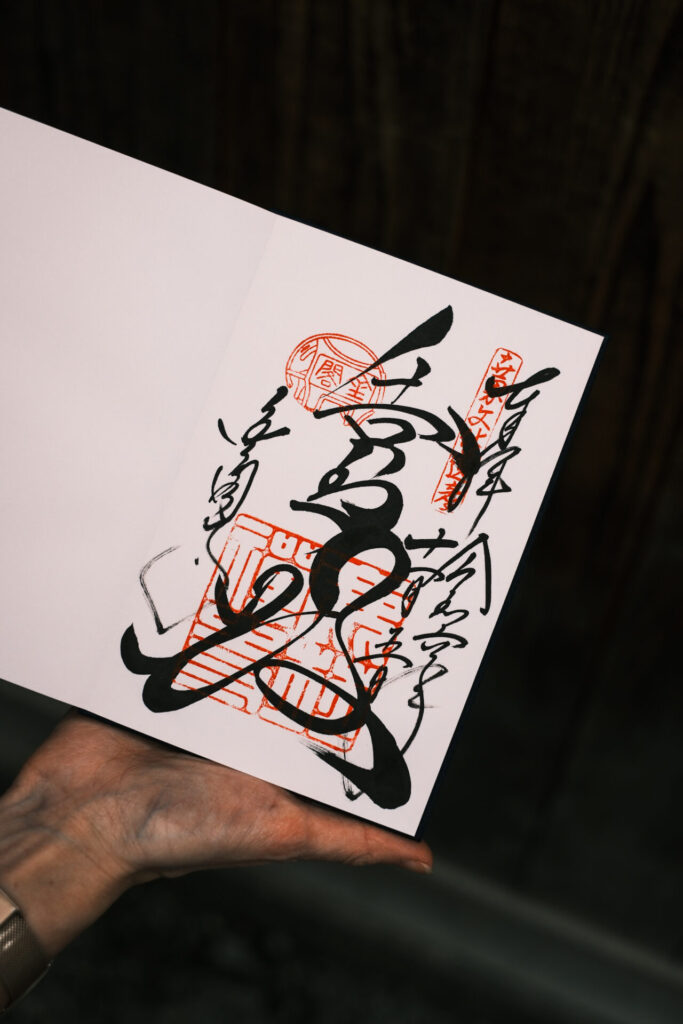
This isn’t however somewhere you simply come to take photos and then leave there are a few other things that you must do at Kinkaku-ji. Along the path, you won’t miss it, is a little stone bowl that visitors can attempt to throw a coin into for good fortune – my 10¥ missed, obviously. There are also more buildings to admire towards the end of the complex and don’t forget to collect your goshuin (this one ended up being one of my favourites) and get an omikuji; a fortune slip available in many languages though we inadvertently got ours in Japanese. A helpful staff member explained that Emma’s omikuji was apparently the best luck available!
Visiting Kinkaku-ji with a toddler wasn’t the easiest I must say. From Arashiyama, we took the JR train to Emmachi Station and then, after a quick konbini lunch, we jumped in a taxi up to the temple. Evelyn fell asleep almost as soon as she went in her stroller so we had to jostle across the loose stone paths and somehow carry the stroller up steep rocky stairways whilst Emma was six months pregnant. There were a few times that other tourists helped us but not as often as you might have imagined. To get back to Emmachi Station, we walked the 1.5 miles downhill to make sure that Evelyn got as long of a nap as humanely possible. It wasn’t an easy walk but it turned out I’d left the pushchair’s brake on the whole way!
Cost: Adult ¥500, Child ¥300 (our toddler was free)
Ginkaku-ji – The Silver Pavilion
Unfortunately, we didn’t make it to Ginkaku-ji during our time in Kyoto but, as it’s one of the city’s most famous temples, it deserves a mention certainly if you’re planning a longer itinerary.
You’ll find the Silver Pavilion in eastern Kyoto though I’m including it straight after Kinkaku-ji purely because of the similarities and the fact that the temple was modelled on the Golden Pavilion – the shogun Ashikaga Yoshimasa built his retirement temple, the Silver Pavilion, to be just like his grandfather’s retirement villa. However, it’s worth noting that this temple, despite its name, isn’t actually covered in silver unfortunately.
Ginkaku-ji is actually one of Kyoto’s most popular destinations to visit for autumn foliage and is well placed near to the more popular Nanzen-ji and Eikando Temples so it could be a great addition to an autumn exploration.
Cost: Adult ¥500, Child ¥300
FUSHIMI
Fushimi Inari Taisha
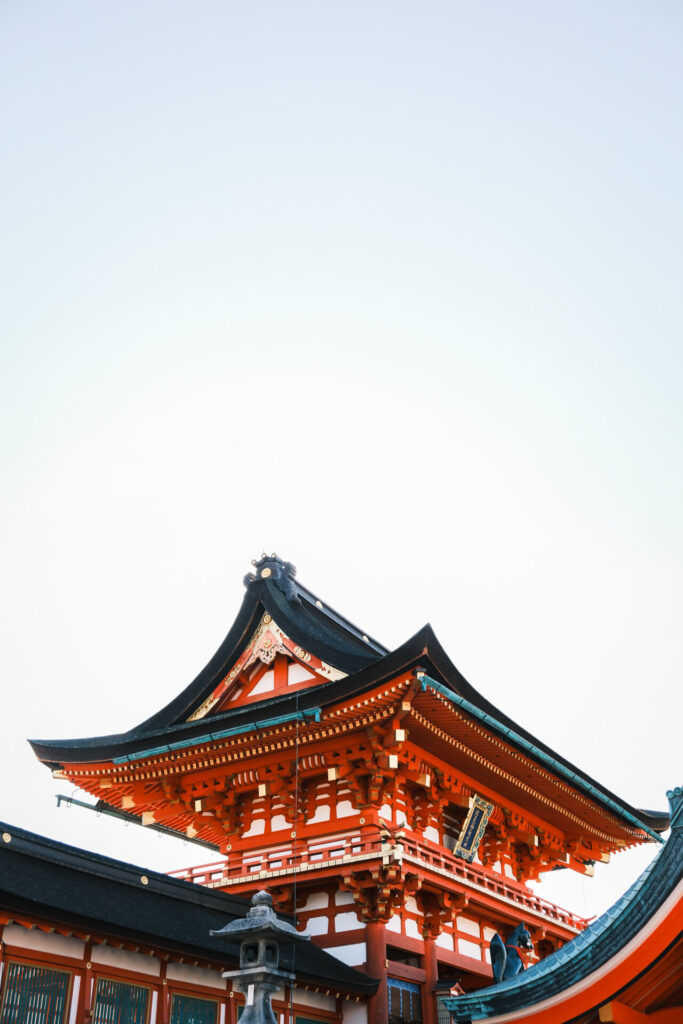
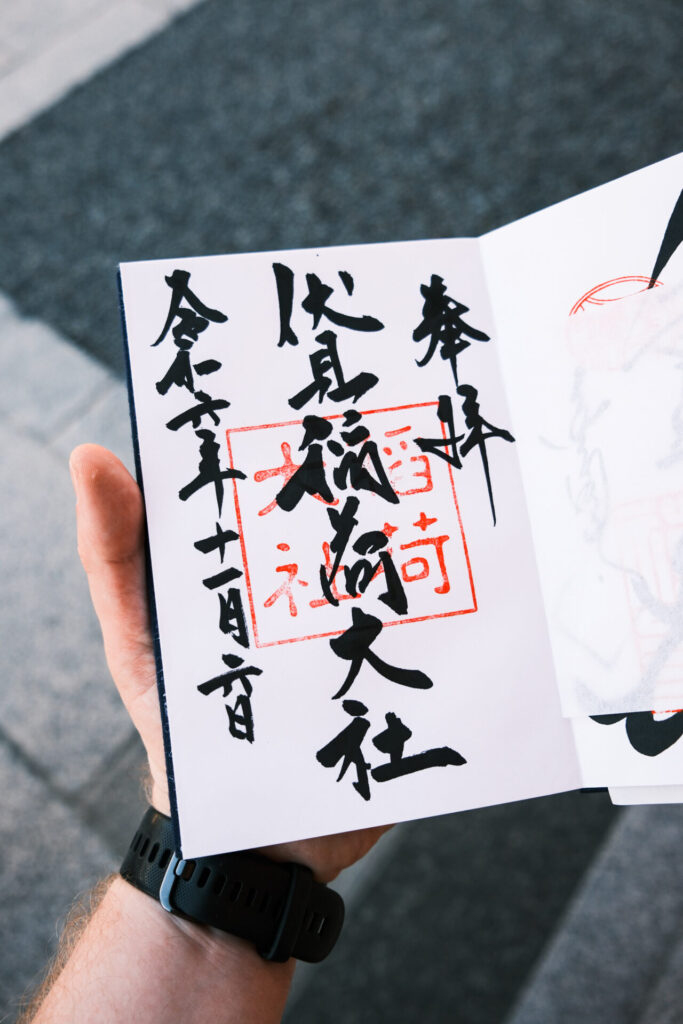
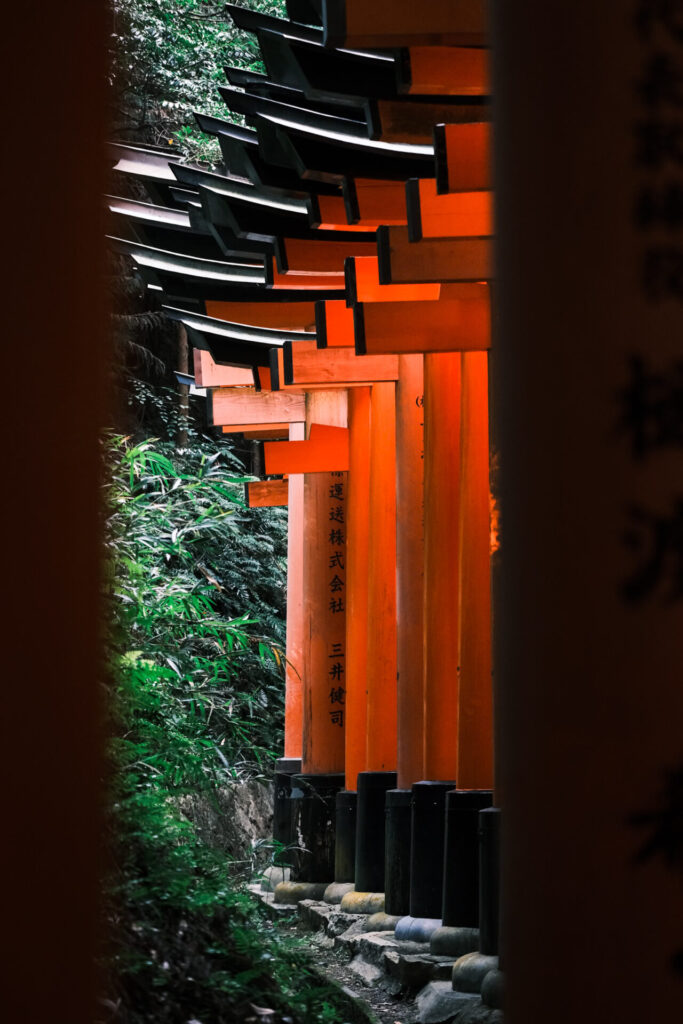
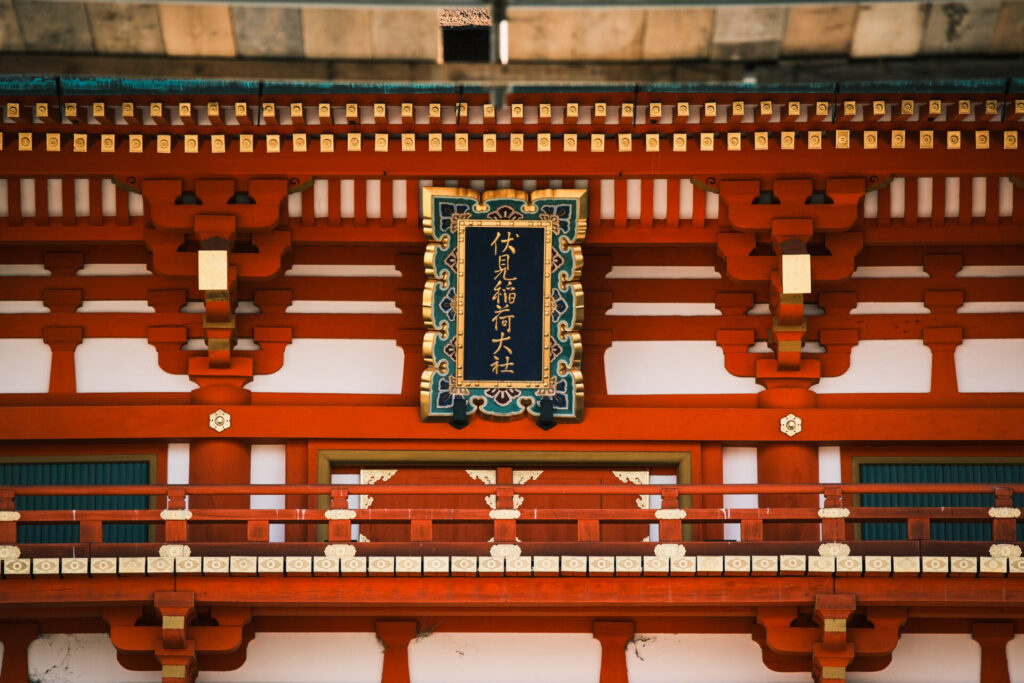
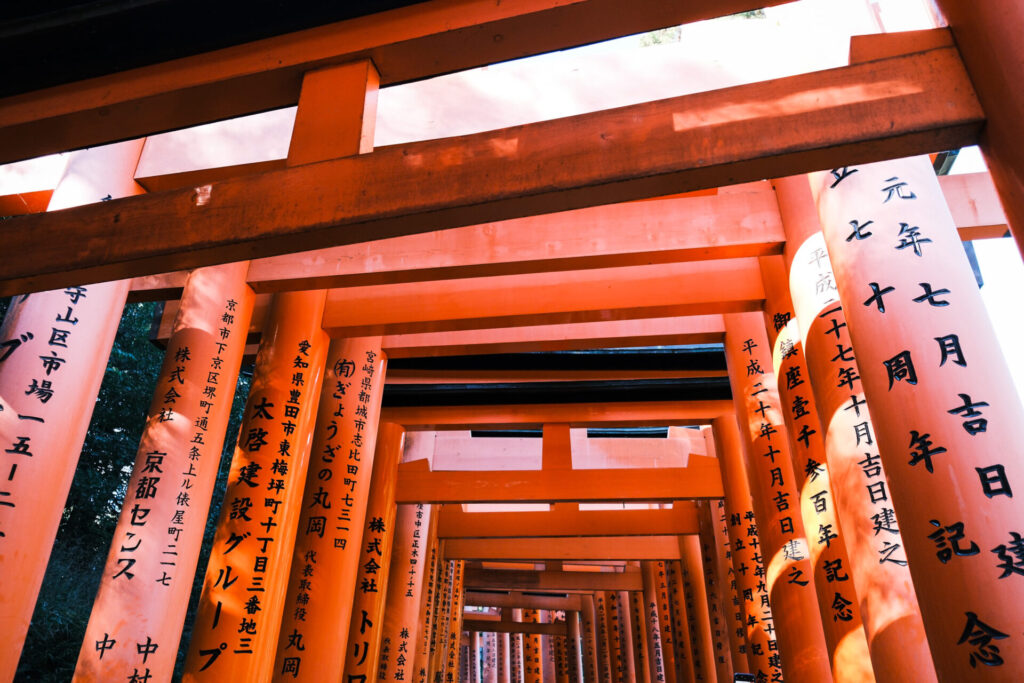
Chances are you already know about Fushimi Inari Taisha. This is one of Kyoto, no Japans, most recognisable sights and, if you’ve seen photos of Kyoto already, you will no doubt have seen these bright red torii gates. Fushimi Inari Taisha is a must-visit, a Shinto shrine dedicated to the god of rice, prosperity and business.
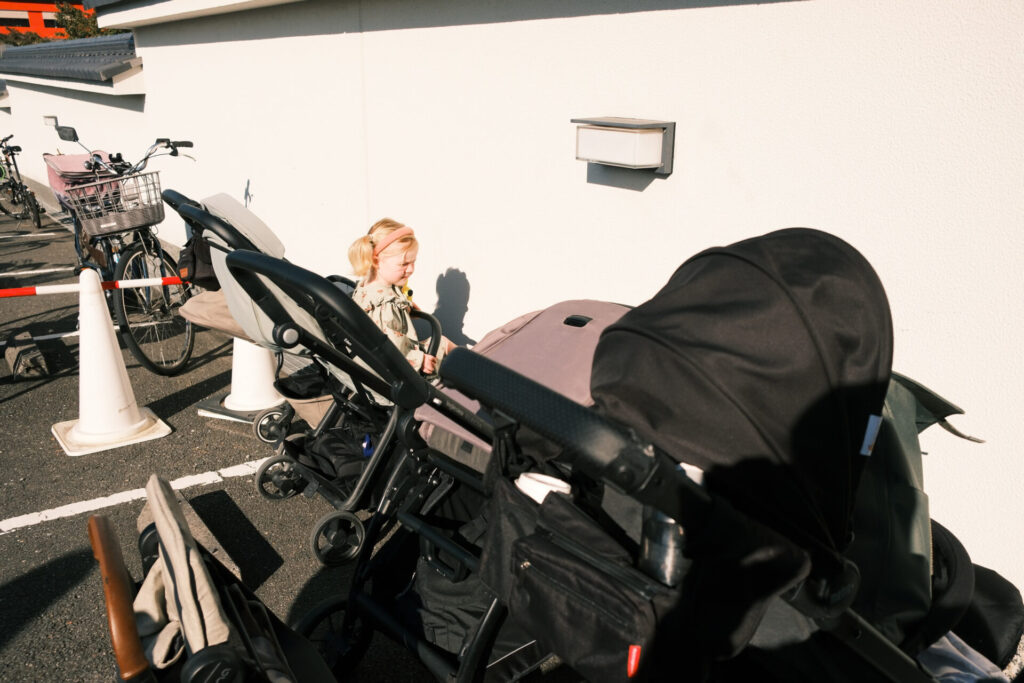
From our hotel, we took the train from Gion-Shijo Station nine minutes south to Fushimi-Inari Station (though it did take us a little longer as we panicked and got off and back on one stop too early!). It was then only a short walk to the towering Shrine Gate; for those with younger kids, there’s an area within the car park to store your pushchair as it’s impossible really to take it any further. Unless you really want to carry it half way up a mountain. Make sure you bow, show your respects and start climbing the stairs.
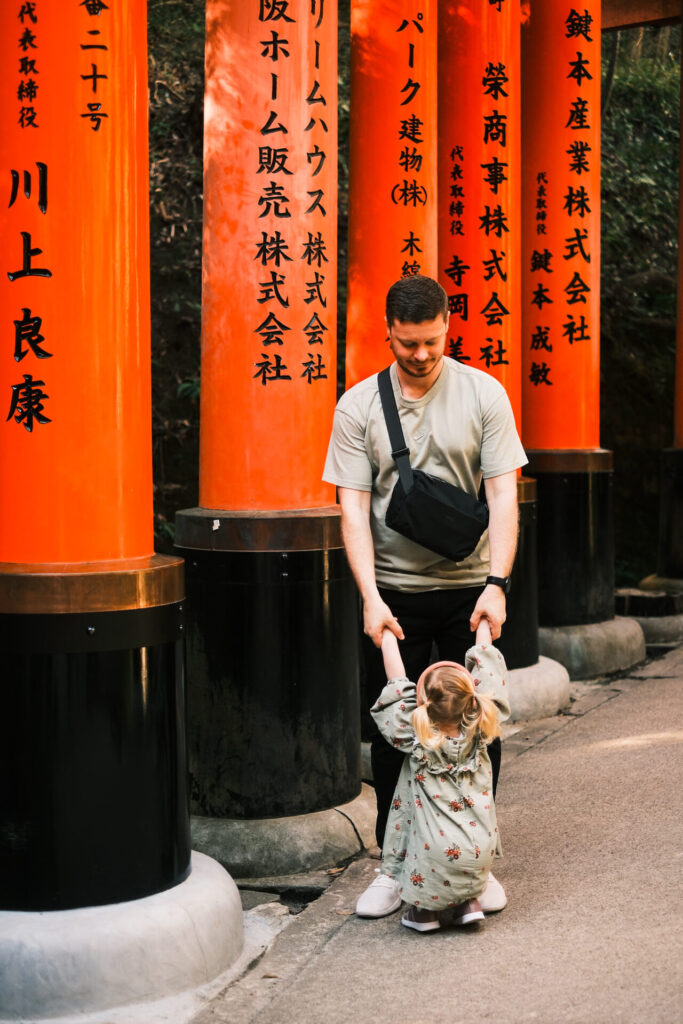
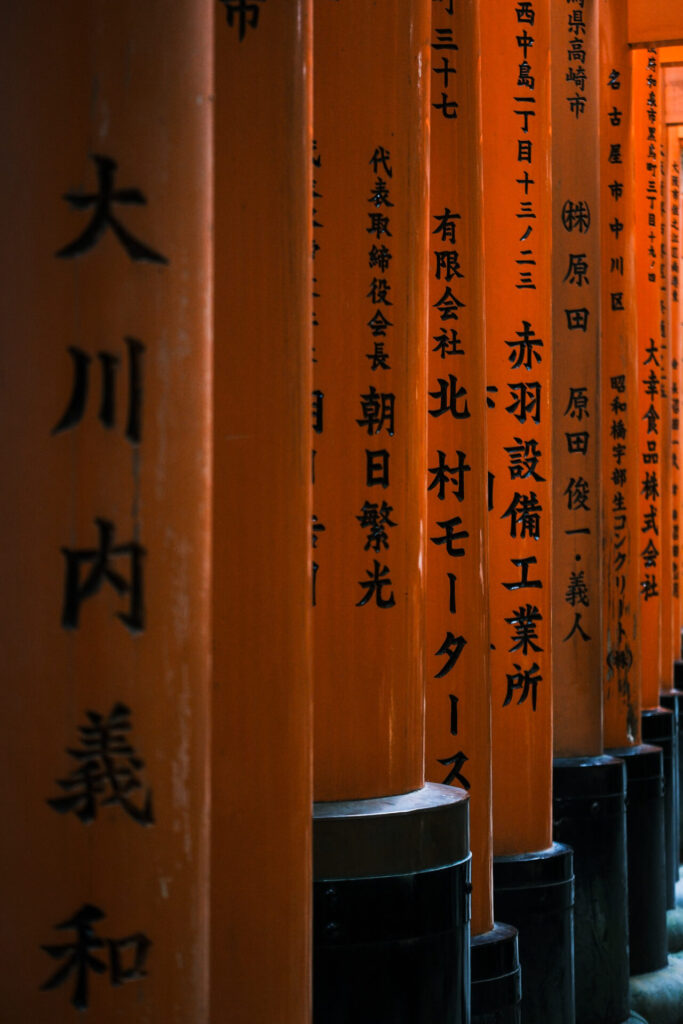
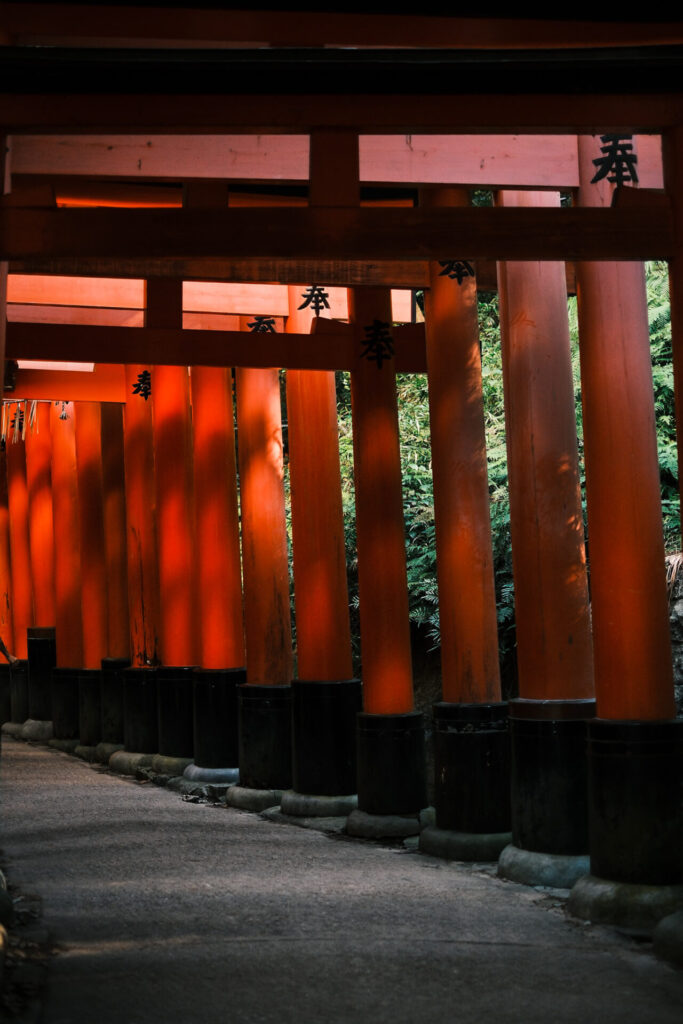
The highlight of this Shinto shrine are the thousand torii gates that snake their way up Mount Inari. Given it’s popularity, expect that there will likely be as many people as there as torii gates especially the closer you are to the start of the path. The path continues for several kilometres up Mount Inari and you’ll be pleased to know that the further you climb, the greater reward – you will finally be able to appreciate your surroundings without the crowds. There will still be others just like you but it is far easier to get a few moments to yourself for photos.
We spent a good couple of hours here and I’d definitely say that, as long as you make the effort to walk further than the majority of tourists, it’s more than worth it. It’s stunning. I can only imagine just how lovely it would have been to reach the summit but little legs couldn’t have made it much further! I’d highly recommend coming as early as you can stomach as even when we arrived mid-morning it was shoulder to shoulder initially.
Cost: Free
EASTERN KYOTO
Philosopher’s Path
The Philosopher’s Path is a lovely pedestrianised stone walkway stretching almost 2km from Ginkaku-ji to Eikando Temple alongside the Lake Biwa Canal. For those exploring the north eastern mountains, the Philosopher’s Path is an essential walk, especially during cherry blossom season, and is probably one of the more peaceful areas of Kyoto (perhaps outside of the peak seasons).
Cost: Free
GION & HIGASHIYAMA
Kiyomizu-dera
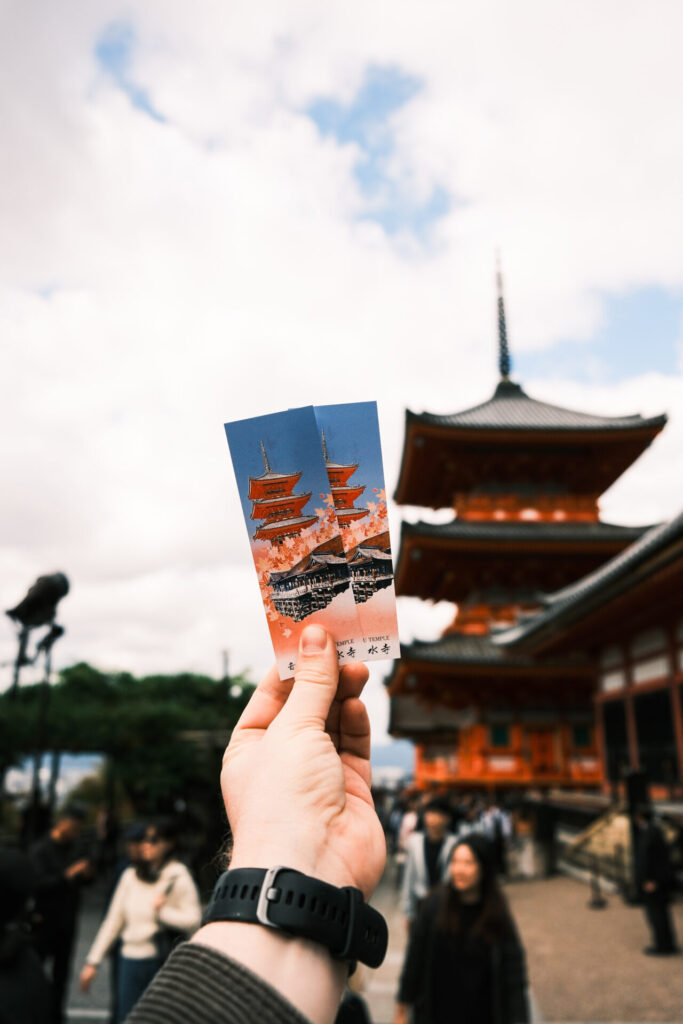
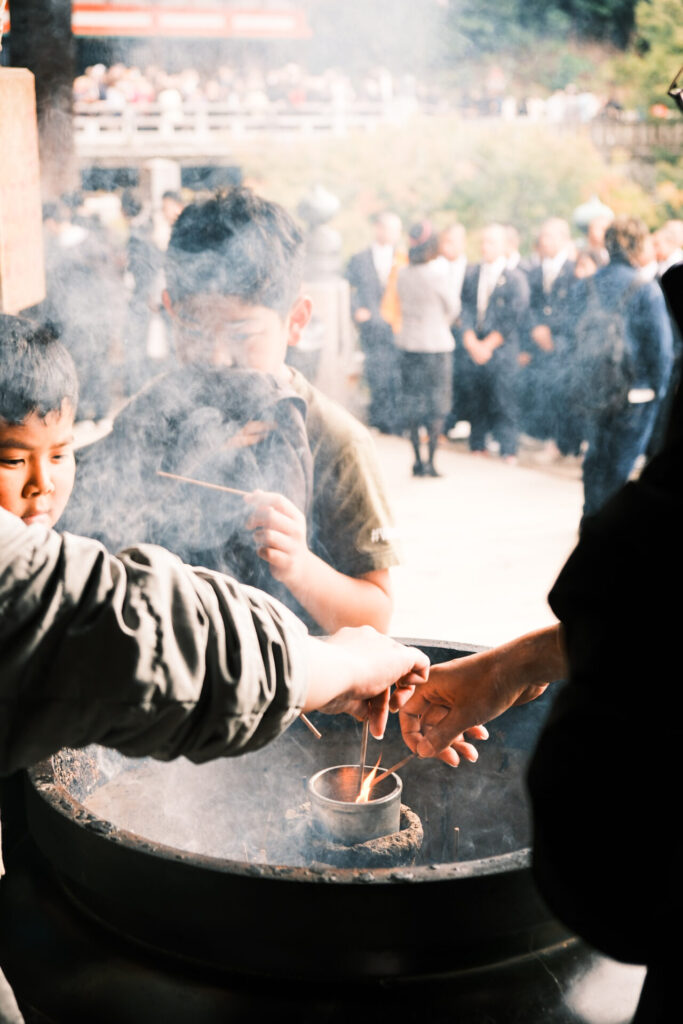
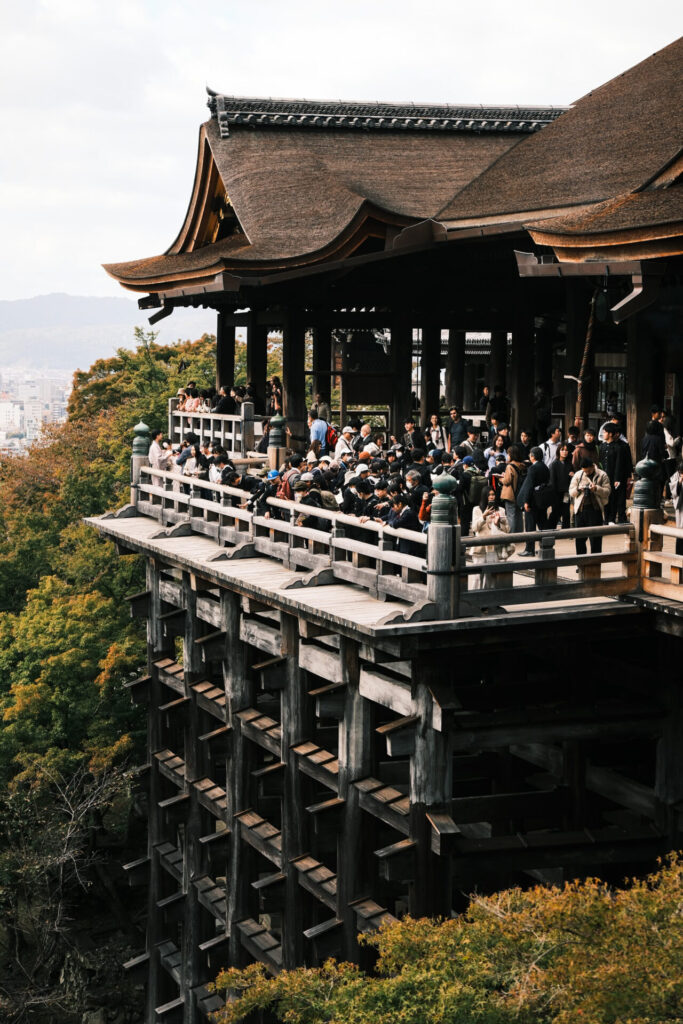
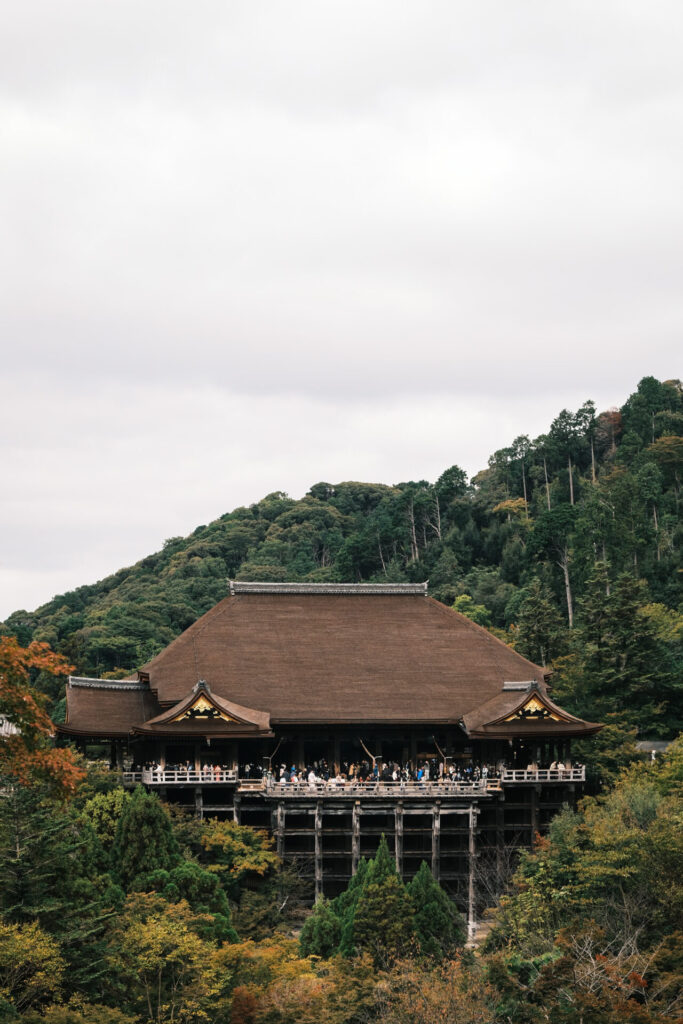
The most famous of all Buddhist temples in Kyoto is the iconic Kyomizu-dera, built on the slopes of Mt. Otowa to the east of Kyoto. You can reach the temple quite easily on foot from central Kyoto, walking through the historic Sannenzaka and Ninenzaka streets – it should have taken us around 35 minutes from our hotel (Hotel Forza Kyoto Shijo Kawaramachi) if we hadn’t have stopped repeatedly for coffee and photo opportunities (which you’ll discover are absolutely everywhere in Kyoto).
The enormous Main Hall seemingly floats above a steep cliff thanks to age old Japanese construction methods; what we now see was built in 1633 without nails, just the use of 18 wooden pillars connected by wooden rails. It has survived numerous disasters throughout history and continues to hold up the Main Hall despite the millions of annual visitors passing through.
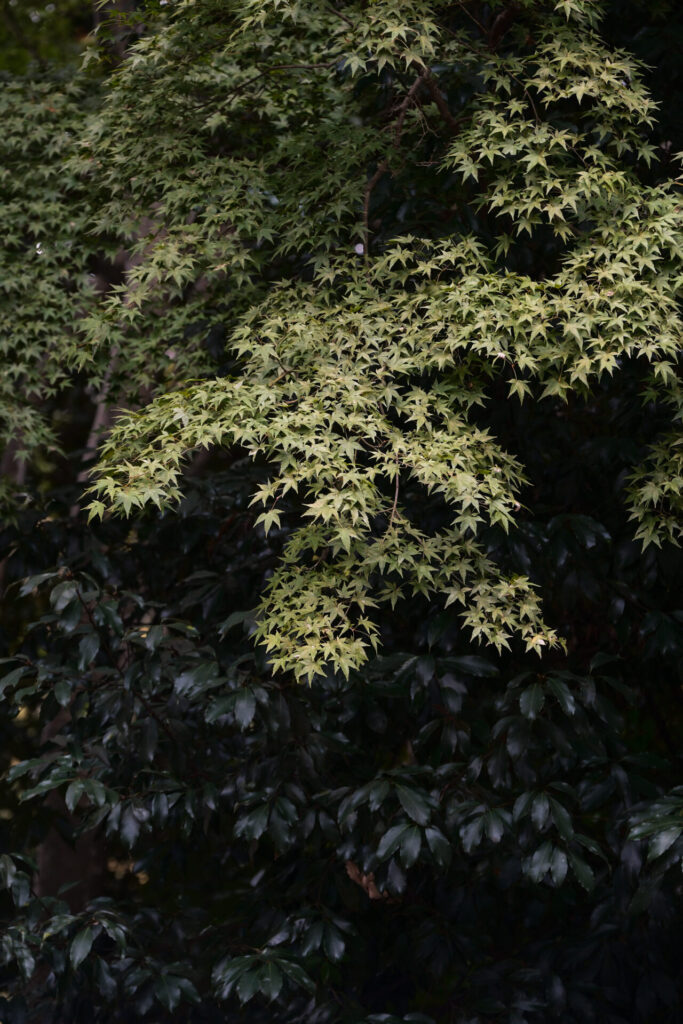
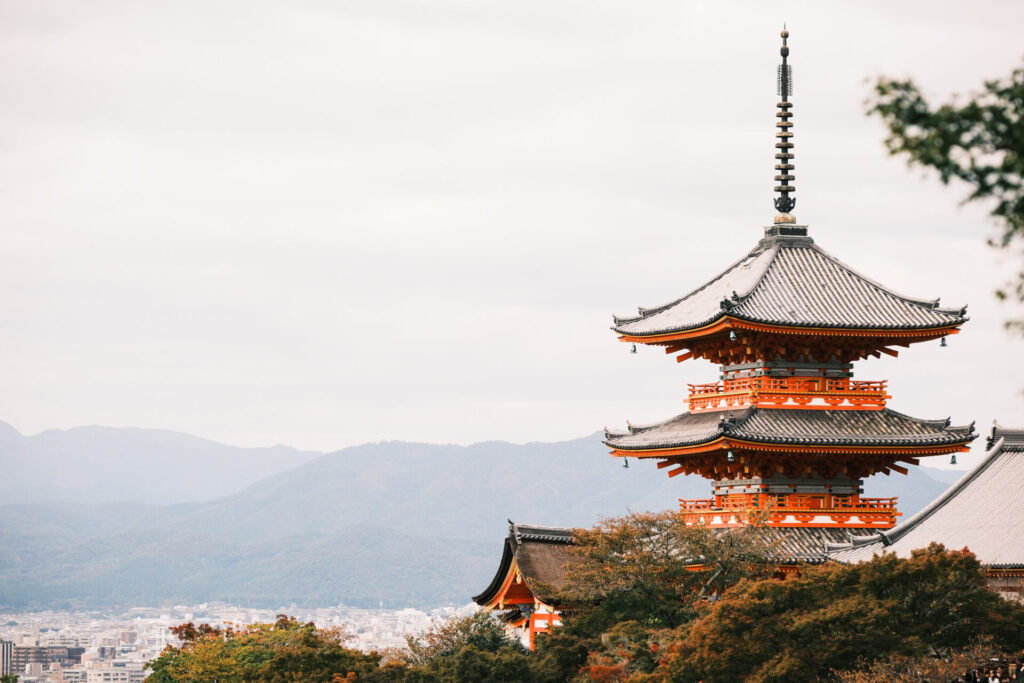
The entire complex was extremely busy when we visited, I’m sure it’s like that almost every day given the estimated annual figure of 5 million visitors, and it took some effort to reach popular photo spots like the ones you see below. I think I was literally holding my camera above people just to try and capture the most iconic angles; my favourite being the cityscape of Kyoto below with the red Sanjunoto Pagoda.
The circular one-way route through Kiyomizu-dera is wheelchair and pushchair friendly thankfully though there are some steep downhill sections. The route takes you past Koyasy-no-to Pagoda, Otowa-no-taki Falls (from which you can drink the water, said to bring love, success & longevity) before exiting right back at the start.
Cost: Adult ¥500, Child ¥200 (our toddler was free)
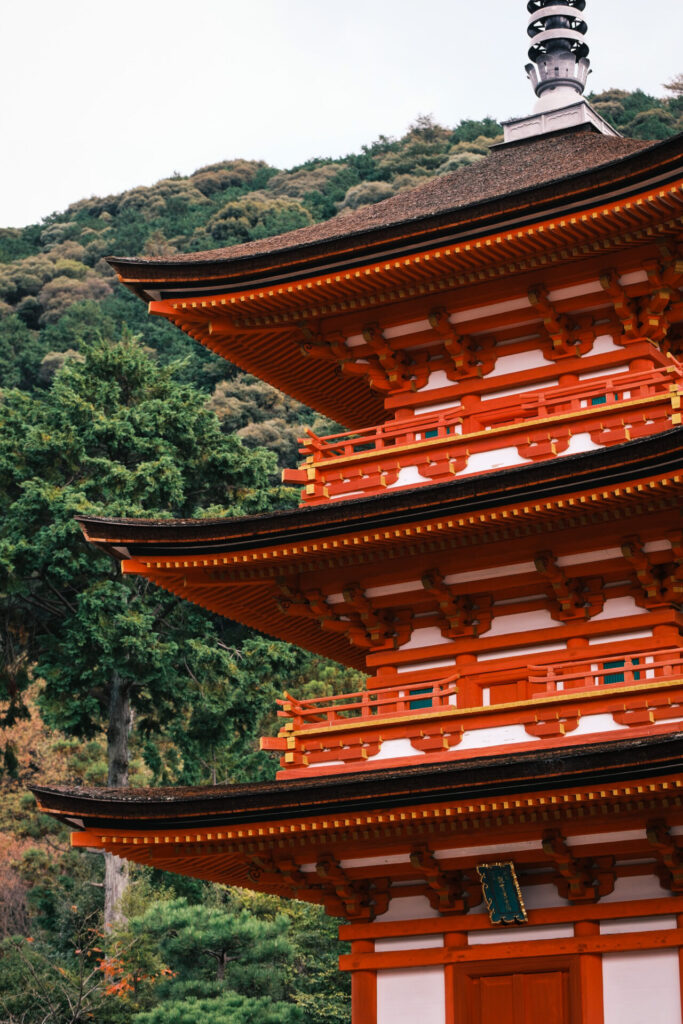
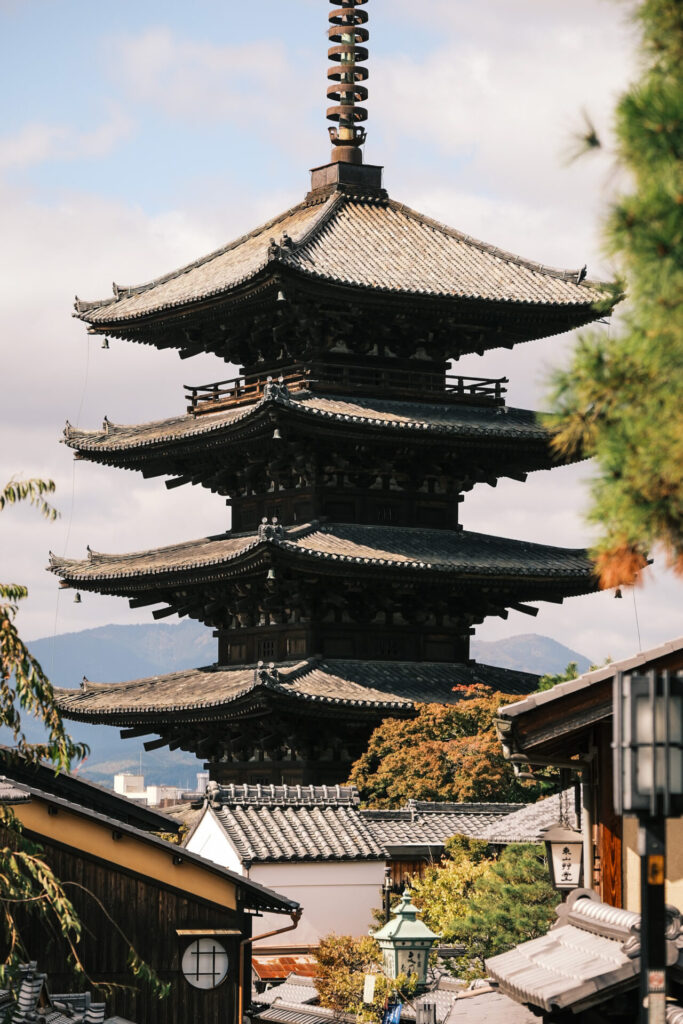
Hōkan-ji – Yasaka Pagoda
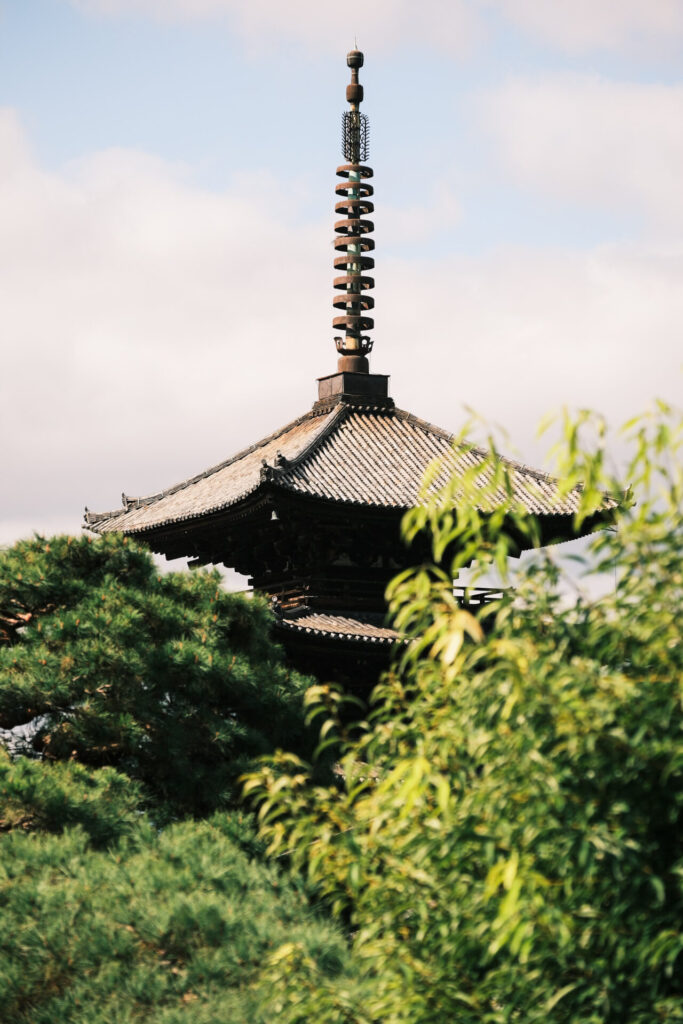
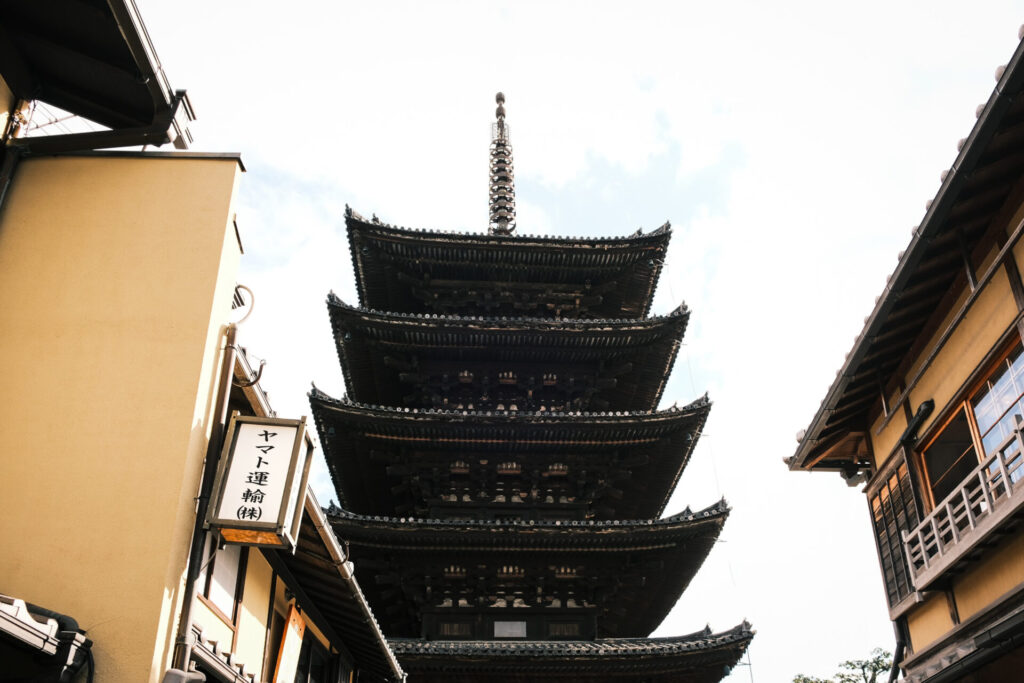
Probably the most photographed pagoda in all of Kyoto, maybe all of Japan. You will have seen countless photos across social media of Yasaka Pagoda including perhaps ones highlighting how crazy busy it is during the day along Sannenzaka street trying to get the shot so much so that everyone recommends visiting at sunrise and now it’s just as busy then too.
When exploring the Gion district, you’ll end up seeing Yasaka Pagoda from many different angles. We had excellent hand drip coffee directly underneath at Nittodo (if you pay 2% more, you can sit on the second floor with unrivalled views across the tiny street to the pagoda) and of course attempted some photos from the iconic spots – you’ll note that I’ve zoomed it so far that no people are included; it was essentially a wall of people all trying to do the same.
Cost: Free (though the pagoda is occasionally open for limited visiting Adult ¥400, Child ¥200)
Sannenzaka & Ninenzaka
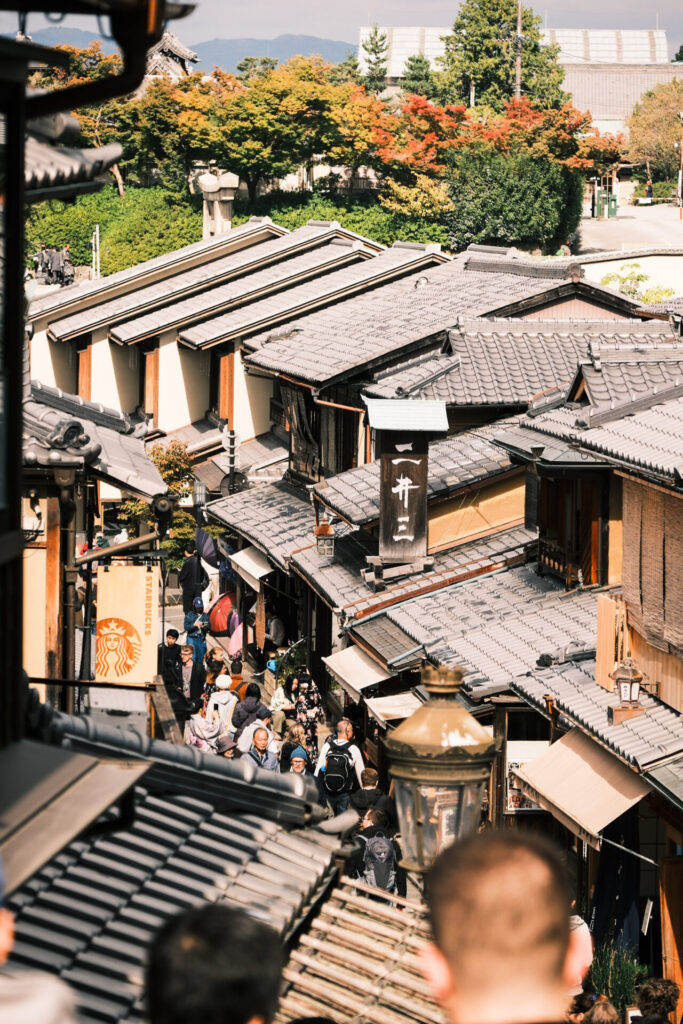
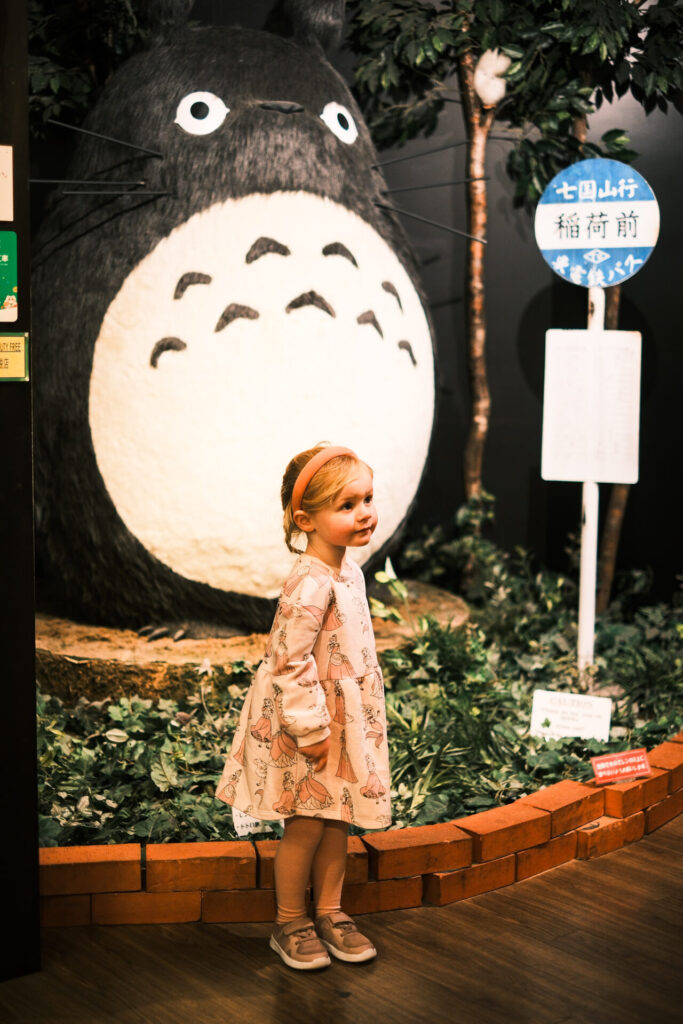
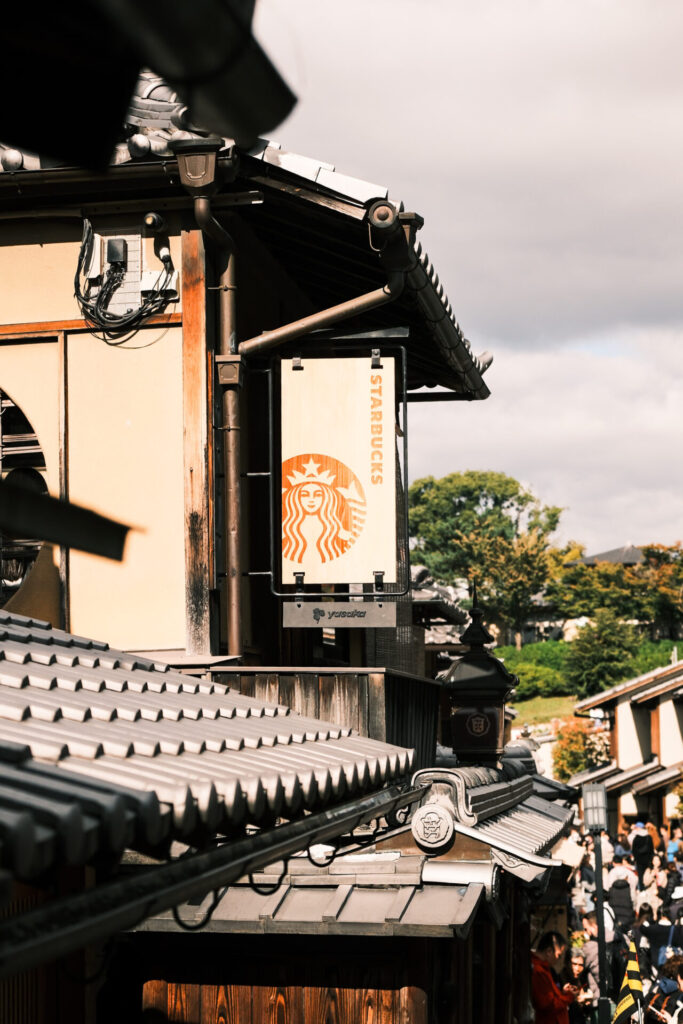
These two streets, Sannenzaka & Ninenzaka, in the Higashiyama District are so beautifully preserved with traditional wooden buildings lining either side of the steep streets. This is the historic Kyoto that I am sure you will have imagined. There’s the most unique Starbucks in the world, in a 100 year old traditional machiya complete with tatami seating and plenty of restaurants, cafés and souvenir shops like the Ghibli Store that Evelyn loved.
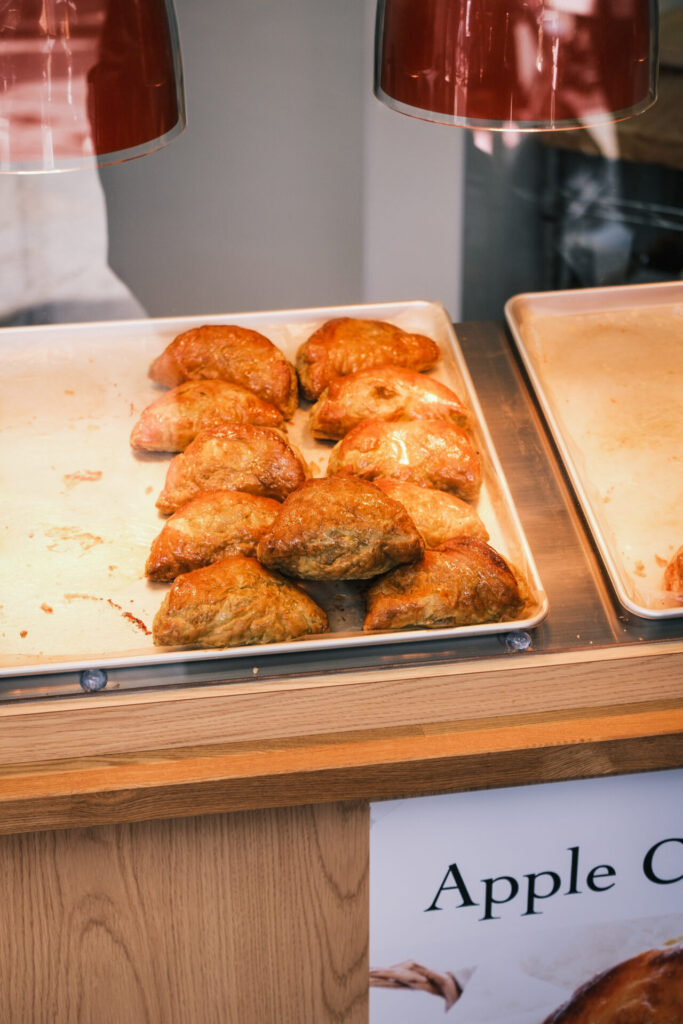
We skipped Starbucks not only because there are much better places across Kyoto for a coffee (and it was packed) but because we stopped next door instead for quite possibly the best apple pie I’ve ever tasted. You’ll know when you find Apple Pie Lab thanks to the smell, oh the smell. Probably a bit of a tourist trap especially considering it’s along the busiest street in the whole of Kyoto but the apple and custard pie was a dream, so so good.
So a word on how busy it is – we visited in autumn, one of the most popular times to visit Japan and there’s no sugar coating it, it was packed and really difficult to navigate this area with a toddler. It’s also steep with plenty of stairs so it meant carrying the stroller separately and letting the little one stretch her legs! You do of course have to visit this area of Kyoto but, once we had, I didn’t really feel like returning purely because of how busy it was – there are far more peaceful areas of Kyoto that you’ll fall in love with instead.
AdLooking for the best online services?
Explore top-rated platforms and secure your discount before it expires.
SponsoredDiscover top exclusive offers today!
Click here to learn more and take advantage of these limited-time deals.
Cost: Free
Ishibe Kōji Road
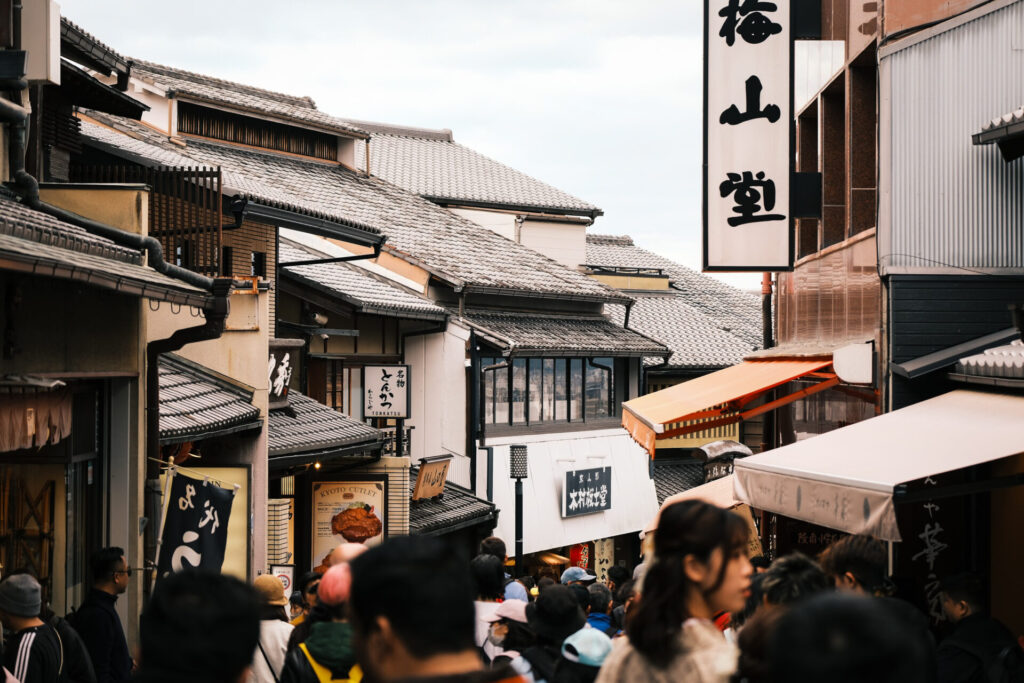
In complete contrast to the most popular streets above, Ishibe Kōjo Road is Kyoto at its finest. If you want to experience a short walk through the true Kyoto, then wander along this road only a short distance from Ninenzaka. It’s a residential street, pedestrian only and no photos are allowed so simply wander through quietly, admire and continue your day. We didn’t visit for long at all but this was actually one of our favourite places in Kyoto.
Cost: Free
Yasaka Shrine
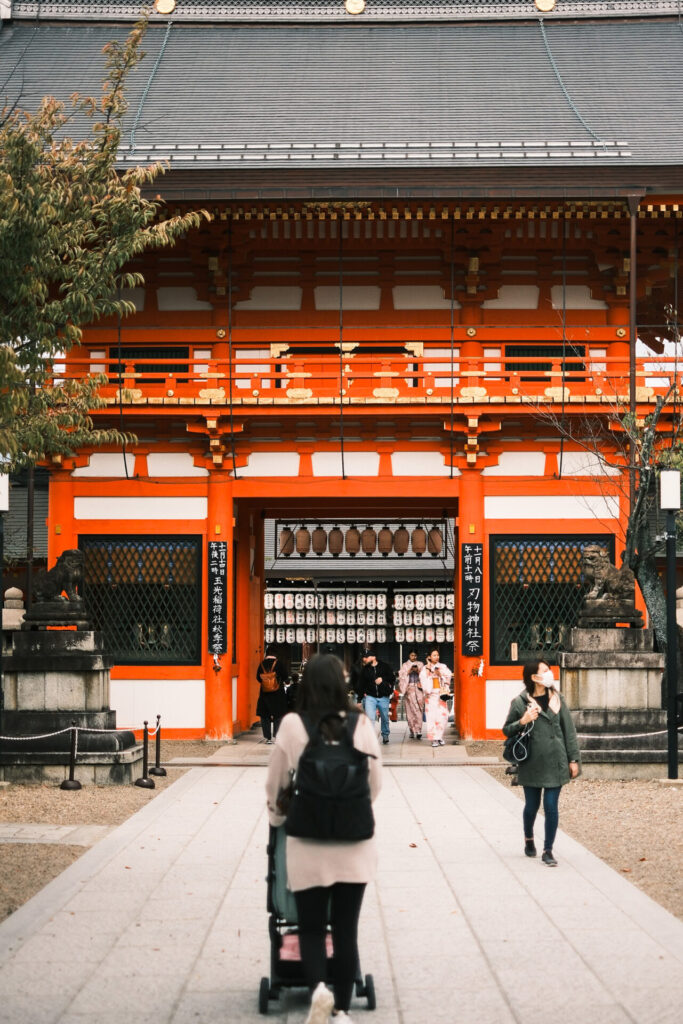
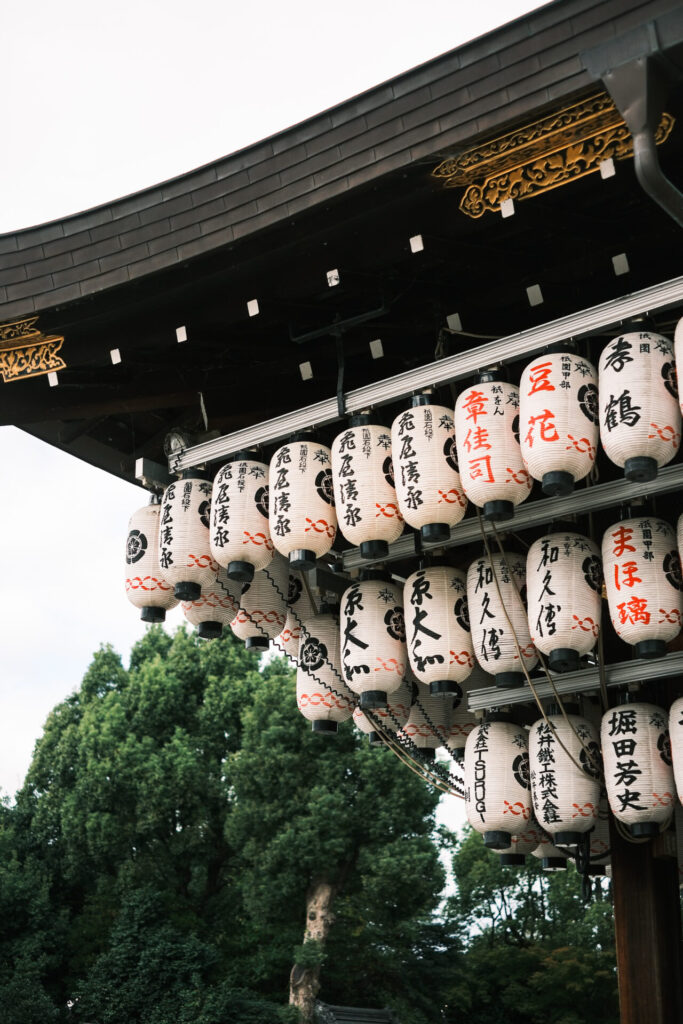
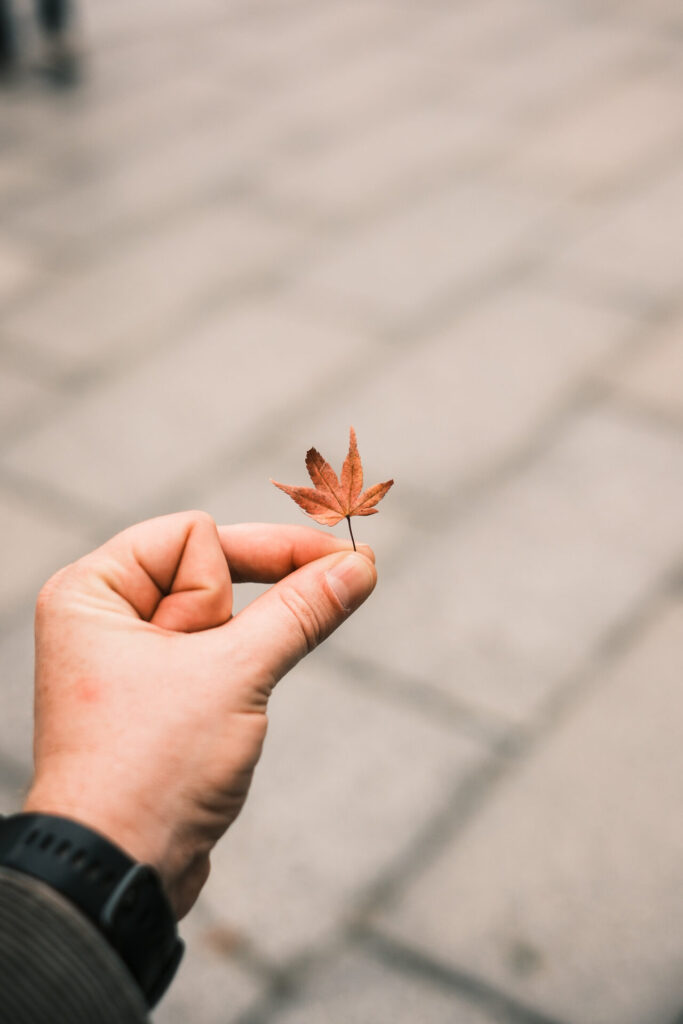
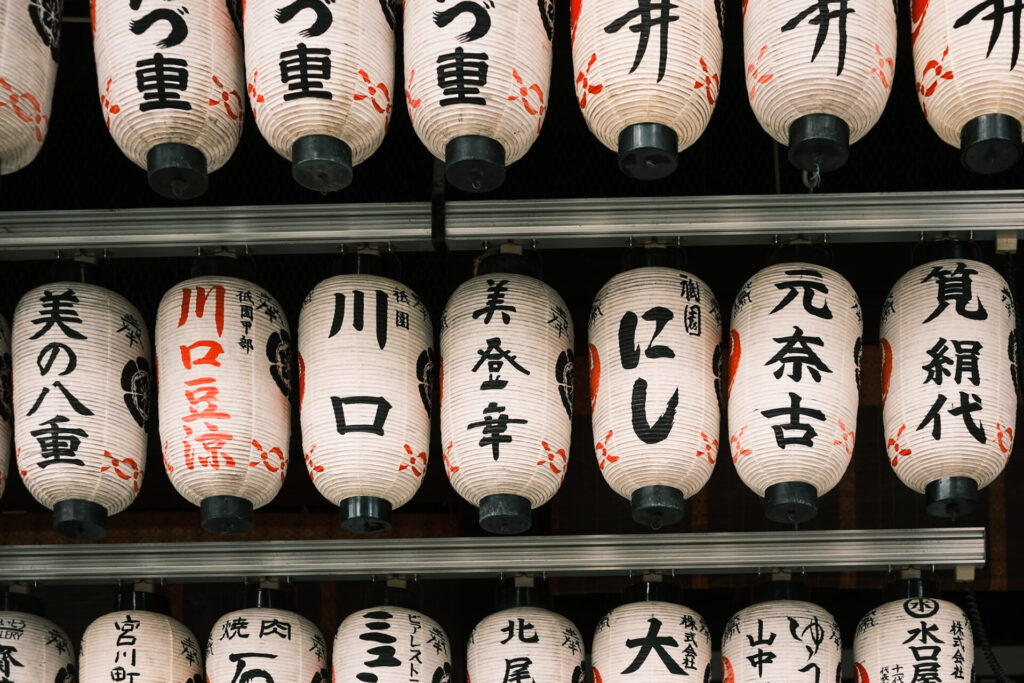
Yasaka Shrine was the shrine we constantly saw at the end of the street our hotel was on and, finally, I think on our last full day in Kyoto we wandered through on the way back from Kiyomizu-dera. The shrine is well over 1,000 years old, hard to believe really, and the gardens within with it sits stretch right back into Maruyama Park. We didn’t spend too long here but it was hard not to be amazed by the hundreds of paper lanterns gently swaying in the wind and I was pleased to spot my first fallen maple leaf signalling that autumn had truly arrived.
I would have loved to have re-visited during the evening as I can only imagine how magical it would have been to see all of the paper lanterns lit up and glowing amongst the darkness.
Cost: Free
CENTRAL KYOTO
Nishiki Market
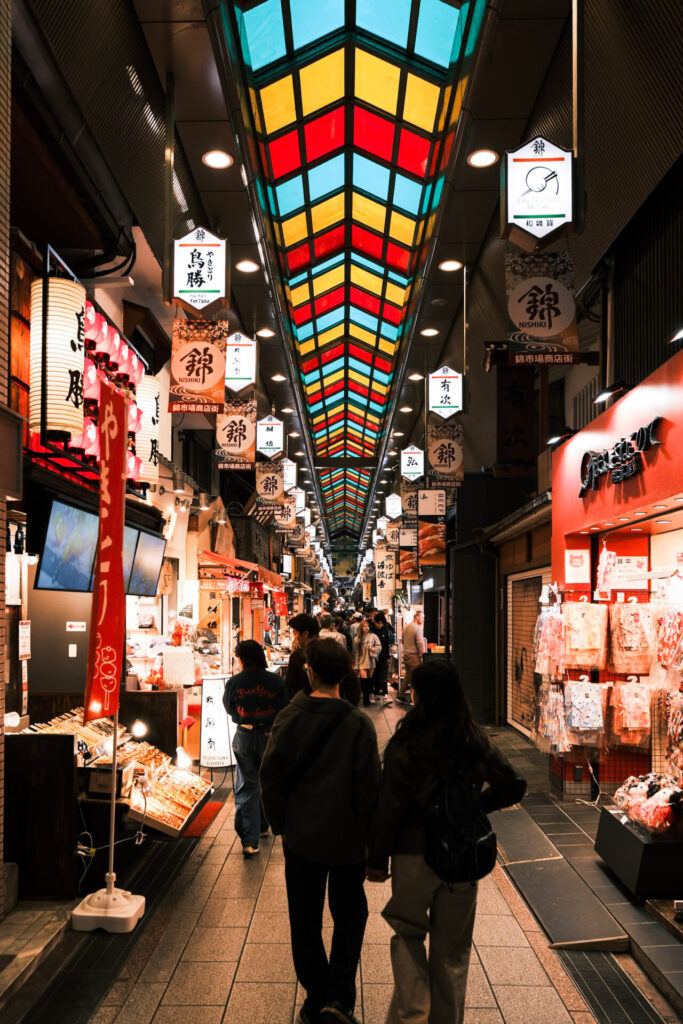
Nishiki Market was one of the places in Kyoto that I was most looking forward to. Whenever I visit a new city, I love exploring the food markets, sampling all the foods and all the drinks and so Nishiki Market was on our itinerary for an entire evening. The plan was simply how much food could we eat?
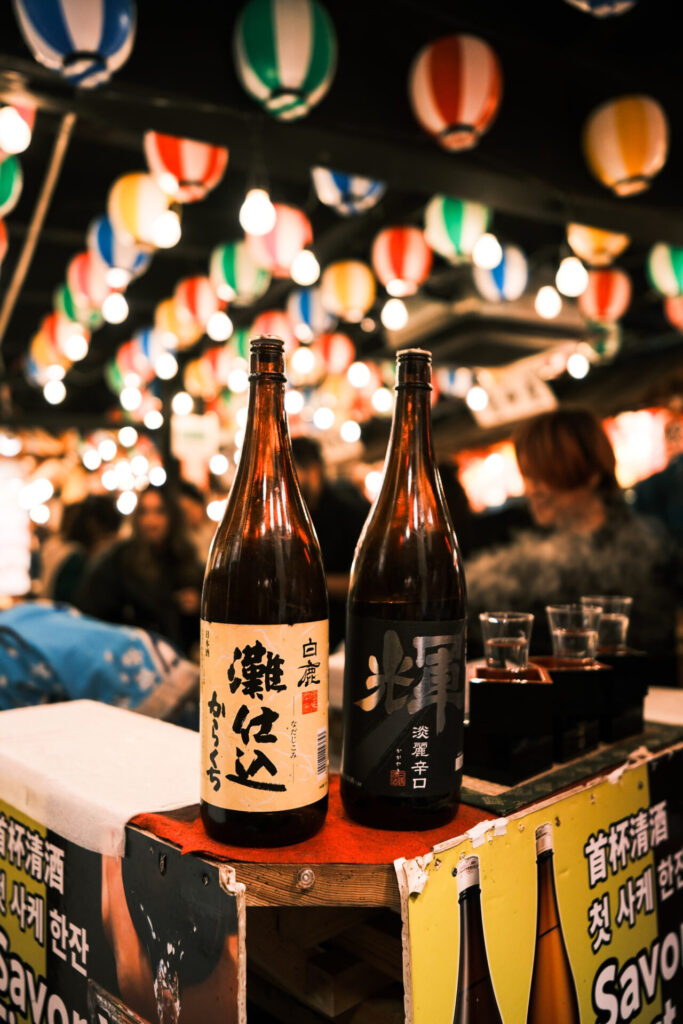
This market is over 400 years old yet nowadays caters more to the tourists than locals therefore expect higher prices and plenty of souvenirs though there aren’t many other places you can eat your way through such a wide range of Japanese specialities. Nishiki Market is essentially an arrow straight arcade stretching just under 400 metres east to west with all manner of stalls serving up strawberries as big as your fist, yakitori, tonkatsu, gyoza, tempura and sake, lots of sake.
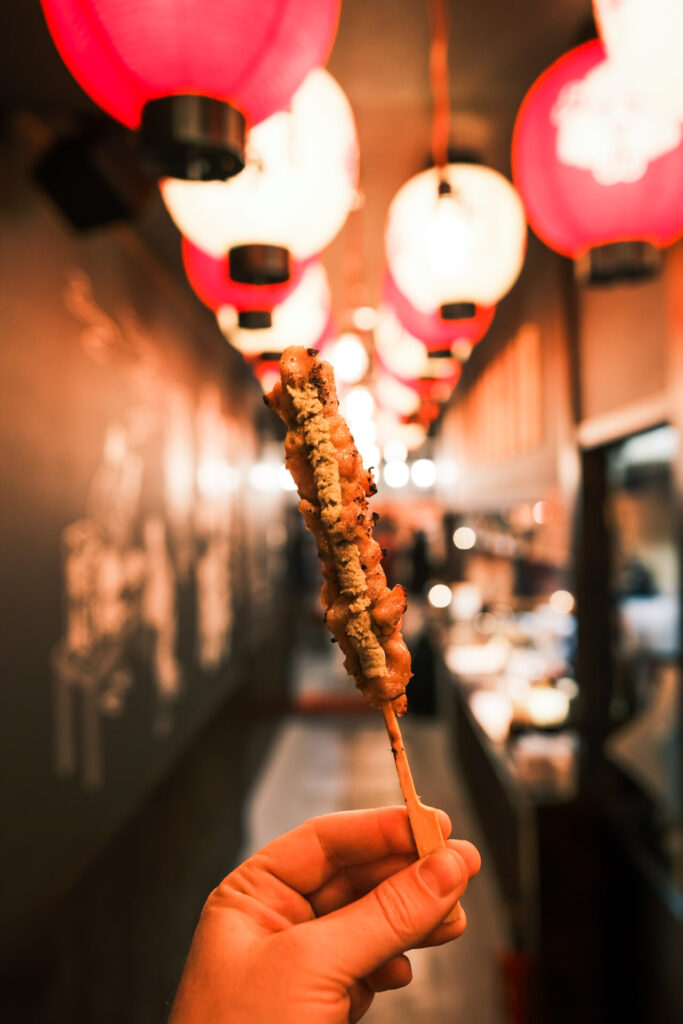
Even though it was evening, Evelyn fell asleep in her stroller thanks to the continued jet lag bless her and we were well and truly in danger nap territory and in danger of Evelyn missing dinner entirely. Nevertheless we pressed on and went straight for yakitori; chicken skewers cooked over a charcoal grill. Unfortunately the chicken was entirely raw and I was never quite sure whether it was intentional (it’s a delicacy in Japan with high quality chicken) or whether it was simply an error. Either way, I didn’t get ill from the chicken I did eat and I still made sure I savoured all of the wasabi paste.
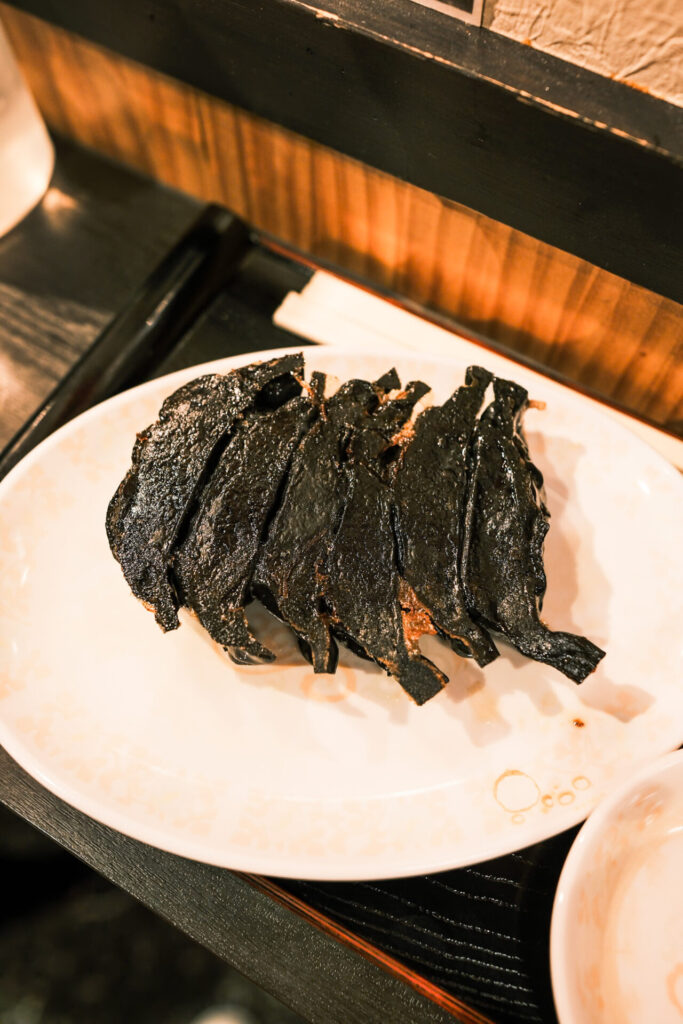
Next up was a freshly fried giant prawn tempura which was honestly incredible if not hotter than the sun. Be careful when ordering prawn tempura as many might have been pre-cooked but thankfully I waited until I found somewhere frying to order. Finally, after feeling suddenly much fuller than expected, we finished up with some fried wagyu black gyoza from the place that David Beckham had visited. Really good.
All in all, we weren’t disappointed with Nishiki Market, it was enjoyable to wander along and check out all of the different offerings but we didn’t eat half as much as we thought we would. Definitely a must-visit in Kyoto but you’ll also want to visit plenty of other restaurants for tonkatsu, ramen and gyoza too.
Cost: Free to enter

Pontocho Alley
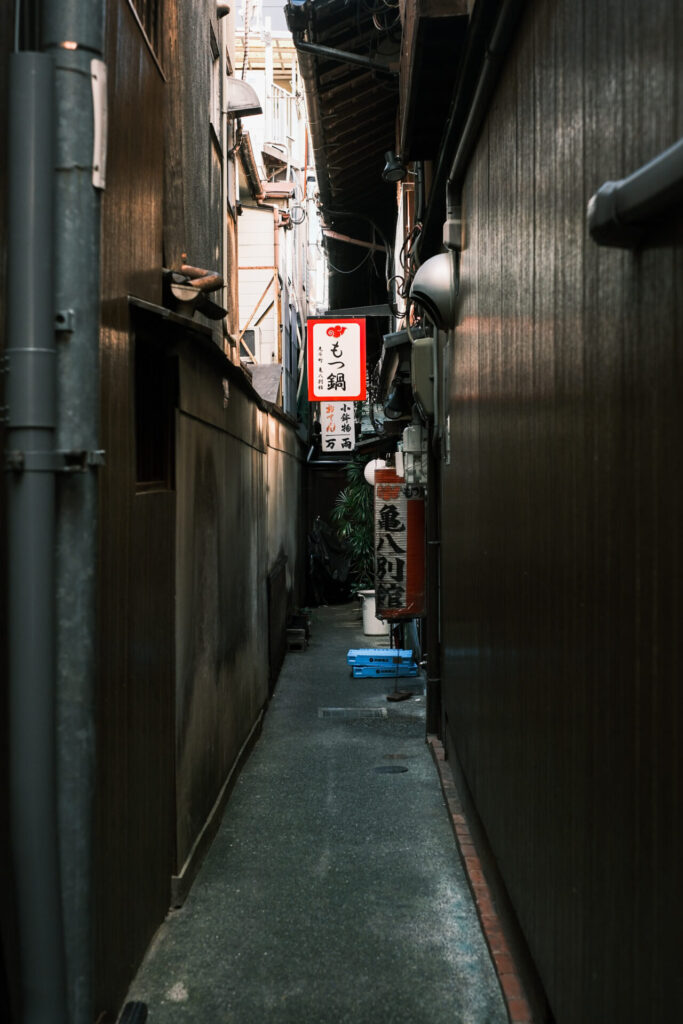
Running parallel to the Kamo River is Pontocho Alley. This narrow alley is lined with traditional dark wooden machiya buildings many of which have since been converted to bars, teahouses and restaurants. We wandered along during the day time just for a look and not much was going on but Pontocho Alley really comes alive at night with glowing lanterns and a bustling atmosphere. During summer, many of the restaurants on the riverside extend wooden verandas out over the river though it remains a culinary hotspot all year round.
I do wish we’d returned during the evening as we simply wandered along and there wasn’t too much to see. It was however very easy to feel the old-world charm of Japan, as though you had immediately transported back in time.
Cost: Free
Kyoto Imperial Palace
Before Japan’s capital moved to Edo, Kyoto Imperial Palace or Dairi, was the home of the Emperor of Japan for over 1,000 years. This architectural complex sits within the peaceful Kyoto Gyoen National Gardens and is free to enter. Within this you’ll find historic gates, residential palaces, wall paintings and a variety of heritage buildings that can easily take up a whole day of your time to explore.
Unfortunately, we didn’t get chance to visit here either though we did plan to spend half a day here. I’ve explained it later on in a specific Kyoto with kids section but, when travelling with children, things take far longer than you think and you’ll sadly have to cut things out of your meticulously planned itinerary. It’s a shame as I really wanted to visit something of such historical importance but you have to do things for the greater good sometimes. If we had a little longer in Kyoto, we wouldn’t have hesitated to visit the Imperial Palace.
Cost: Free
Nijo Castle
Nijo Castle is another of Kyoto’s most popular attractions and one of the seventeen UNESCO World Heritage Sites that can be found in the ancient city. Despite it being completed at the time Edo was the capital of Japan, Nijo Castle became the Shogun’s primary residence in Kyoto and now offers at least three distinct areas to visit – Ninomaru Palace, Honiara Palace & Seiryu-en Garden.
As with the Kyoto Imperial Museum, unfortunately we didn’t have chance to visit Nijo Castle but if you have the time (you could easily spend a week in Kyoto there’s so much to do) and perhaps don’t have children in tow, make sure to plan this into your itinerary.
Cost: Adult ¥800, Child ¥300
Kyoto Railway Museum
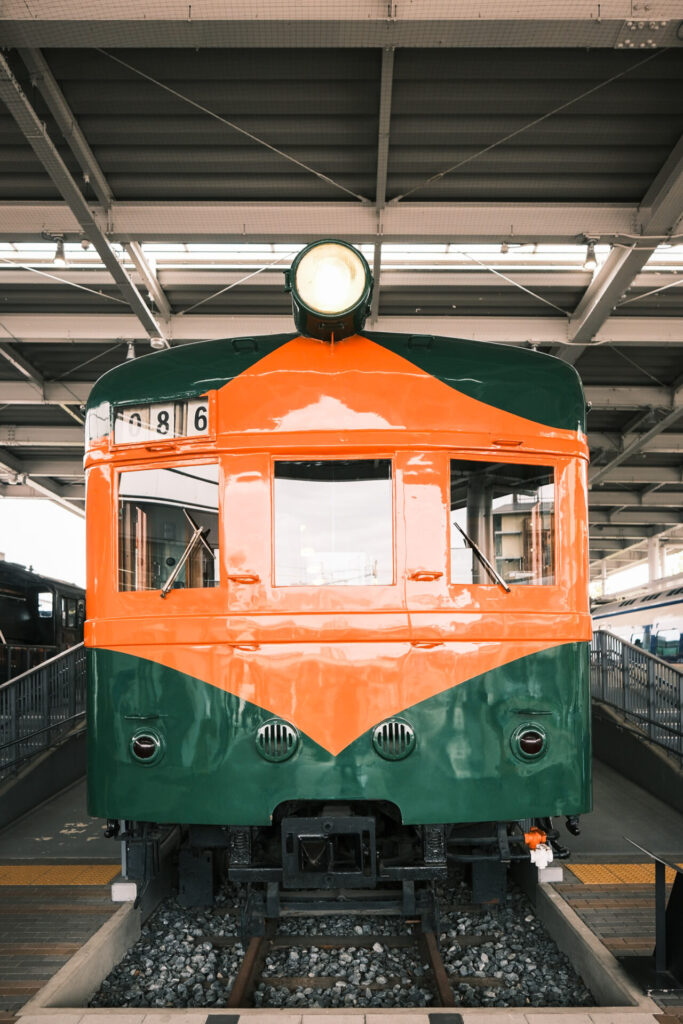
If you’re visiting Kyoto with children then a trip to the Kyoto Railway Museum is definitely worth adding to your itinerary. To be fair, even if you’re not, it offers a detailed look into Japan’s incredible history in terms of trains and the railway.
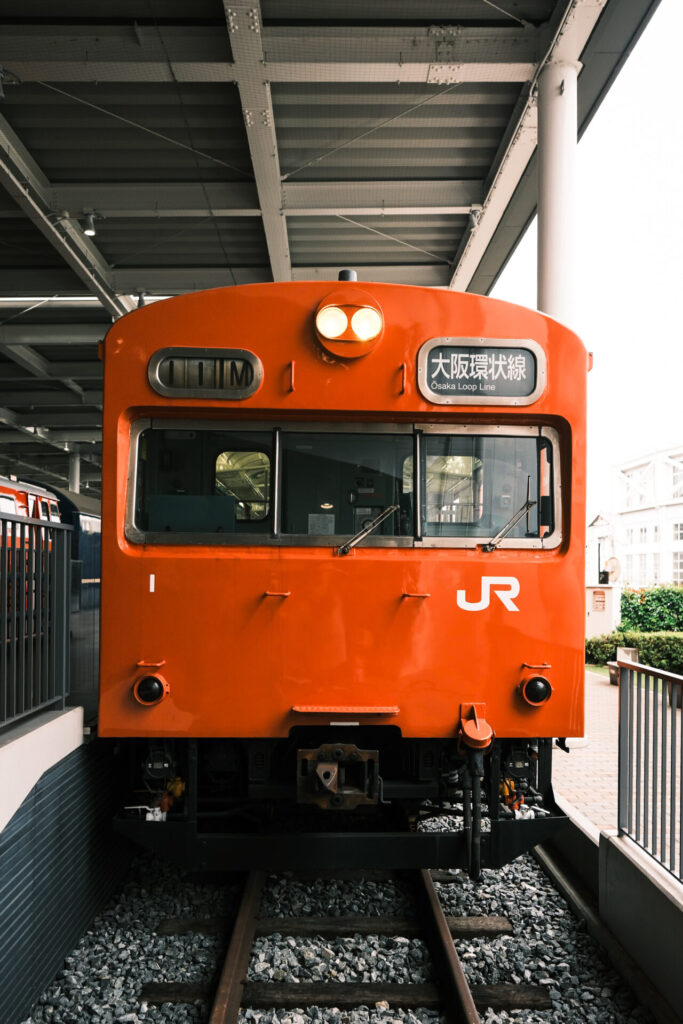
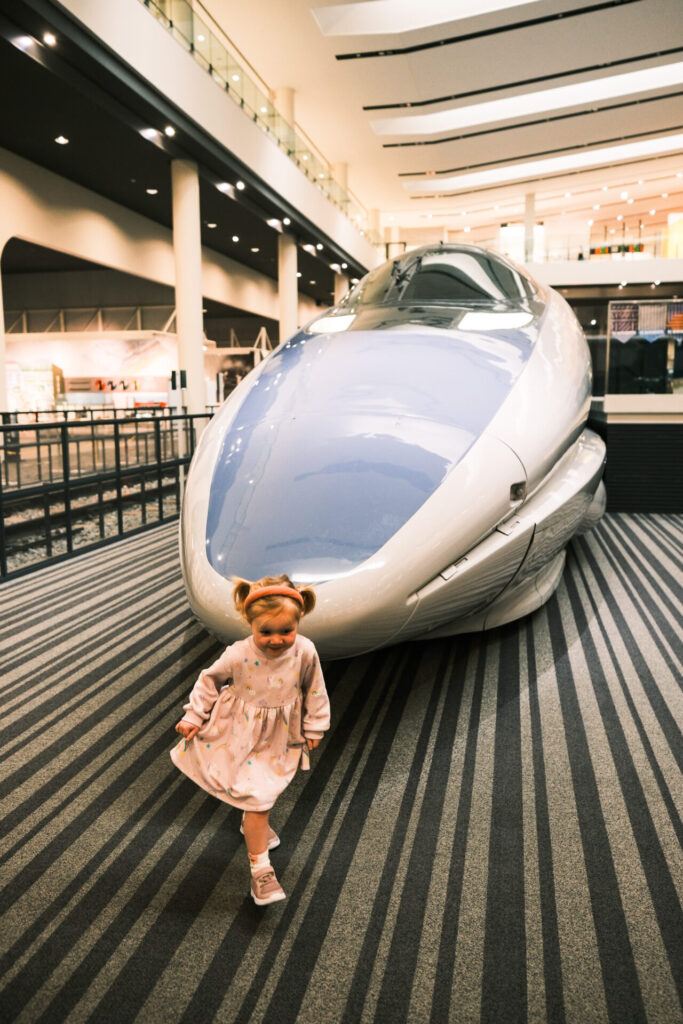
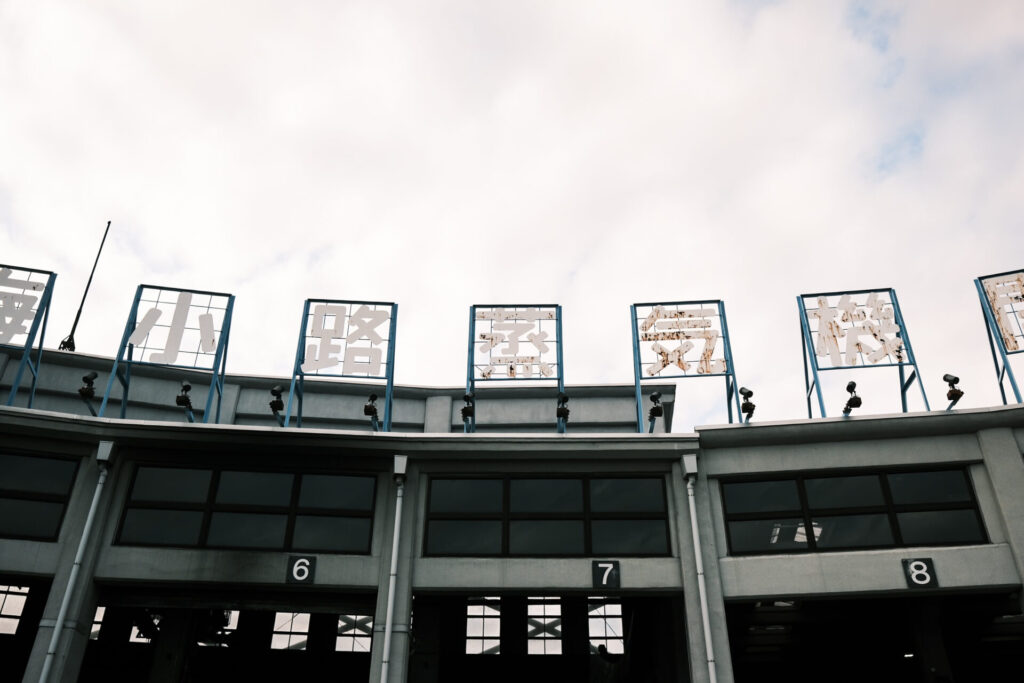
There are over 50 trains on display within and around the museum; some of which you can actually enter. From bullet trains to heritage carriages, even if you’re not a fan of trains it’s hard not to be amazed and intrigued by each and every one. I’m not someone who will stand and read all of the exhibits but I enjoyed wandering past the displays and, when something caught my eye, I’d stop and have a look – for example, the history of the Shinkansen was really good yet frustrating at the same time… I couldn’t believe that Japan was able to produce bullet trains and such significant investment in their railway network in the 1960’s yet the United Kingdom seems content sticking with Victorian railways even in 2026.
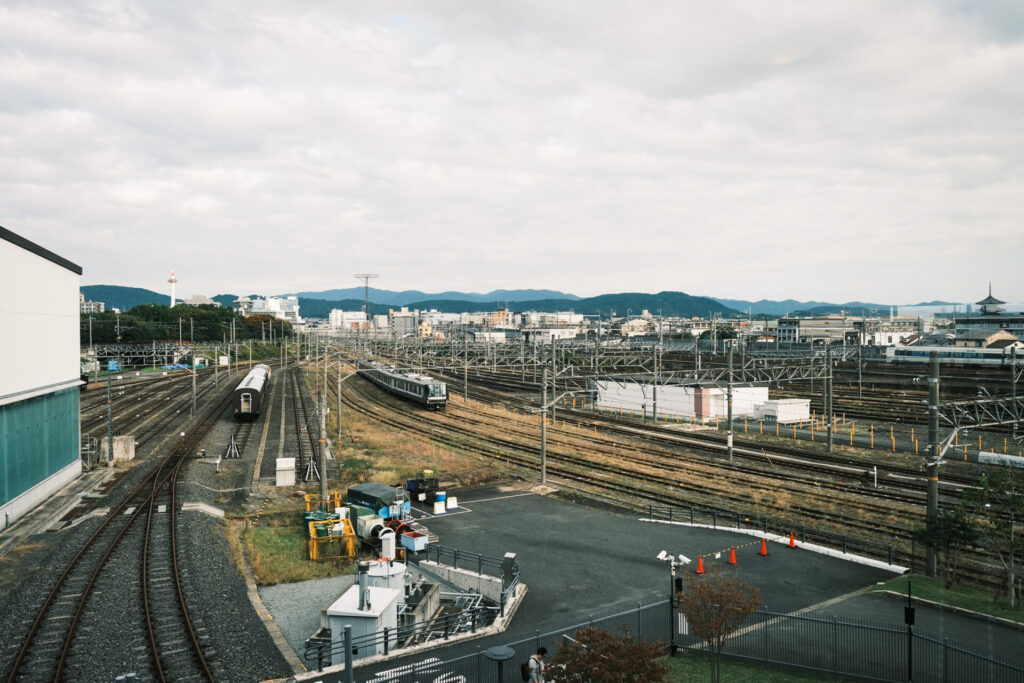
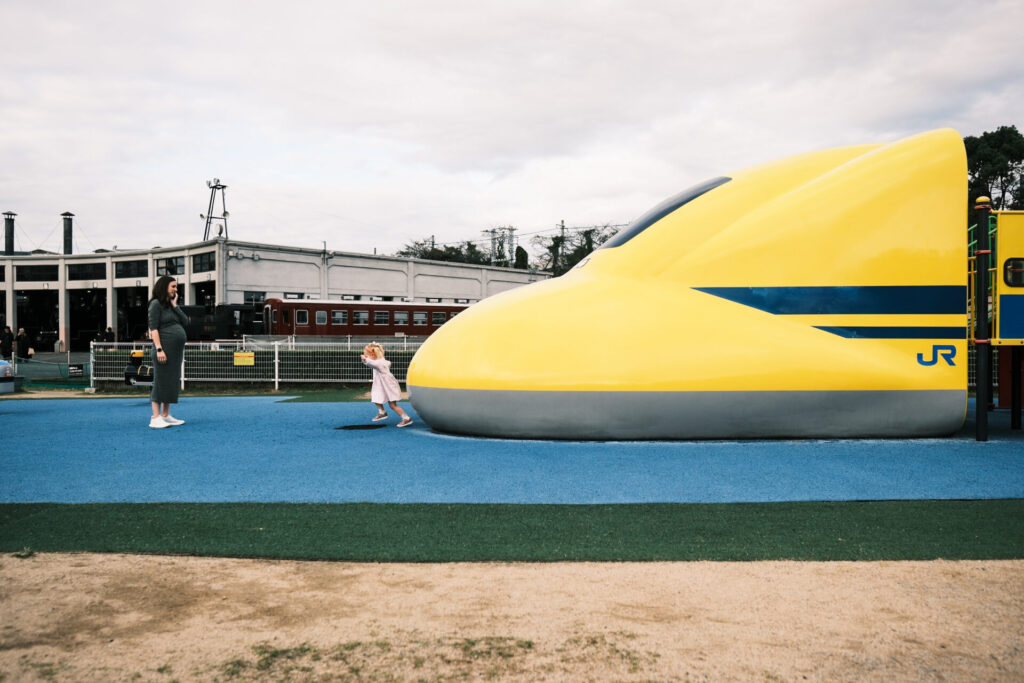
There are three floors of permanent exhibits which could take you hours to get through but there are also daily steam train rides, a ‘Doctor Yellow’ Shinkansen slide in the play area and a brilliant viewing platform where you can spot trains coming and going from Kyoto Station.
Cost: Adult ¥1,500, Toddler 3+ ¥200, Elementary ¥500, High School ¥1,300
Kyoto Station
Kyoto Station is quite obviously primarily a transport hub but I actually wanted to include it here as a genuine ‘attraction’ in Kyoto, somewhere that you might want to visit to admire even if you’re not heading anywhere in particular.
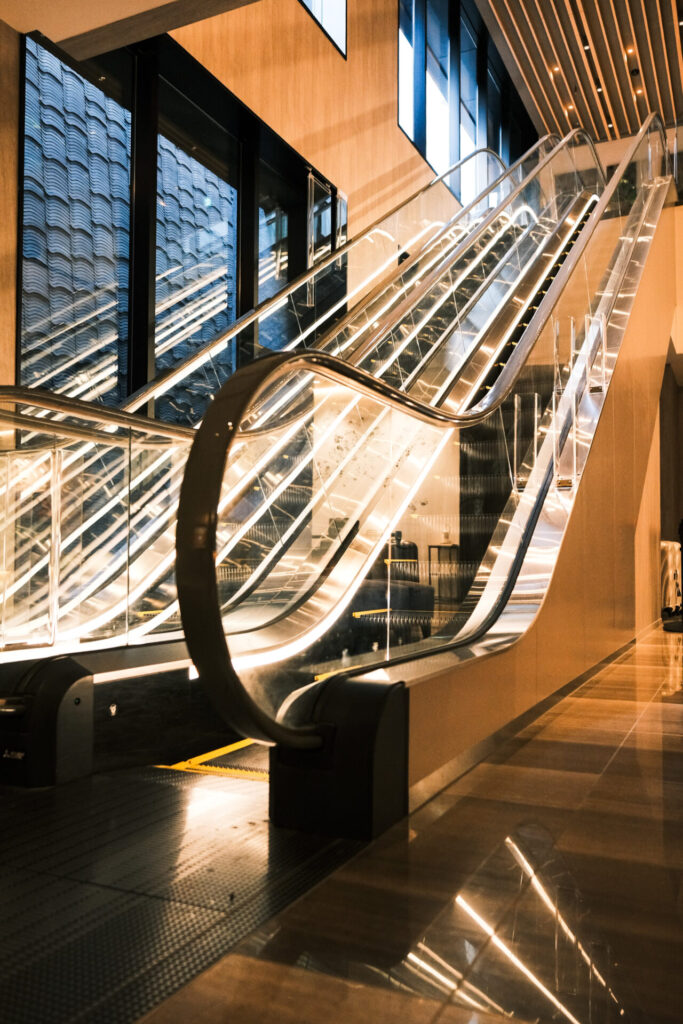
When we first arrived in Kyoto after travelling up from Osaka much later than planned (thanks to an uncharacteristic delay on the train lines), I was amazed wandering through Kyoto Station. Firstly due the sheer scale of it, it is absolutely enormous, and then the ultra-modern architecture that feels completely at odds with the traditional Kyoto. Glass and steel as far as the eye can see and more escalators that you can imagine.
I loved exploring the station in its own right for an hour or so before our train. The Skyway offers great views down into the station and over the city; one of the best views of Kyoto Tower is from right at the top. There are also so many places to dine and grab a drink that it’s hard not to get lost in here!
Cost: Free
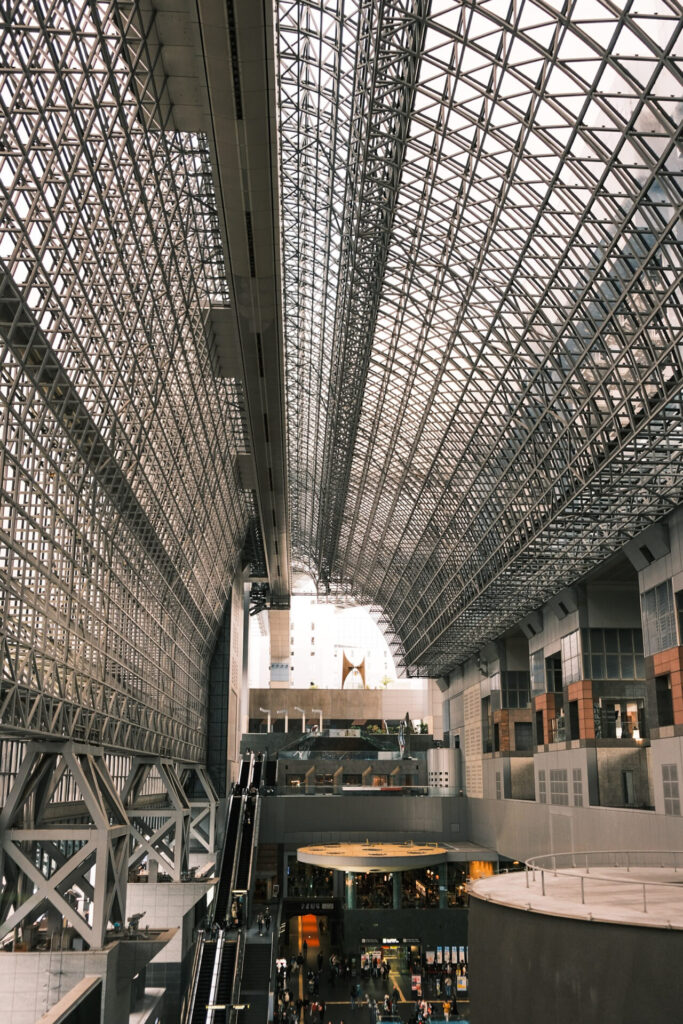
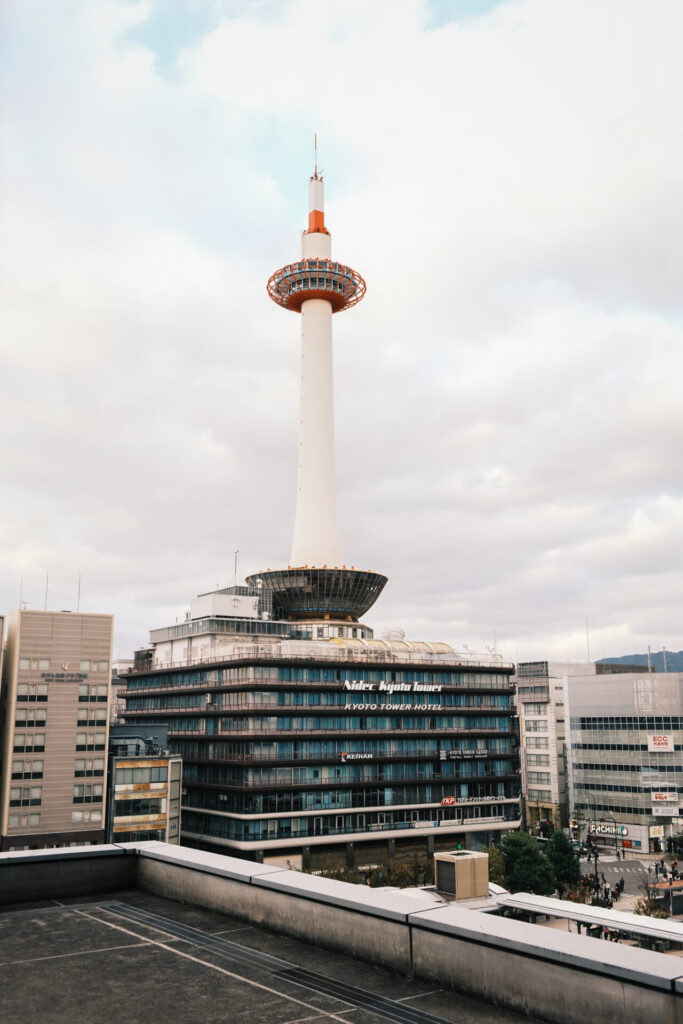

PHOTO SPOTS IN KYOTO
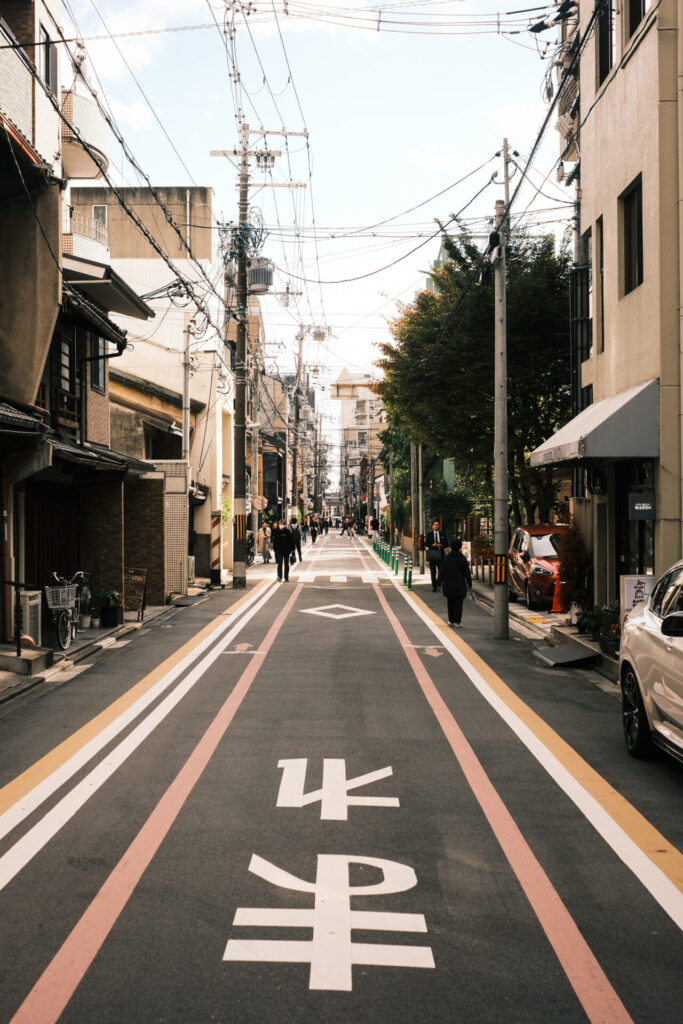
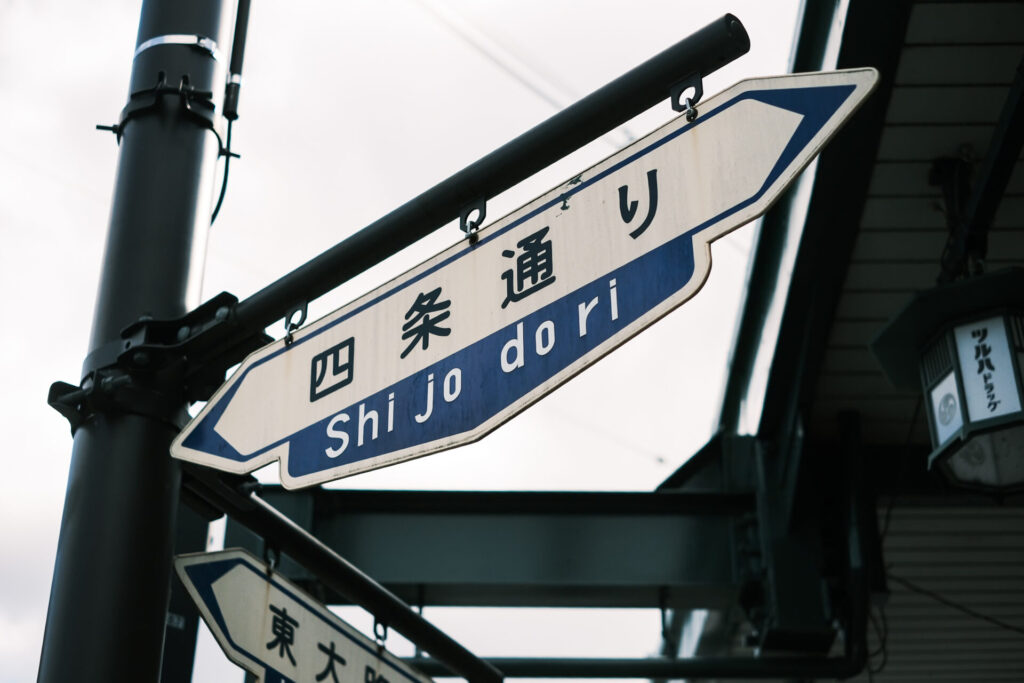
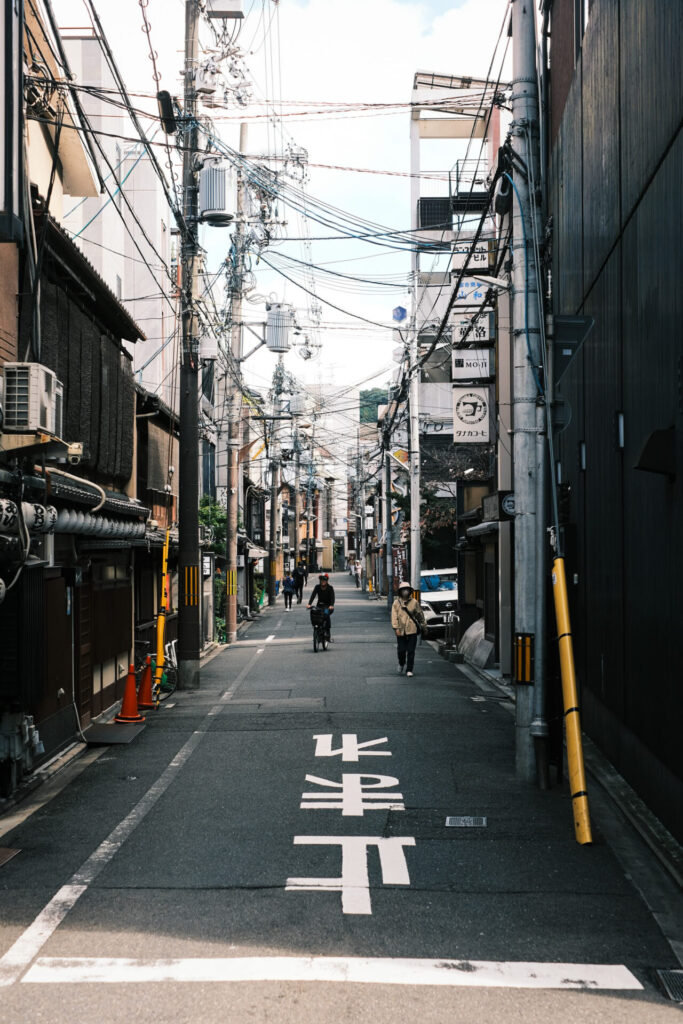
I couldn’t believe how many photos I took in Kyoto, I literally could not put my camera away. There are of course the famous temples and views that both you and what feels like a million other tourists will capture but there’s so much more to shoot that will instantly feel like Kyoto.
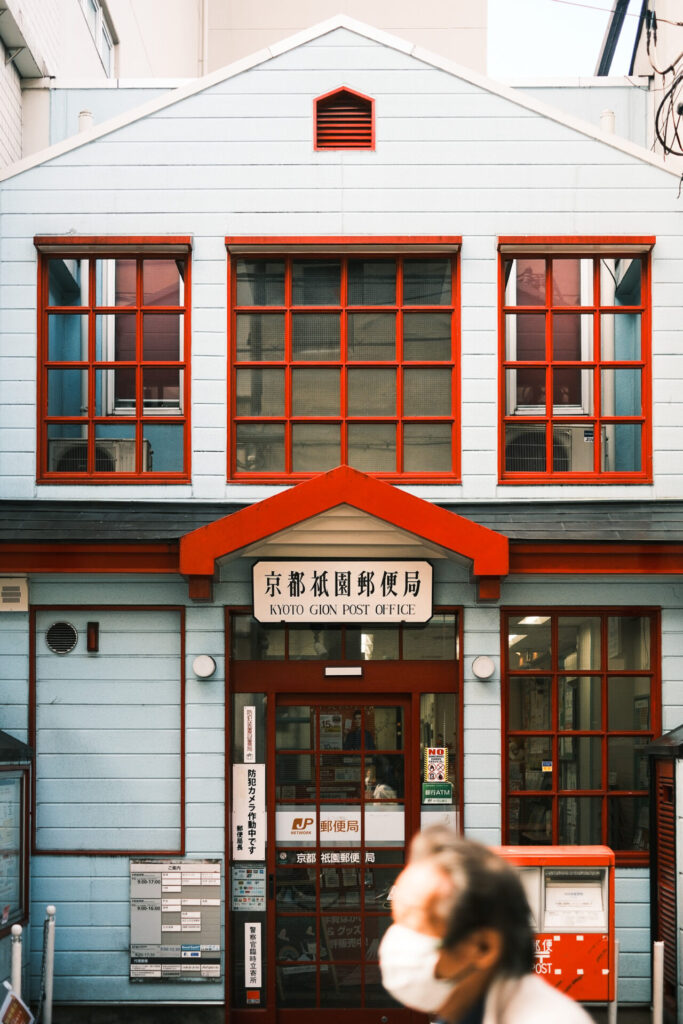
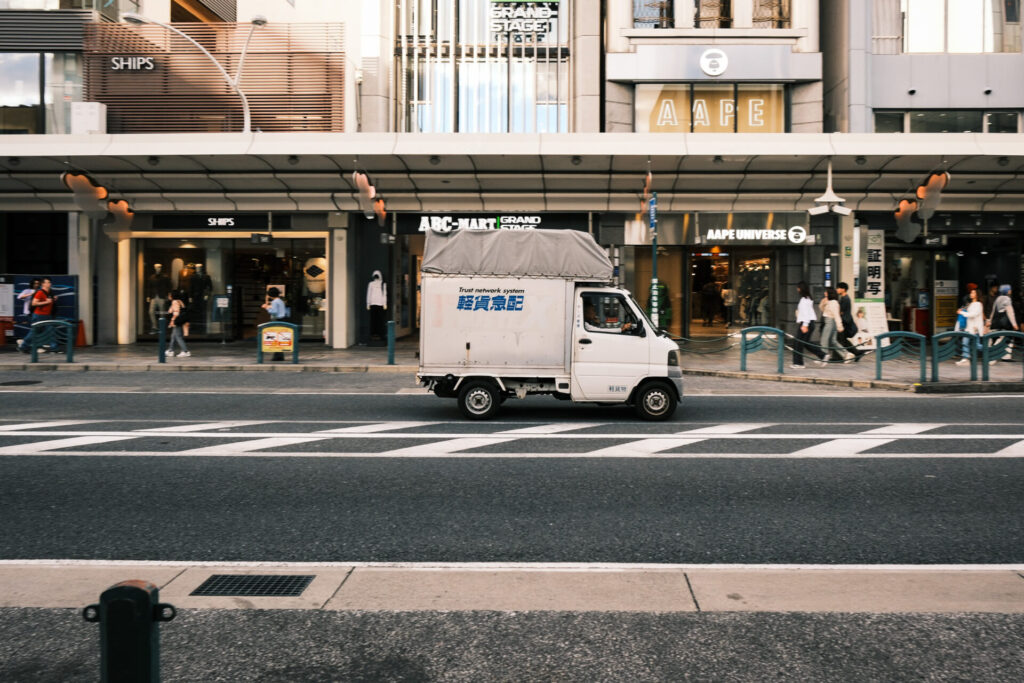
From the quieter, more traditional streets to post offices and houses that look like faces as well as the soaring Kyoto Tower, glistening bright red taxis and little details that you’ll only notice when you’re wandering without a particular destination in mind.
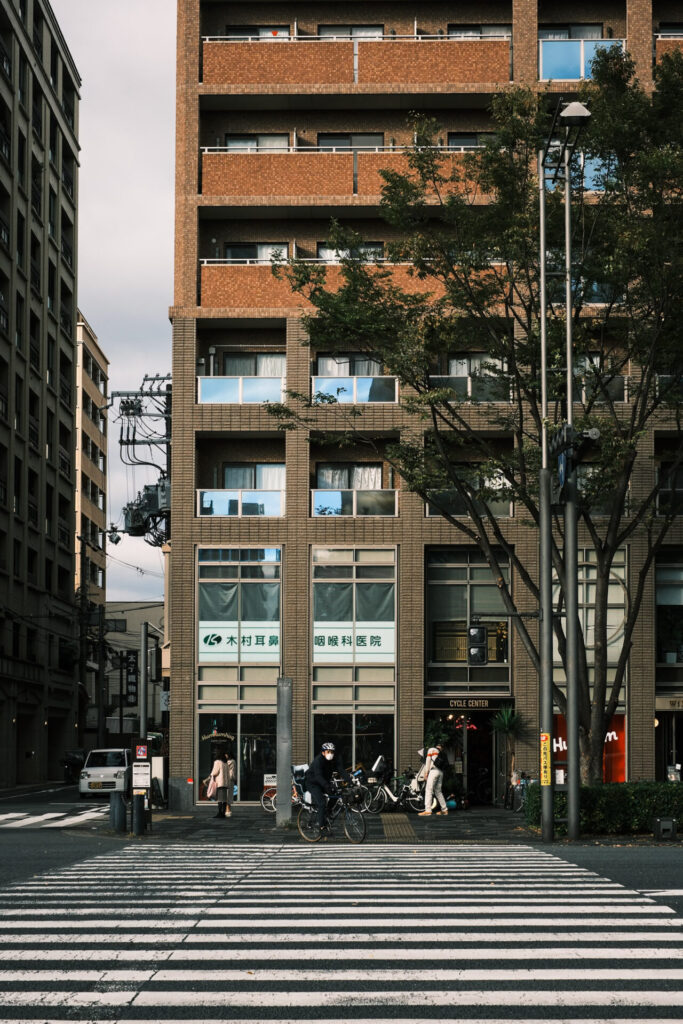
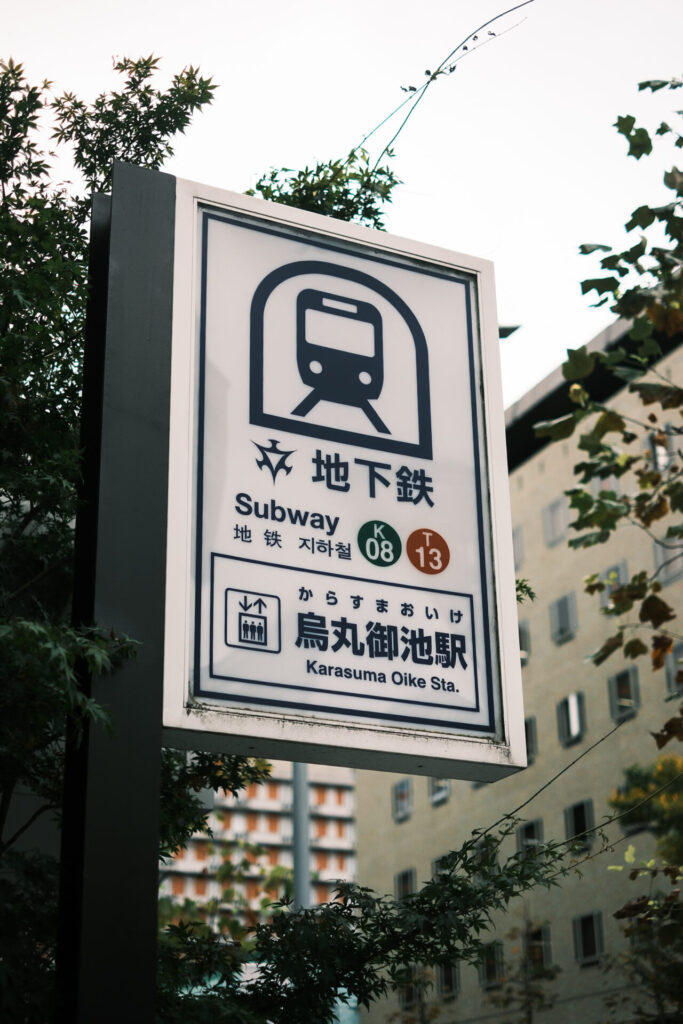
These are some of my favourite photo spots in Kyoto. Whilst I won’t repeat everything above, you’ll obviously be taking photos of everywhere you visit especially as a first time visitor, but these are the places that, for me, capture exactly what it feels like to visit Kyoto.
We’ll start with the most obvious ones shall we?
- Ninenzaka Street offers a perfect view of Yasaka Pagoda. Many visit at sunrise attempting to get a tourist free background though it is pretty much busy each and every time from sunrise to sunset. Probably the most photographed place in the whole of Kyoto.
- Arashiyama Bamboo Forest – This one goes without saying; you’ll have seen it a thousand times but the towering bamboo really does make for great photos.
- Kinkaku-ji – The Golden Pavilion looks good from almost every angle and is one of the iconic things to do in Kyoto so obviously you’ll have to take many many photos.
- Kiyomizu-dera – This is another incredible temple in Kyoto, of which there are so many, but with a spot high up Mount Otowa you’re afforded exceptional and probably unrivalled views back across Kyoto.
- Fushimi Inari Taisha – A thousand red tori gates snaking up Mount Inari. Packed at the bottom but as you climb higher, you’ll find that you’ll have a few moments to yourself within this incredible shrine offering great photo opportunities for portraits and capturing a much longer stretch of this path.
Those five spots above are Kyoto through and through aren’t they? I mean, you couldn’t come away from a trip to Kyoto without getting photos of each of them but even now I look back at the photos I captured at each and some are my favourite photos of the entire trip. The ones below however are some of the more unique photo spots in Kyoto or perhaps more of a general overview of the things you should look for when photographing Kyoto.
- Face House – Designed in 1974, this house is considered an architectural gem in Kyoto on a relatively ordinary back street alongside typical Japanese city homes.
- Kyoto Gion Post Office – Yes, it’s just a post office but there’s something about the striking red features and the way the small building is seemingly squished between two much larger buildings that makes this such a cool photo spot. This feels like Kyoto to me.
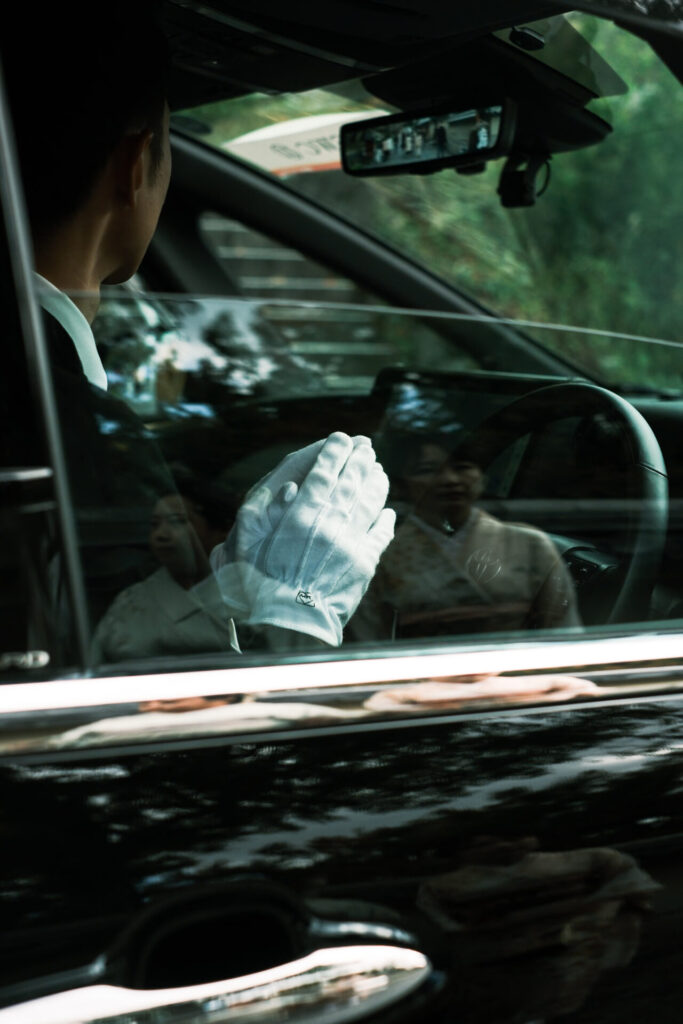
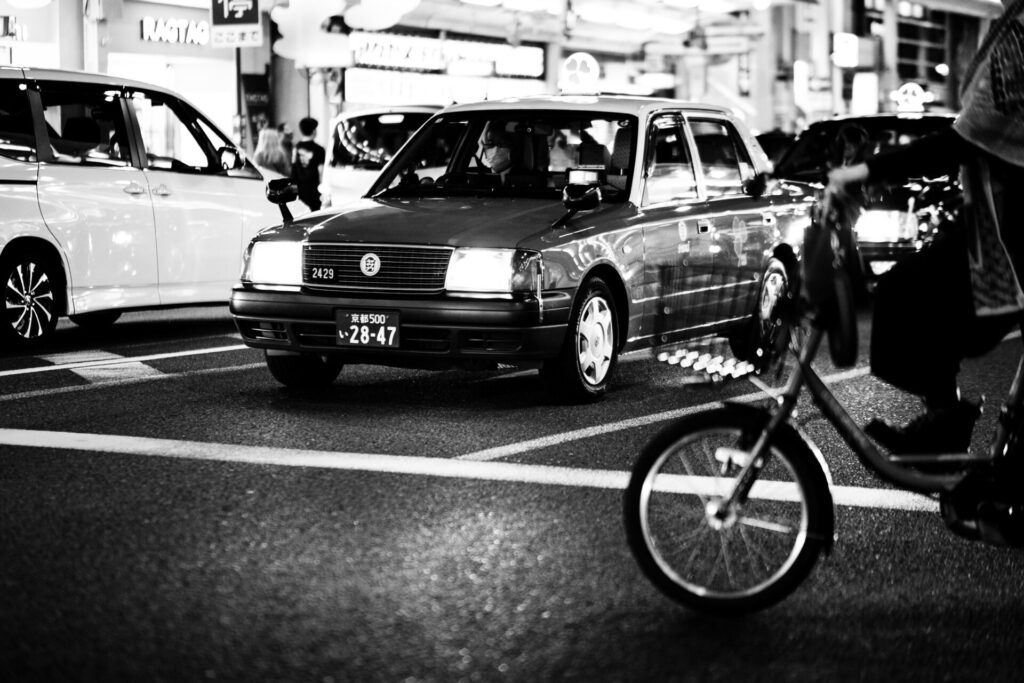
- Taxis – Kyoto’s red Toyota Crown Comfort taxis are iconic.
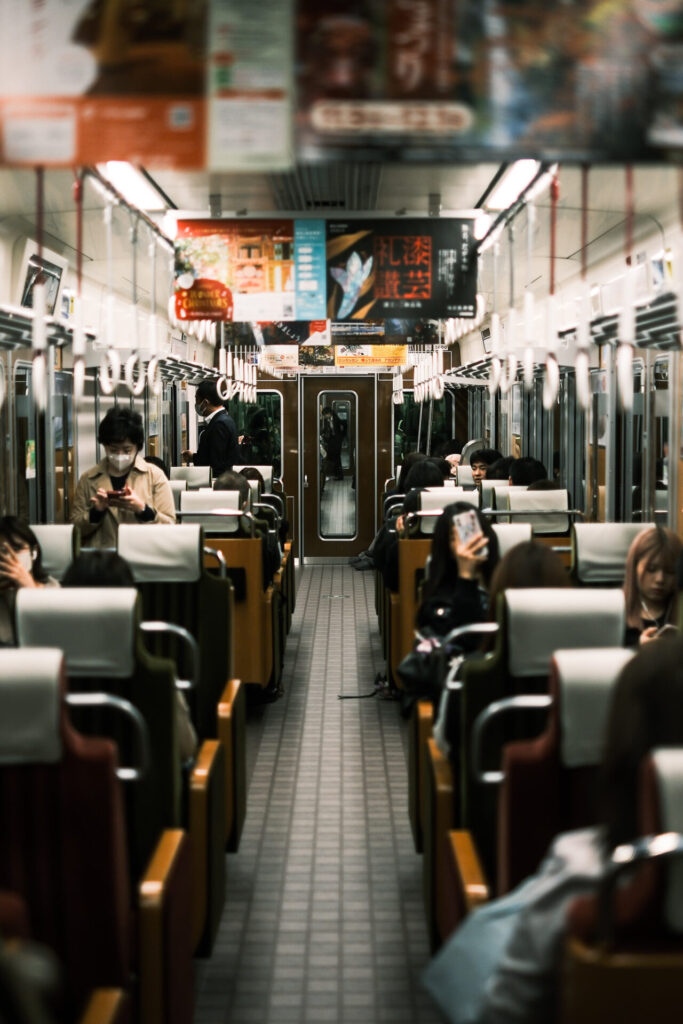
- Train Conductors – There’s something so unique and special about train conductors in Japan, not specifically Kyoto, and I made a point to capture their professionalism whilst on the train itself or on the platform.
- Nidec Kyoto Tower – The 1960’s Kyoto Tower feels ultra modern which is not surprising compared to its surroundings. It can be seen from the mountains surrounding the city though I found the best place to capture it was from Kyoto Station.






Coffee Shops in Kyoto
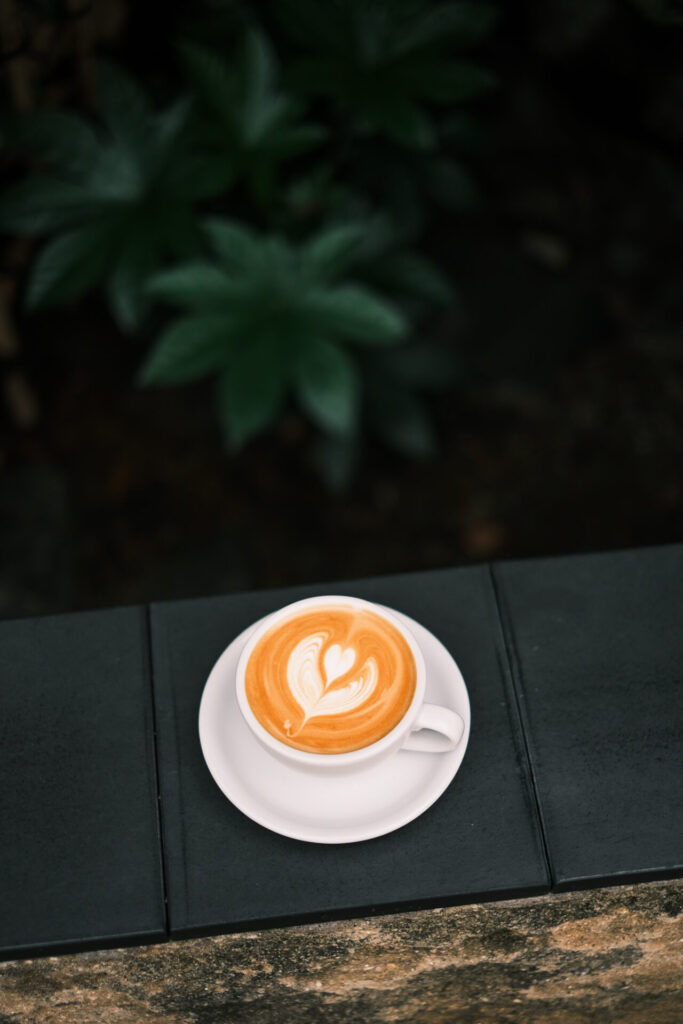
Kyoto is thankfully home to some absolutely fantastic coffee shops; from traditional cafés serving home-roaster beans to those possessing world-famous panoramic riverside views. I didn’t manage to visit all of the coffee shops that I had on my list unfortunately as there has to come a limit to how many I can drag my toddler along to but these would be my recommendations for the best coffee shops in Kyoto:
Weekenders Coffee
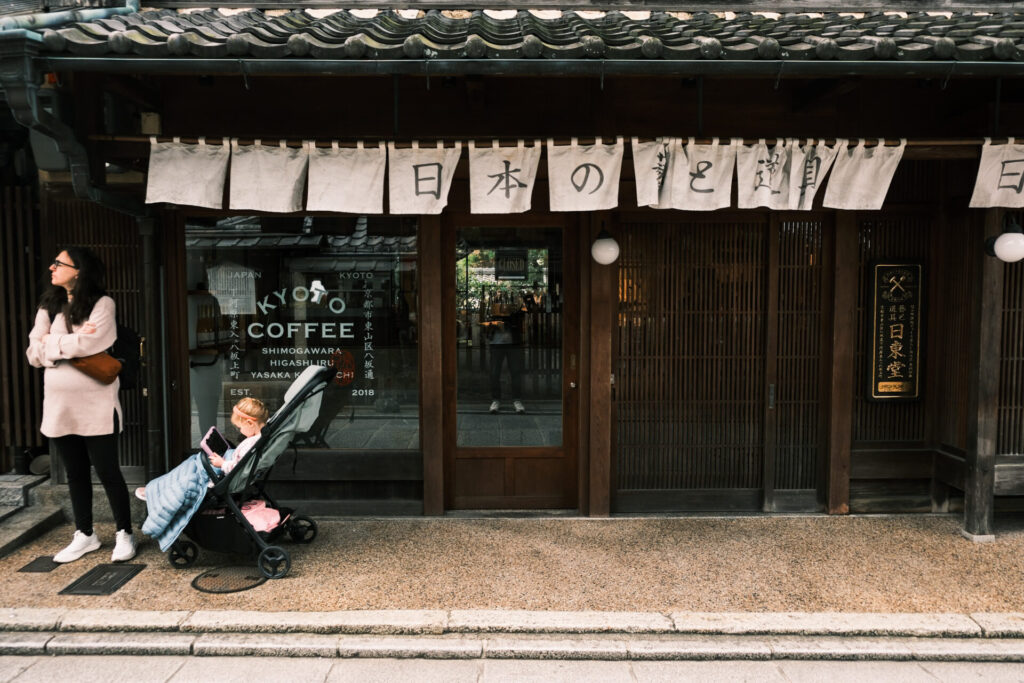
Nittodo Kyoto Cafe
School Bus Coffee
%ARABICA Kyoto Arashiyama
WIFE&HUSBAND
Goodman Roaster
Kurasu Kyoto Stand


Visiting Kyoto With Kids
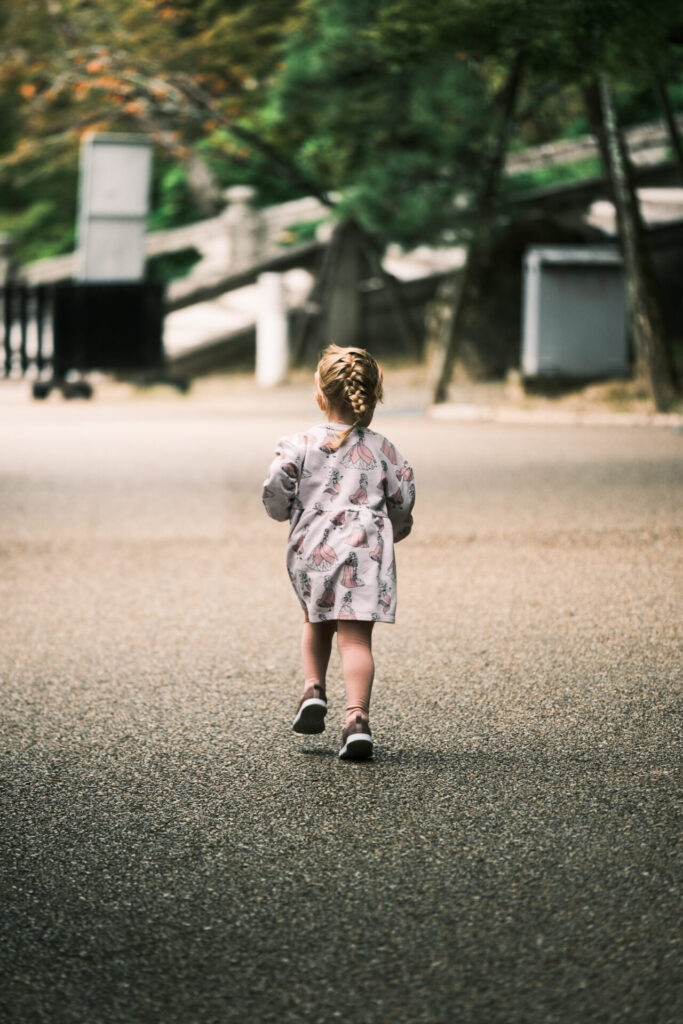
Of the three cities we were exploring in Japan, I was most apprehensive about visiting Kyoto with the little one. At the time, she was two, almost three, so she was well and truly capable of walking long distances but still required the use of a stroller especially when suffering from jet lag having travelled to the other side of the world. I thought that Kyoto would be the least practical place to visit with children and I was probably right; the public transport isn’t as wide reaching as other cities, certainly in terms of the metro network, there are a lot of steep and busy streets where using the stroller wasn’t ideal and the droves of other tourists seemingly couldn’t see we had a child as the stroller must’ve been invisible. However, I was pleasantly surprised overall as the traditional restaurants I was nervous about visiting with children welcomed us with open arms, in particular Katsukura Shijo Higashinotoin (who stayed open late for us and had activities for children), and there were the quieter moments wandering through parks and gardens that Evelyn really enjoyed. Perhaps next time, if there is to be a next time, we won’t queue for an hour for lunch at some viral pancake place we saw on Instagram and we’ll find more kid-friendly activities. My highlights for visiting Kyoto with kids other than the aforementioned main attractions were the Kyoto Railway Museum, the Nintendo Store, the Pokémon Centre and Arashiyama Park.
I think when travelling with children you have to make really difficult decisions when it comes to what you absolutely must-see, non-negotiable if you like, and what you could pass without too much regret. We found that our first attempt at an itinerary was far too ambitious and we actually enjoyed our time in Kyoto more when we didn’t try and visit everywhere, when we slowed down and did things on our own families schedule. Whether that meant we saw as much of Kyoto as others would in the same time doesn’t really matter to me.
Travelling with your family to Japan is an achievement in itself and the memories we have from our two week trip will honestly last us a lifetime. So don’t be nervous about visiting Kyoto, it’s an essential city to see whether you’re travelling with children or not and, as long as you factor in some time for the little ones, you’ll have such a great time.
Where To Stay In Kyoto
We stayed in two different hotels during our time in Kyoto; one right in the heart of the city and perfect for exploring whilst the other was a practical and sensible choice for being close to Kyoto Station and our onward travel to Tokyo.
Hotel Forza Kyoto Shijo Kawaramachi
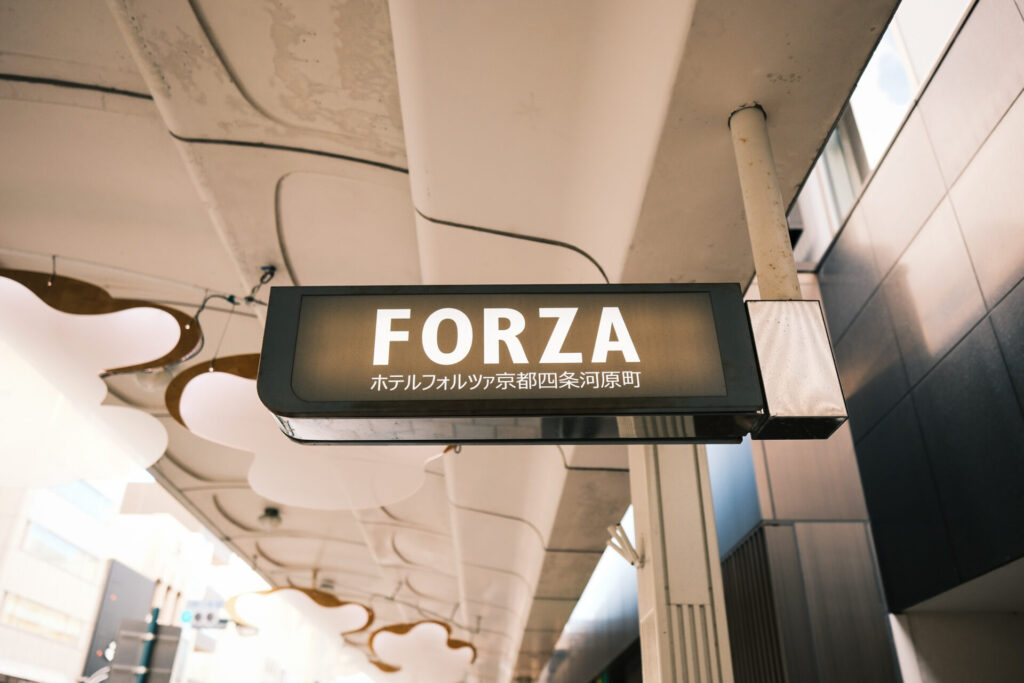
This was our base for the majority of our time in Kyoto and, after much research, it turned out to be even better located than we originally had thought. Hotel Forza is on what feels like the main shopping street through the heart of Kyoto, running east to west, and when you step out of the hotel you’re literally on the street within seconds of shops and restaurants.
The hotel is only a few minutes walk from Nishiki Market, within walking distance of Yasaka Shrine and the Gion District and five minutes or so walk from two key stations that open up the whole of Kyoto. After a day of exploring, we loved being able to nip back for Evelyn’s afternoon nap or just to freshen up before going back out for the evening. It made everything so much easier especially with a toddler.
If you’re looking for a base from which to explore Kyoto, that’s comfortable for families, this could very much be it. I would have no issue whatsoever recommending this hotel as a great place to stay in Kyoto especially for first time visitors.
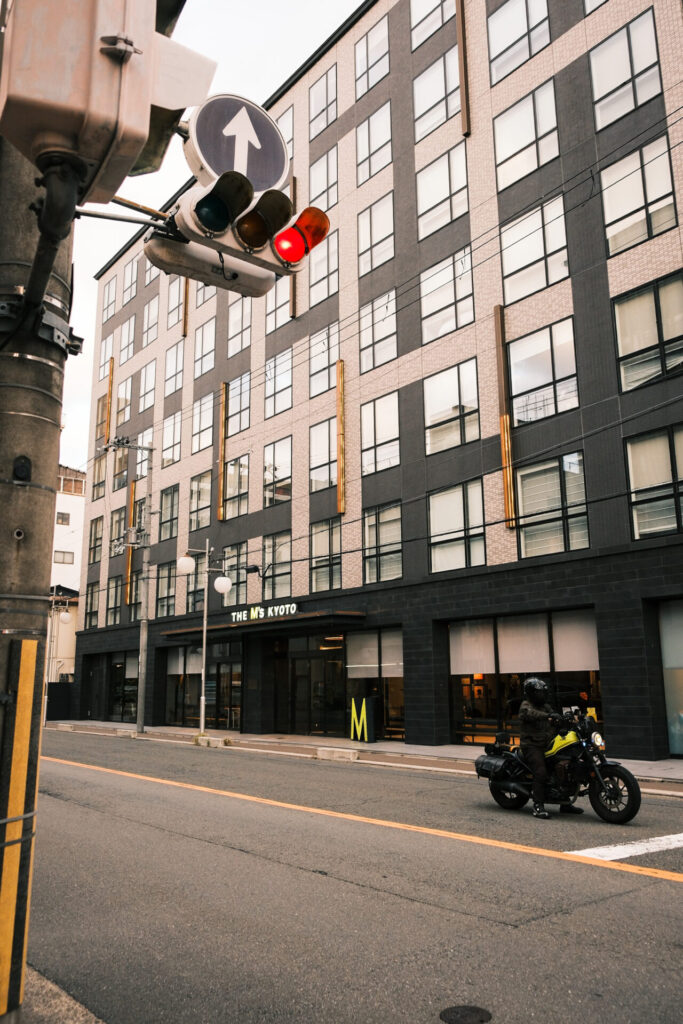
Hotel The M’s Kyoto
We only stayed at Hotel The M’s Kyoto for one night but it was perfectly location within easy reach of Kyoto Station meaning it was super easy to wander across to catch the Shinkansen to Tokyo. The room wasn’t that big, especially considering that its common place to co-sleep with little ones in Japan, but this was a practical decision only. We had a comfortable stay and woke up feeling very refreshed ready to take on the travel to Tokyo.
Continue Exploring


Where Next?


Stay Updated
Some links on this site are affiliate links. If you make a purchase through them, I may earn a small commission at no extra cost to you.