
Trying to choose between 23mm and 35mm for travel photography? In this guide, I compare Fujifilm’s two most popular prime lens focal lengths, exploring their strengths, weaknesses and real-world uses to help you decide which is best if you could only take one lens travelling.
One of the age old questions for Fujifilm shooters, and perhaps anyone with an interest in travel photography, is – if I could only choose one focal length, which should it be? Specifically for us Fujifilm photographers, it’s often a straight shoot out; 23mm vs 35mm. Should you shoot at 23mm (the classic point and shoot, 35mm focal length equivalent) or 35mm (the more natural, true to life, 50mm focal length equivalent. This is something that I have always asked myself and, despite travelling with Fujifilm cameras for almost a decade now, I’m still trying to figure out which is best single focal length for travel photography.
This article will take us through the advantages and disadvantages of each focal length with sample images and come to a conclusion as to which, in my opinion, is the best focal length for travel photography; if you could only choose one. Whether you’re choosing your first Fujifilm lens, deciding between two cameras or simply looking for inspiration to approach your next trip differently, hopefully this Fujifilm 23mm vs 35mm comparison will help.
Let’s go.
Fujifilm 23mm vs 35mm: Which Focal Length Is Best?
23mm For Travel Photography
This is where my Fujifilm journey started all the way back in 2016. After a few years of messing around with a 35mm prime on the Nikon D5000 (and falling in love with that focal length), I thought I’d try something a little different. The reason being that we were about to embark on a trip across Australia and South East Asia and so I wanted something a little more versatile, something that didn’t require me to choose which parts of a scene I would miss out on. My first lens for the Fujifilm X-T2 was therefore the Fujifilm 23mm f/2; a small, pretty fast to focus prime.
You can read my full review of that lens here.
In the last decade, the Fujifilm 23mm f/1.4, Fujifilm X100F and now the Fujifilm X100VI have all been a key part of my camera bag. There’s a reason why 23mm has become one of the most popular focal lengths for Fujifilm photographers.
So, let’s talk about what you get with a 23mm lens.
This focal length, on the Fujifilm crop sensors, equates to 35mm in full frame which is essentially the ‘standard’ point and shoot look. All of my childhood memories were captured on film at 35mm. I’d probably describe it as the goldilocks of focal lengths; not too wide, not too close, just right. The 23mm focal length will allow you to get everything you want in a scene whether you’re in the tight streets of a European city, on a family holiday, grabbing a coffee or taking in a sweeping landscape. I would say that there isn’t much that the 23mm focal length can’t handle and arguably the biggest advantage to using such a lens is its versatility.
With all that said, in my opinion, the 23mm focal length isn’t quite perfect. Don’t expect anything too immersive unless you’re really close to the action, things can get lost really quickly. You lose that sweet spot of 35mm to 56mm (50mm to 85mm on full-frame) which is ideal for subject separation, details and portraits – all of which I love to include within my travel photography.
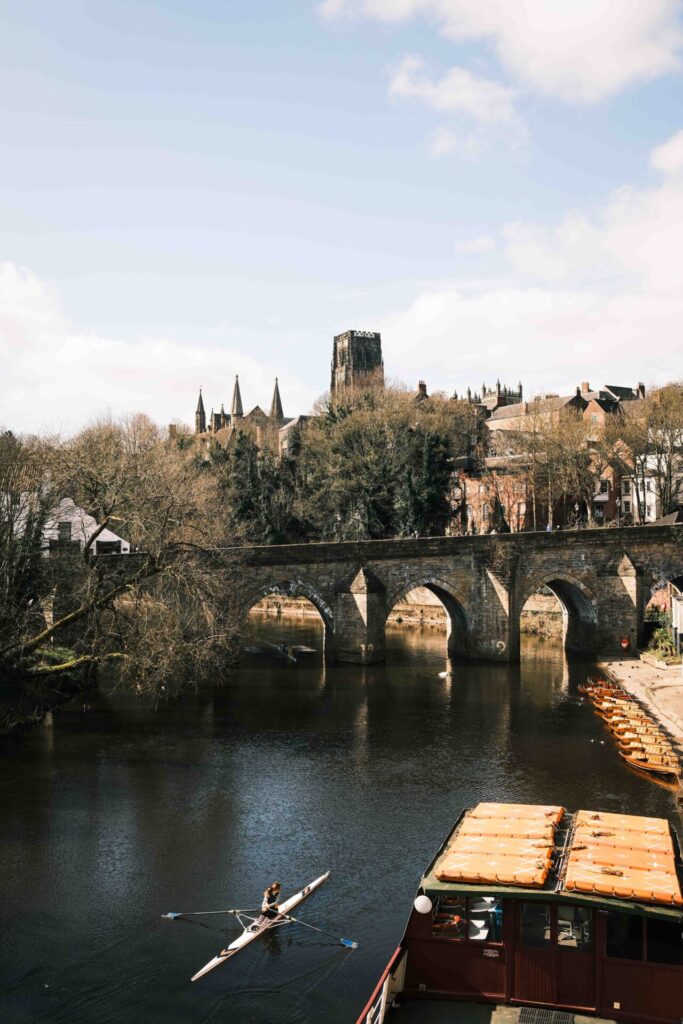
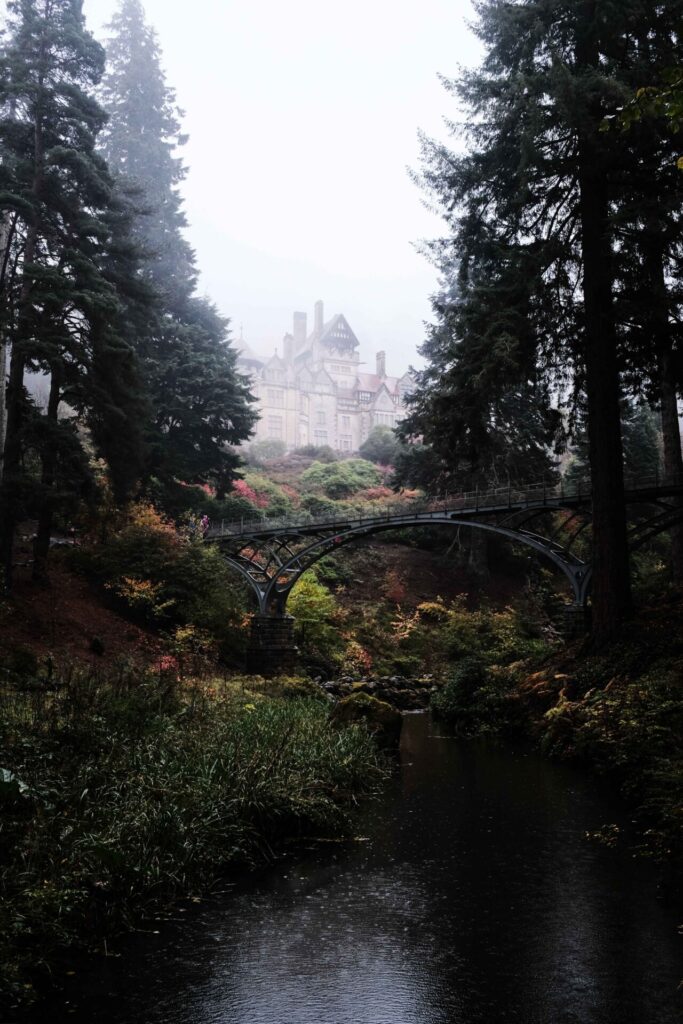
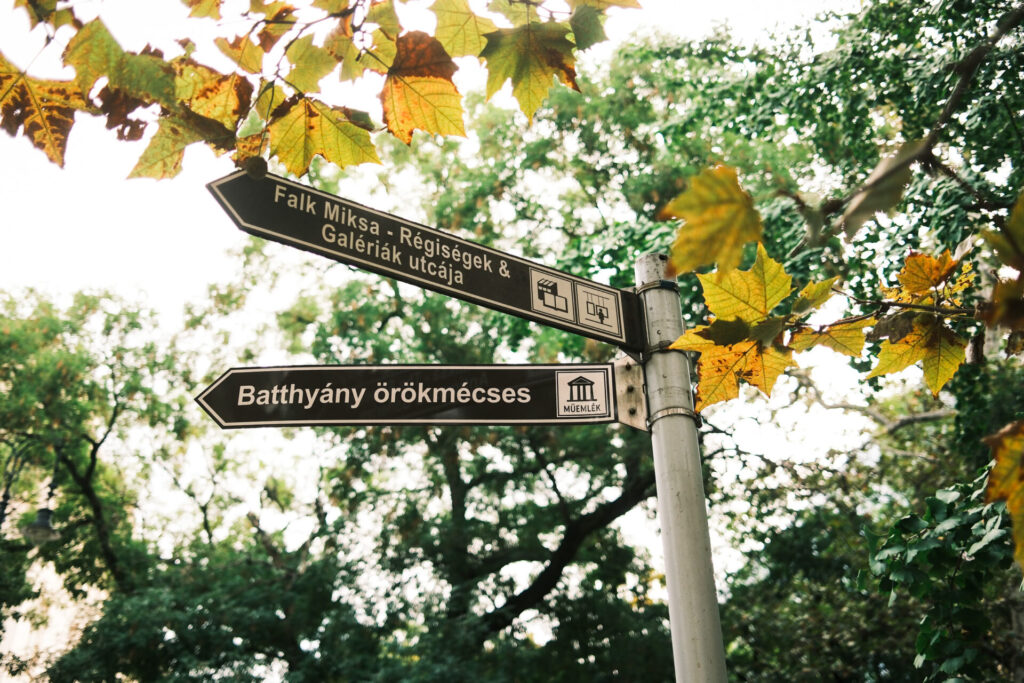
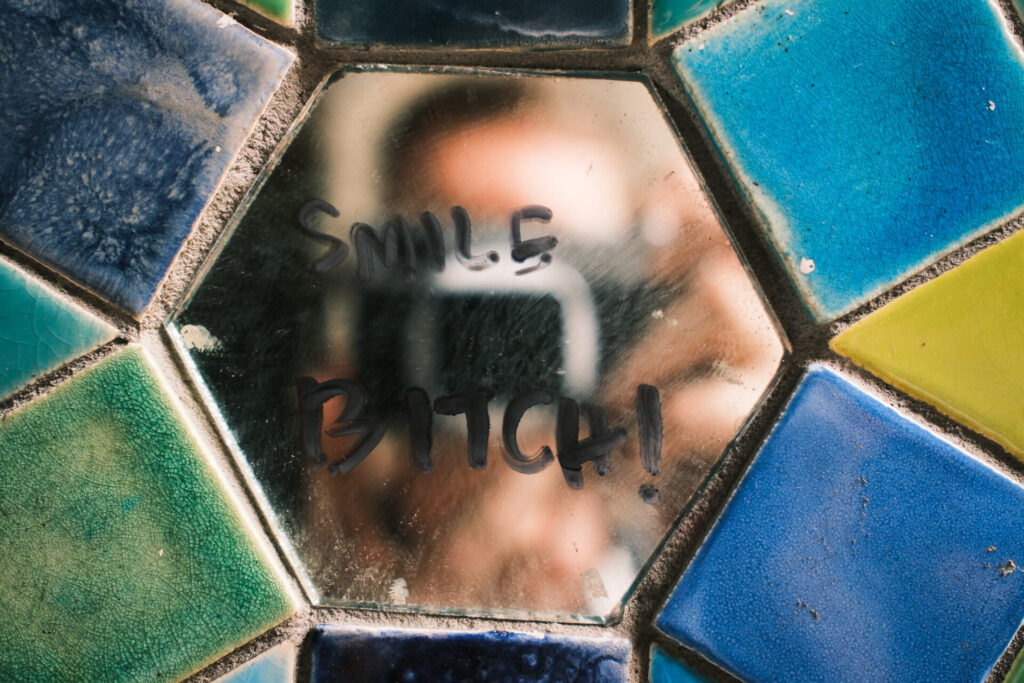
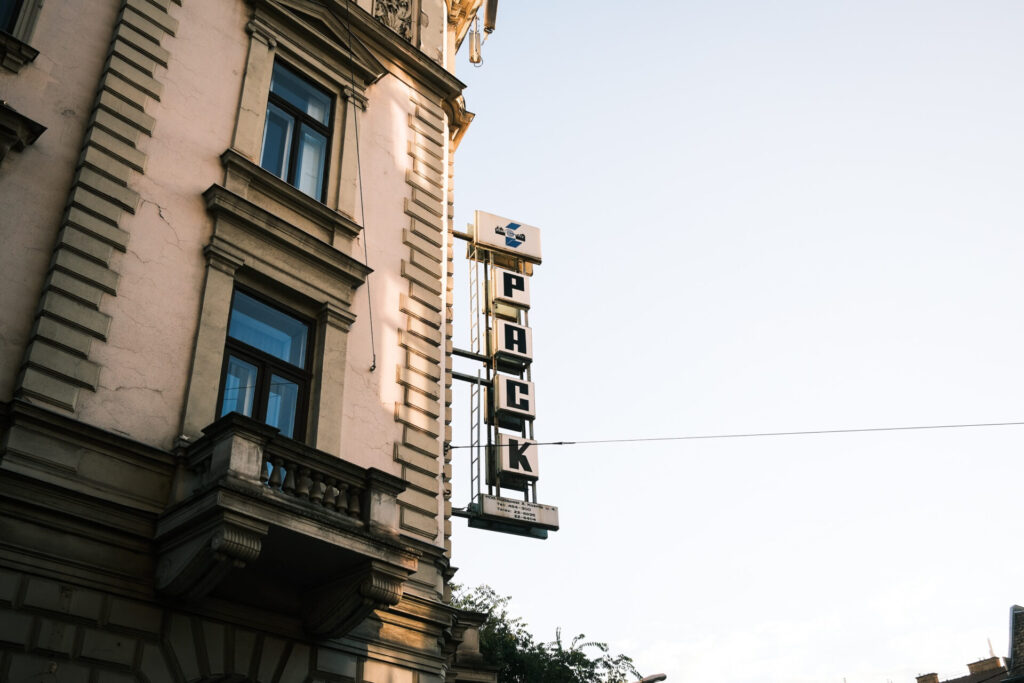
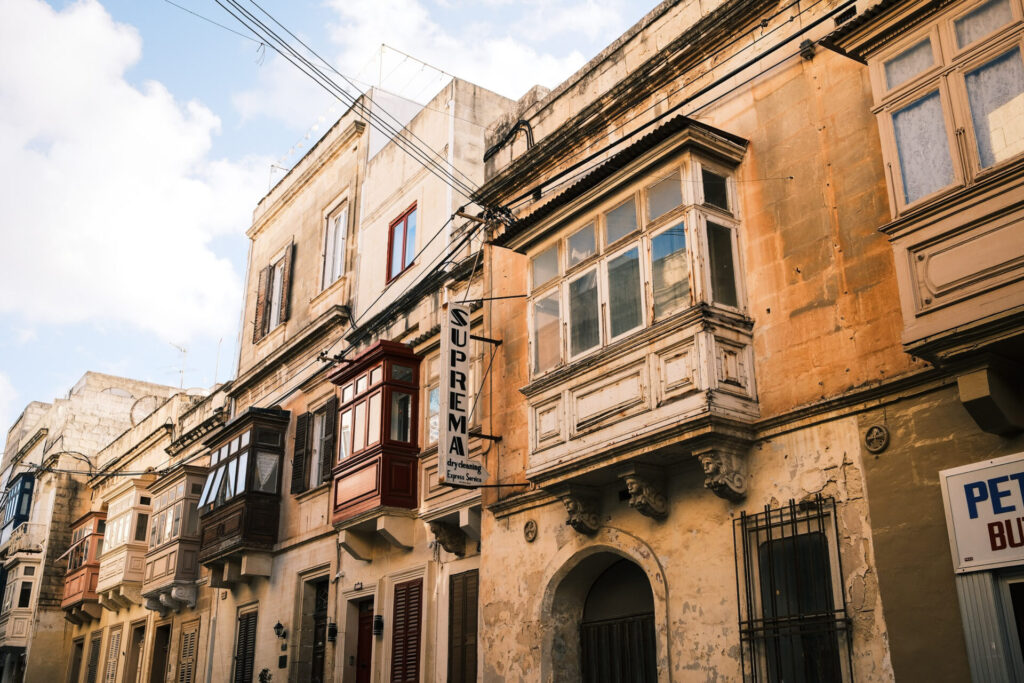
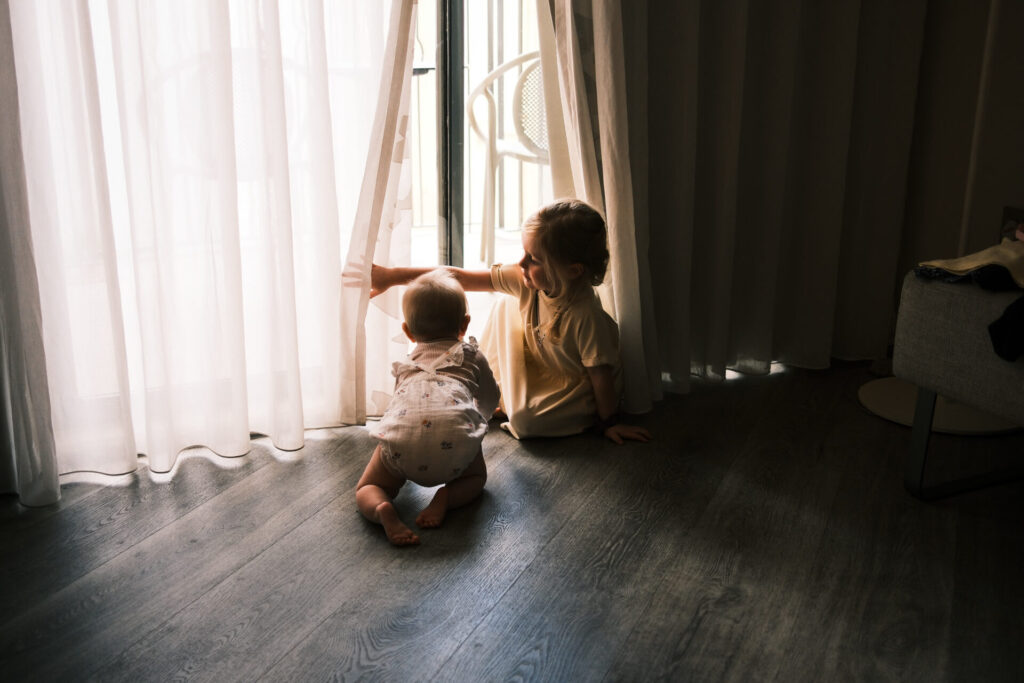
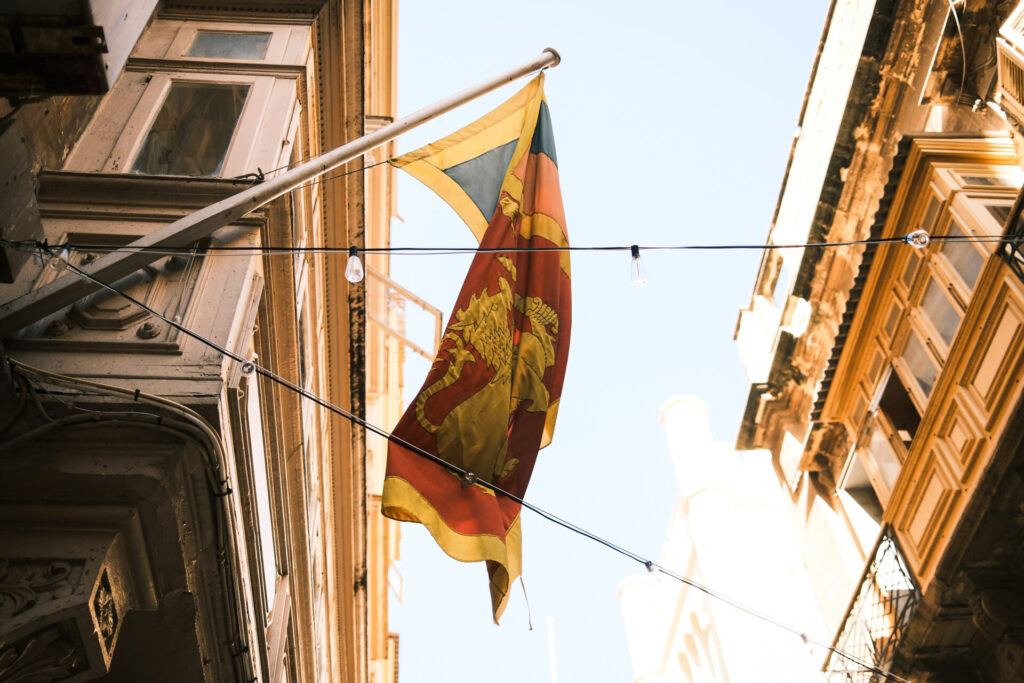
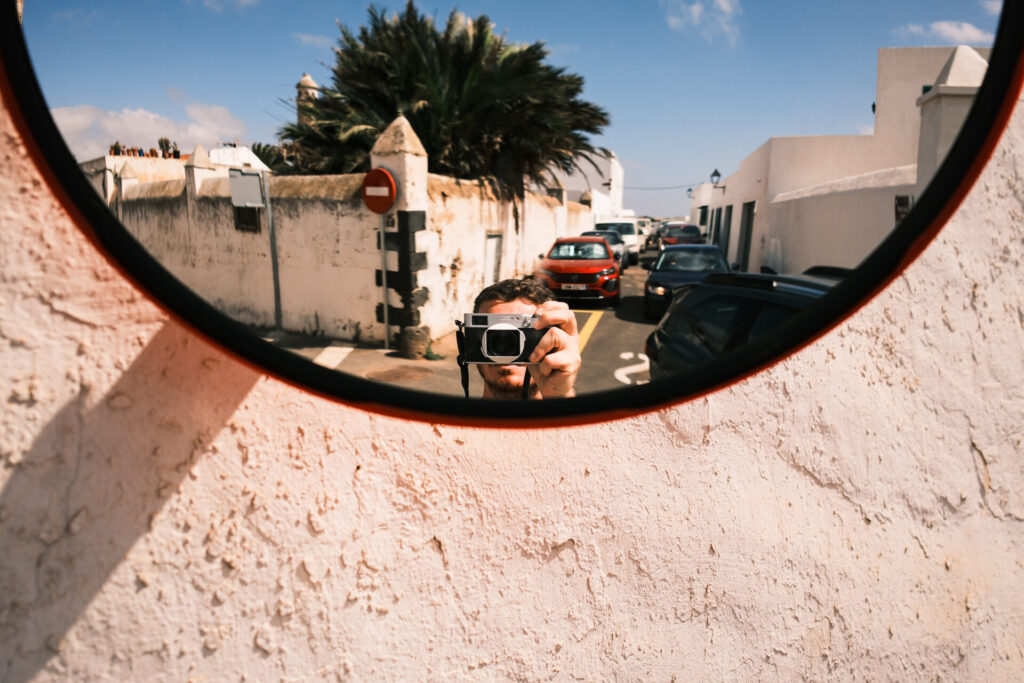
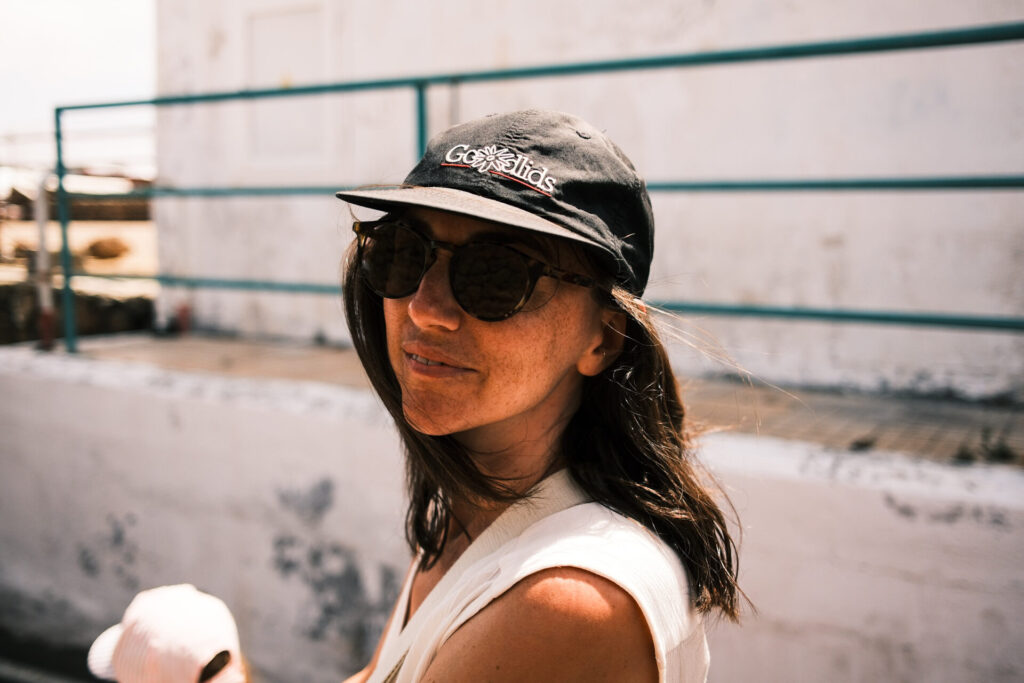
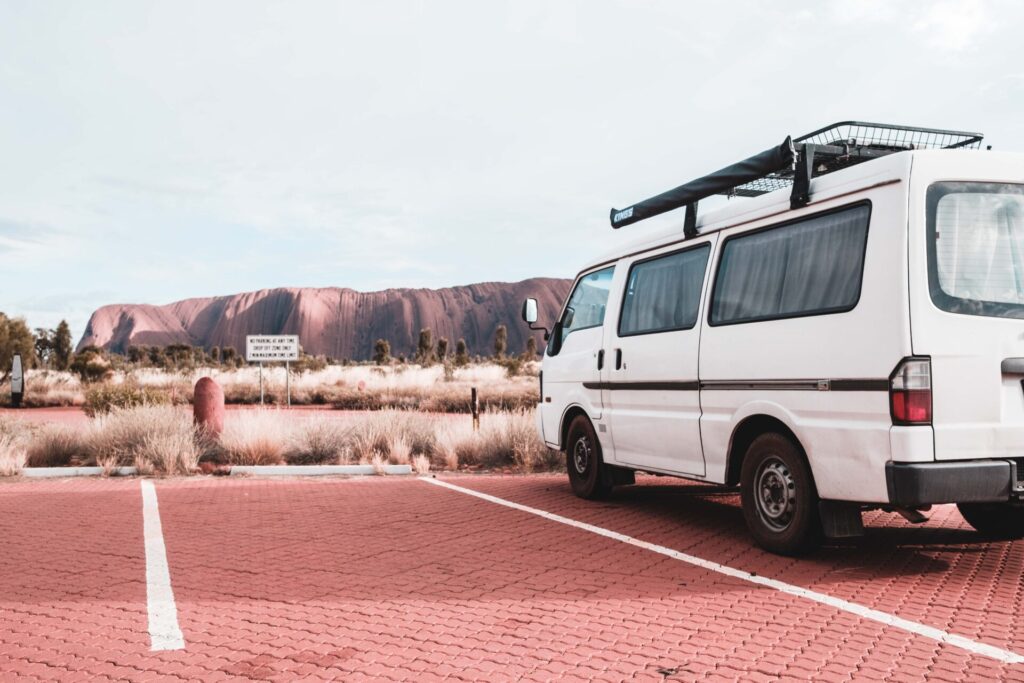
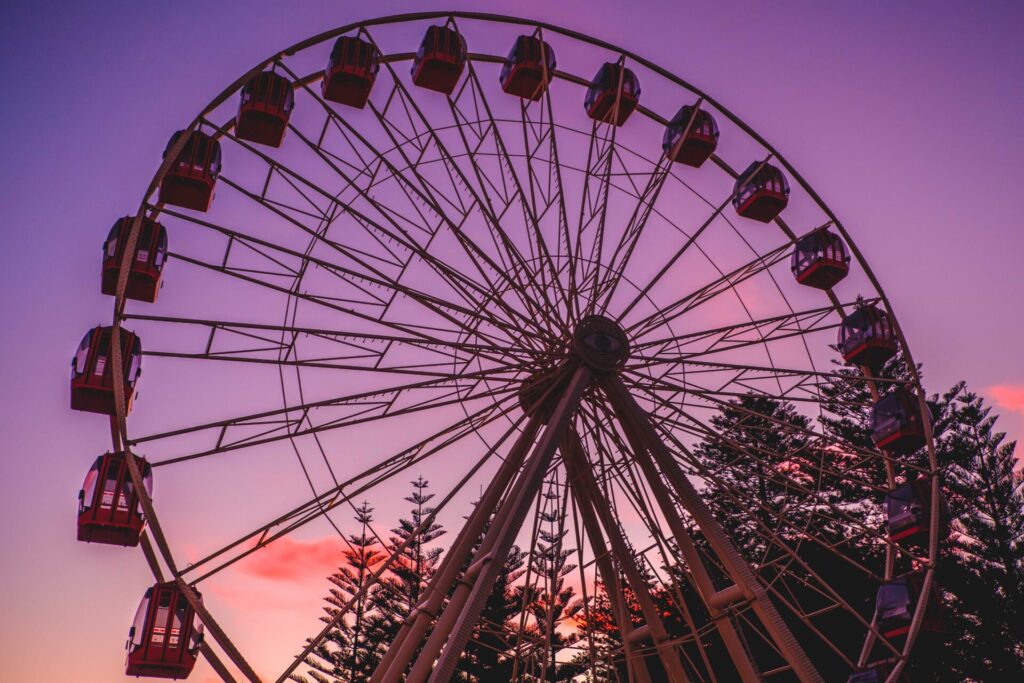
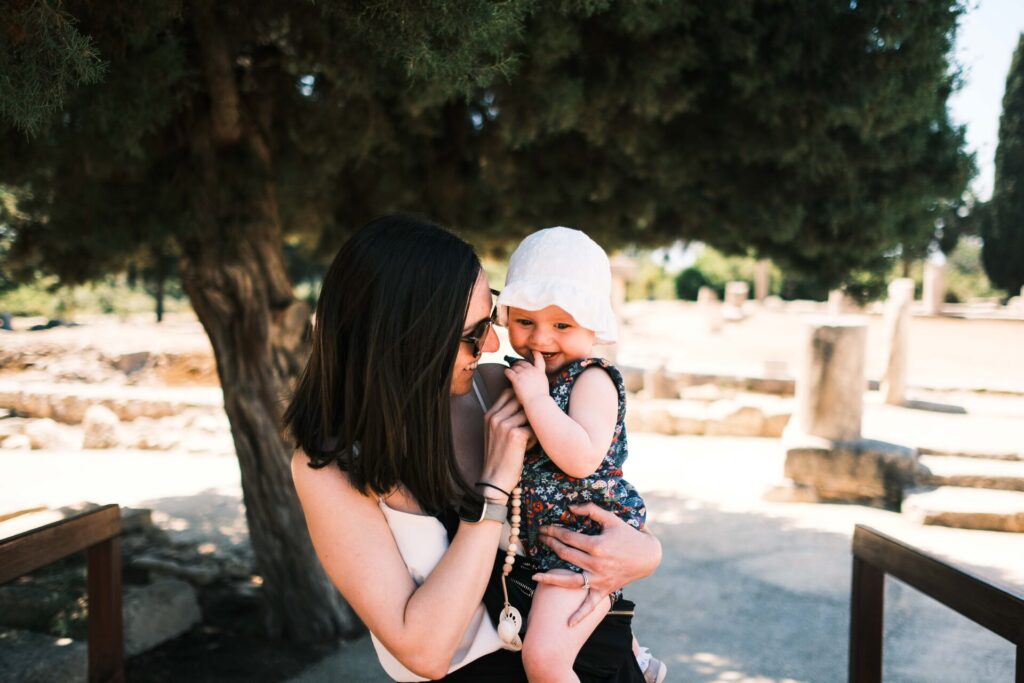
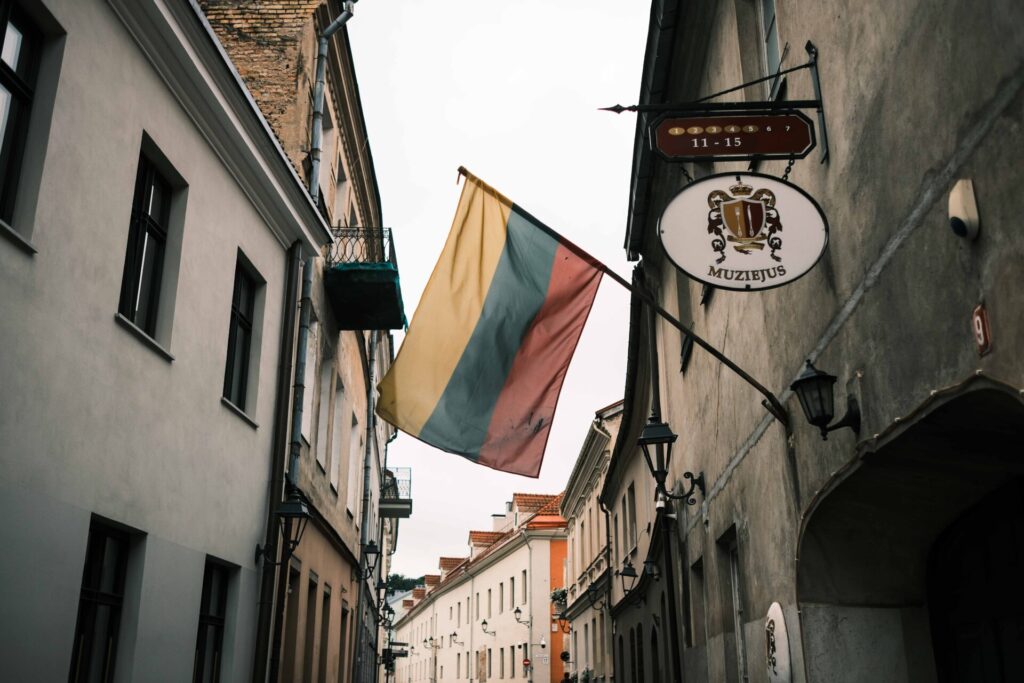
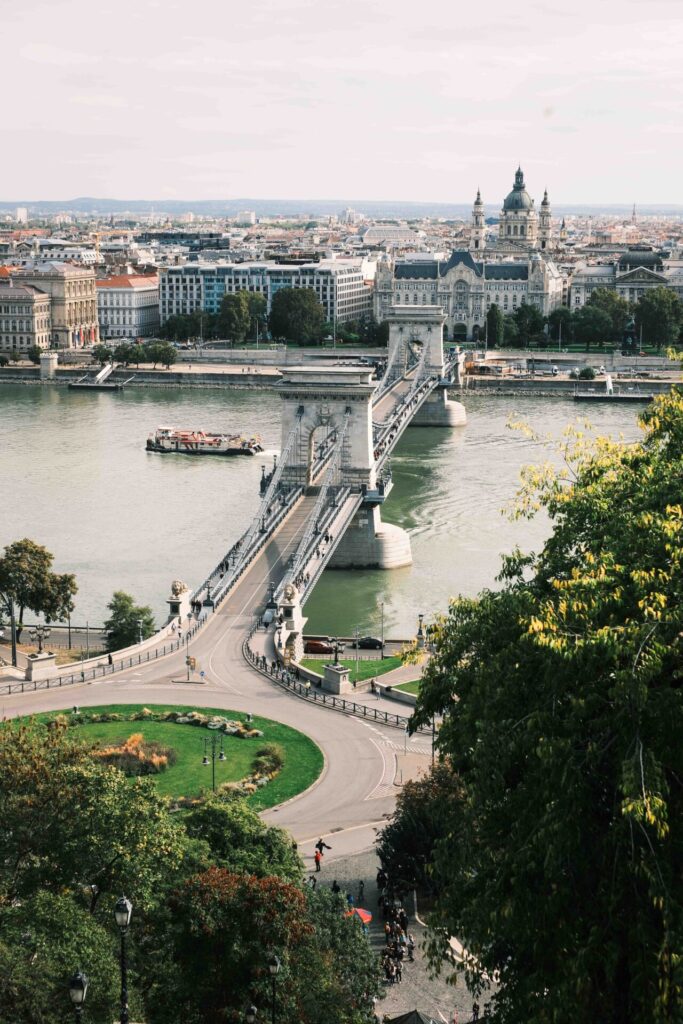
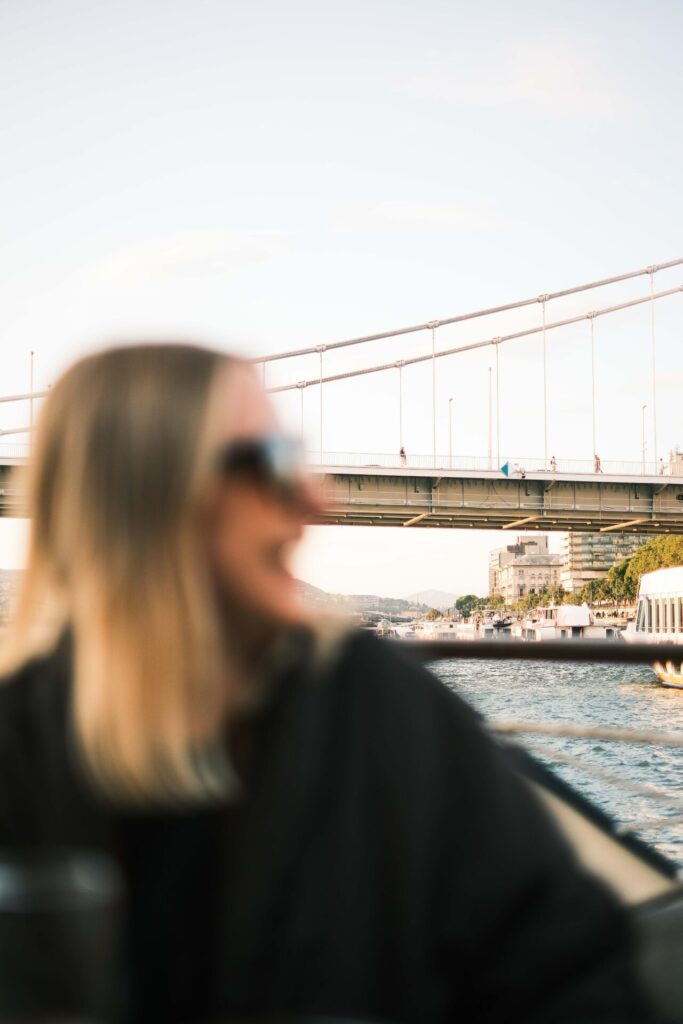
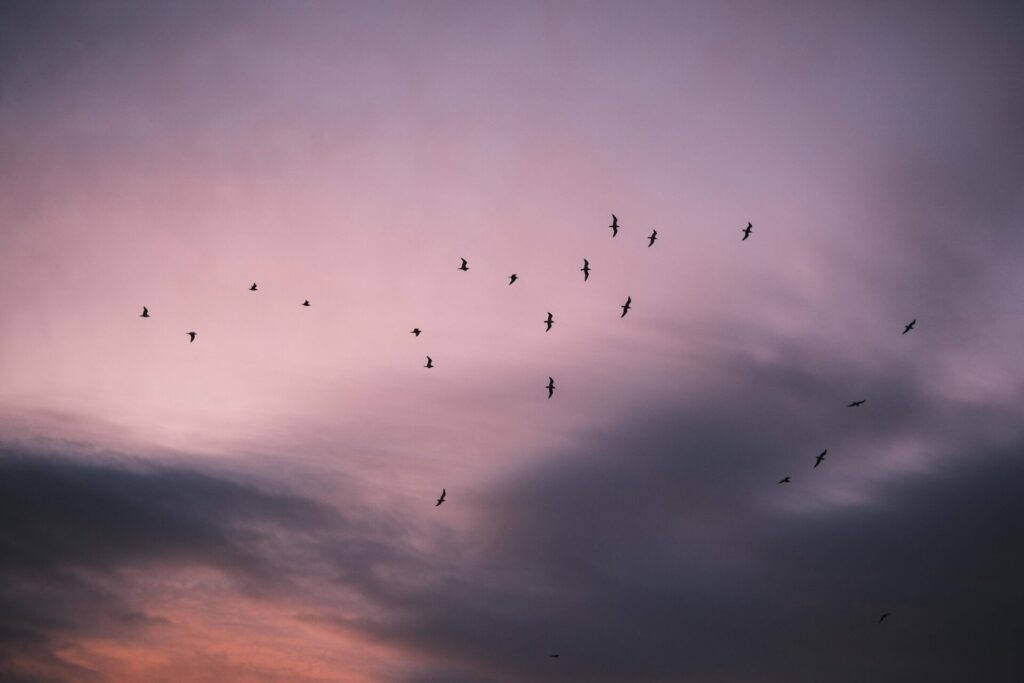
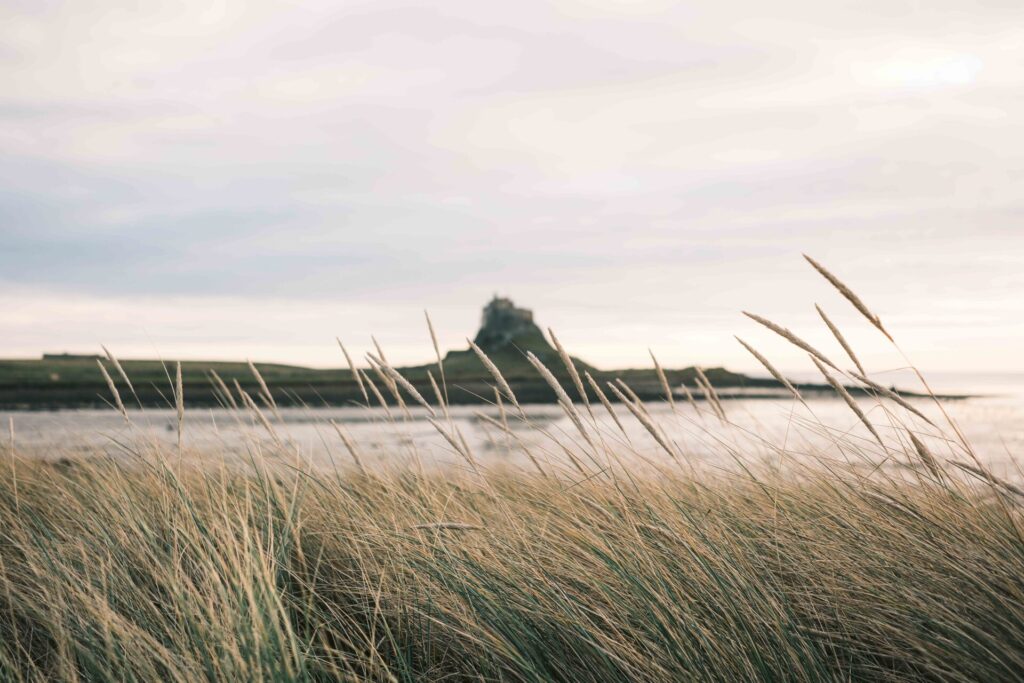
The images below are from the last decade across so many different stages of my life; travelling in my late 20’s, settling in Durham, Covid, becoming a dad and getting back to exploring so many different countries. Expect a wide range of quality and editing styles – from 2018 onwards I have been shooting JPEG with Fujifilm recipes but, until 2022, I regularly mixed it up before settling on my Summer Negative recipe as my go-to. Hopefully these images demonstrate how versatile 23mm can be especially for travel photography where you’ll be wanting to capture your environment, the architecture, portraits, details and more.

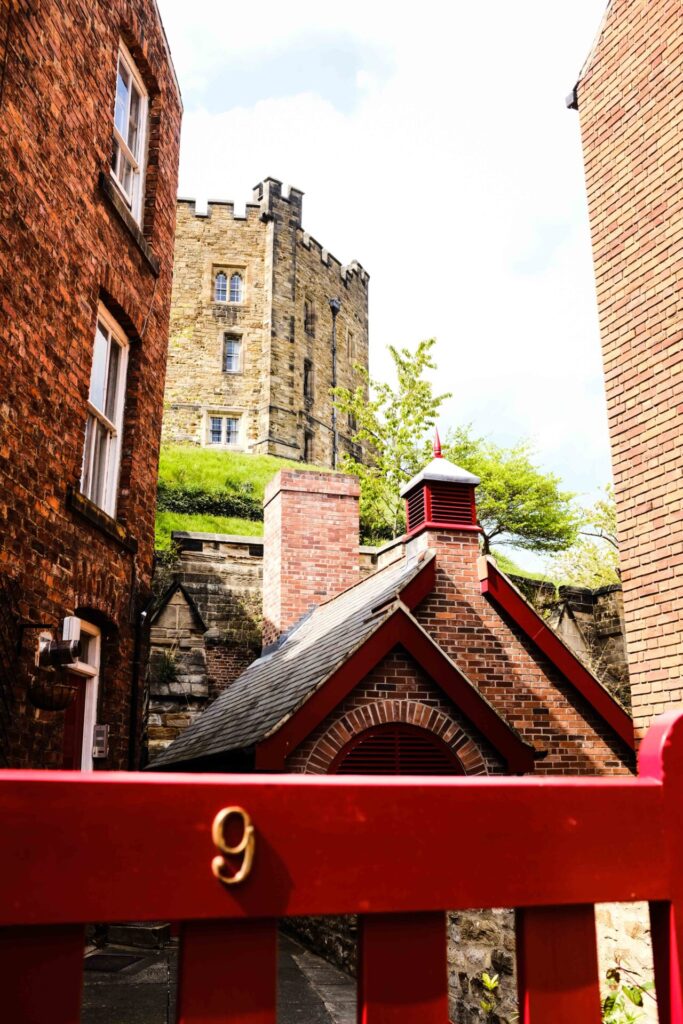
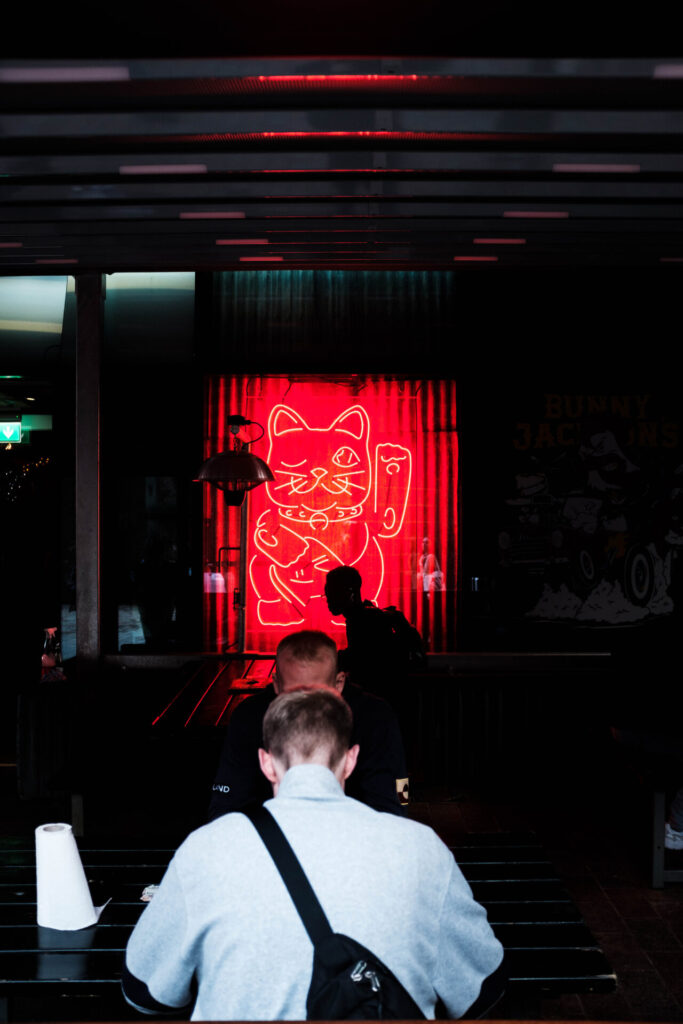
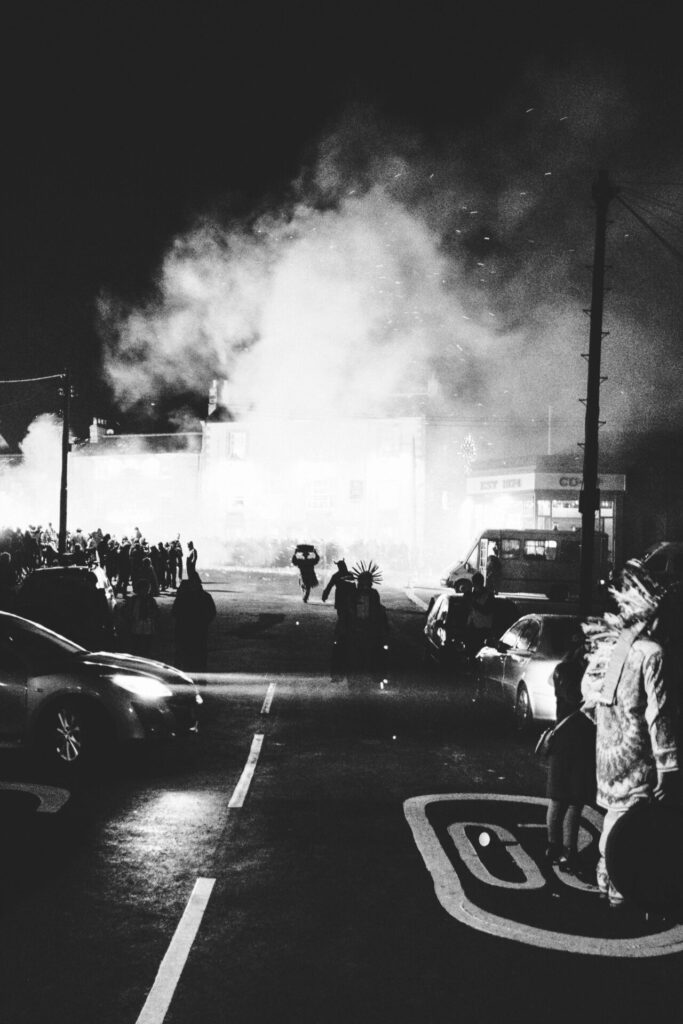
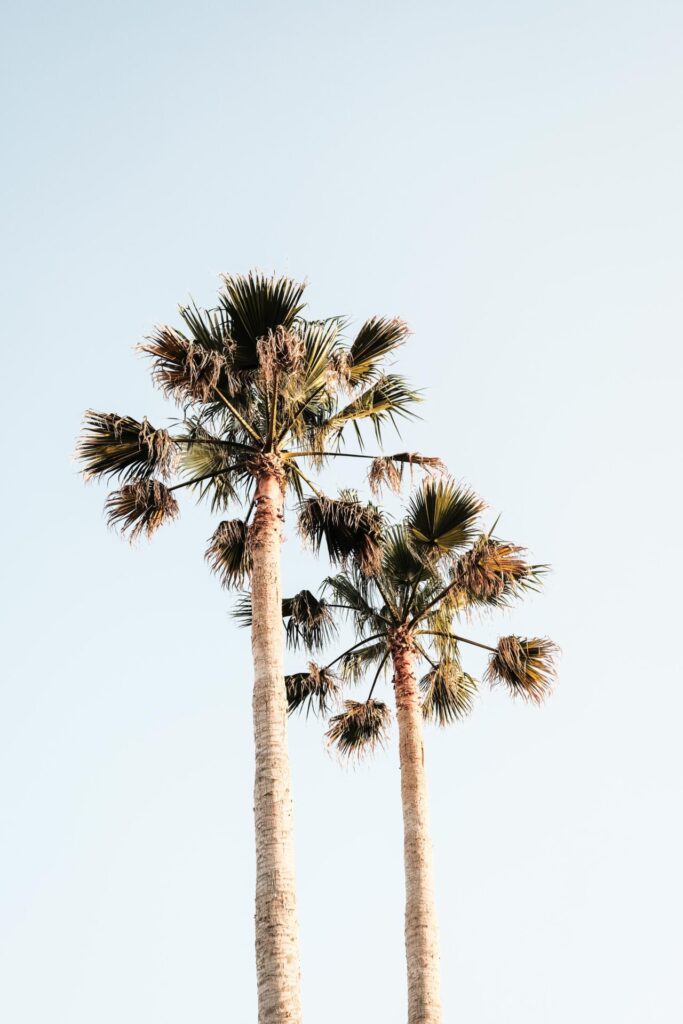
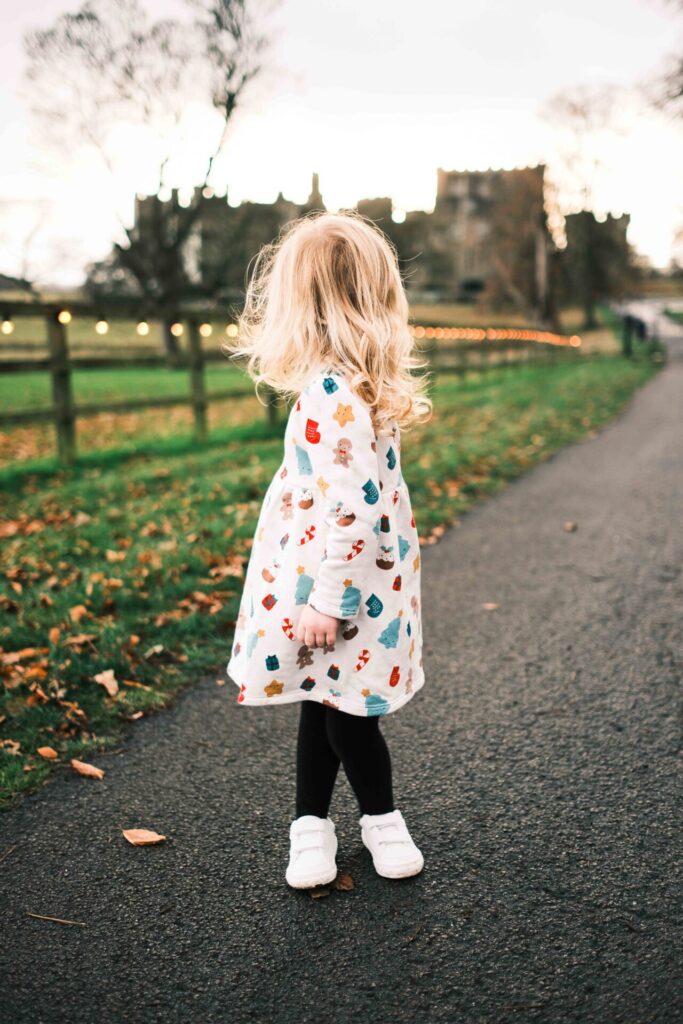
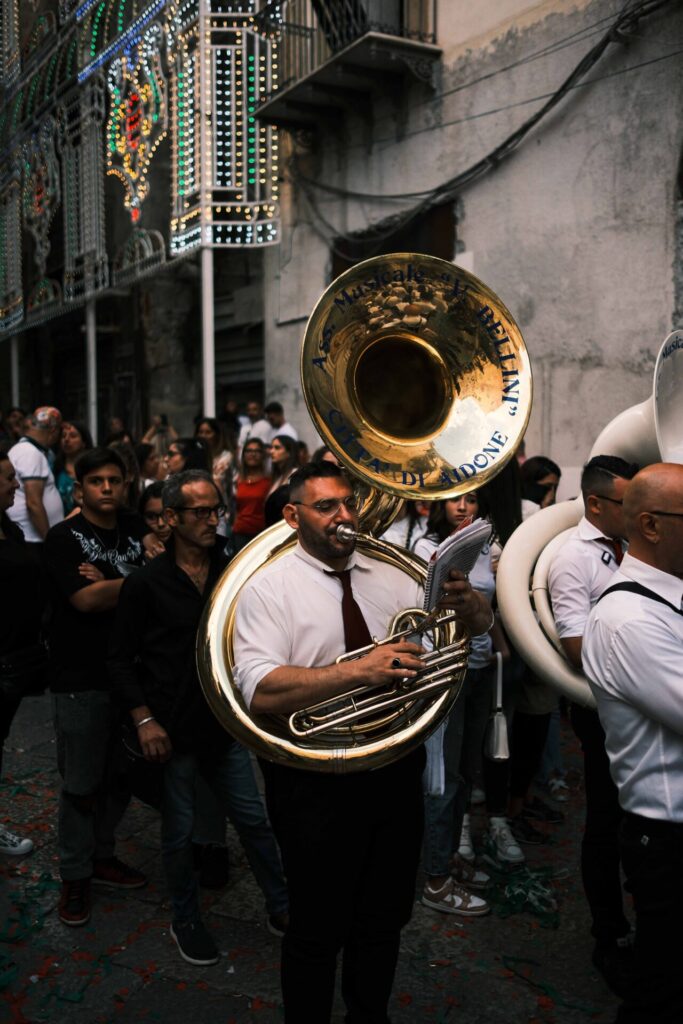

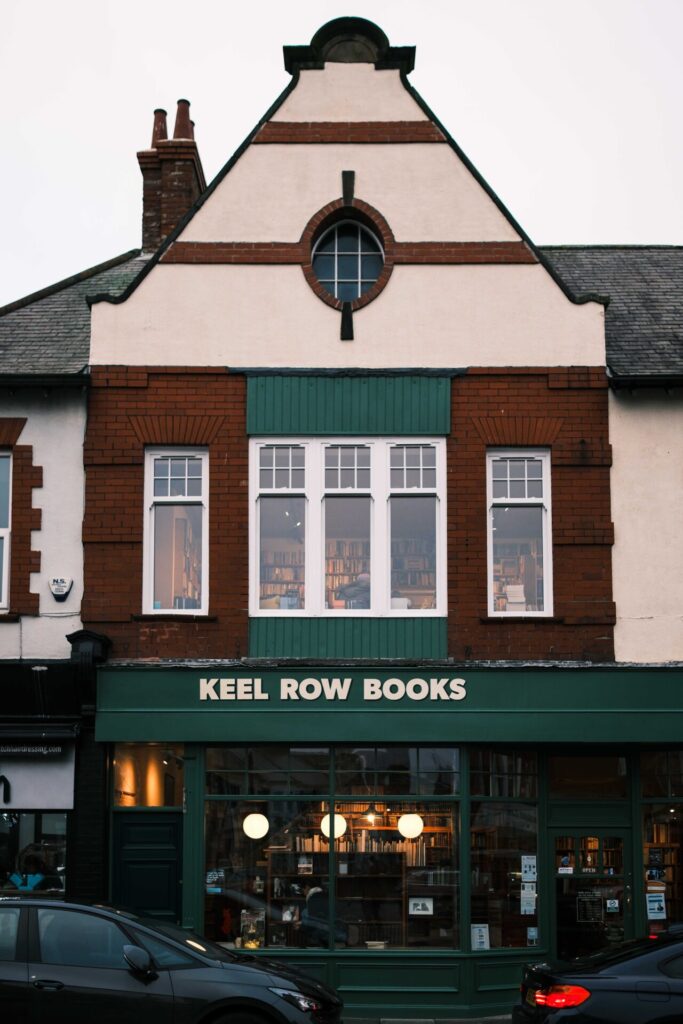
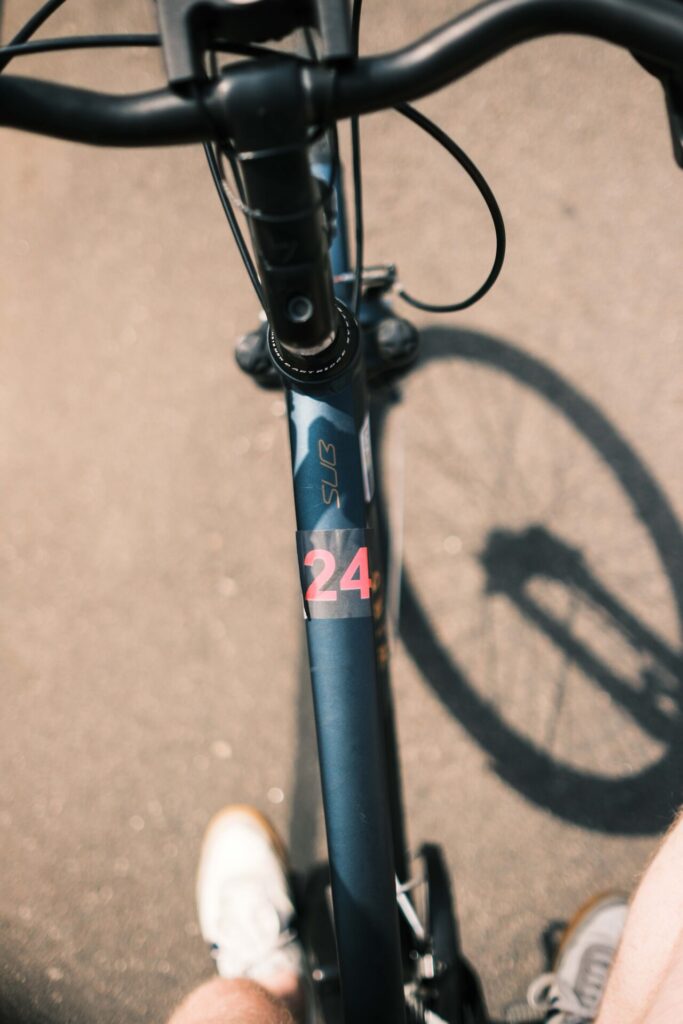

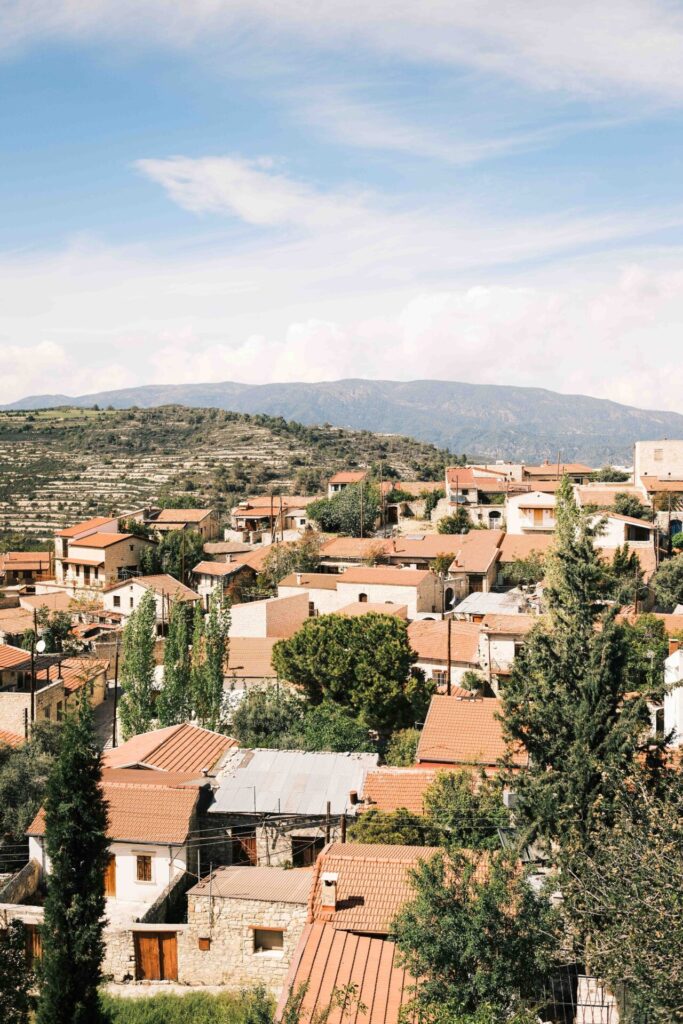
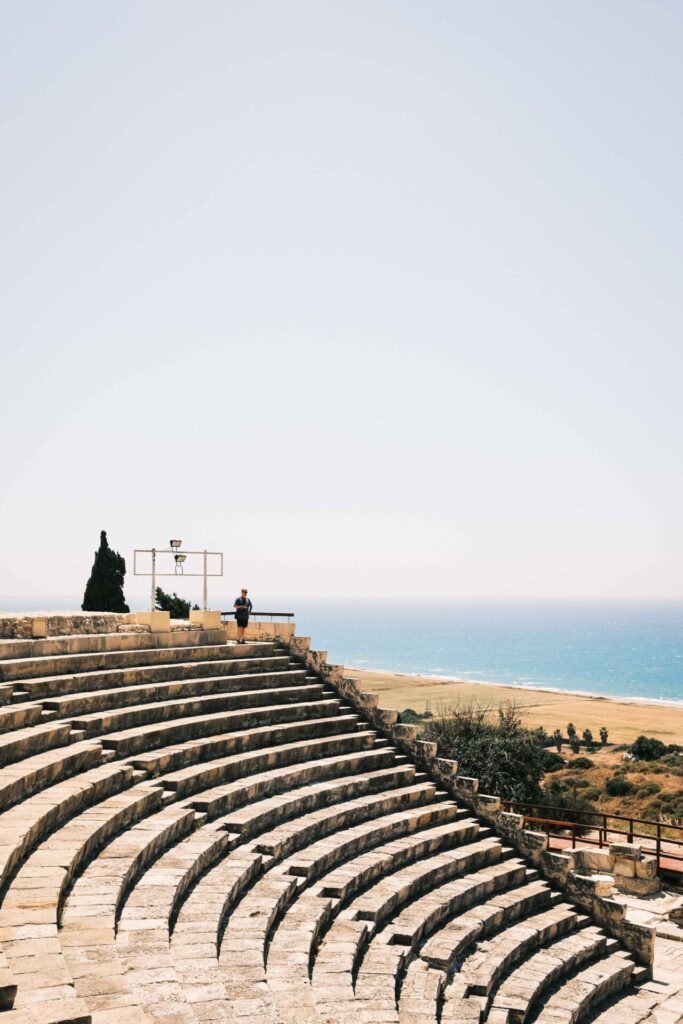

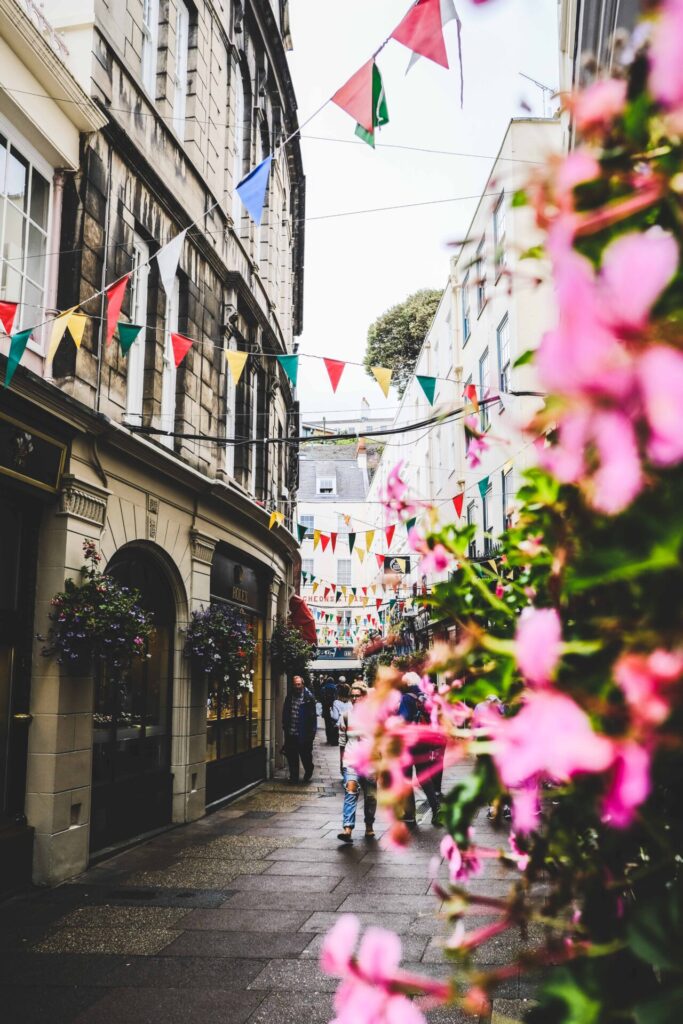
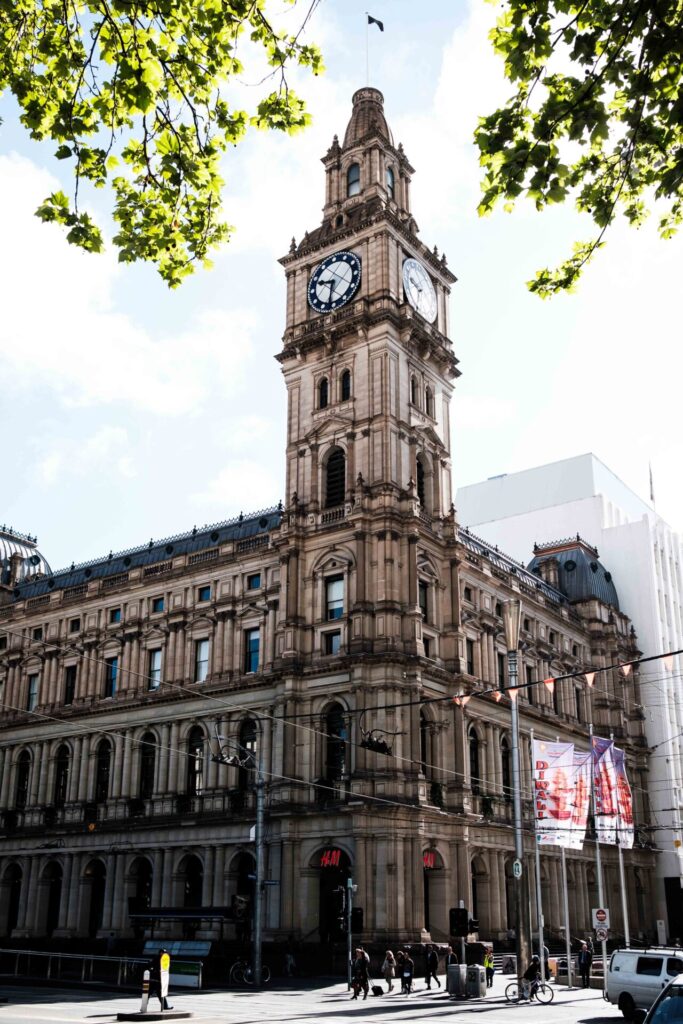
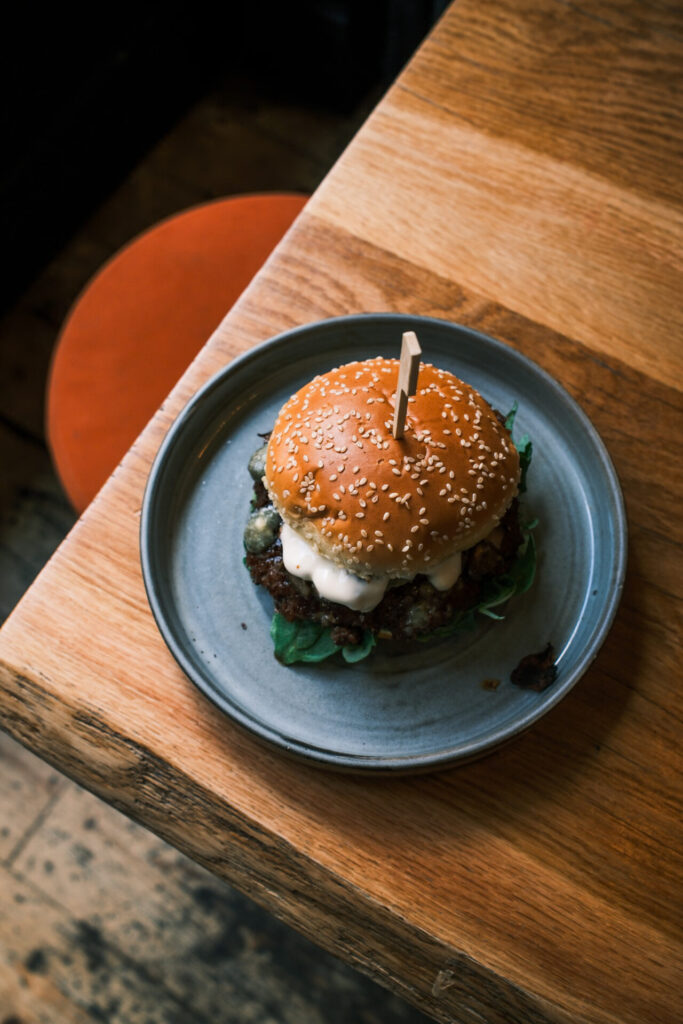
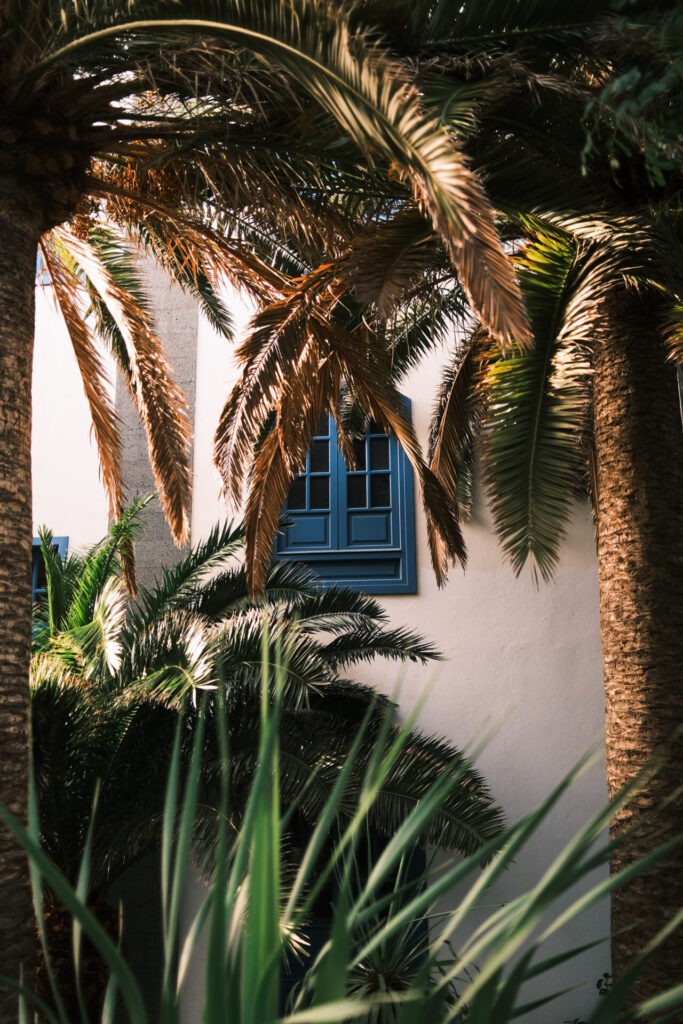
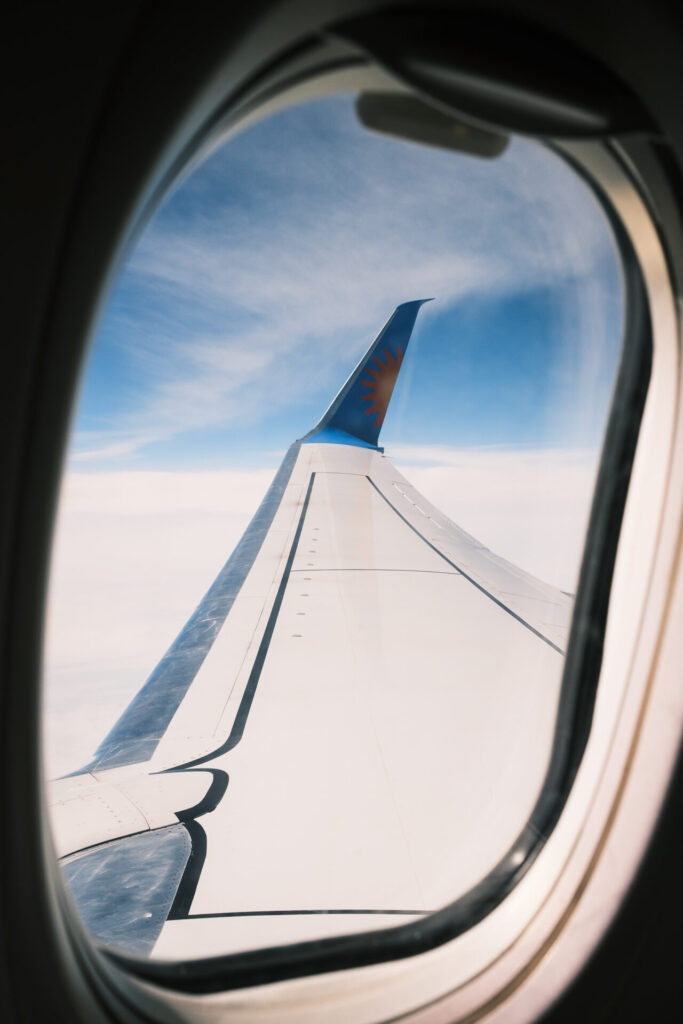

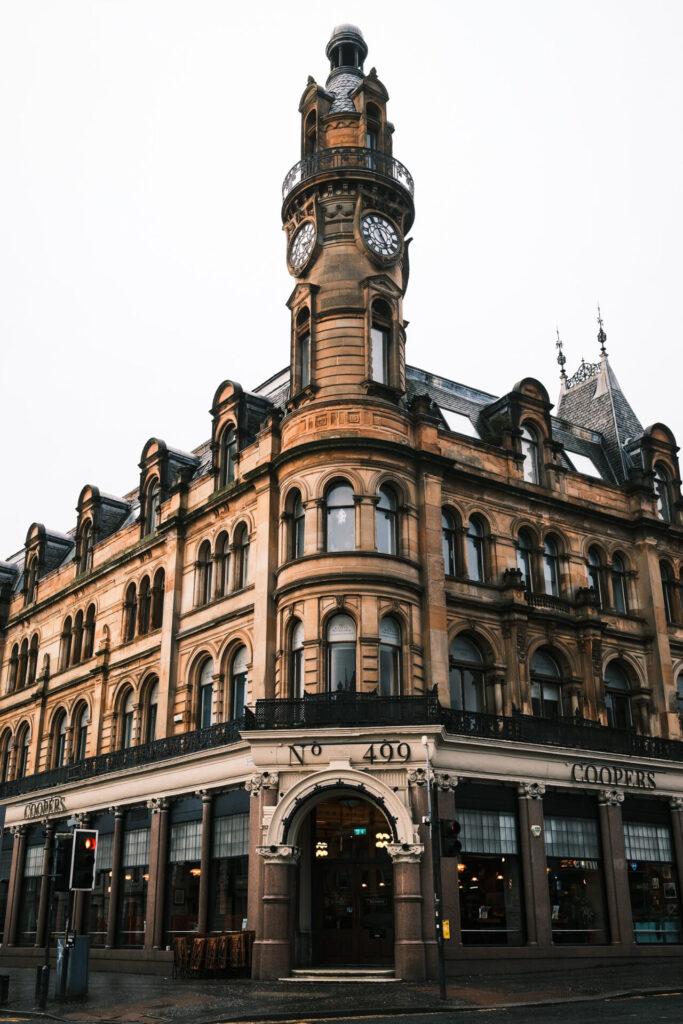
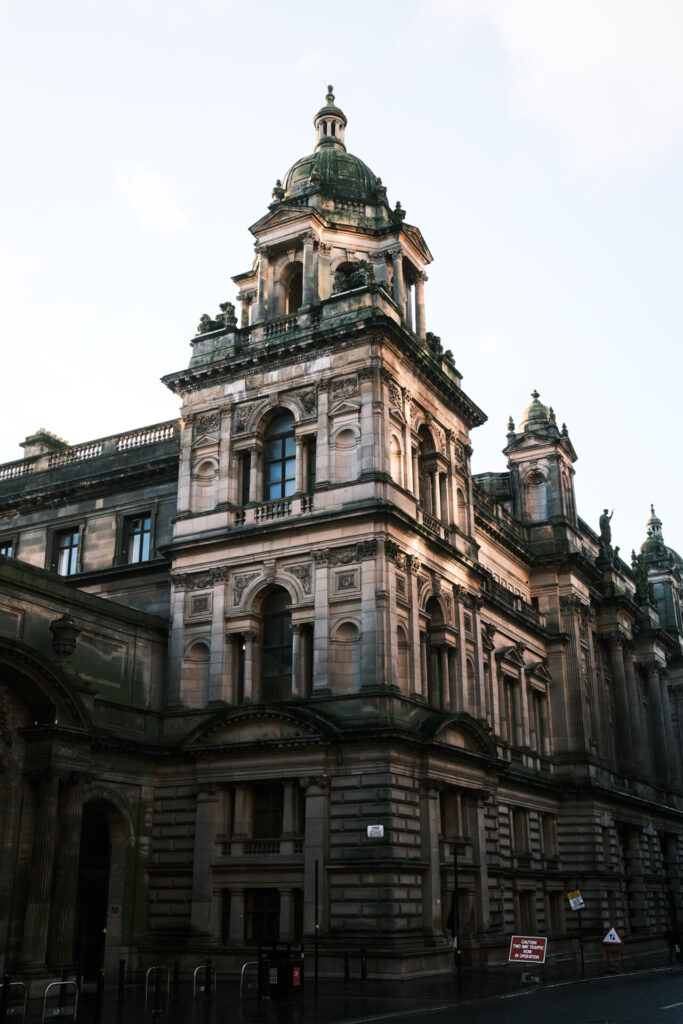
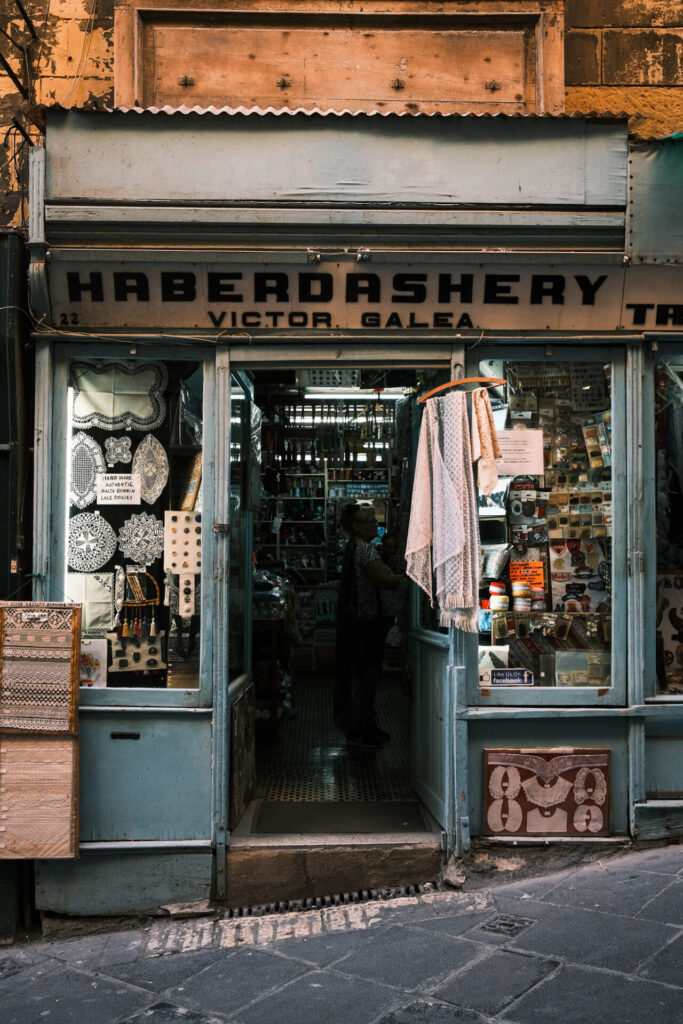
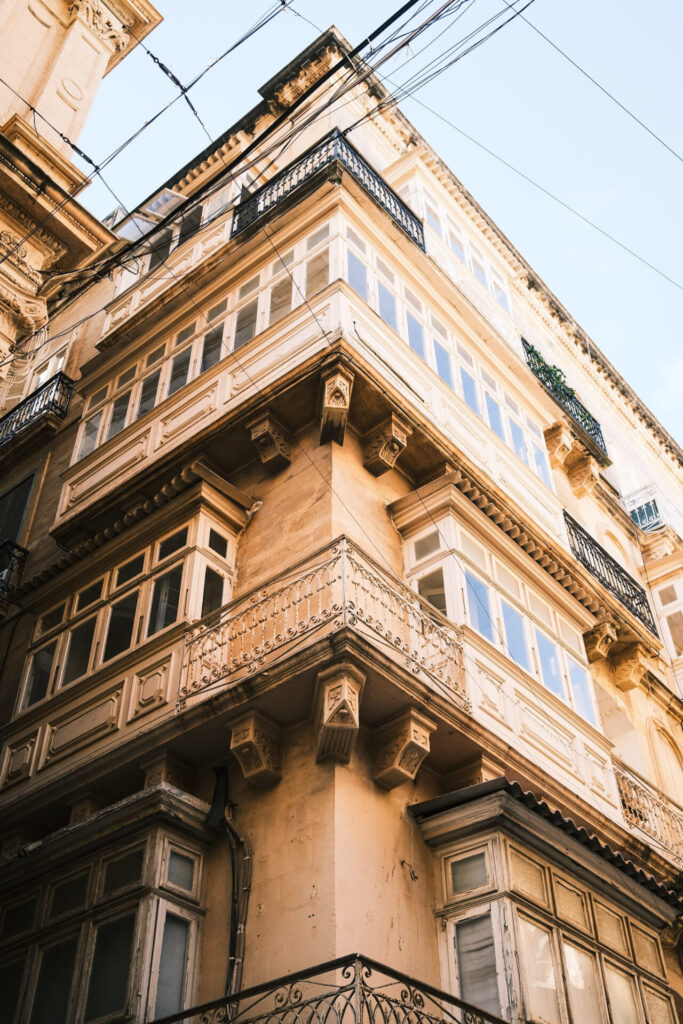
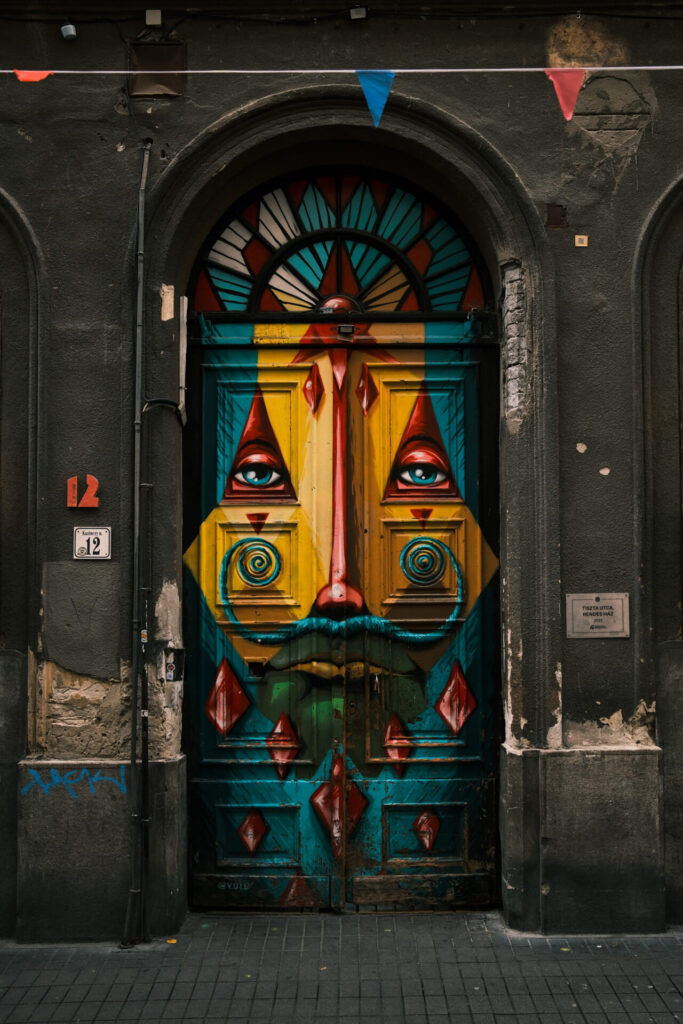
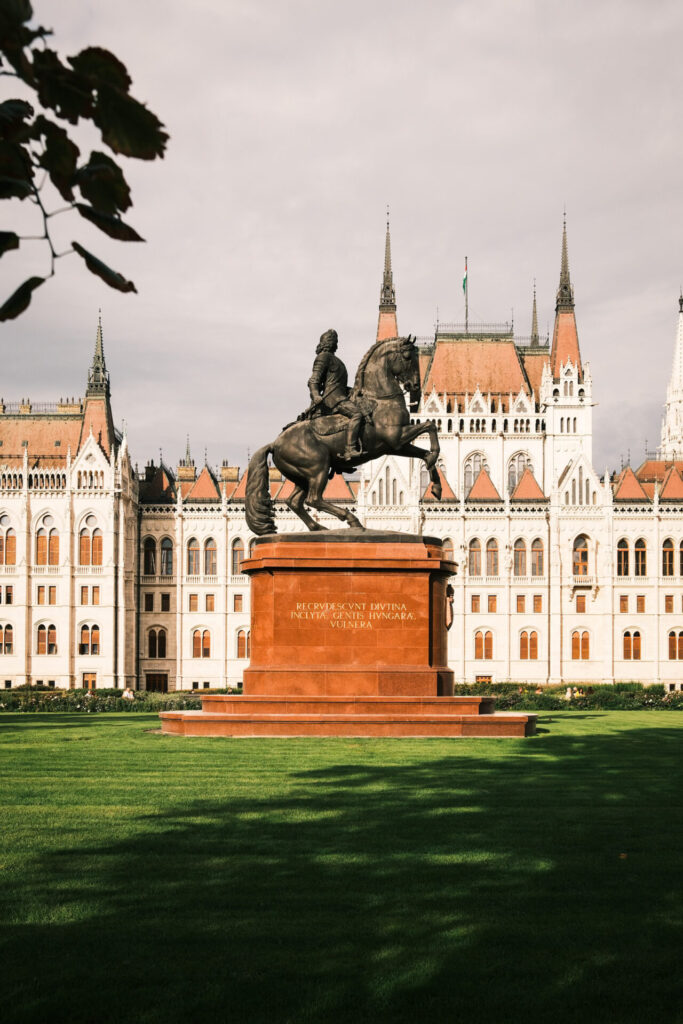
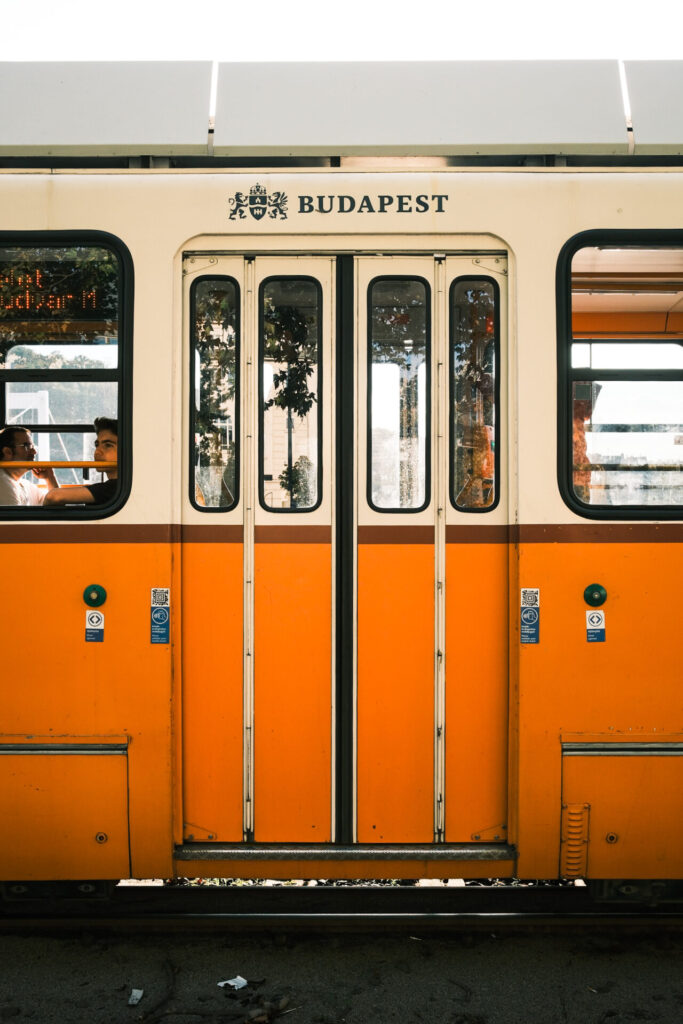

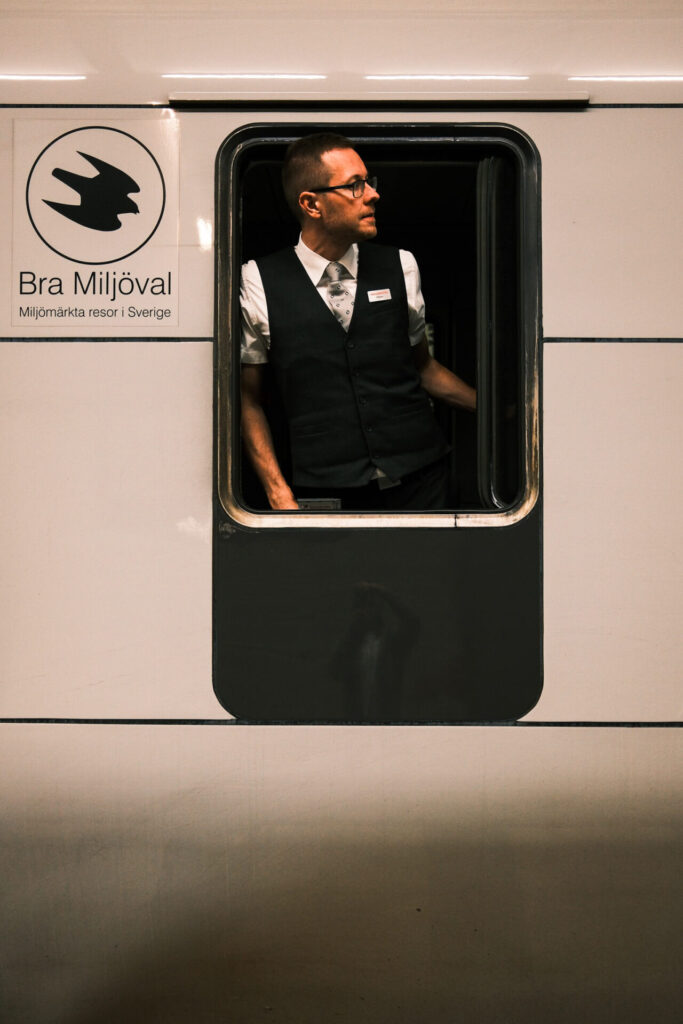
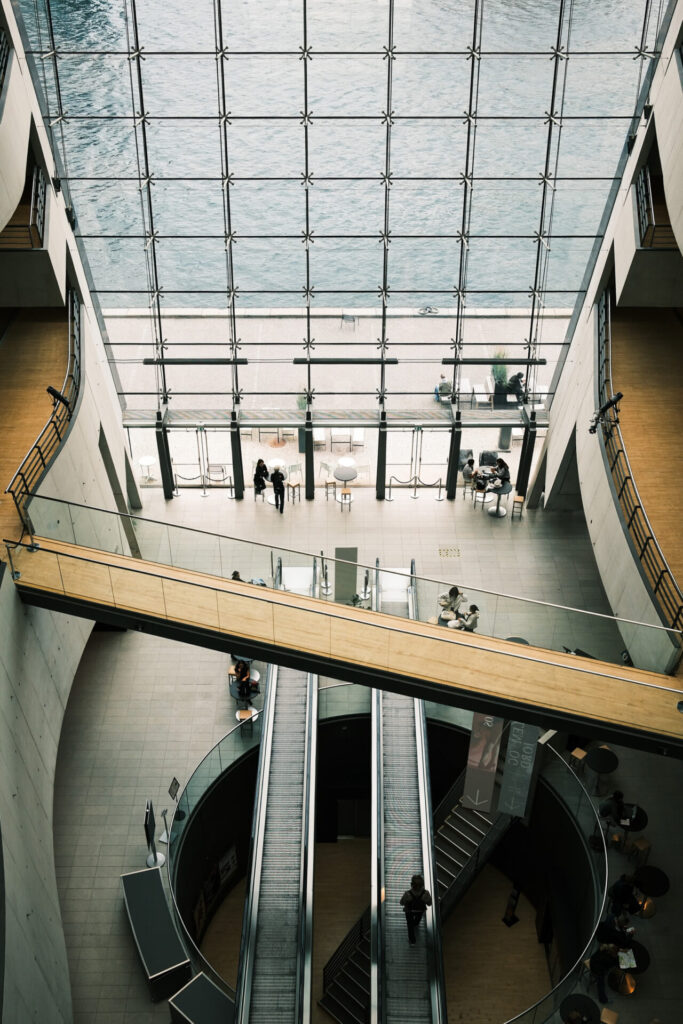
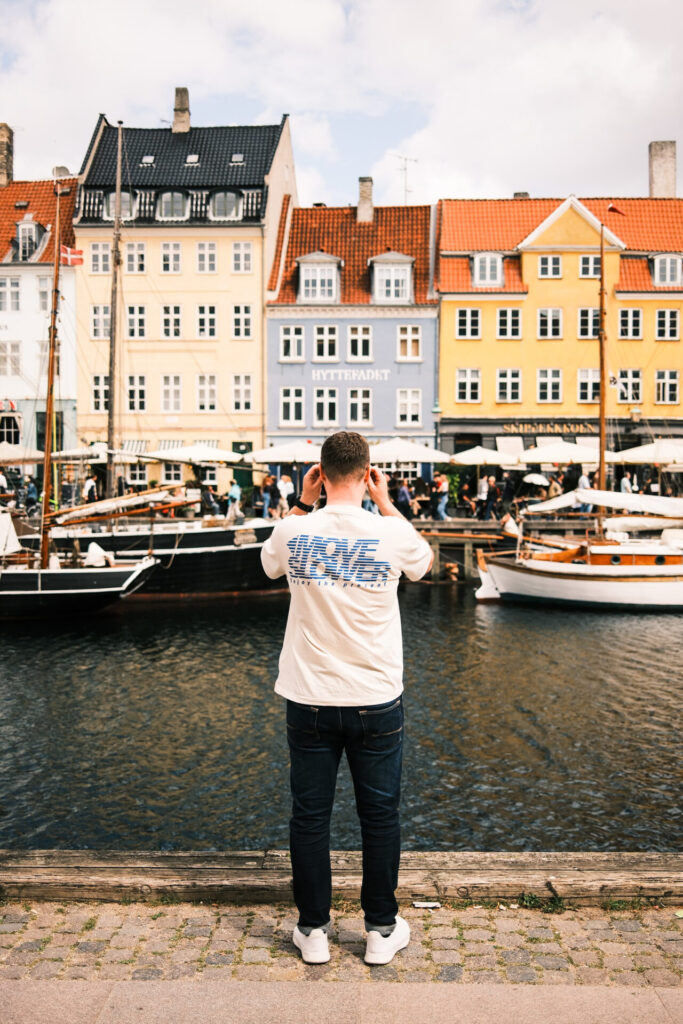
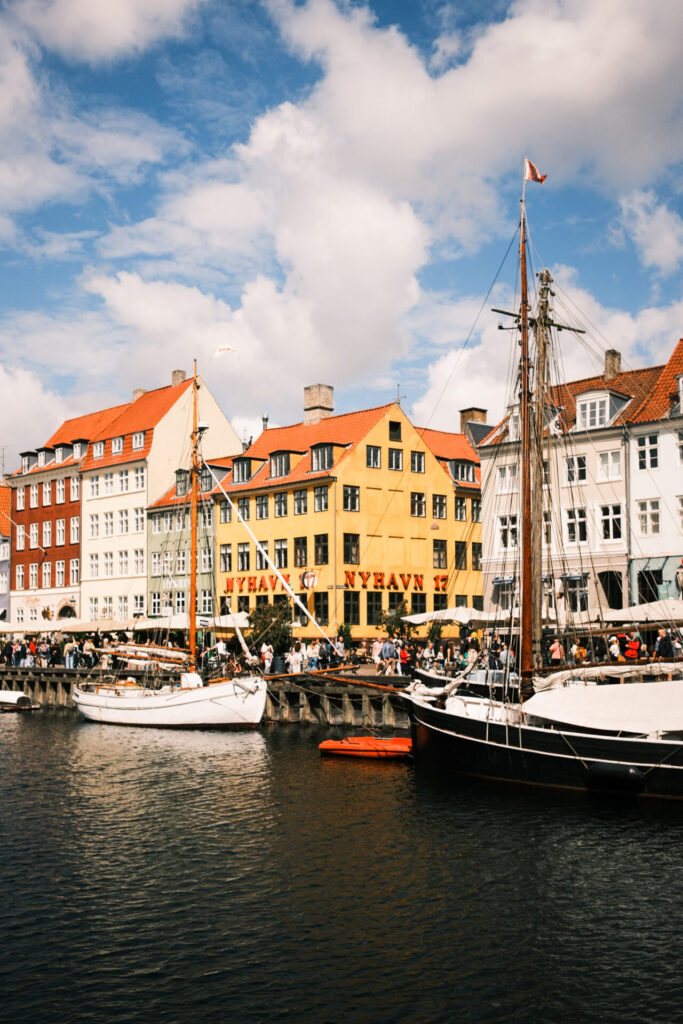
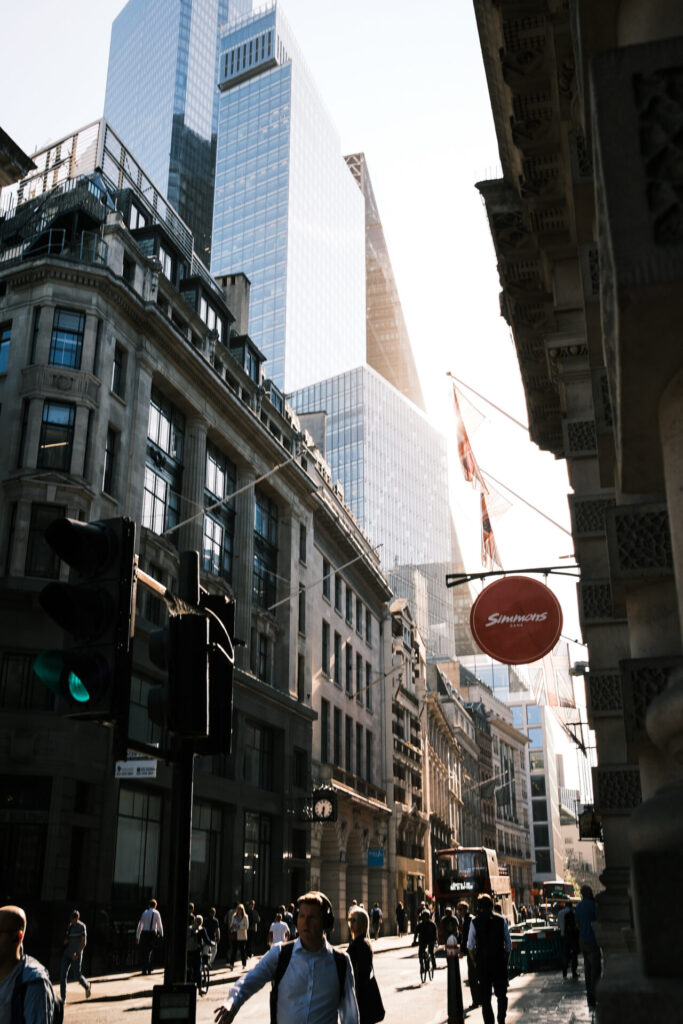
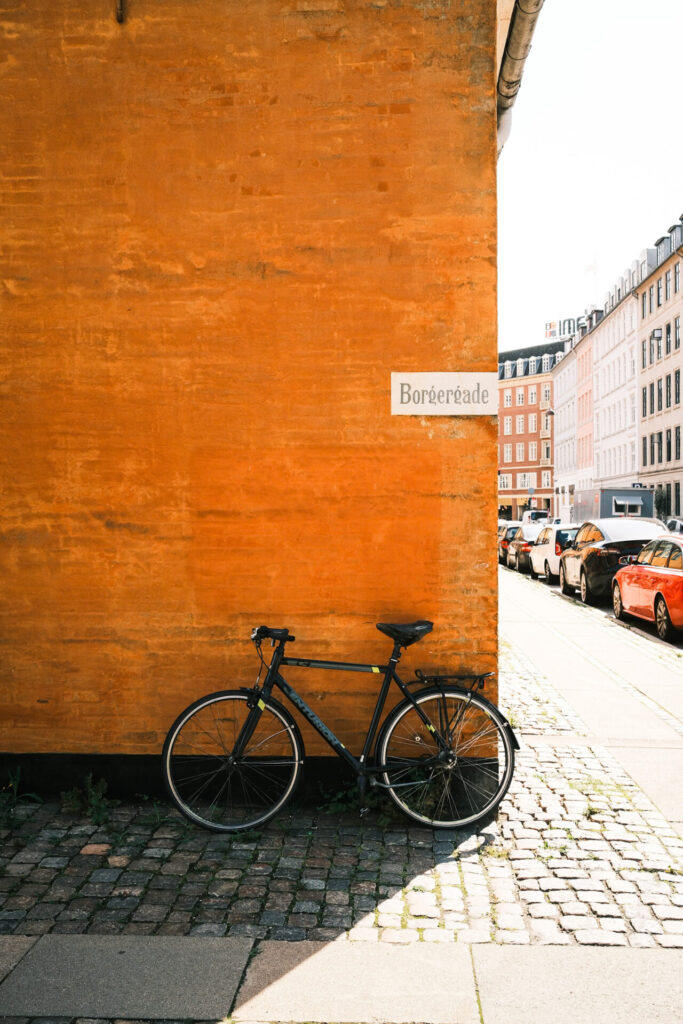
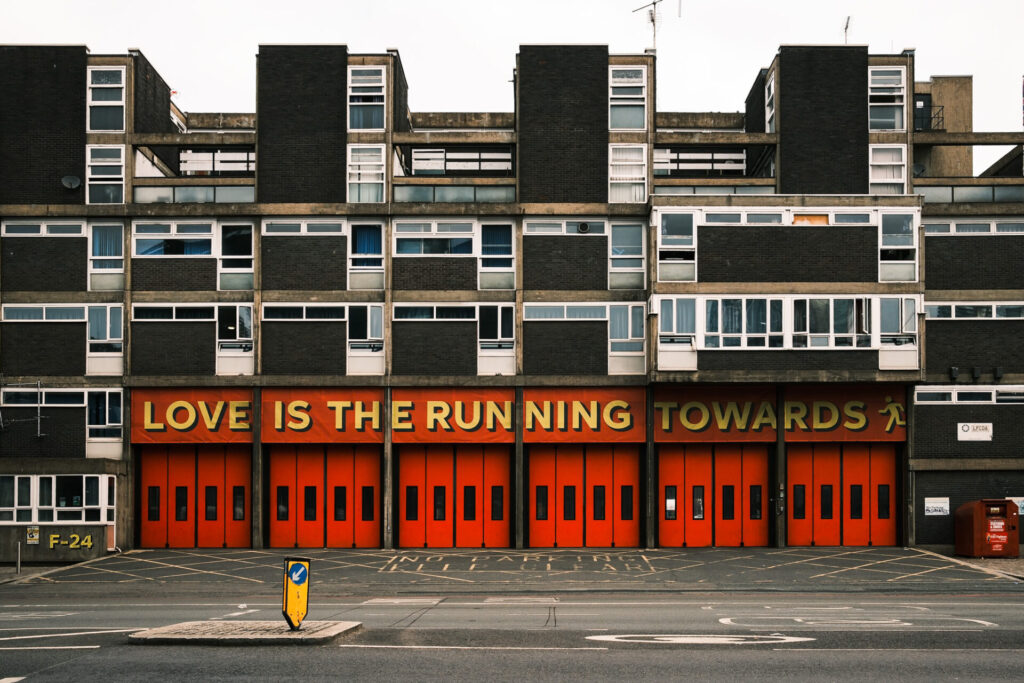
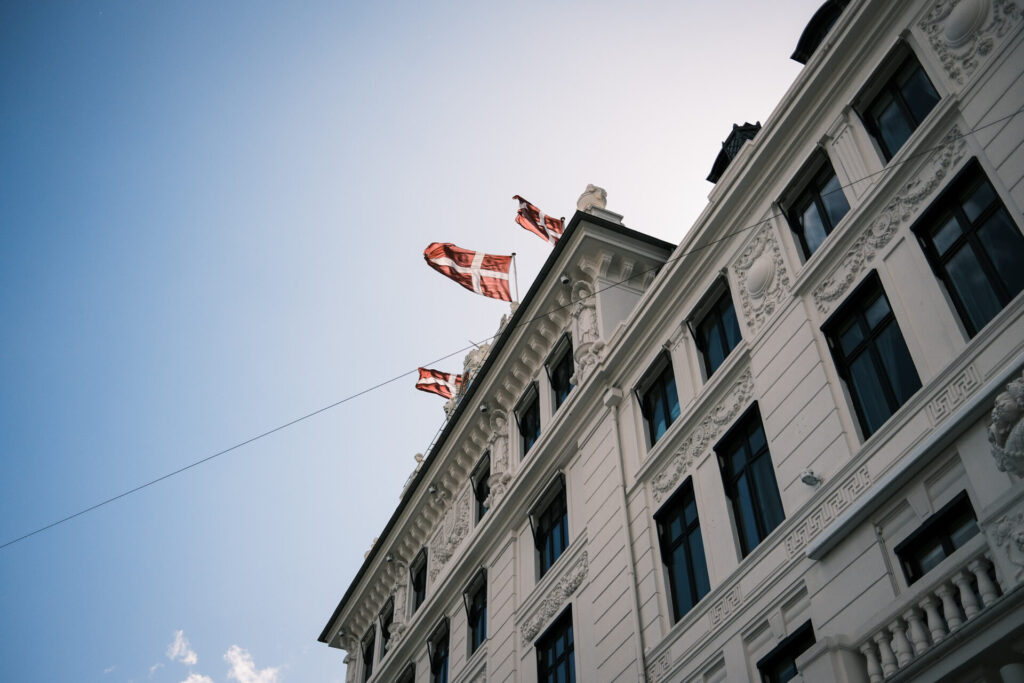
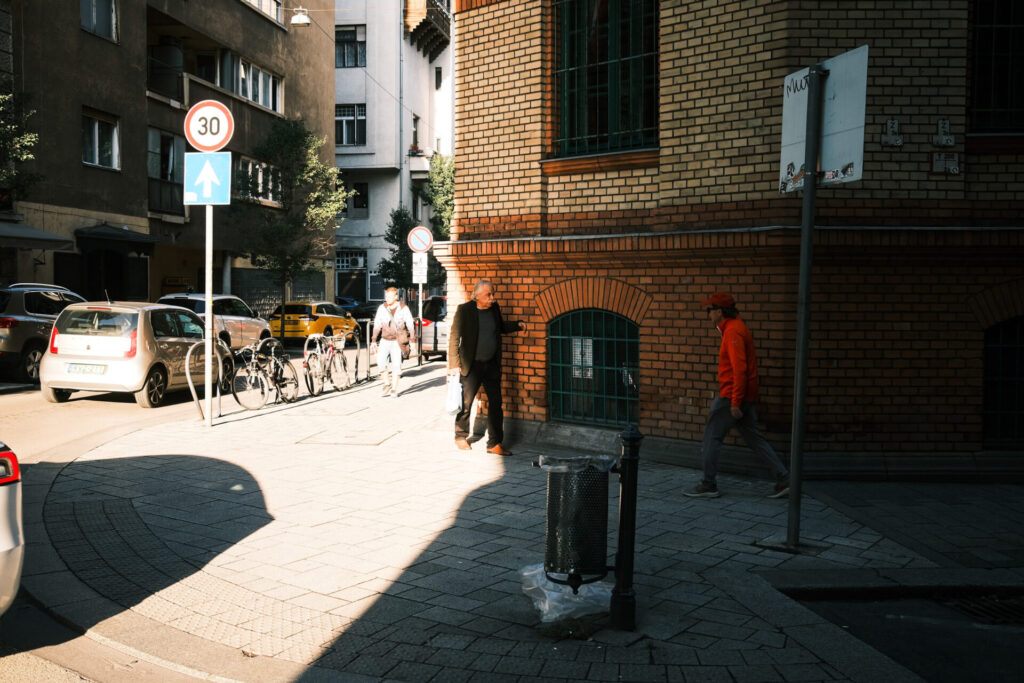
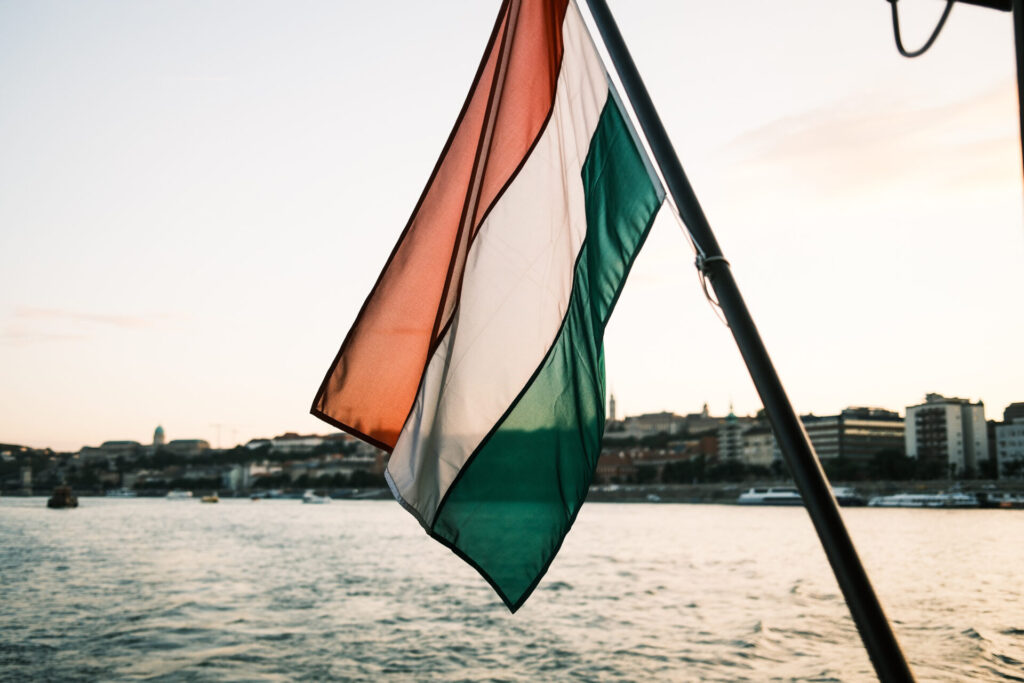

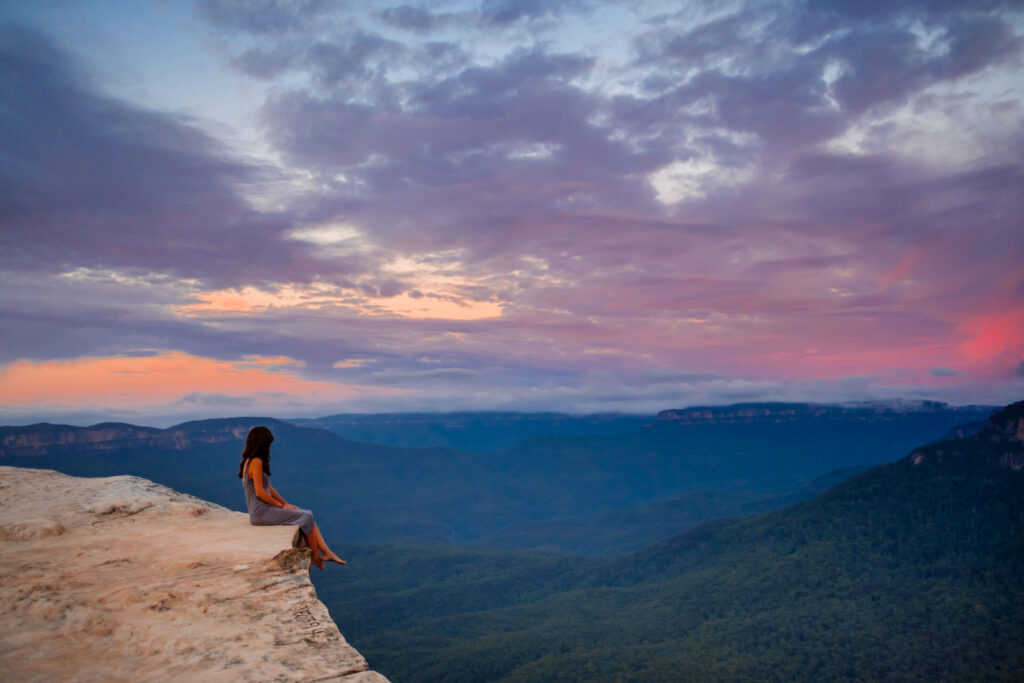
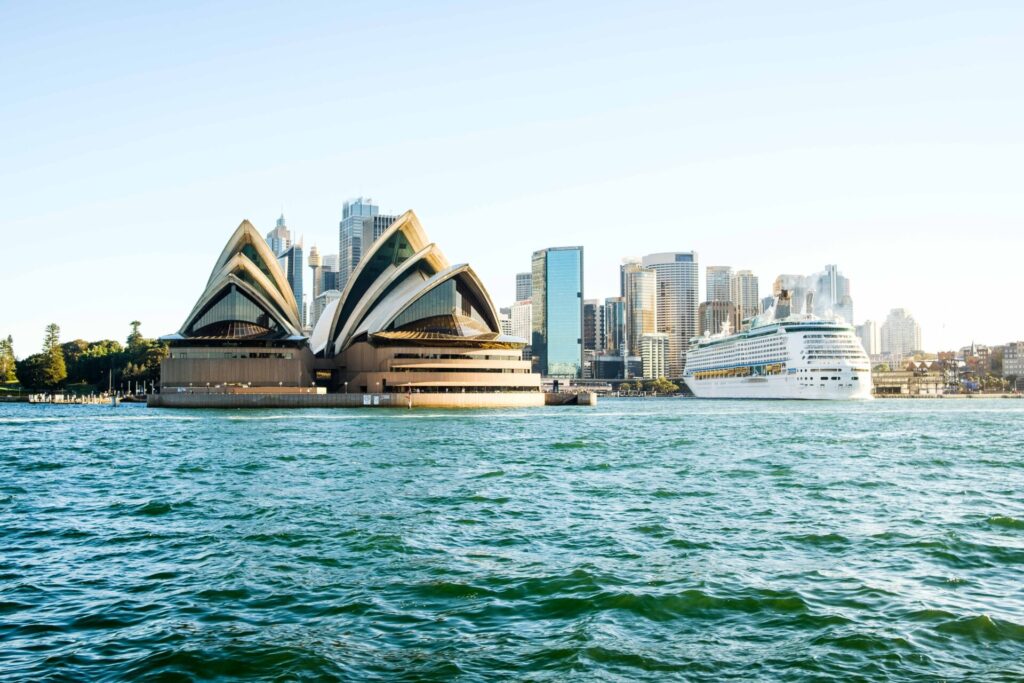
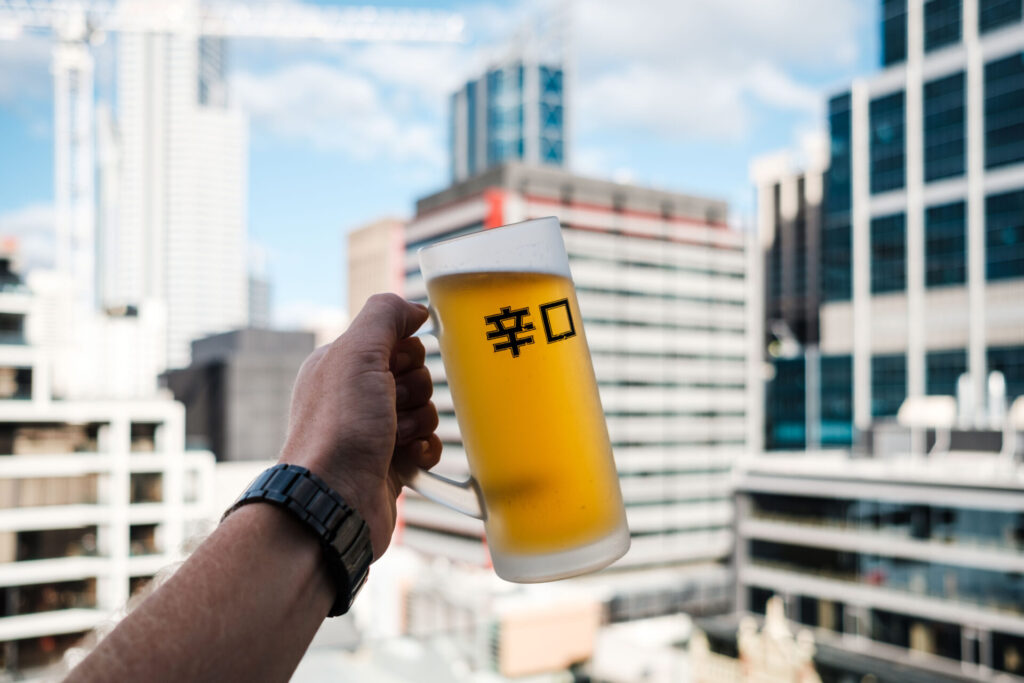
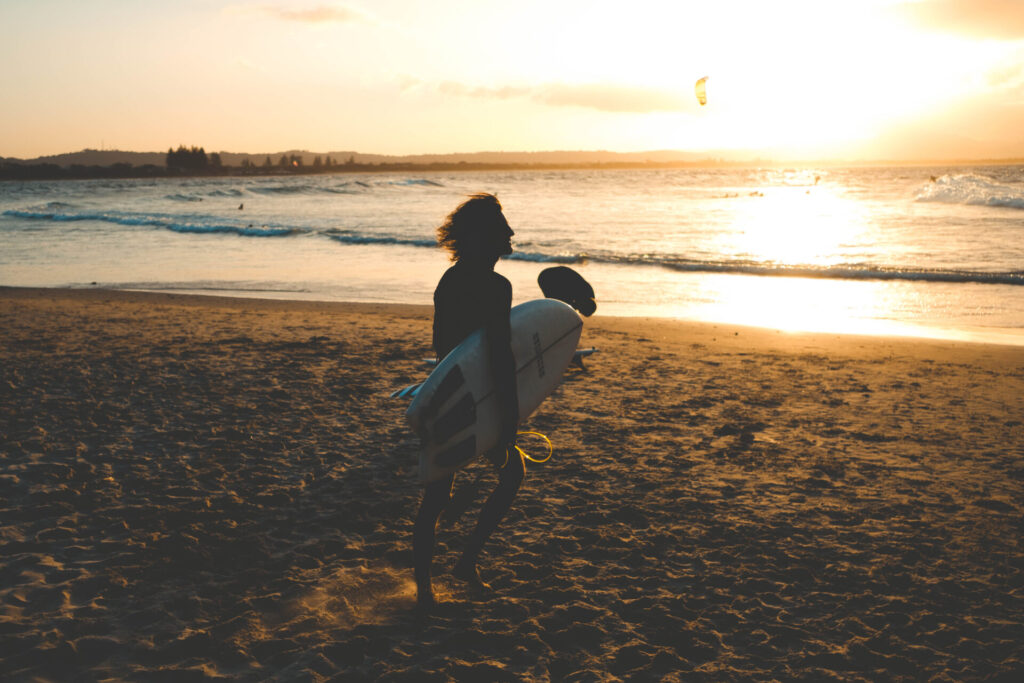
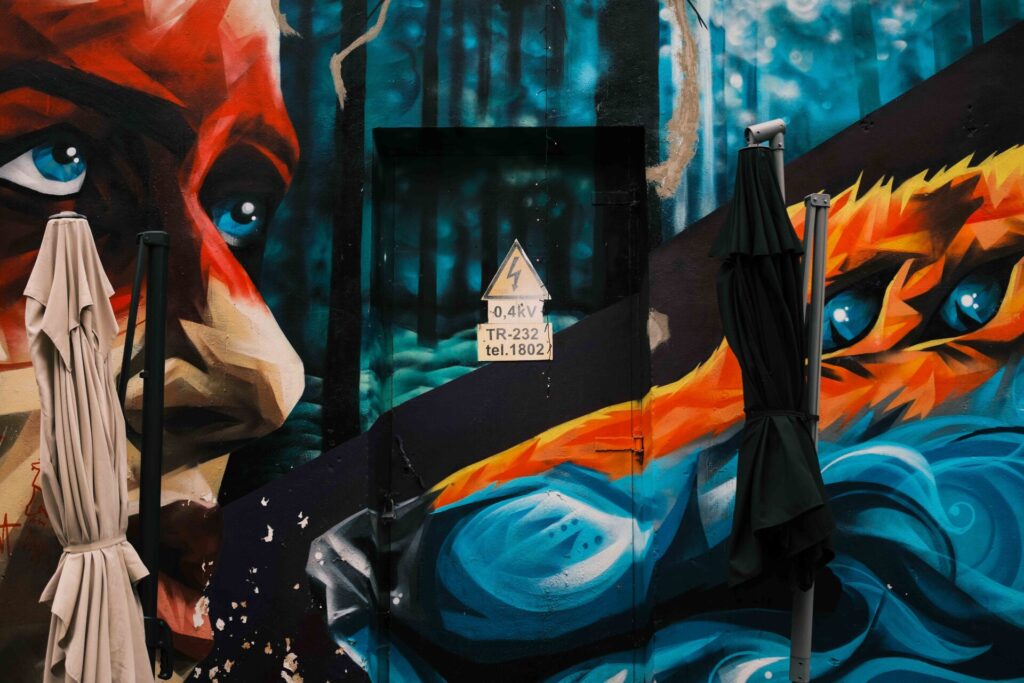
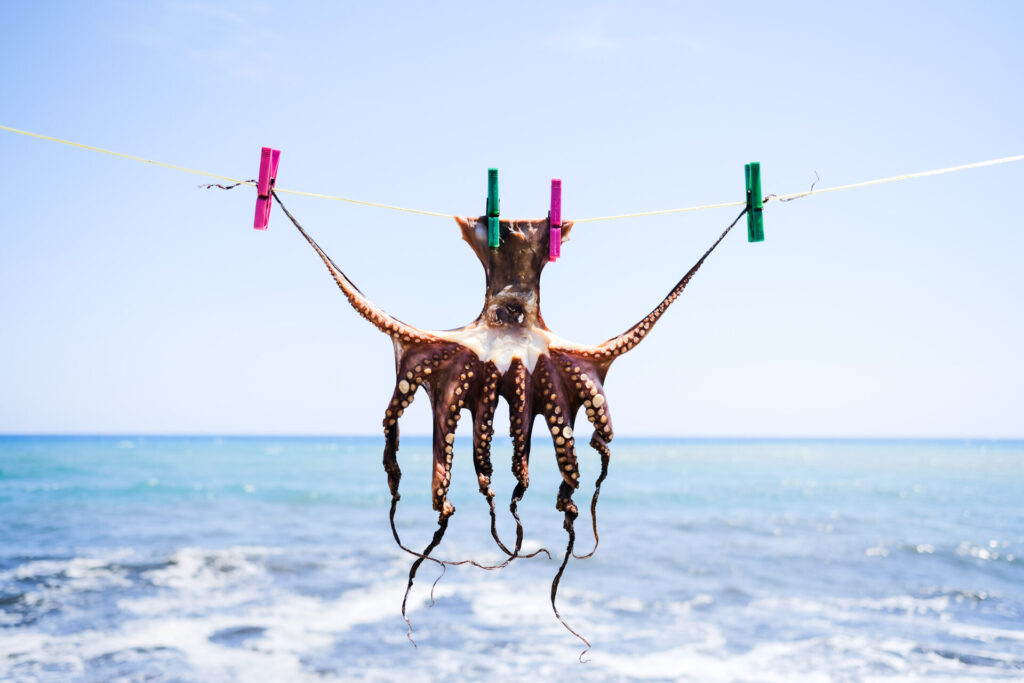
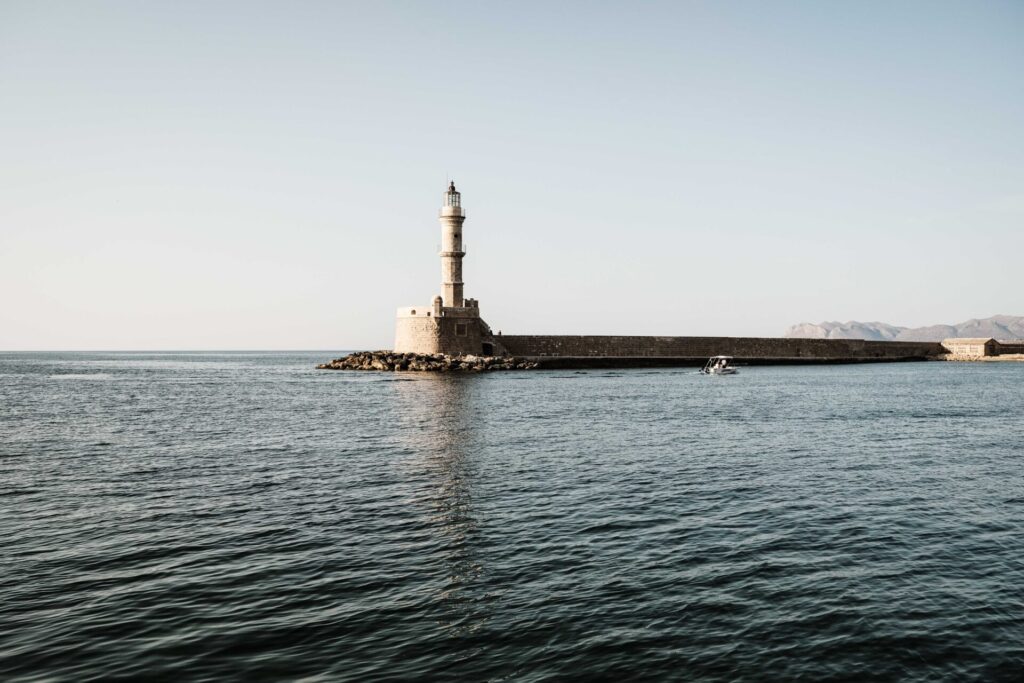
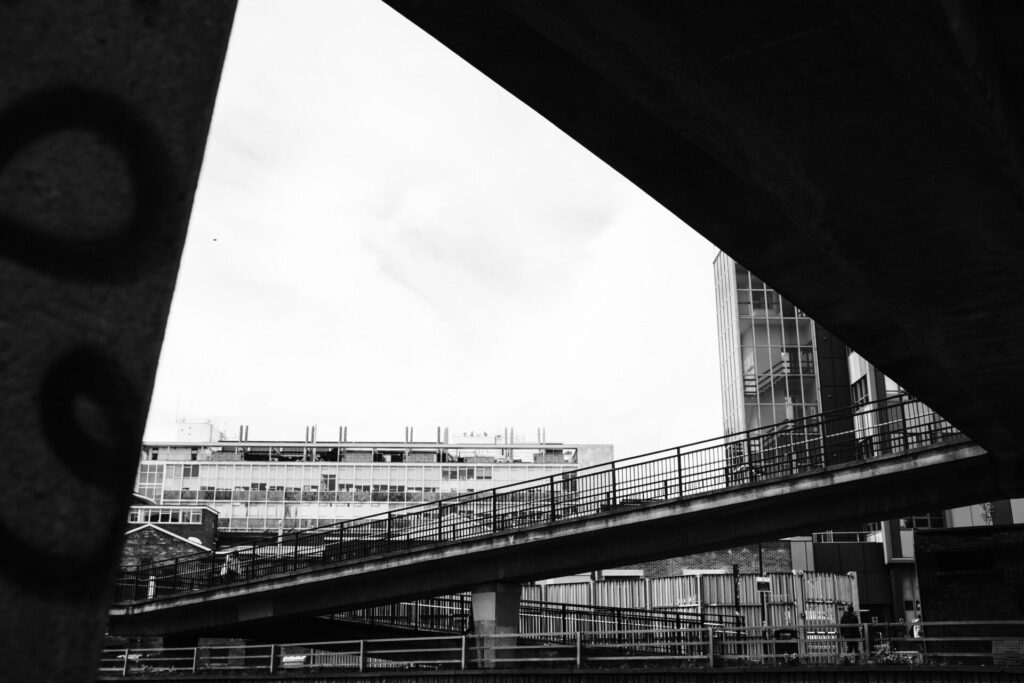
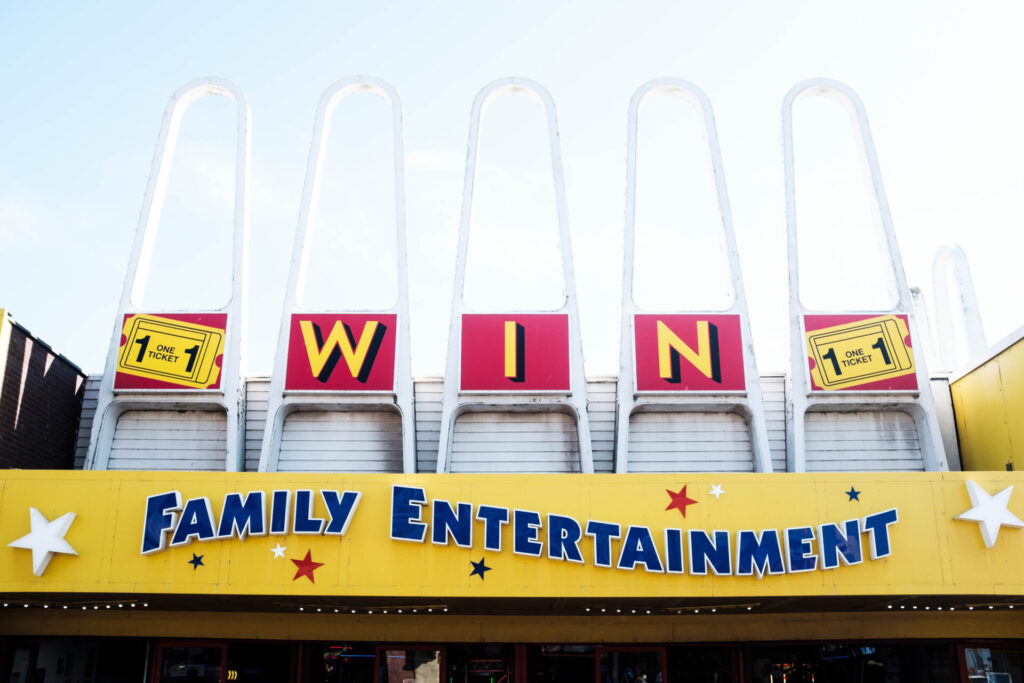
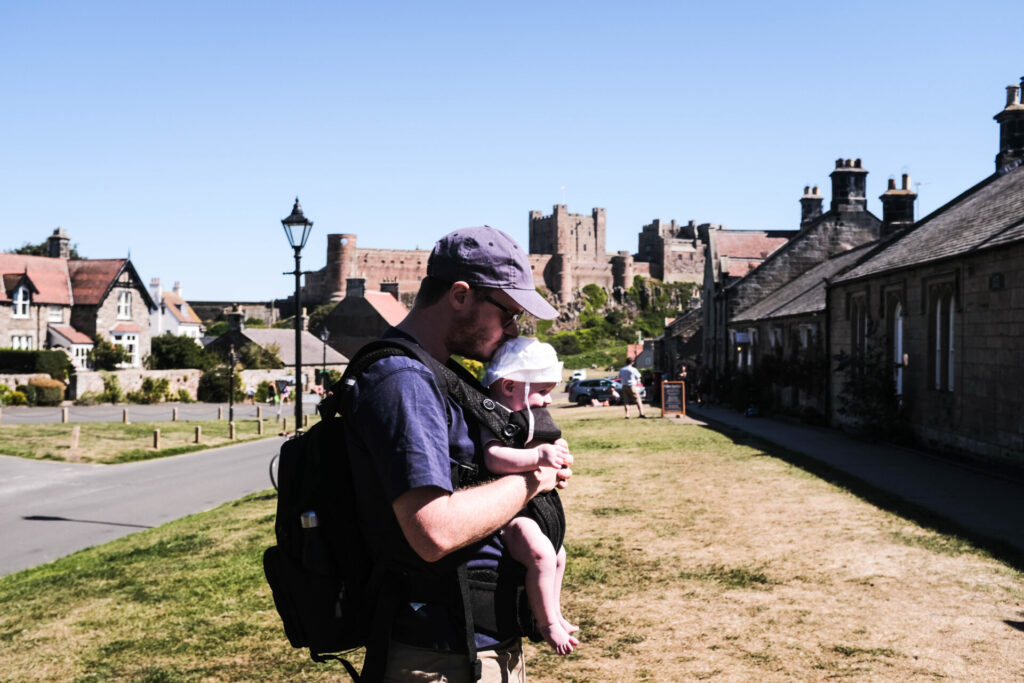
35mm For Travel Photography
As I said above, my first experience with a proper camera came in around 2010 when I used, almost exclusively, a 35mm f/1.8 prime with the Nikon D5000. This experience really cemented my love for the 50mm focal length as a means of capturing places I visited as well as day to day life. It wasn’t until 2019 that I jumped back to my favoured focal length with the Fujifilm 35mm f/2 and then the Fujifilm 35mm f/1.4 and it was honestly like the feeling of returning home after a long absence.
Whereas you’d say the 23mm is versatile and can be made to work in any manner of environments, the 35mm focal length, with being that much tighter, takes some getting used to and some work to bring out the best of wherever you find yourself. You can’t capture everything within a scene at 35mm but, the part that you can, will feel very natural as the perspective is very close to the scale and compression of the naked eye. You have to be much more deliberate and make decisions as to what you want to convey, what you want to capture and I’ve found that this has made me such a better photographer over the years.
For those that are new to the 35mm focal length, when compared to 23mm, it can get very frustrating. There will be some shots that are physically impossible because you cannot ‘back up’ any further, you aren’t often able to capture everything that’s in front of you but you can be more intentional and capture the finer details that might feel lost at 23mm. Portraits with subject separation, the way the light reflects off a pool of water, hotel rooms, doorways; smaller observations and small moments that, for me at least, complete the story.
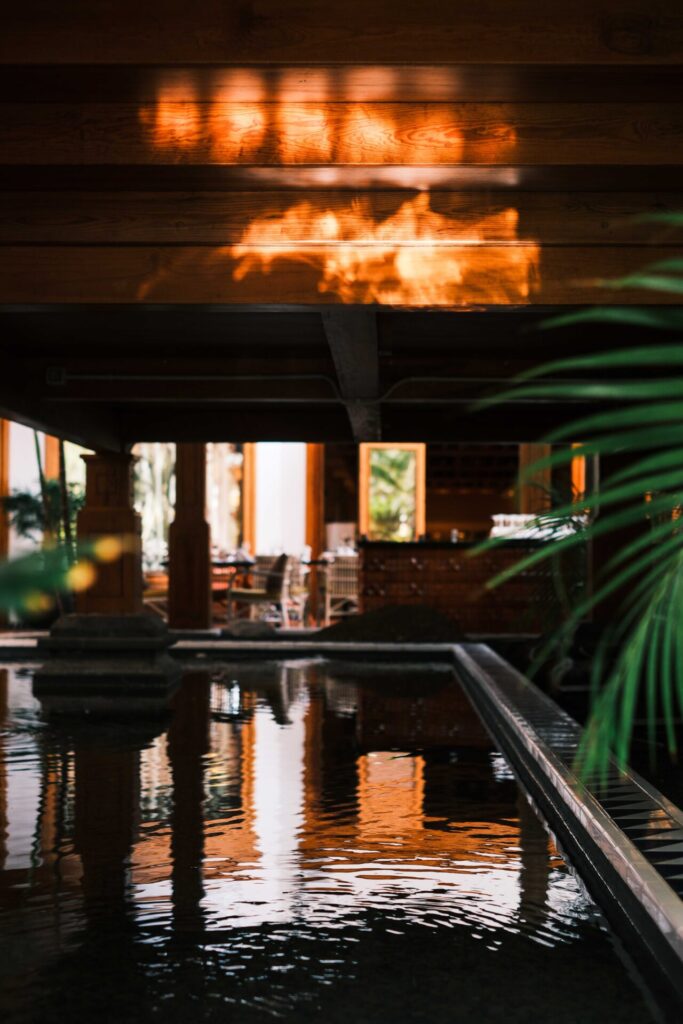
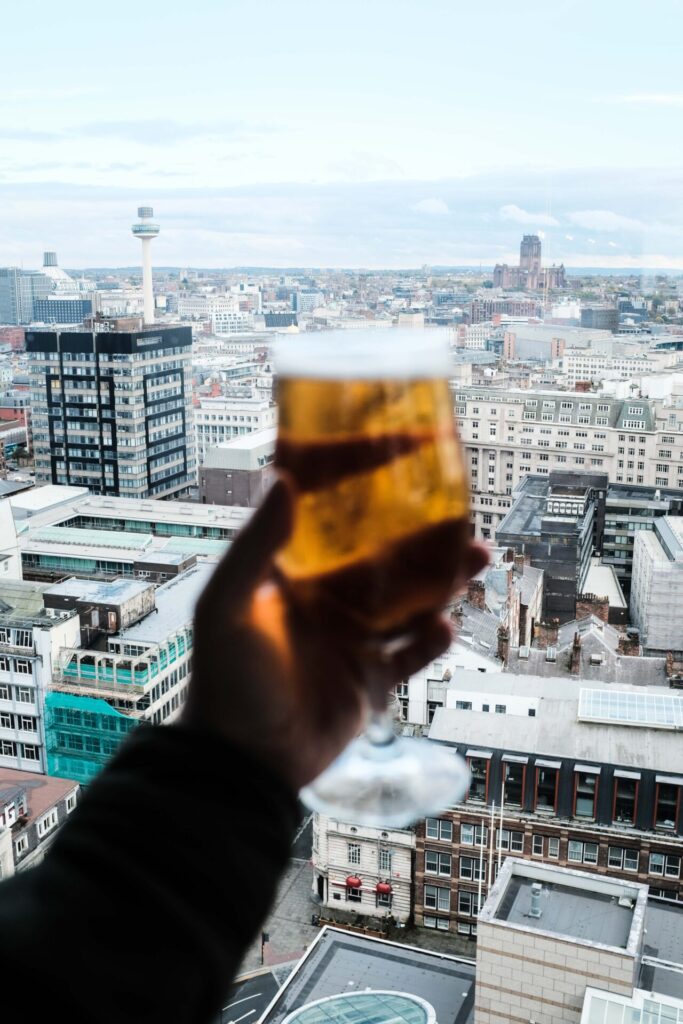
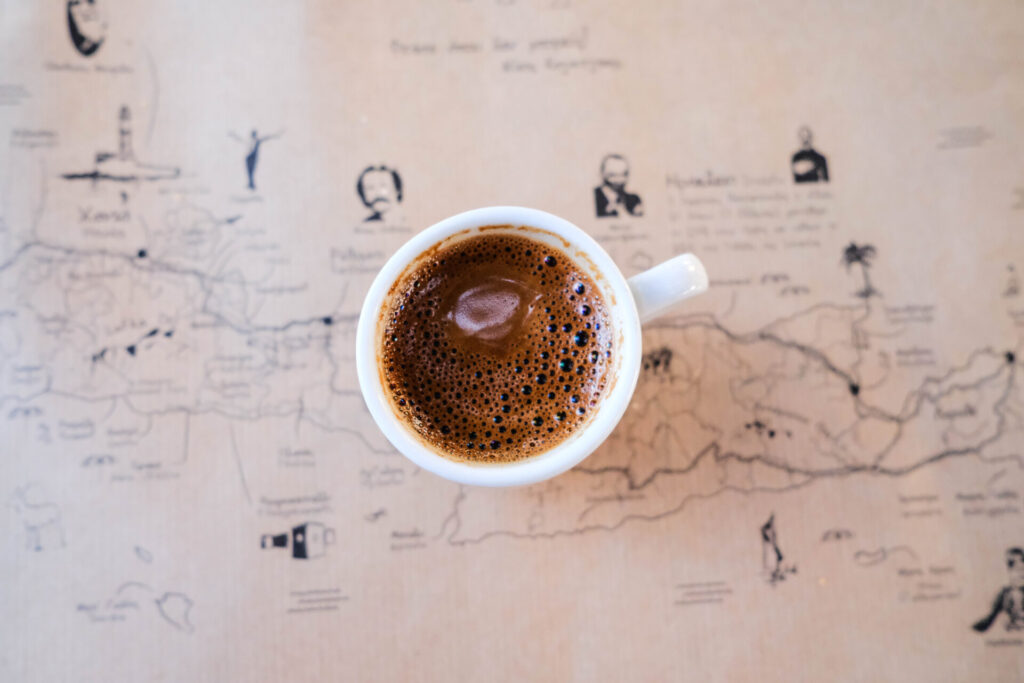
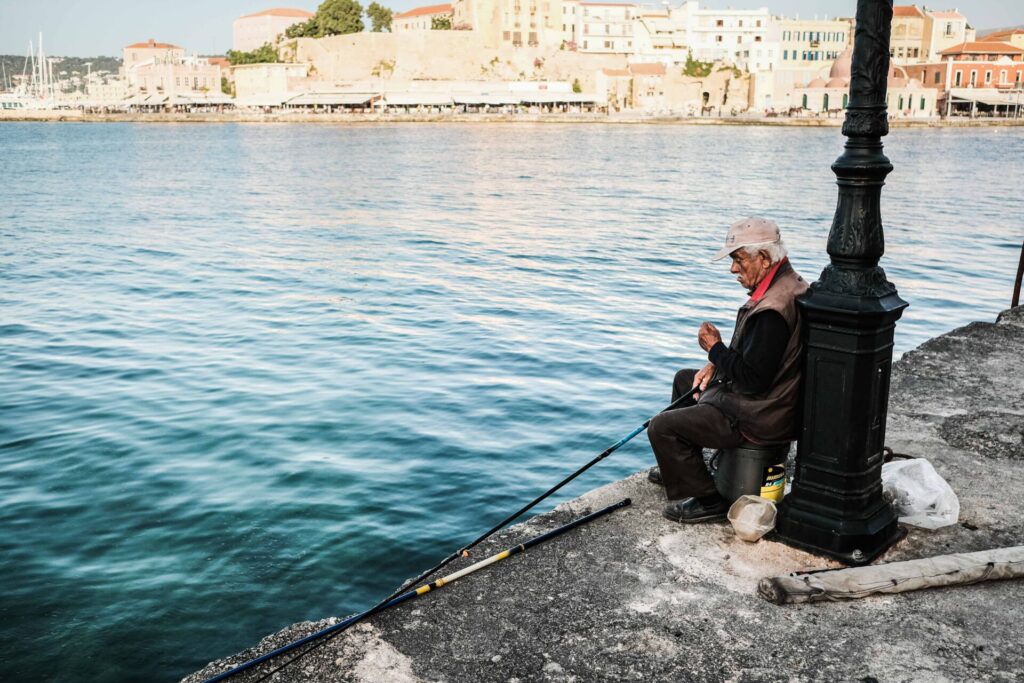
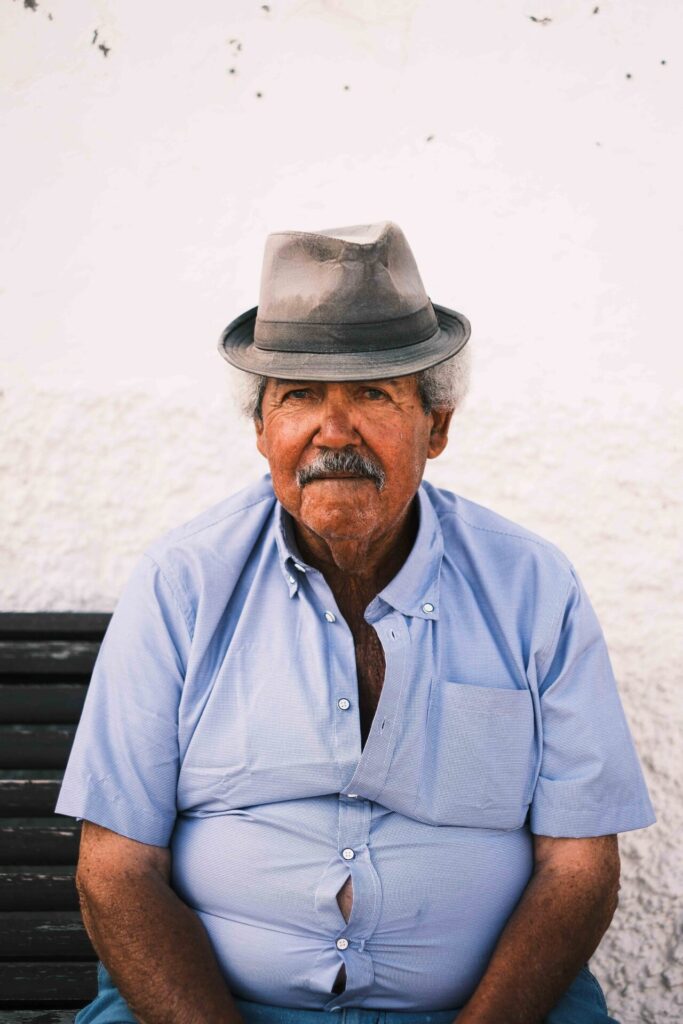
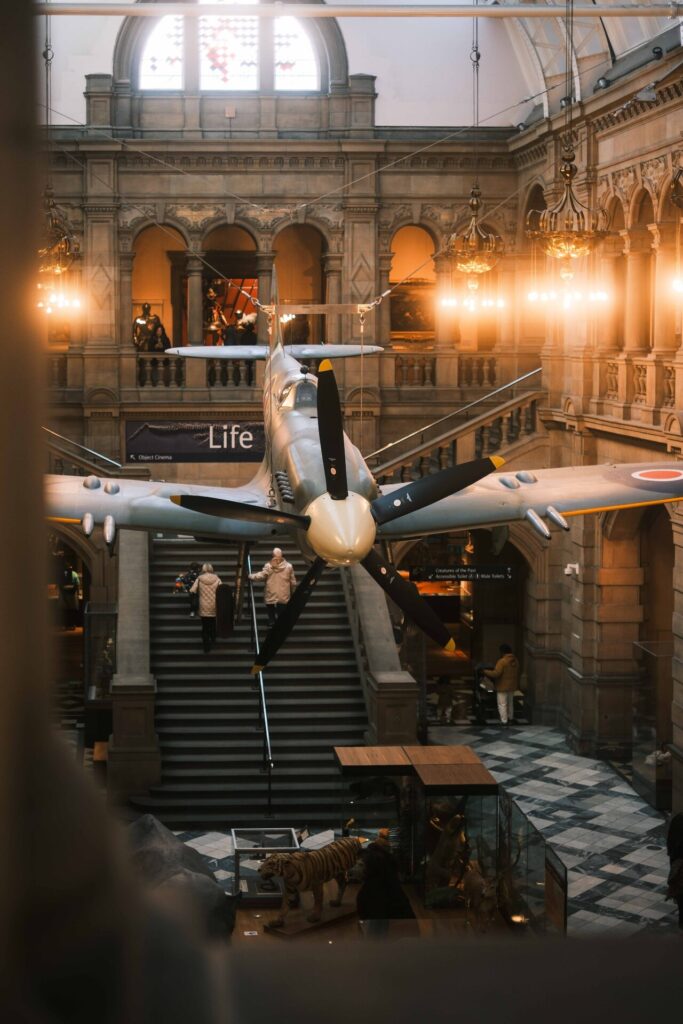
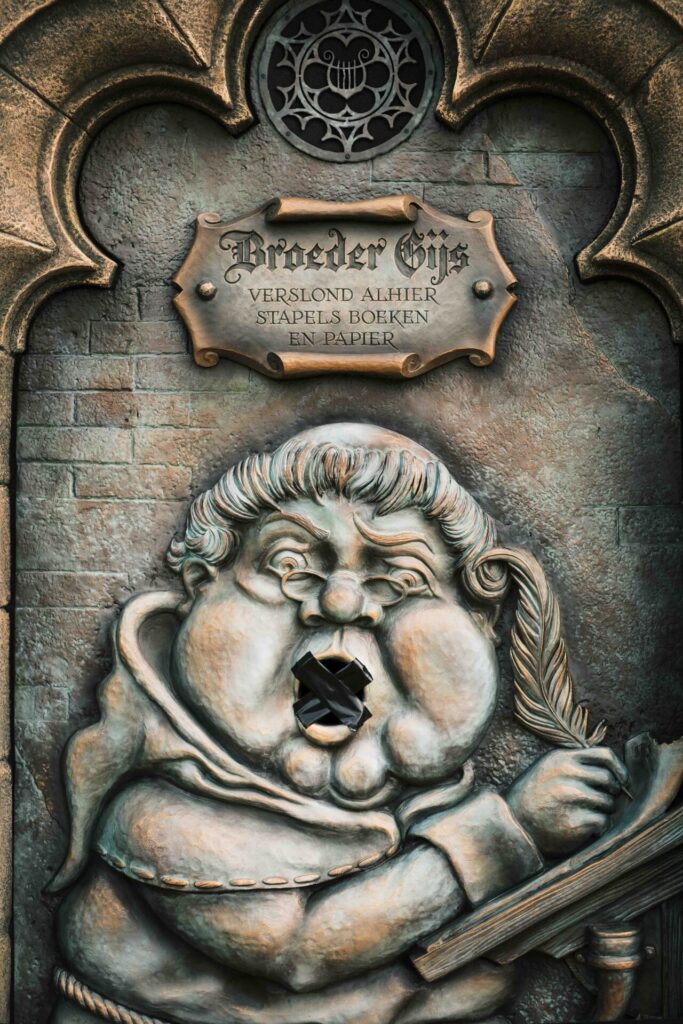
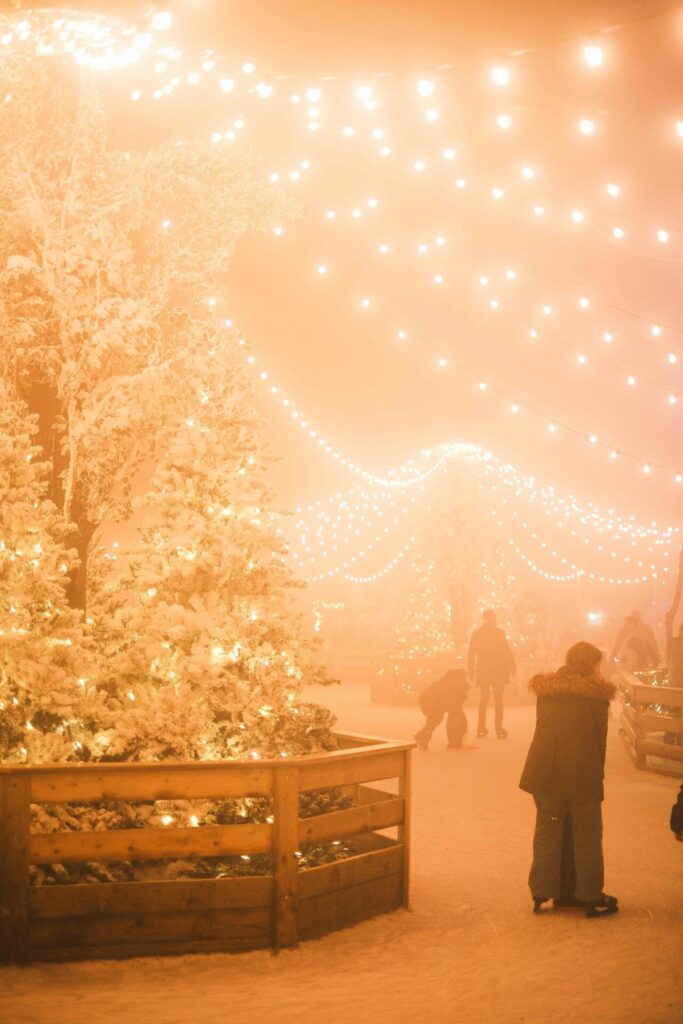
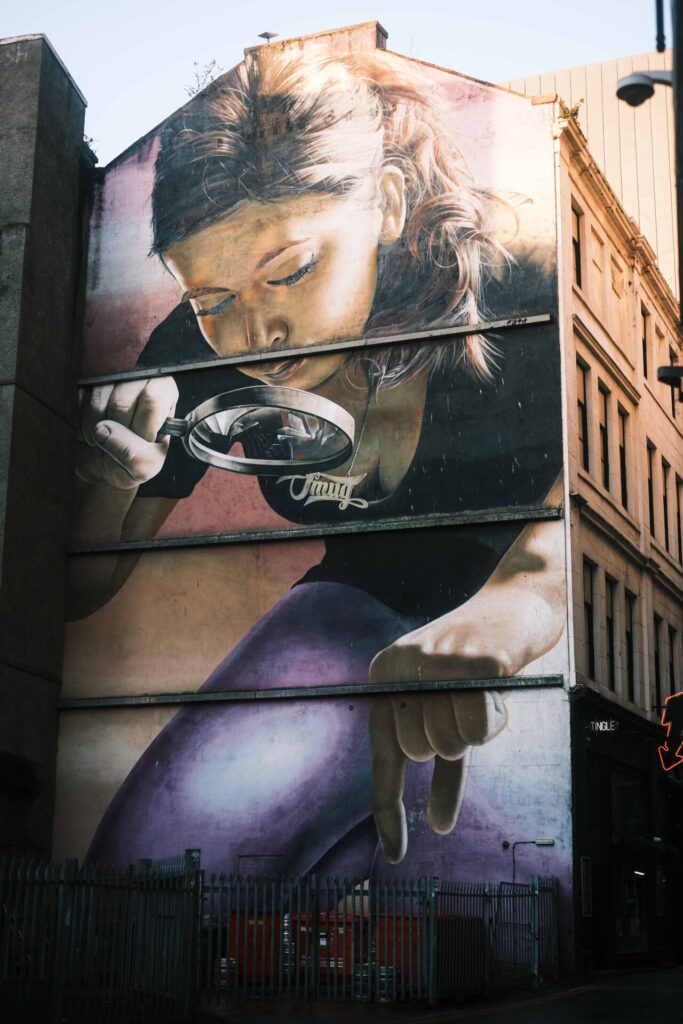
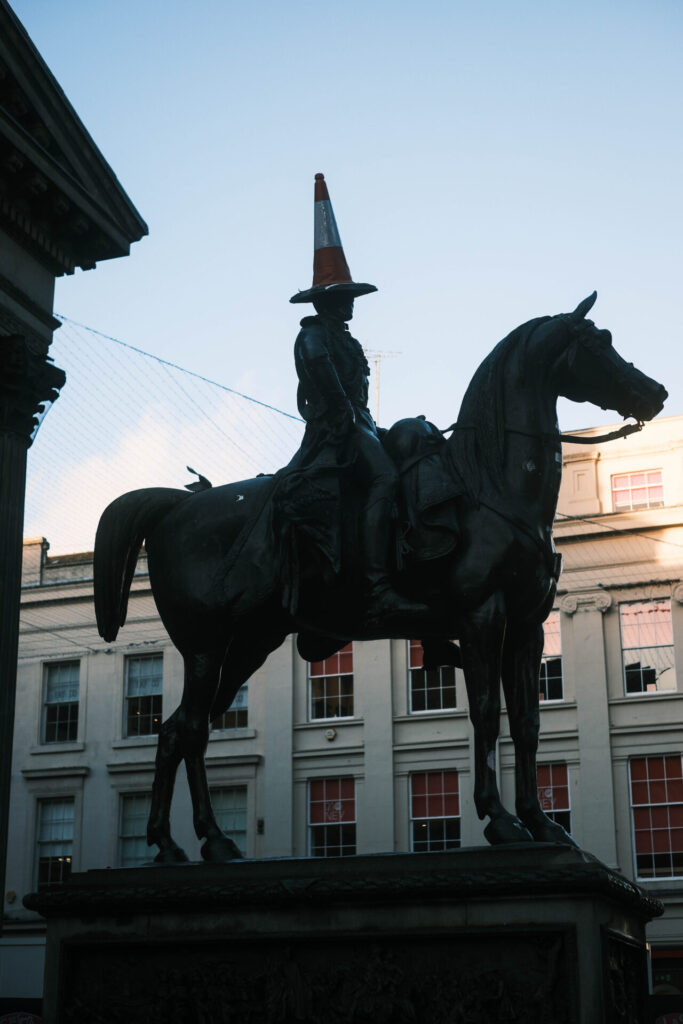
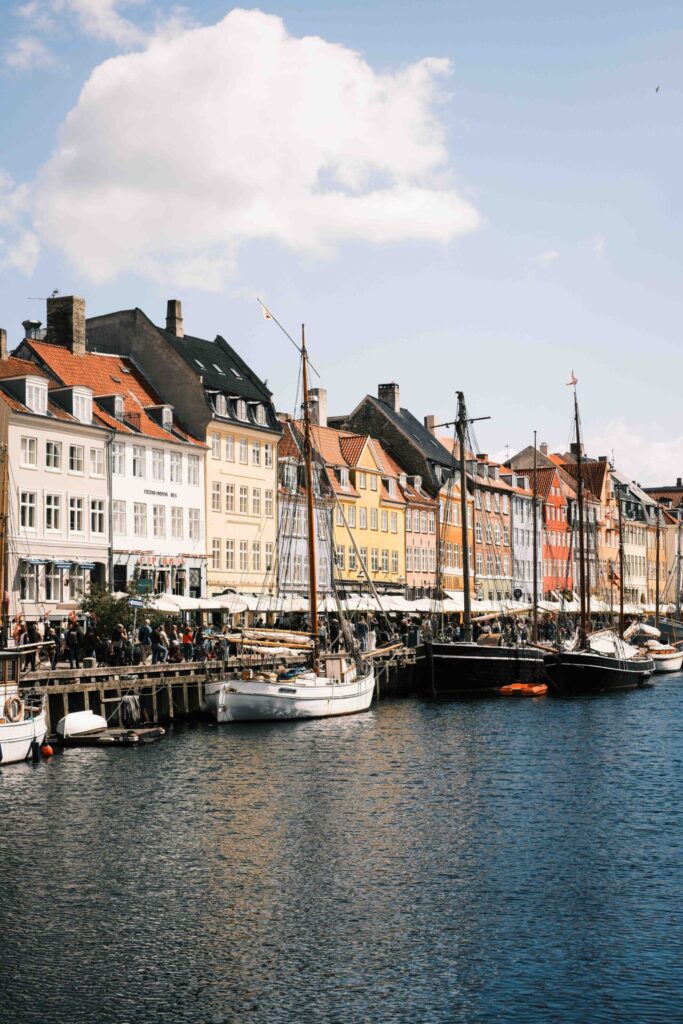
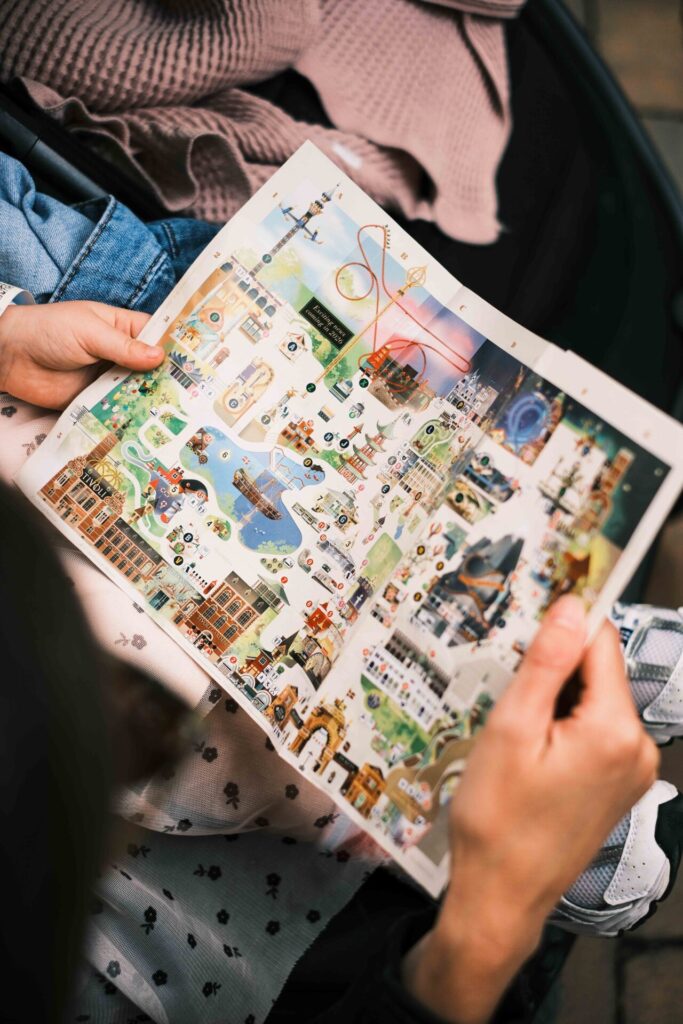
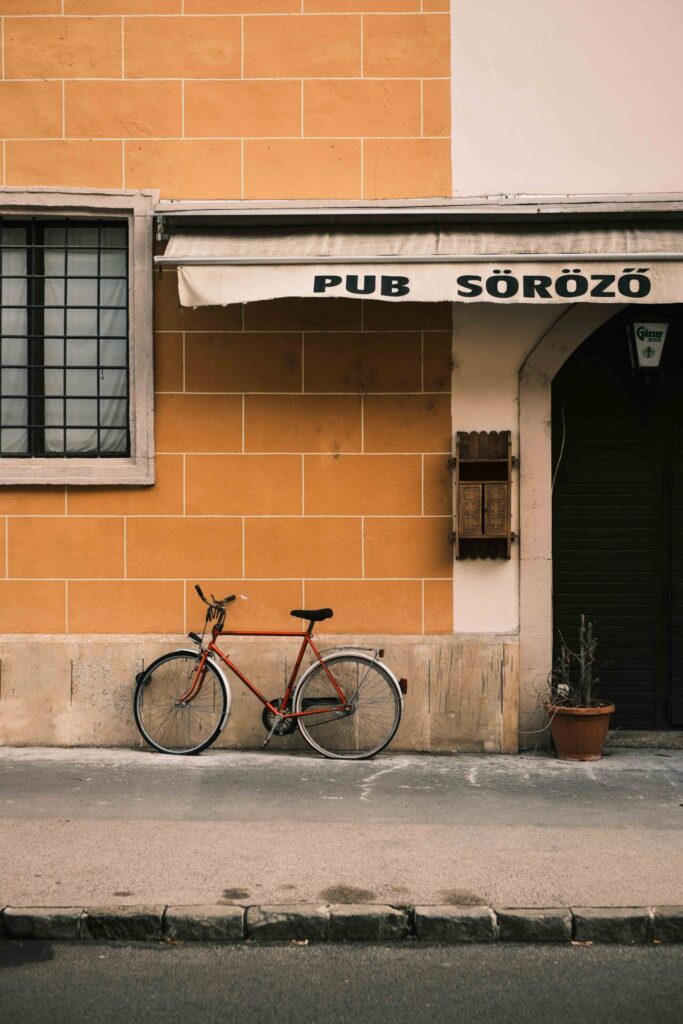
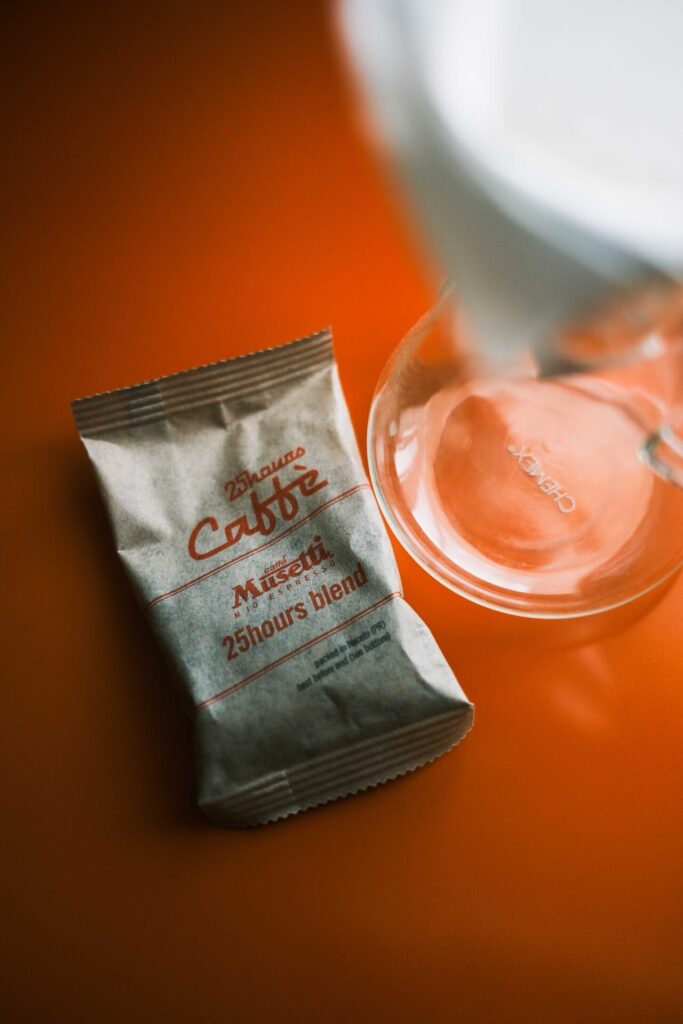
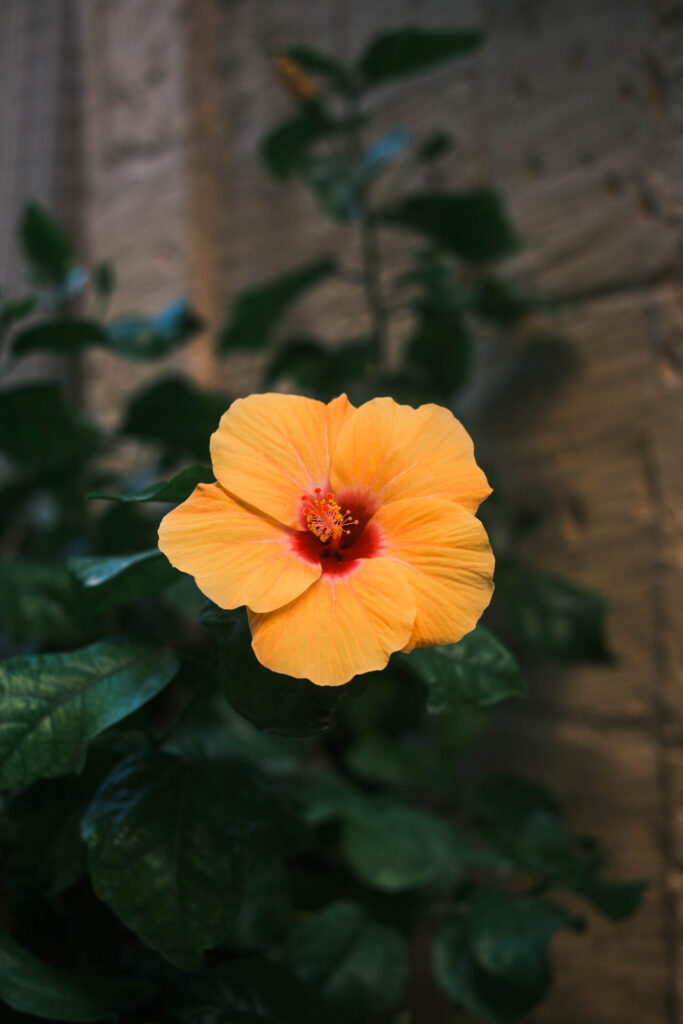
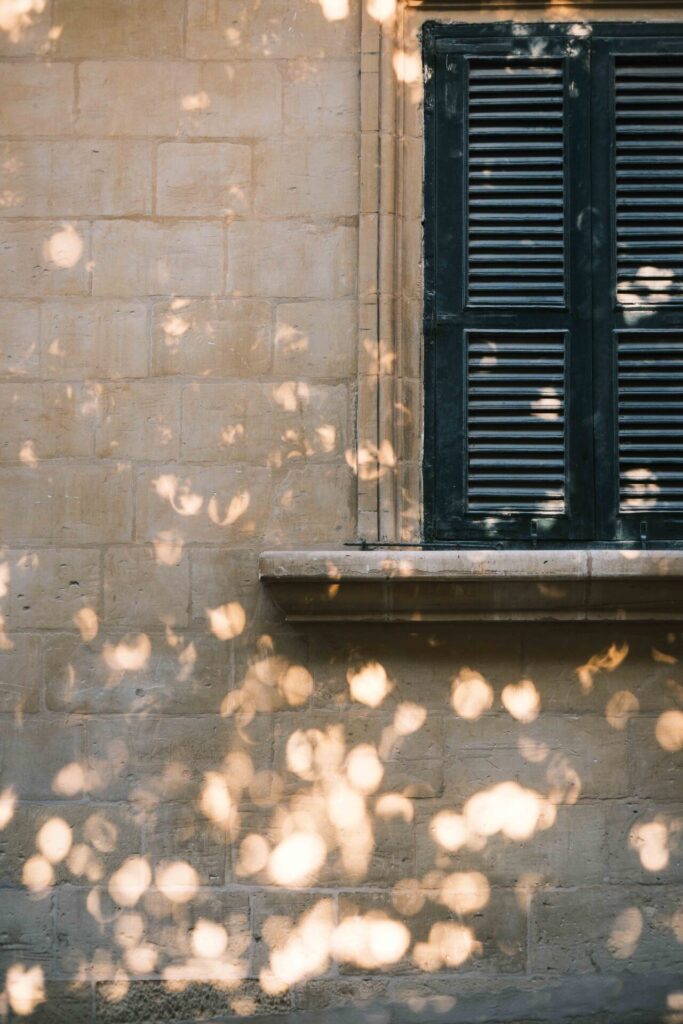
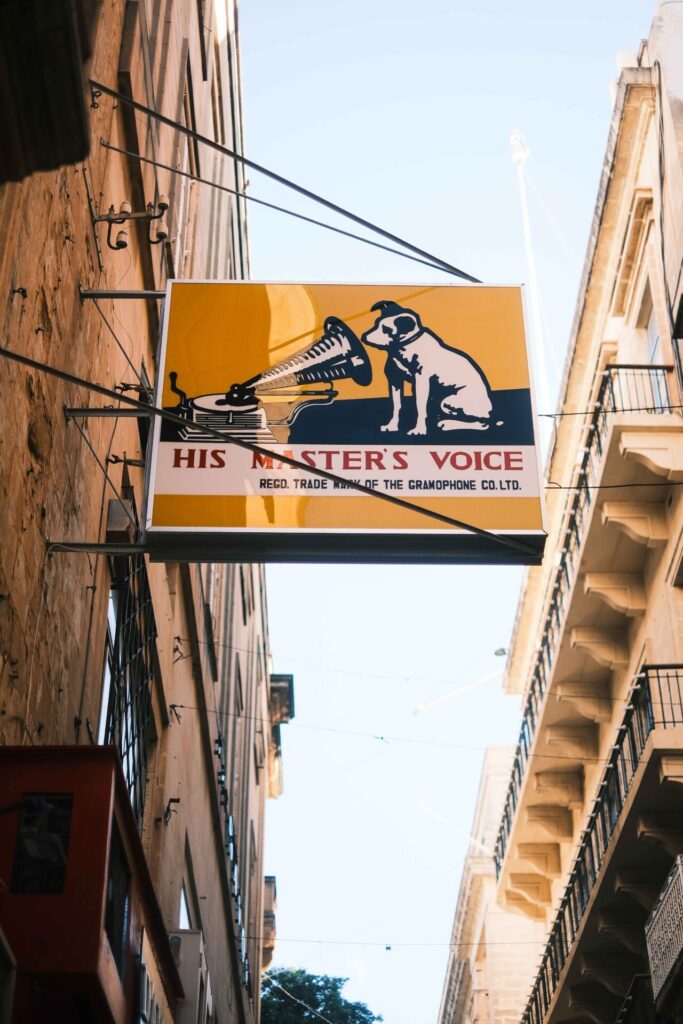
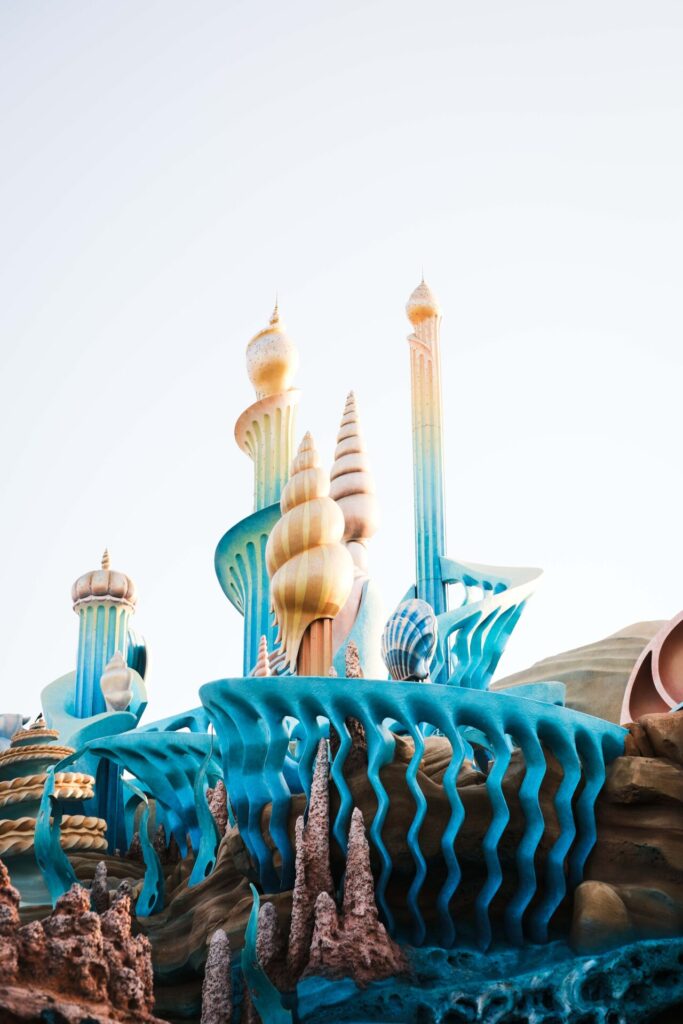
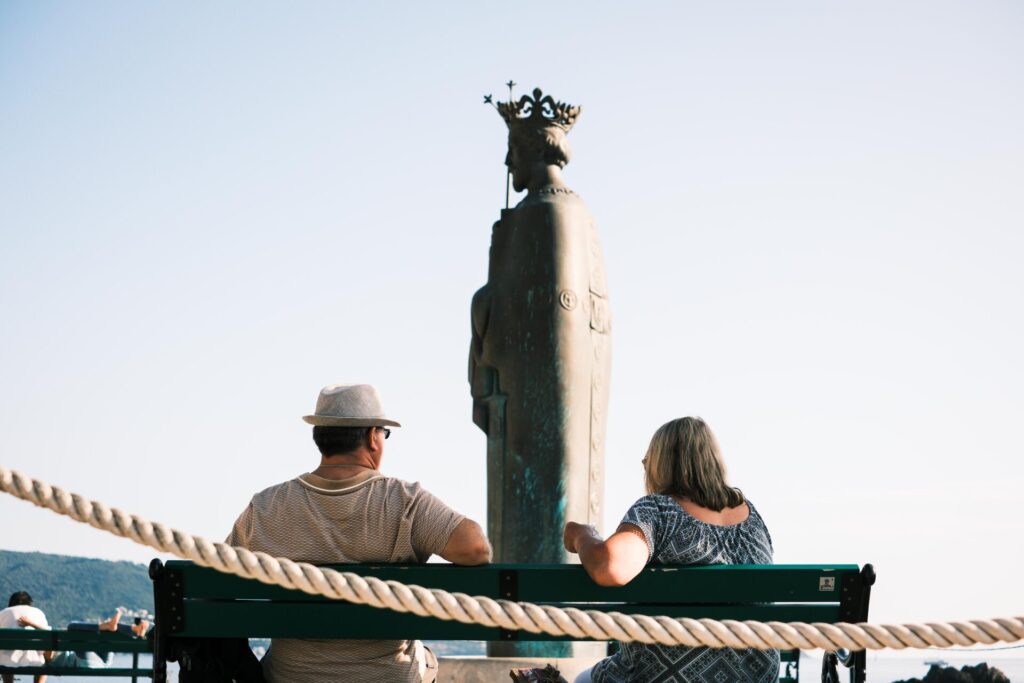
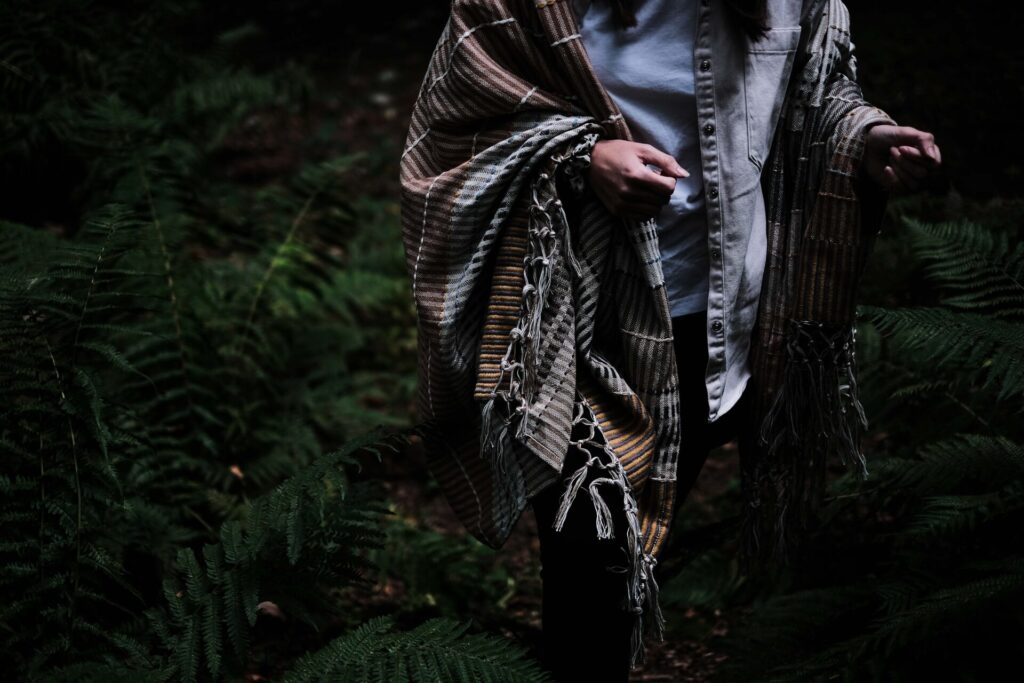
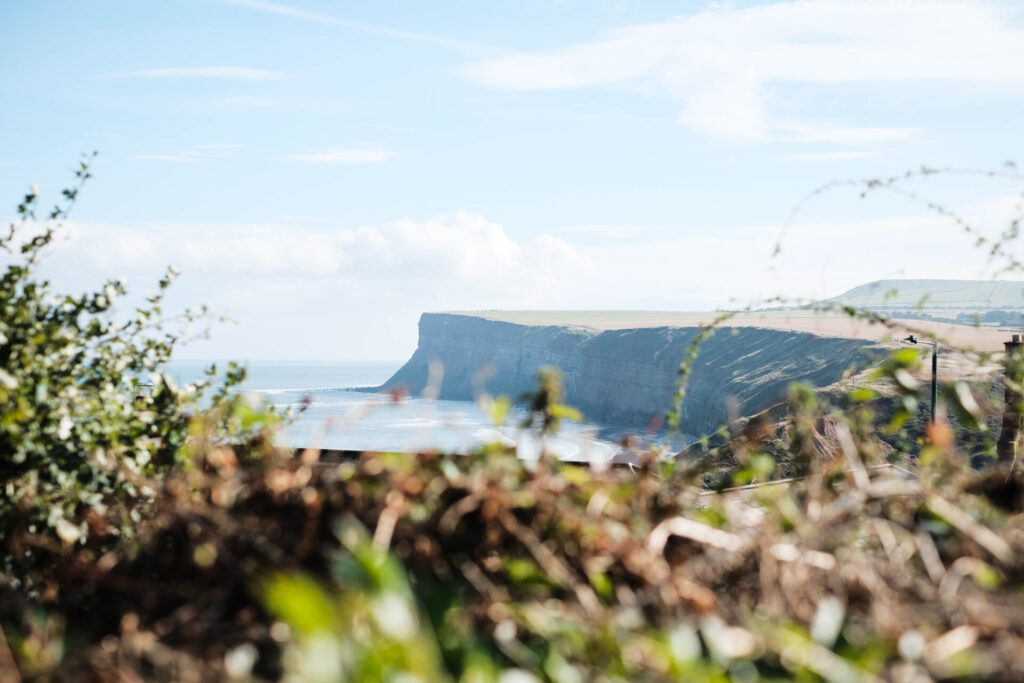
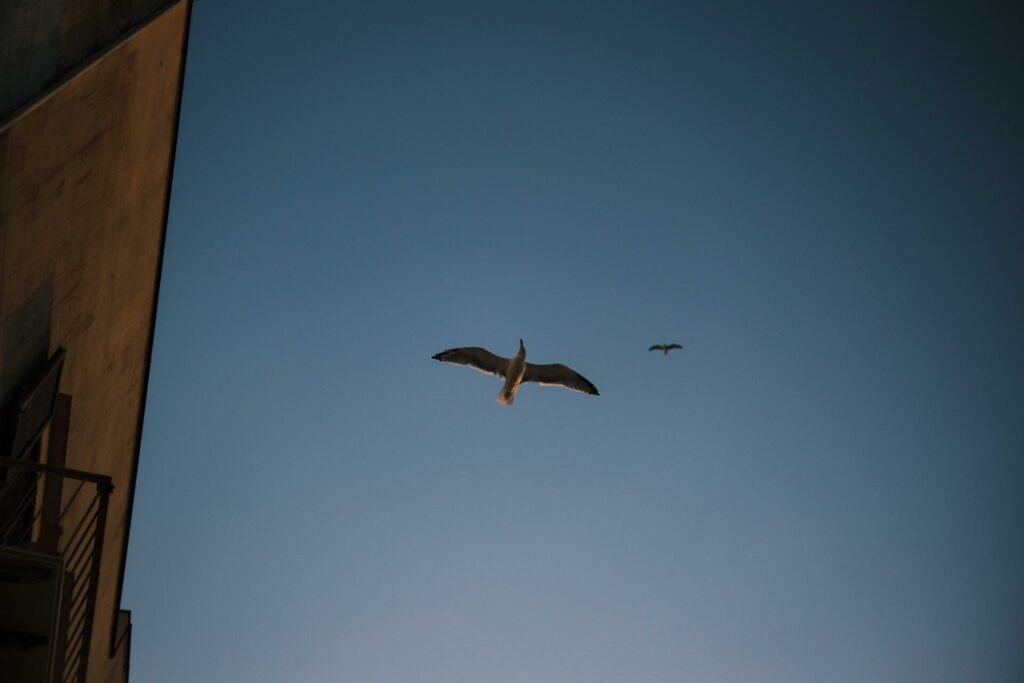
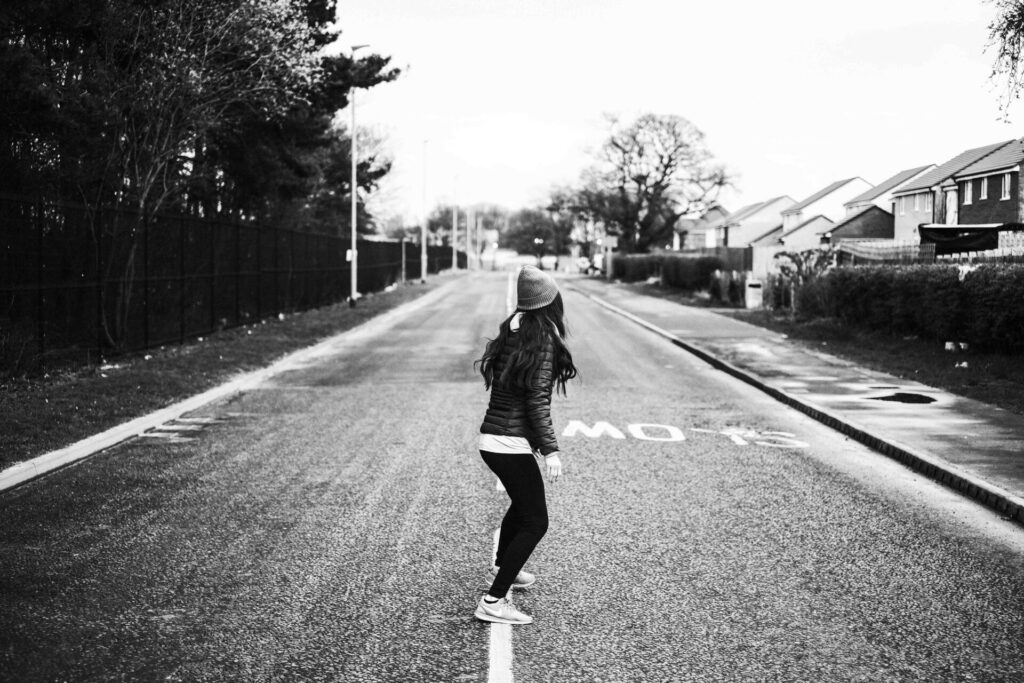
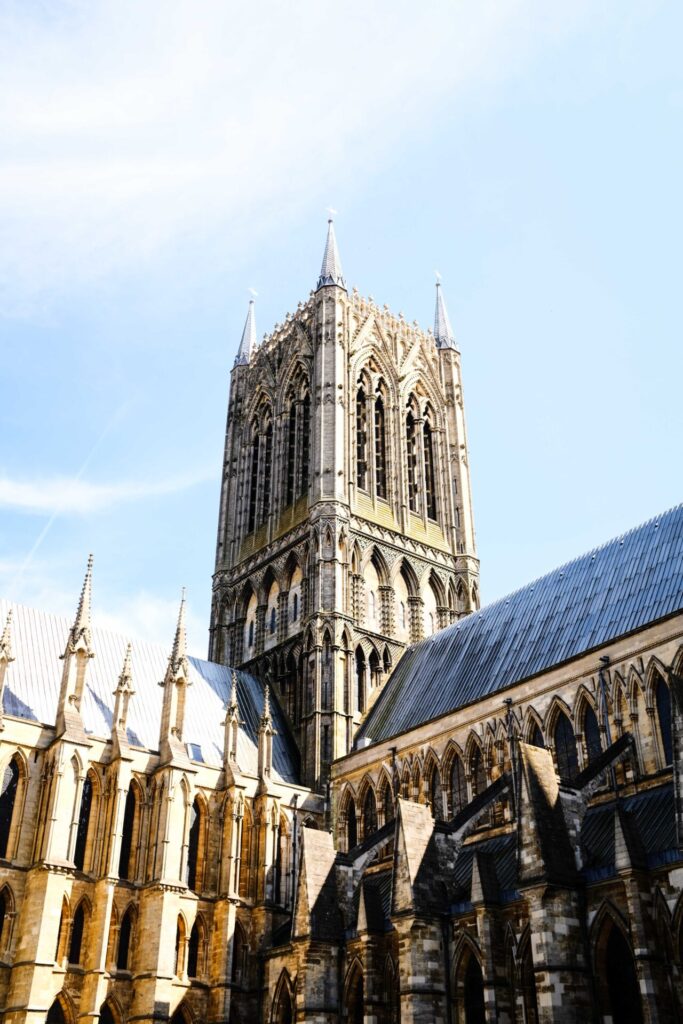
Here are a few photos taken at 35mm from 2019 onwards which I hope demonstrate what I love about this focal length. There’s plenty that I’ve missed out on when using such a tight focal length but maybe that’s the point.
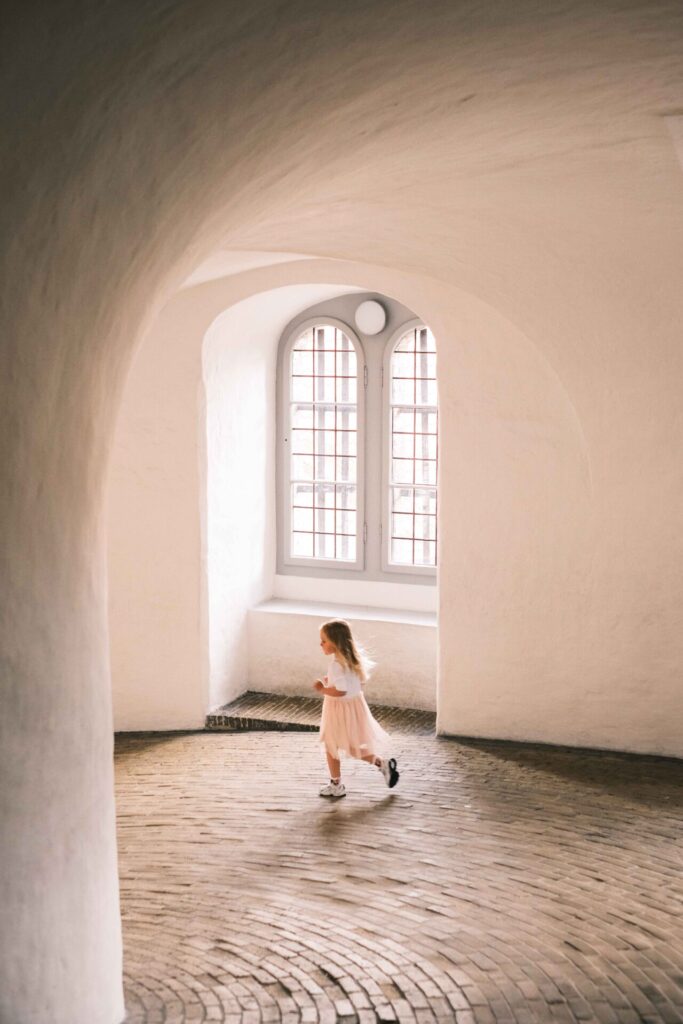
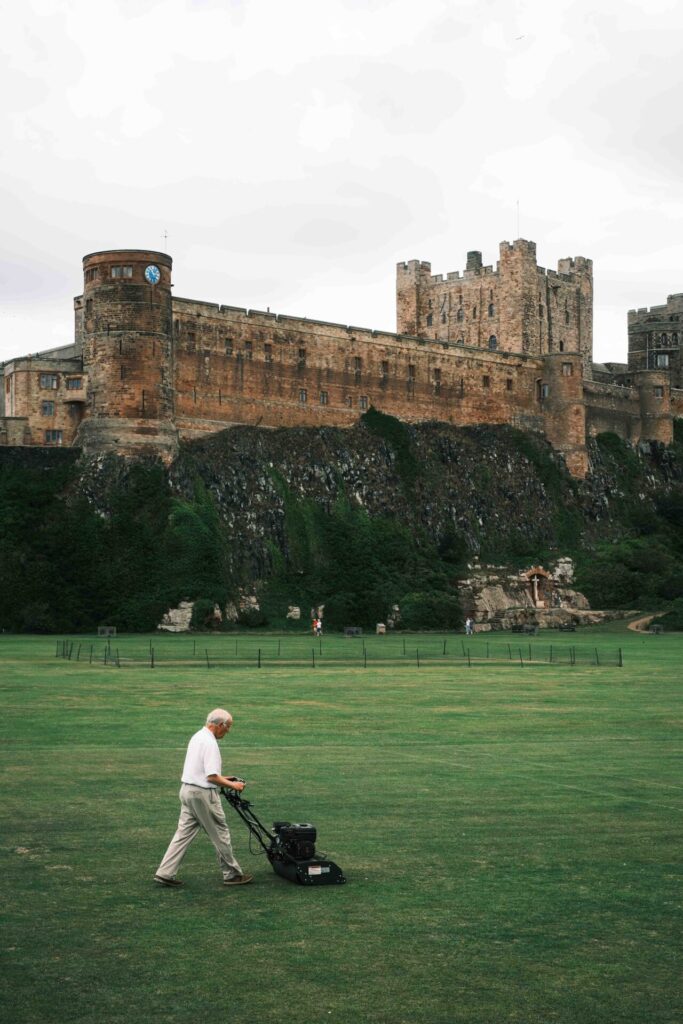
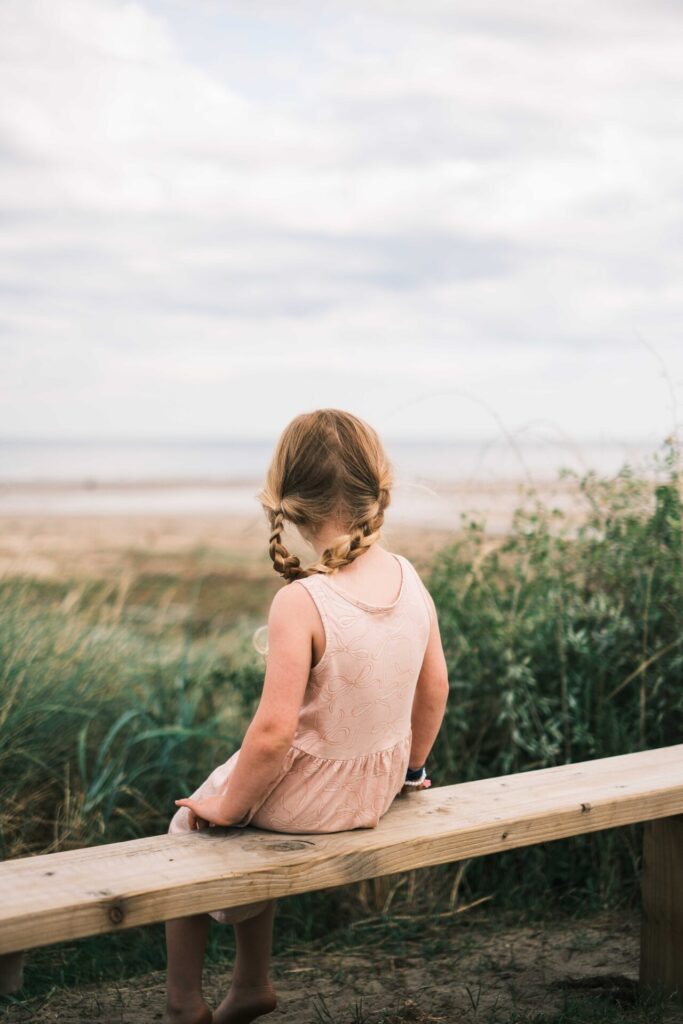
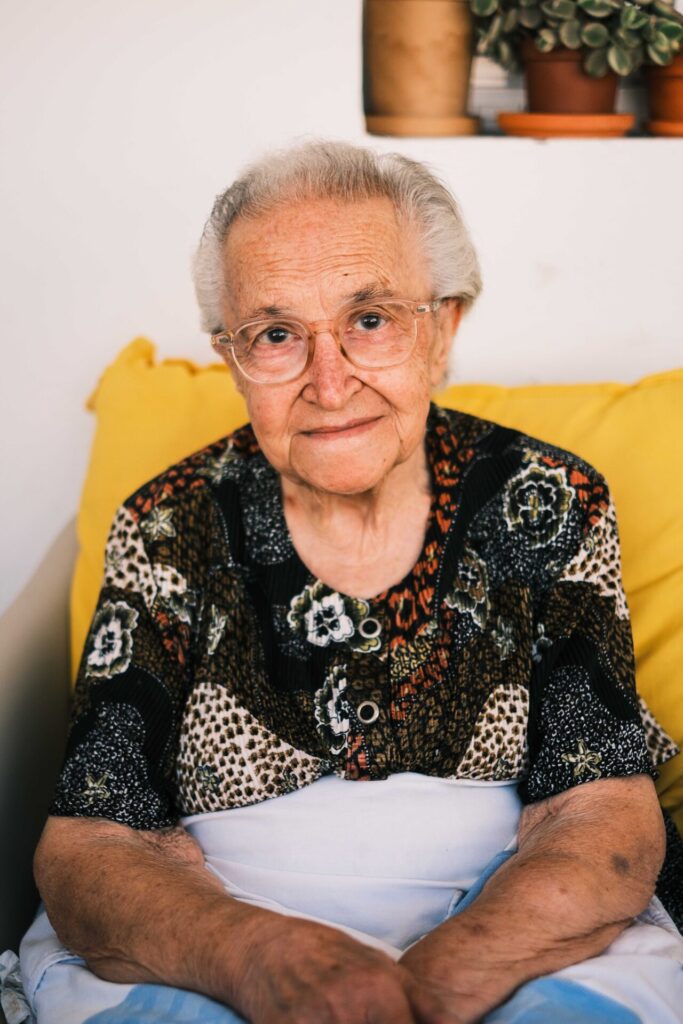
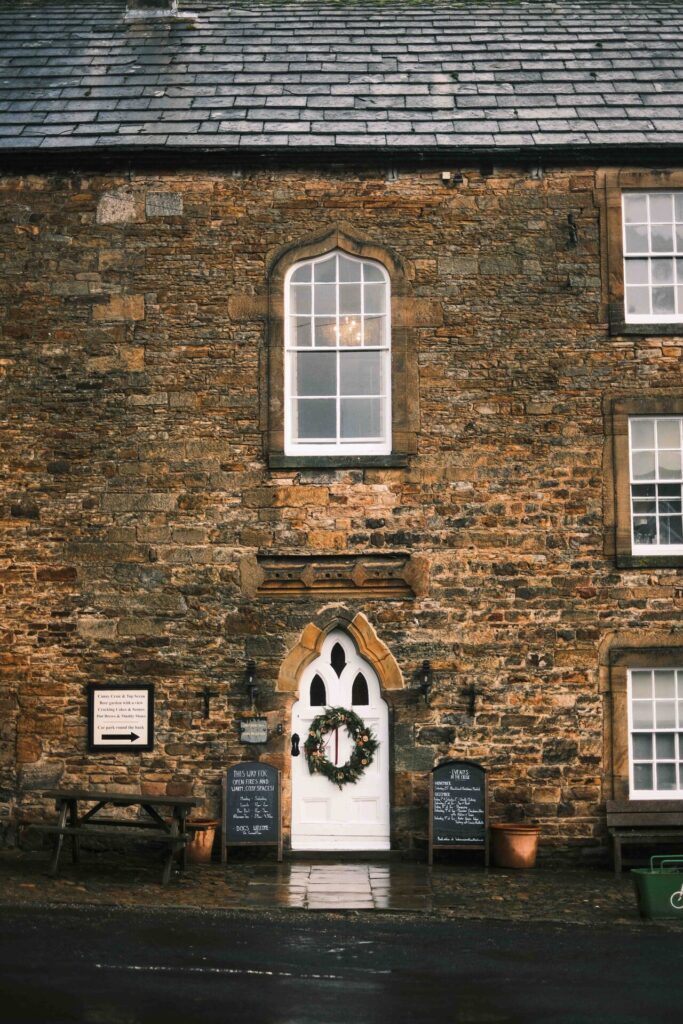
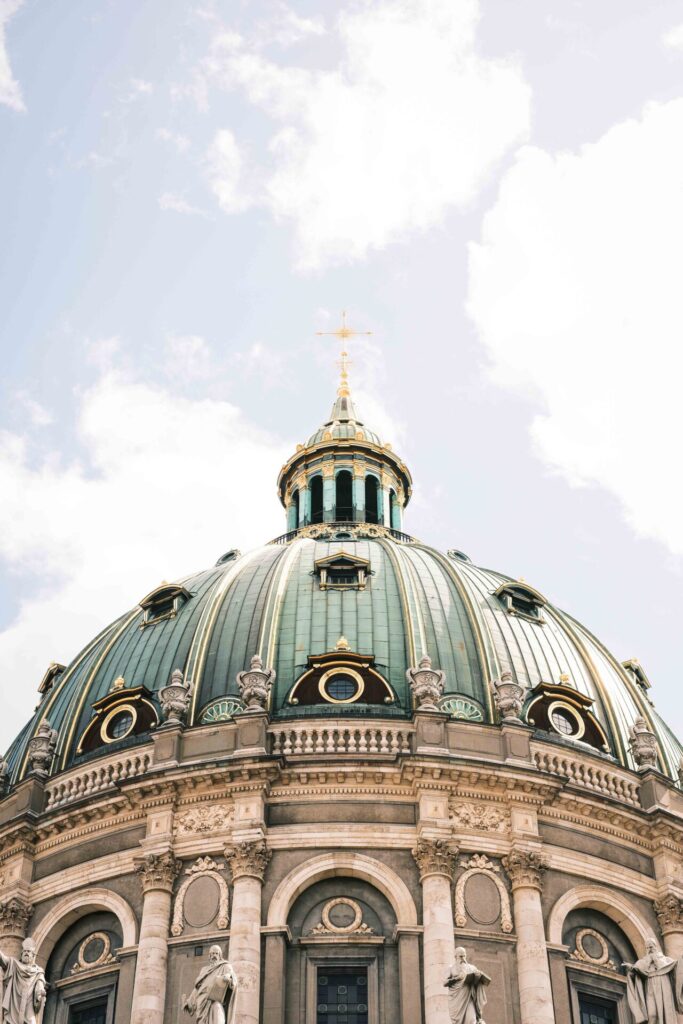
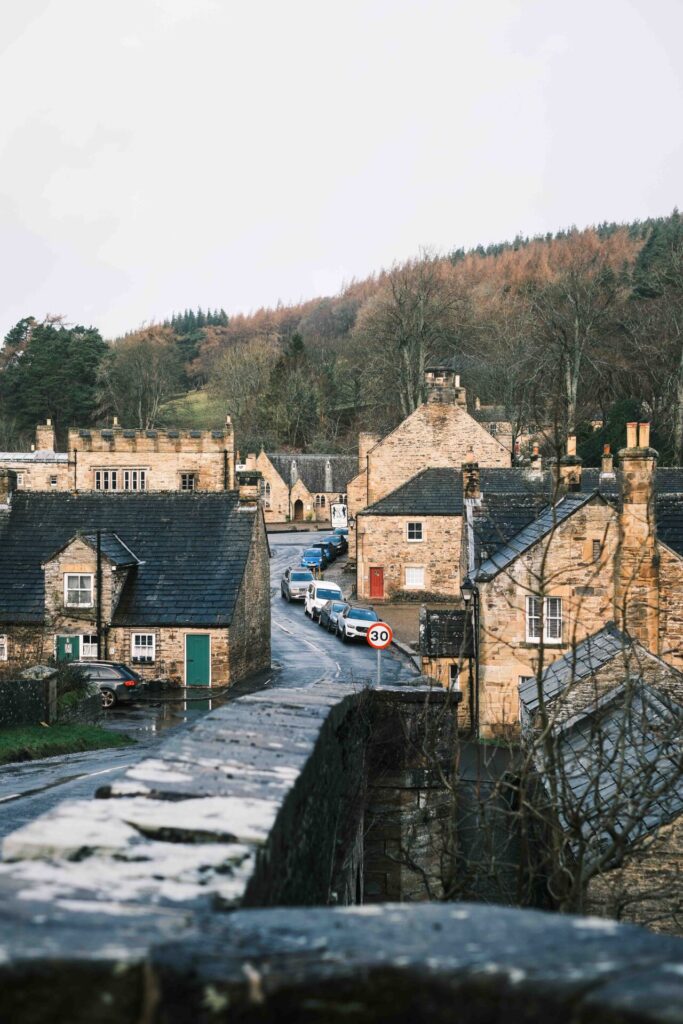

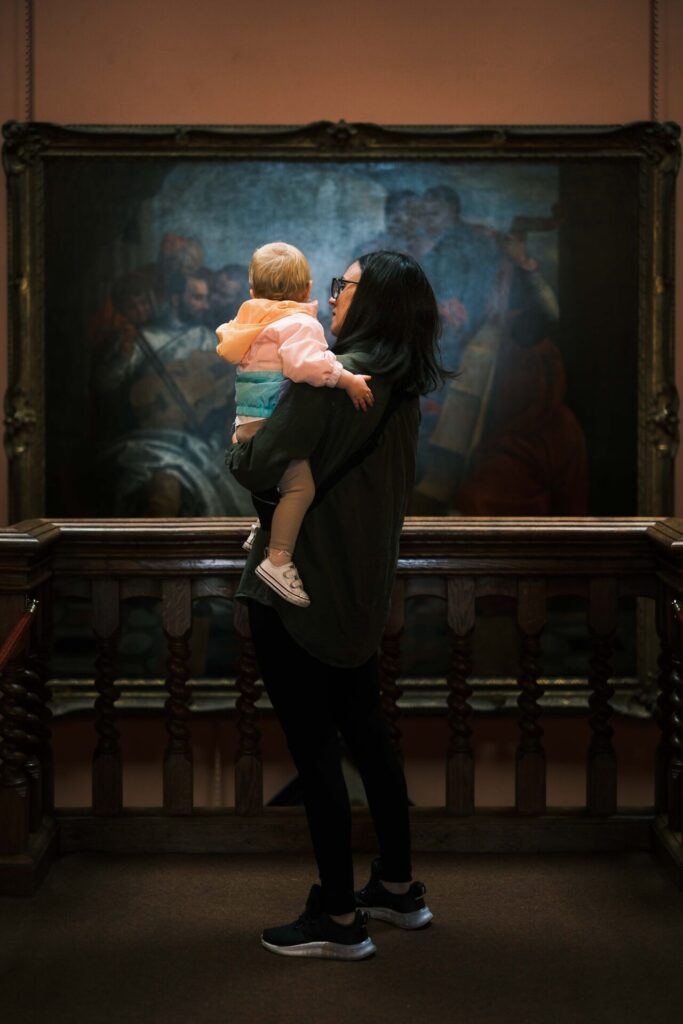

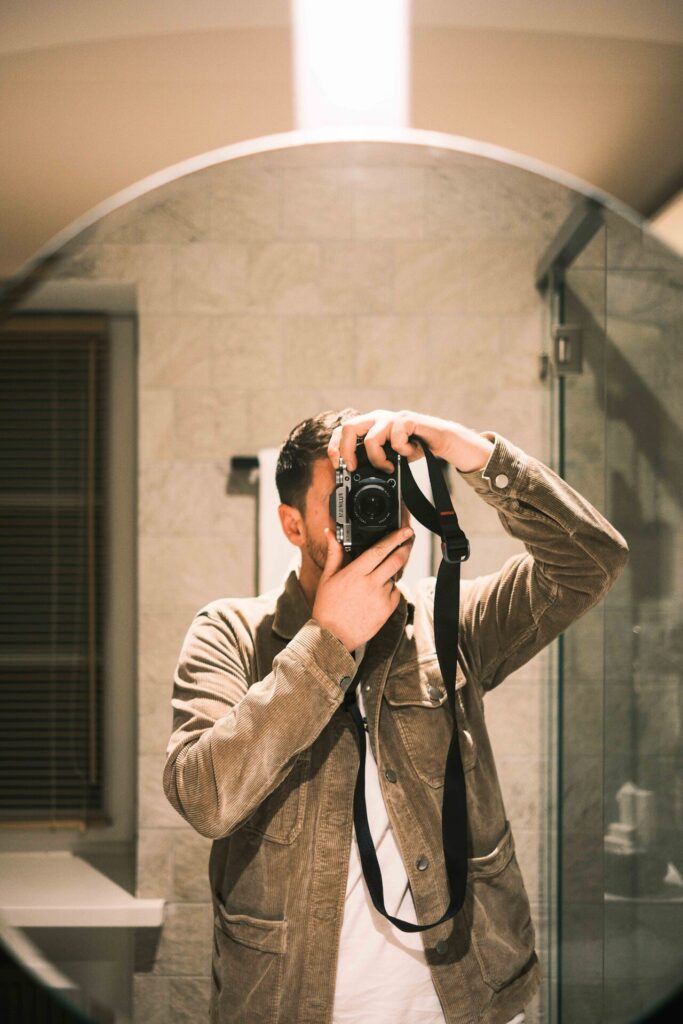
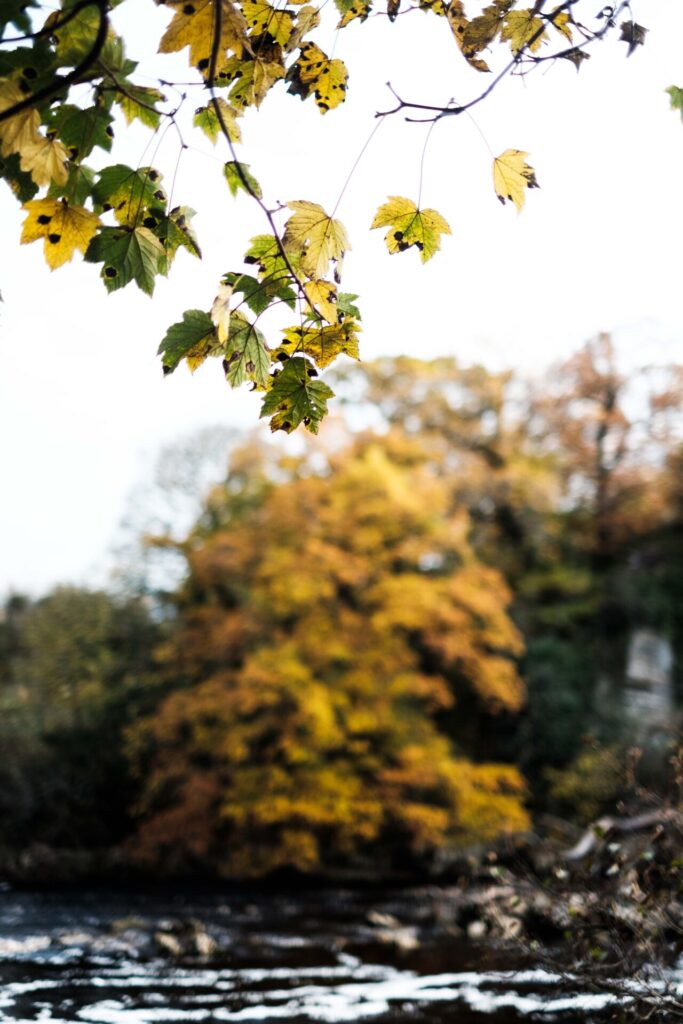

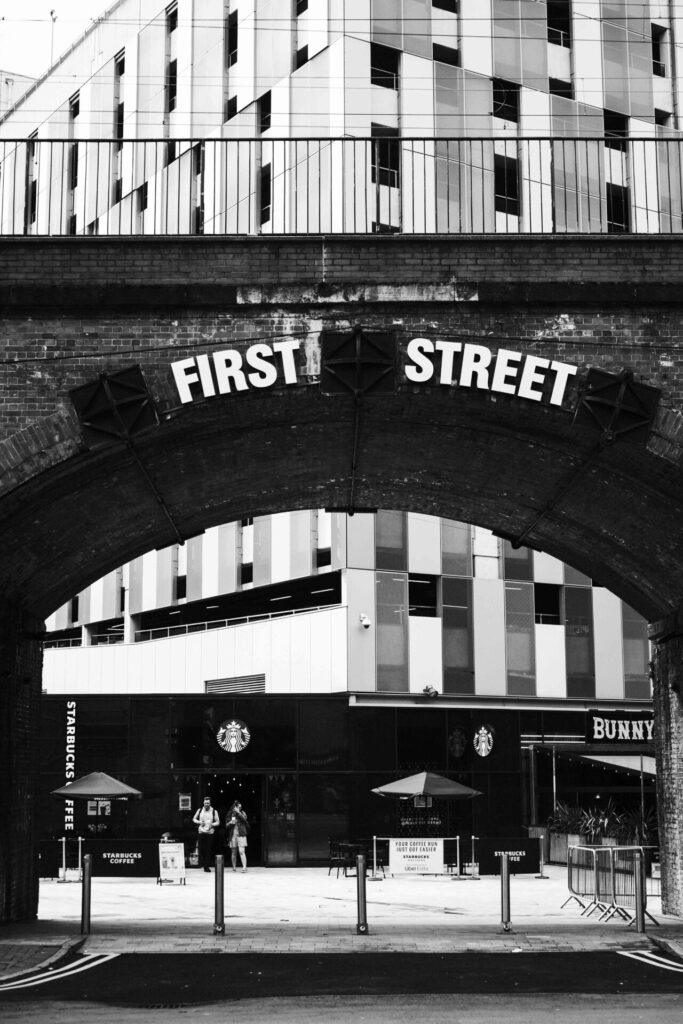
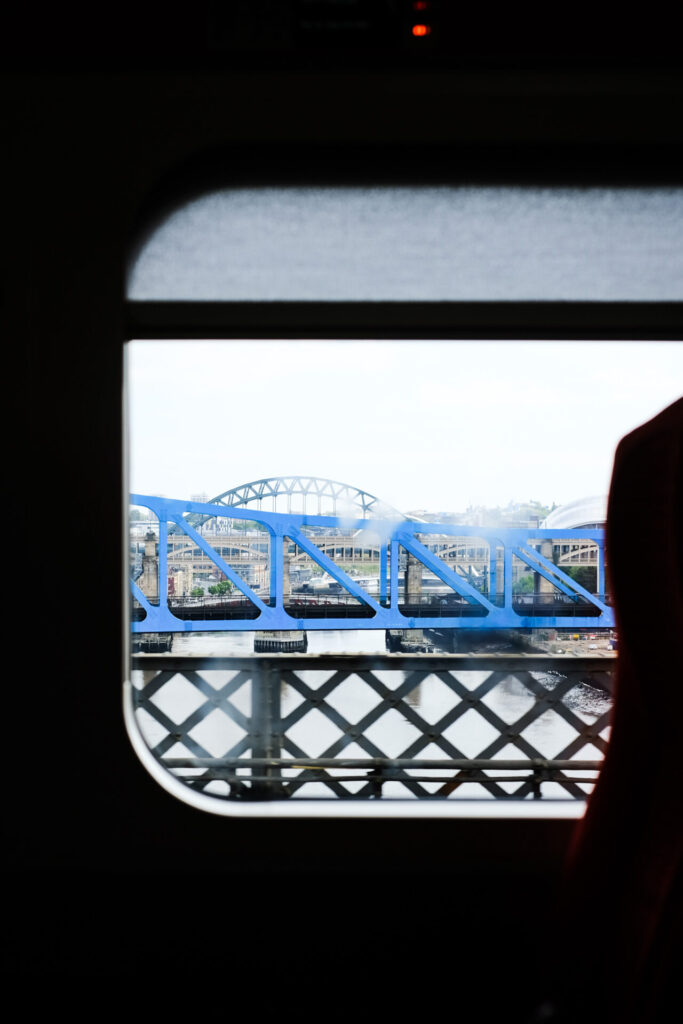
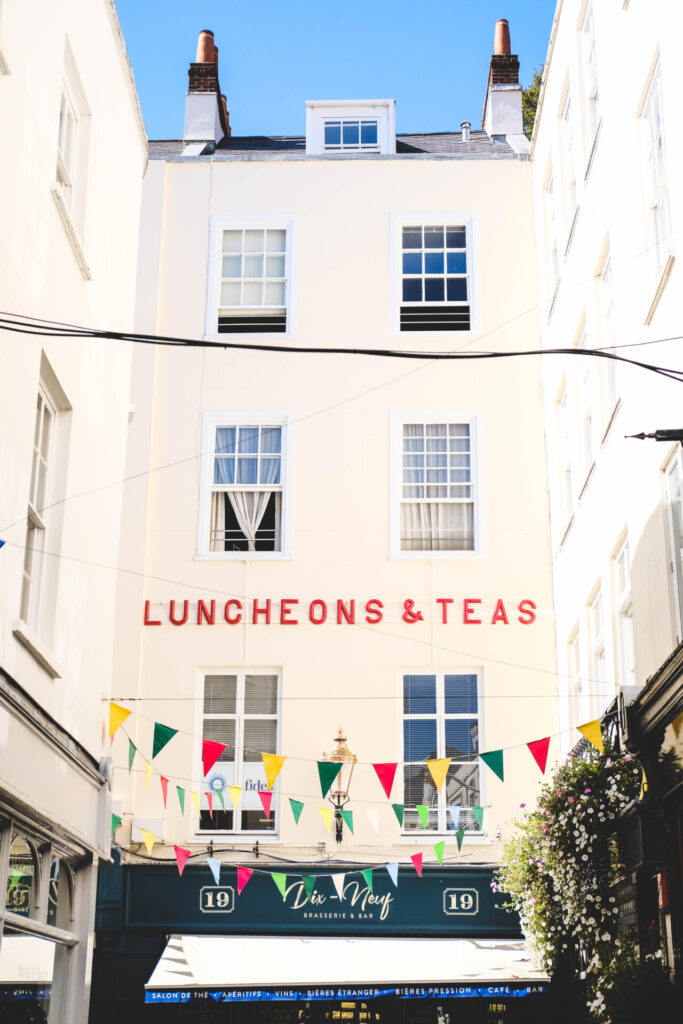
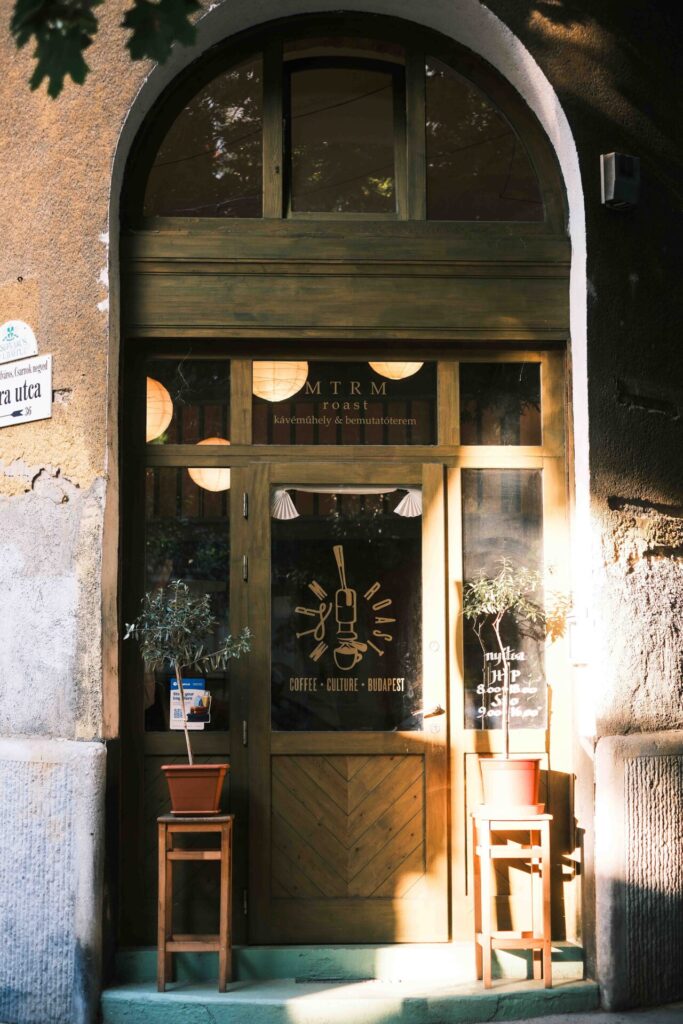
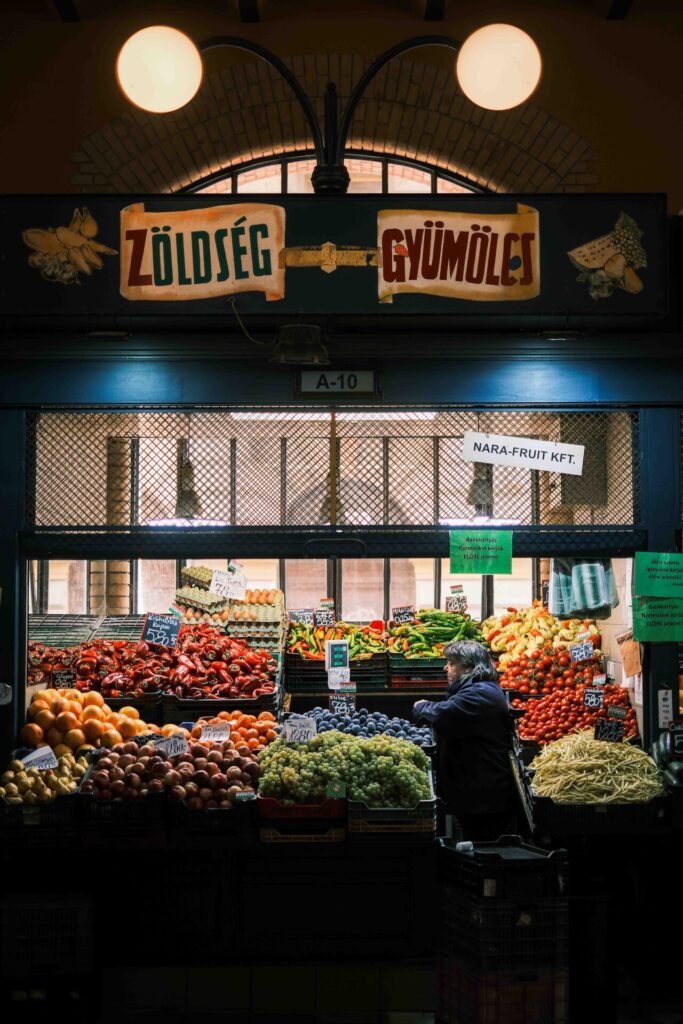
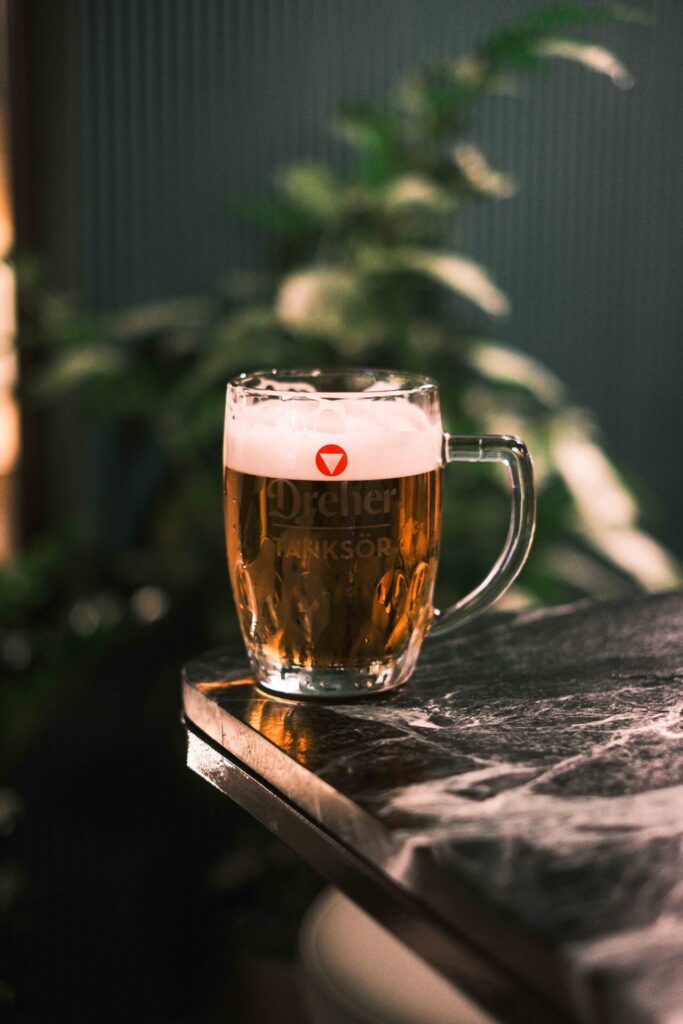



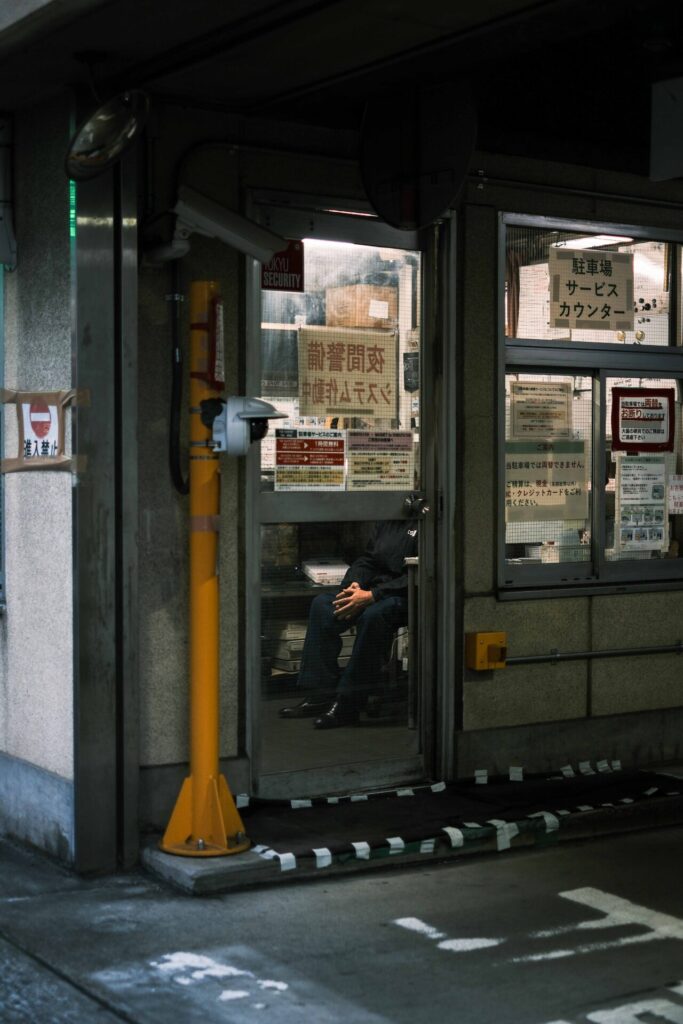
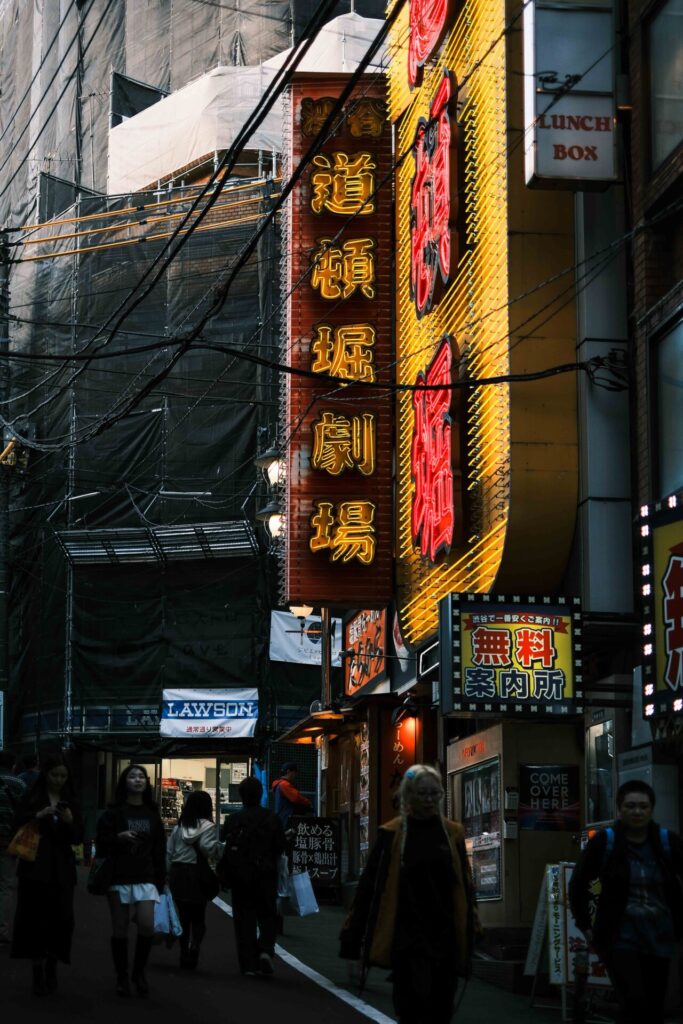

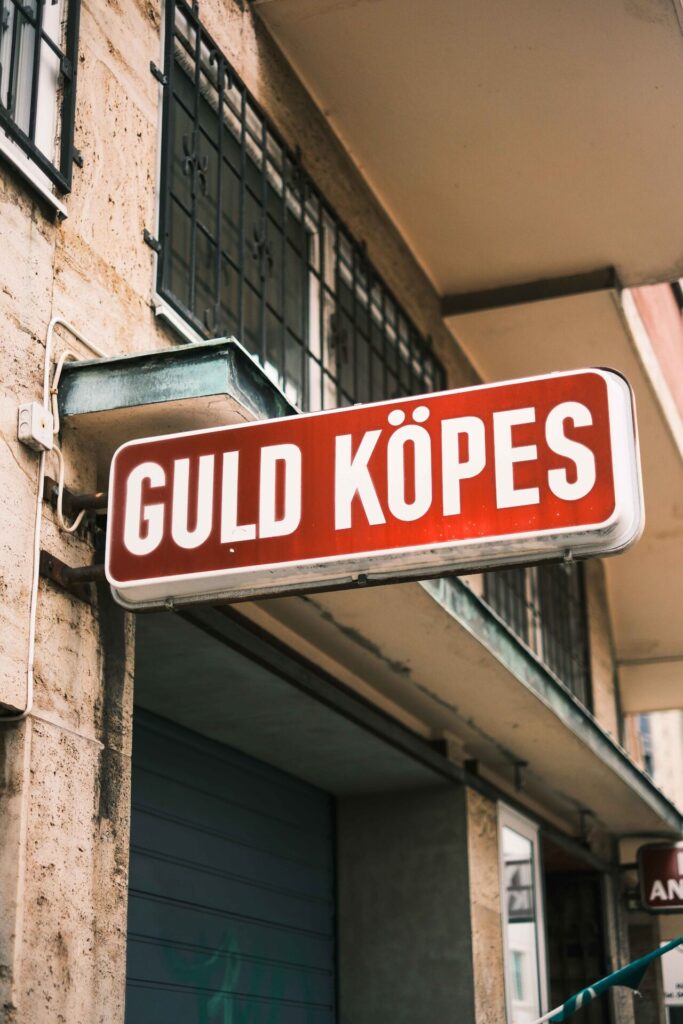
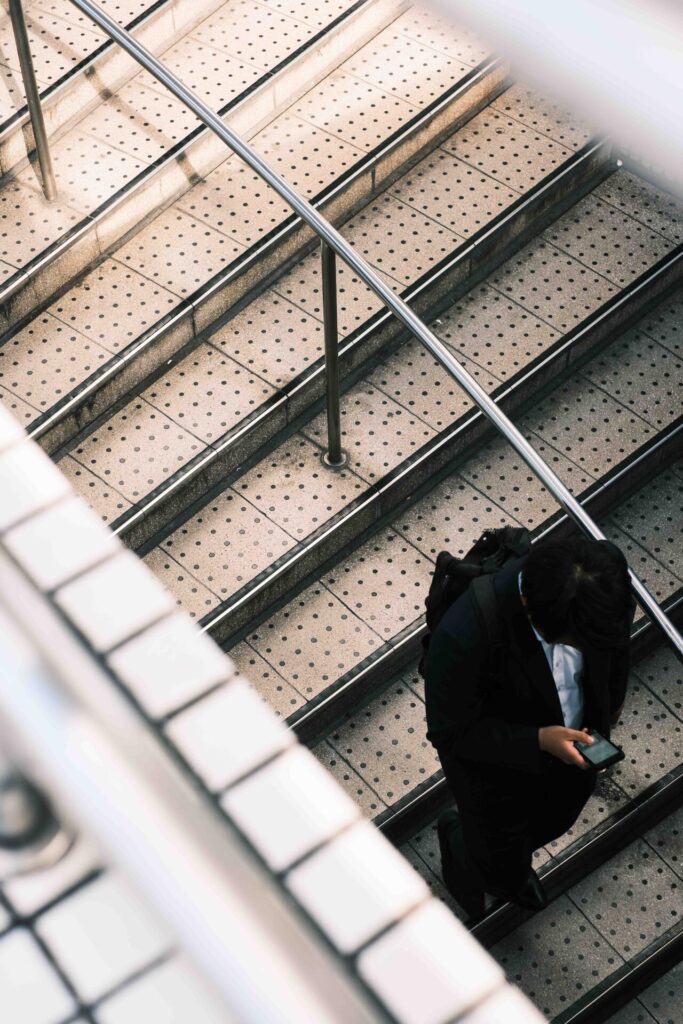
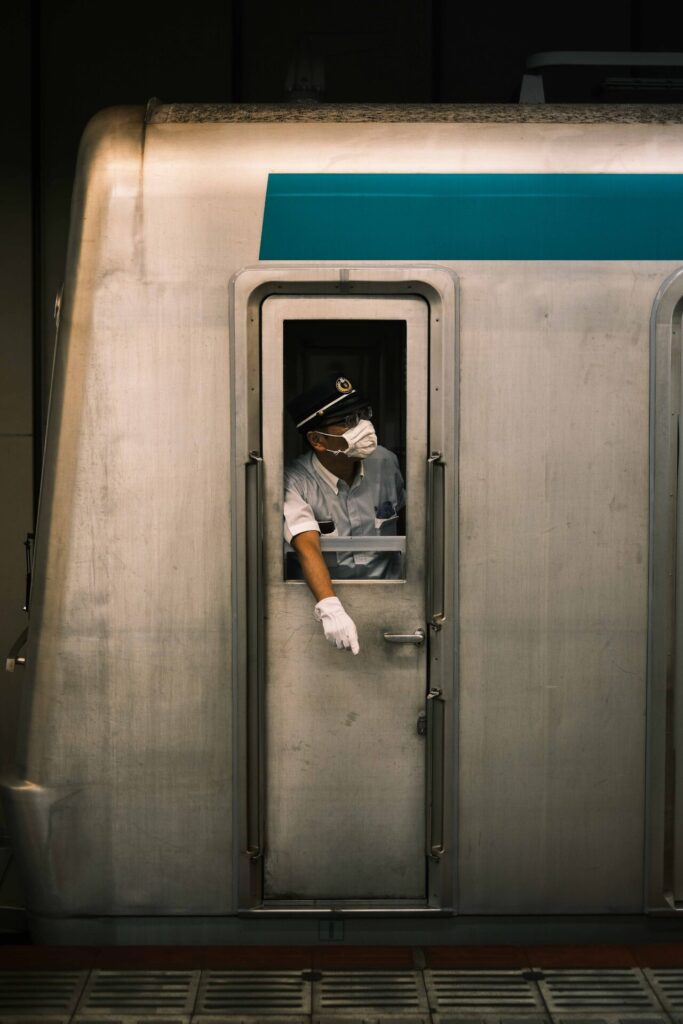
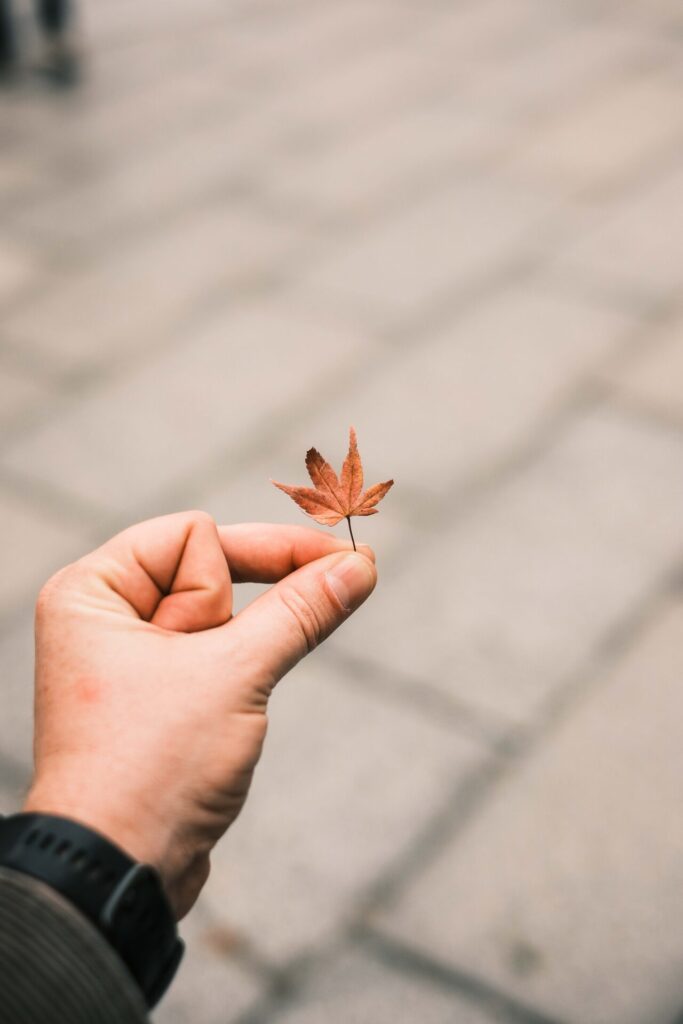
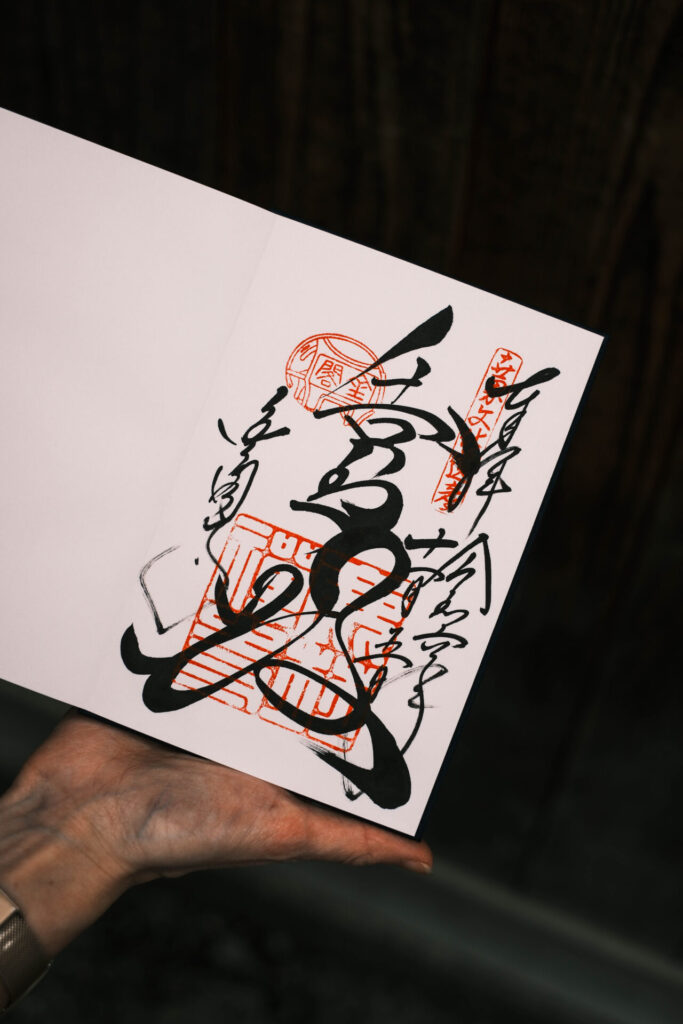

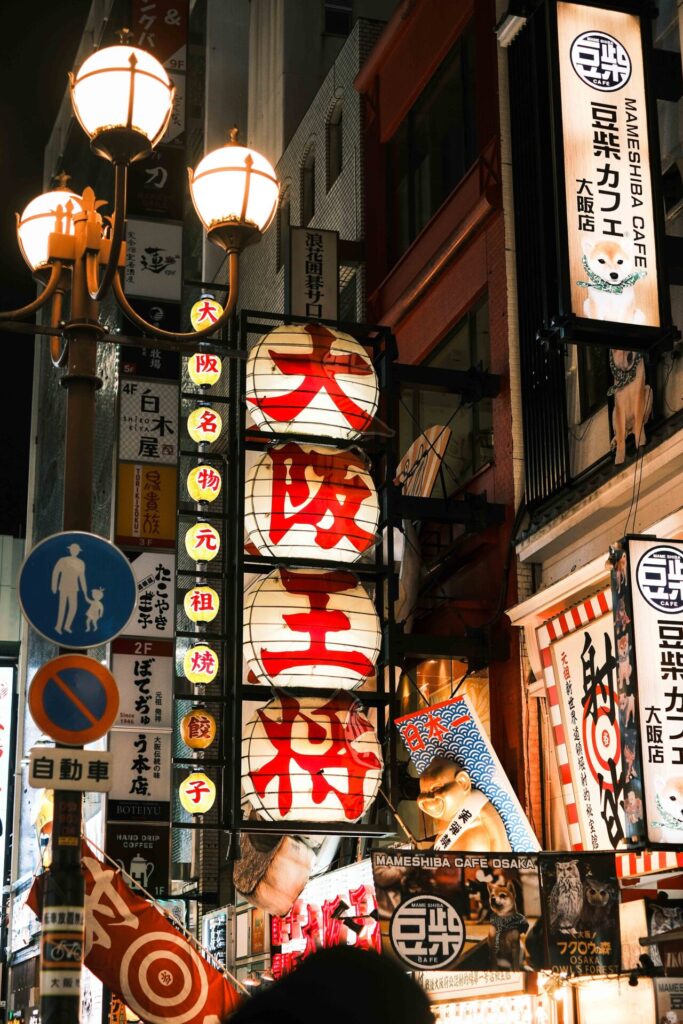
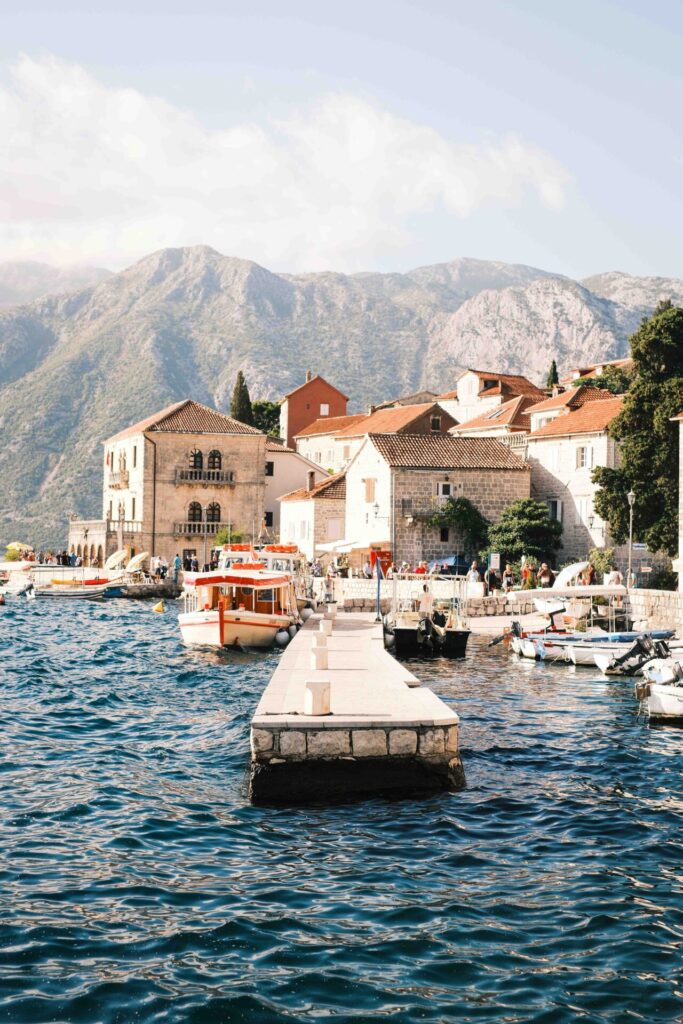
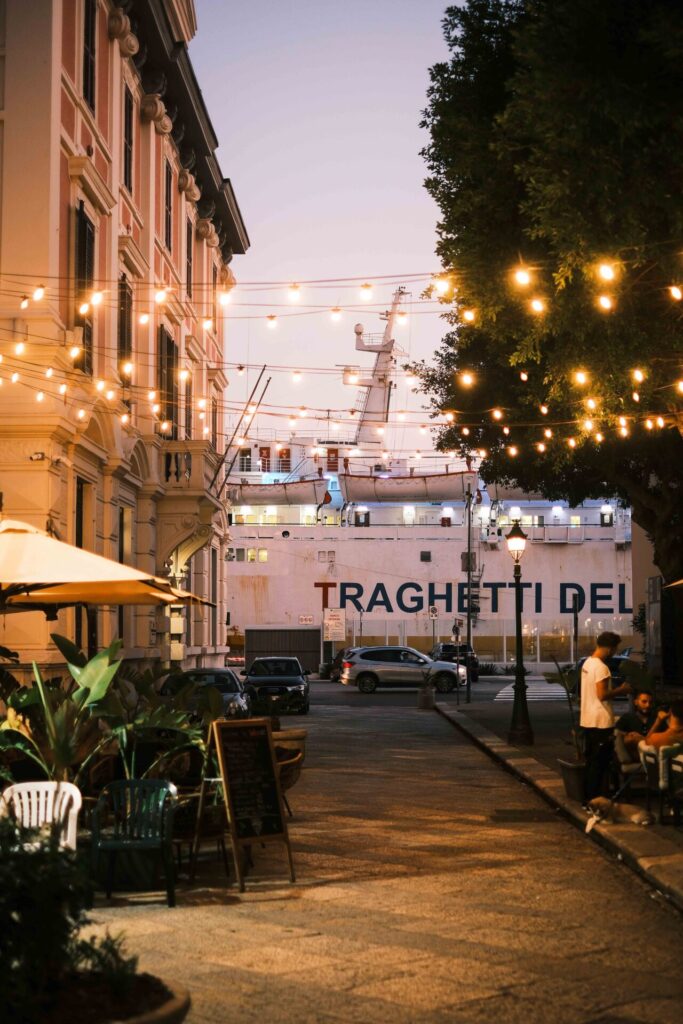
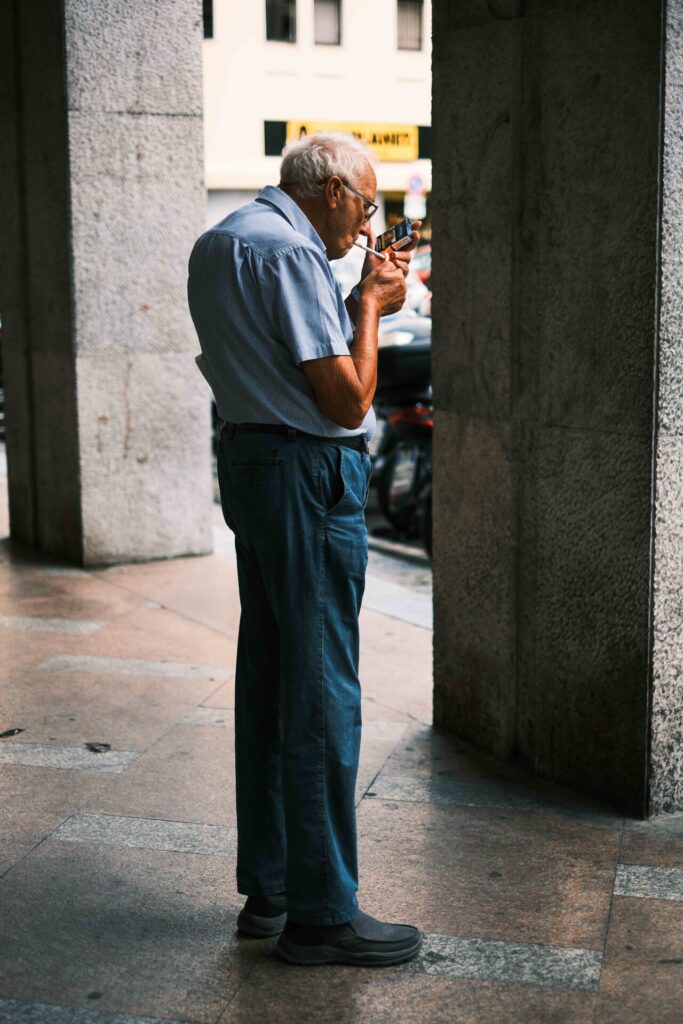


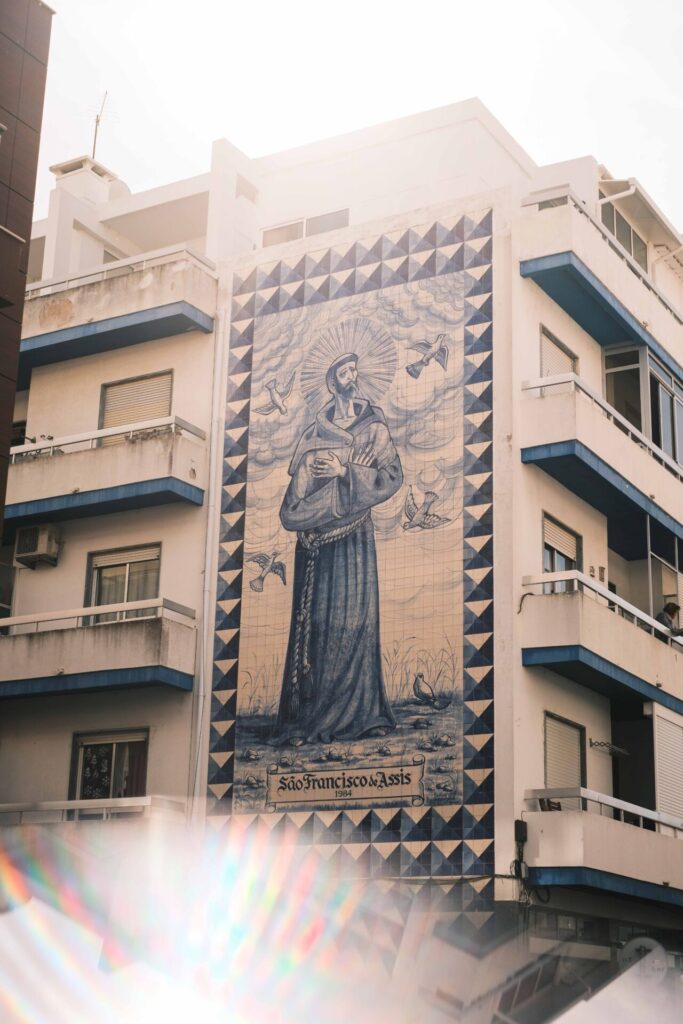
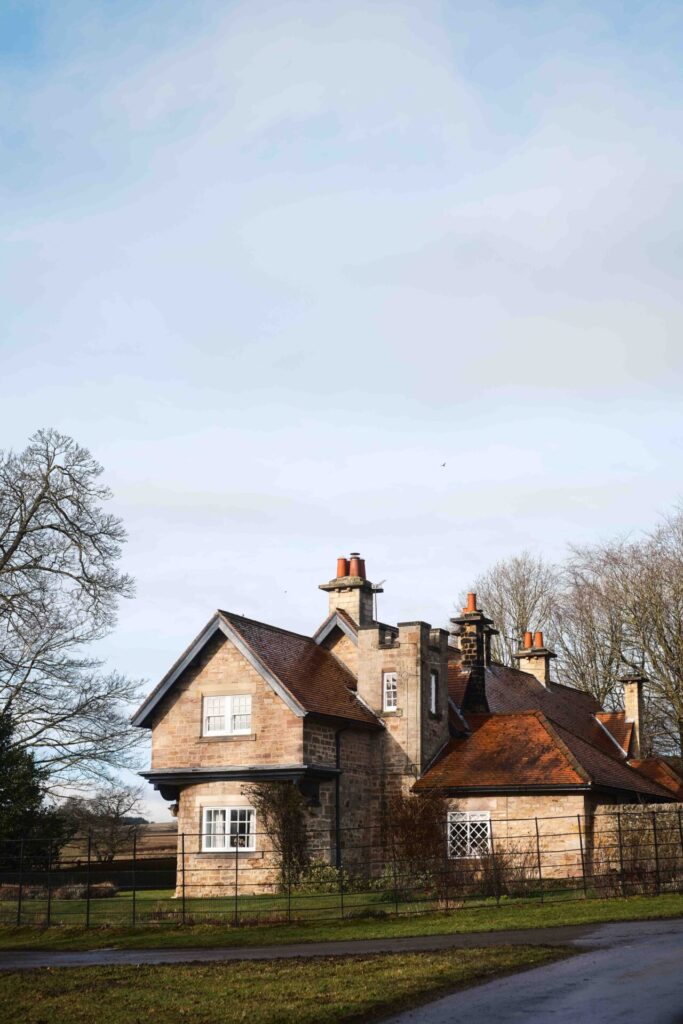
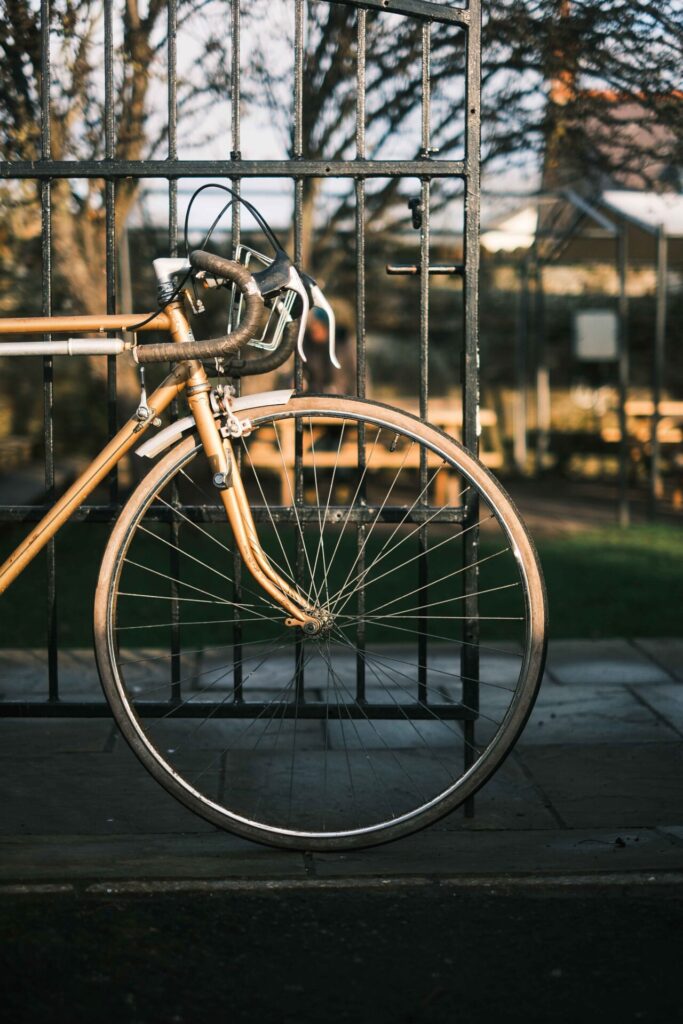
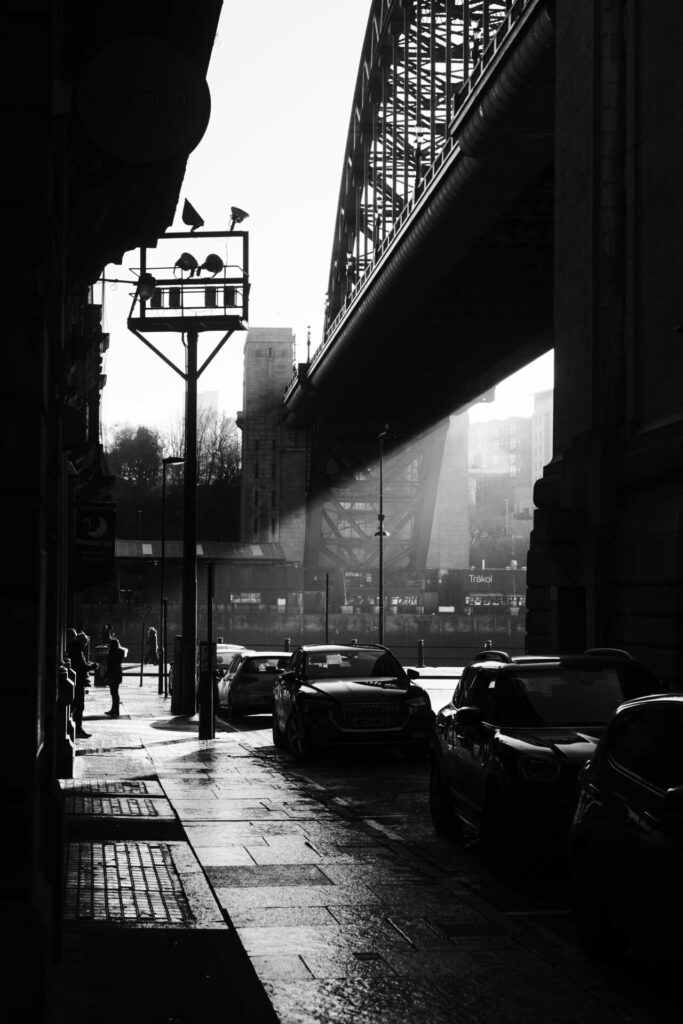
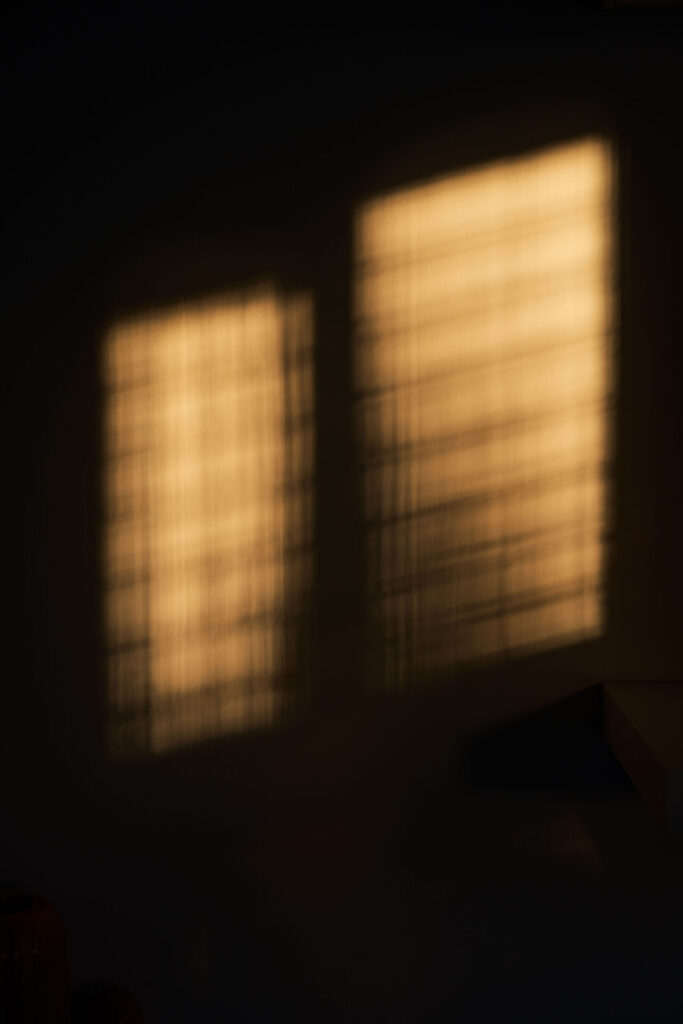
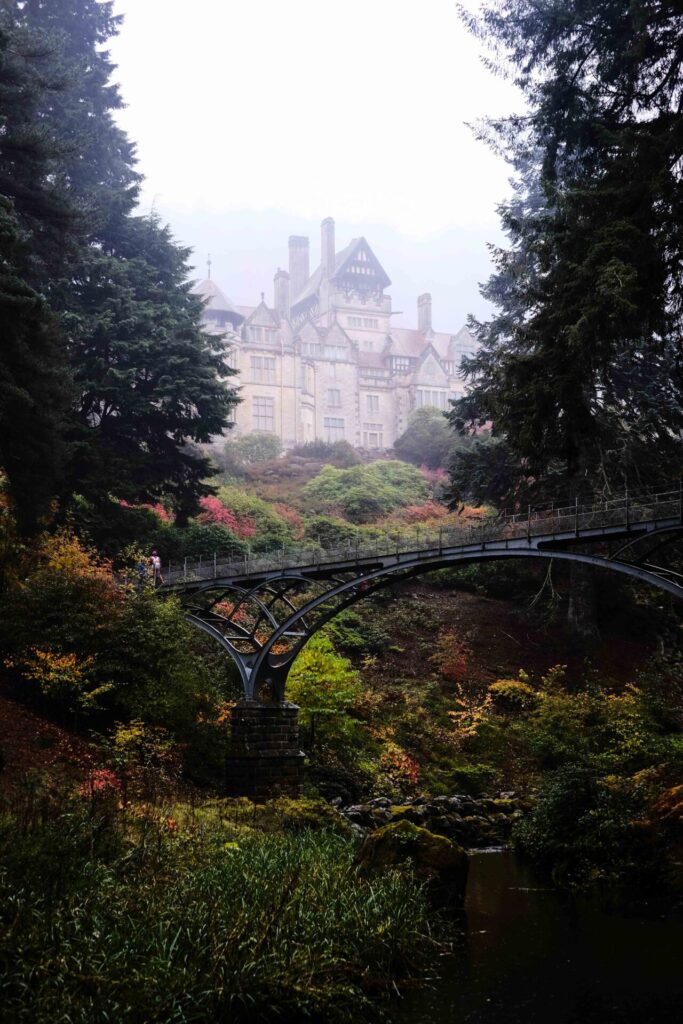
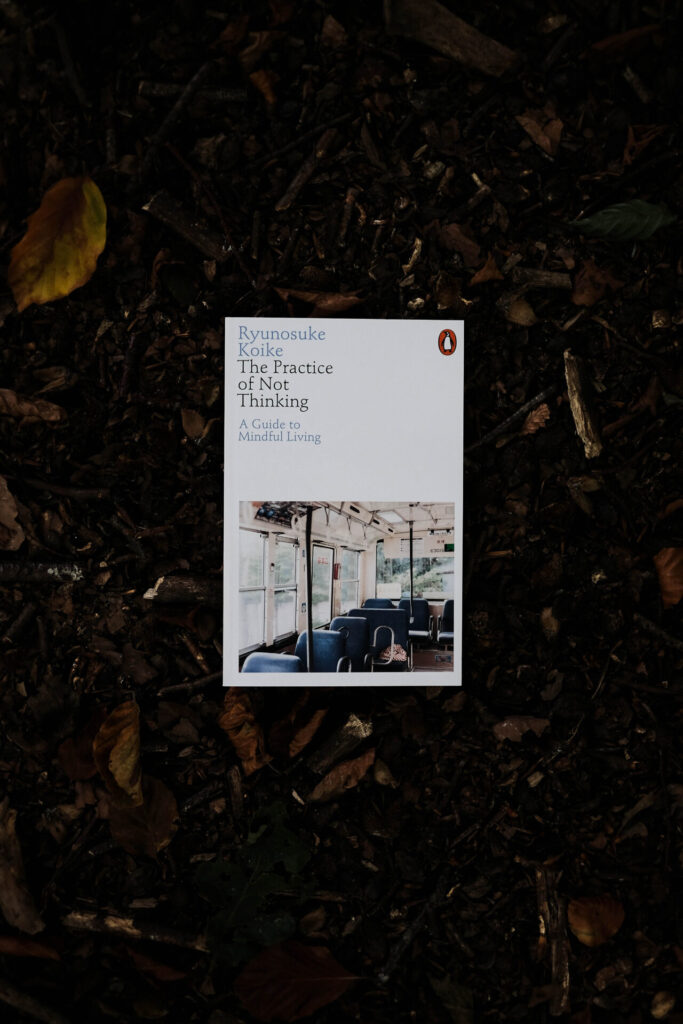
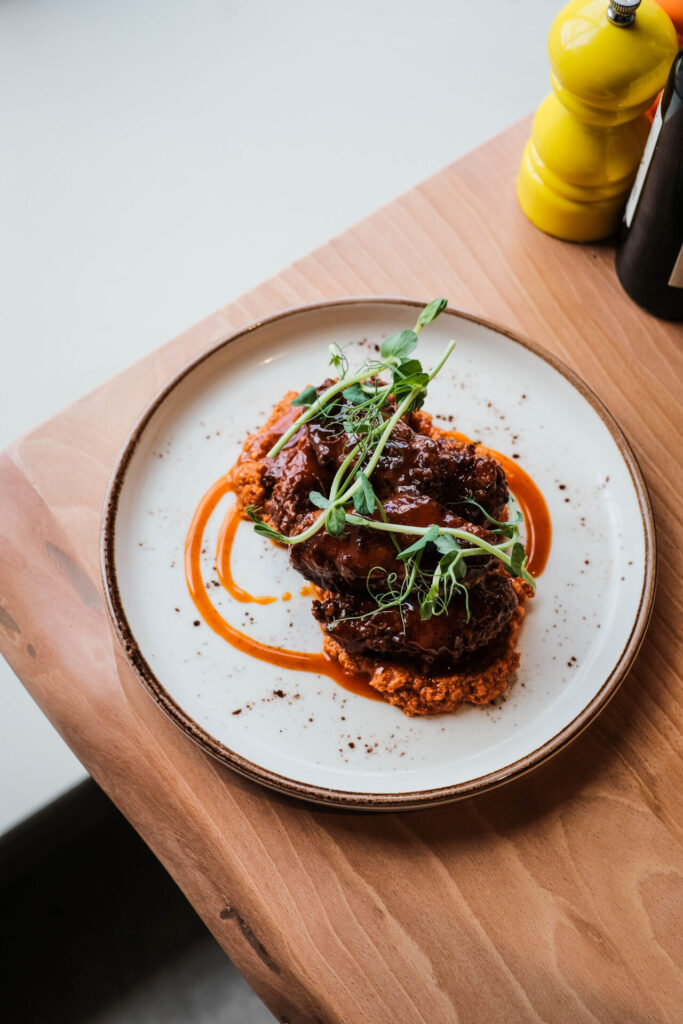
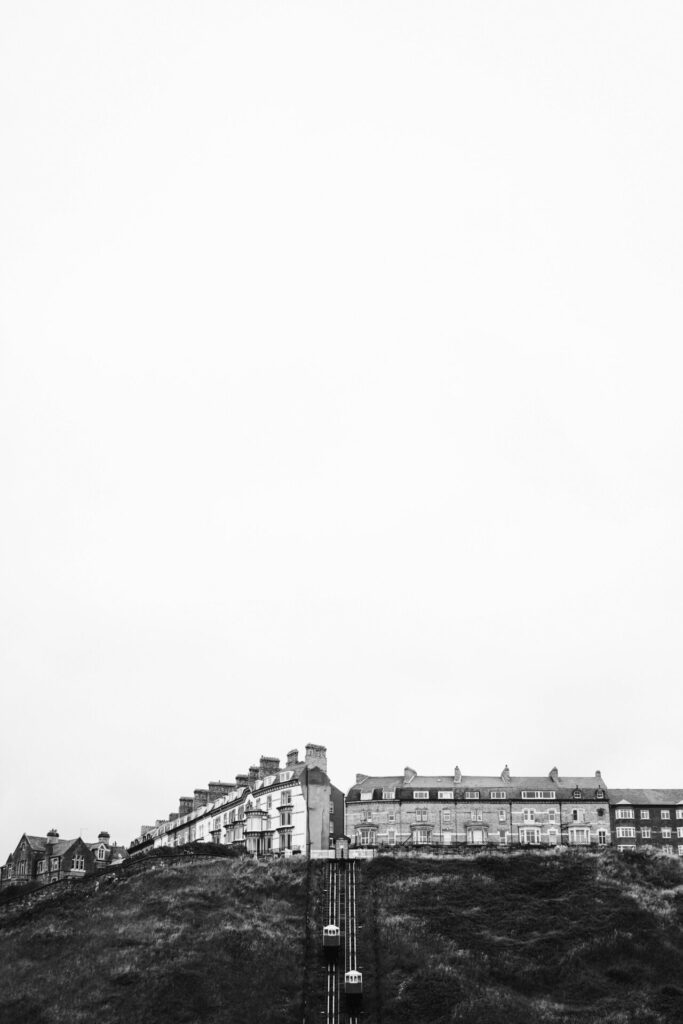
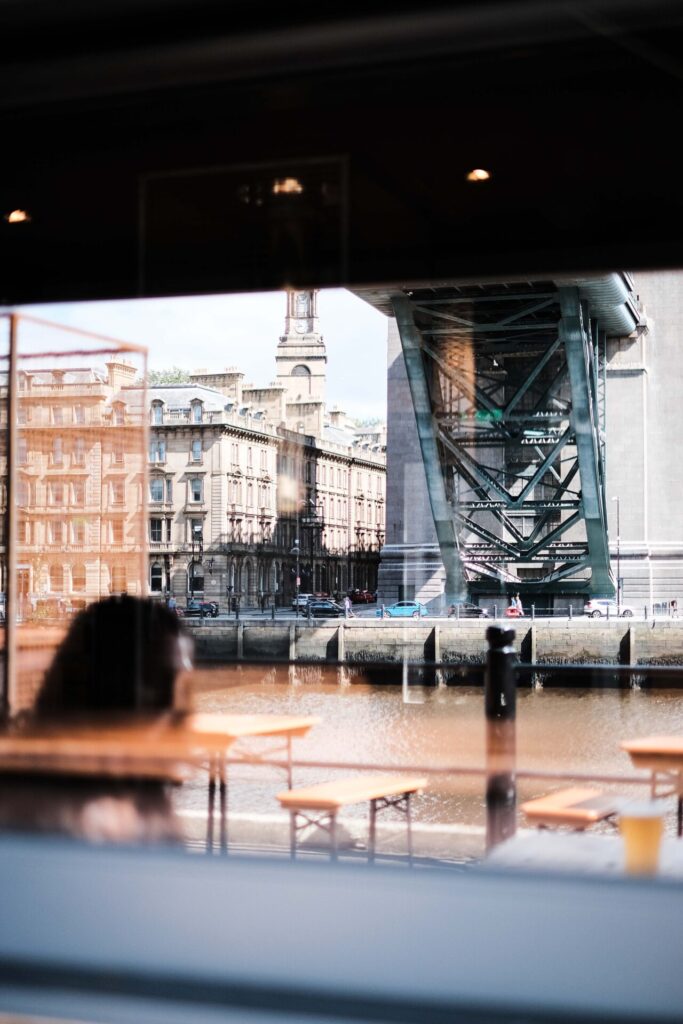
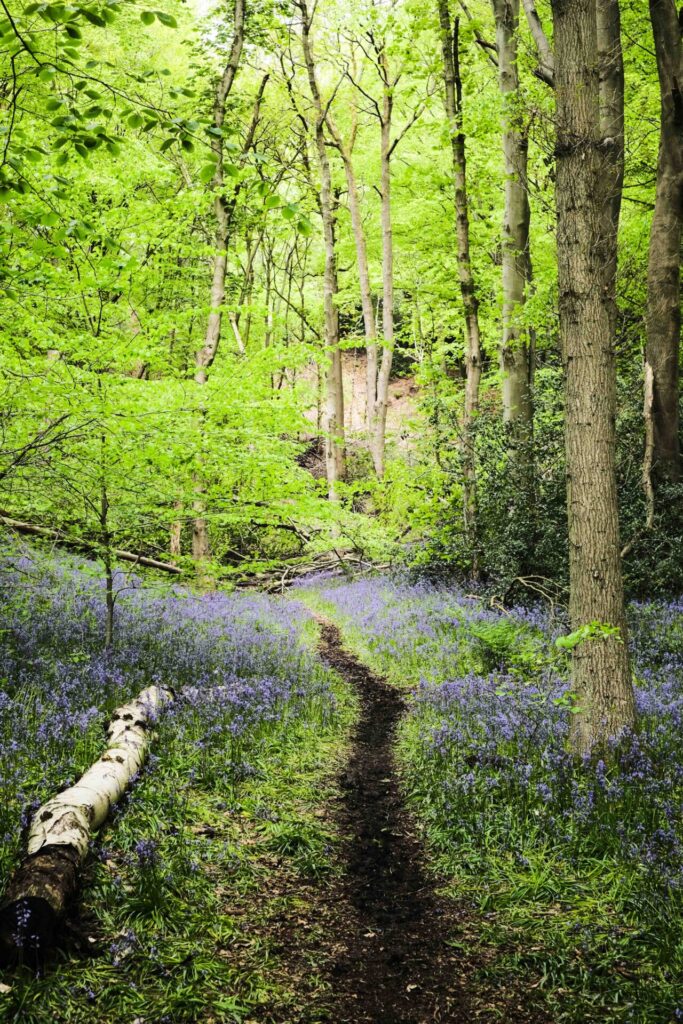
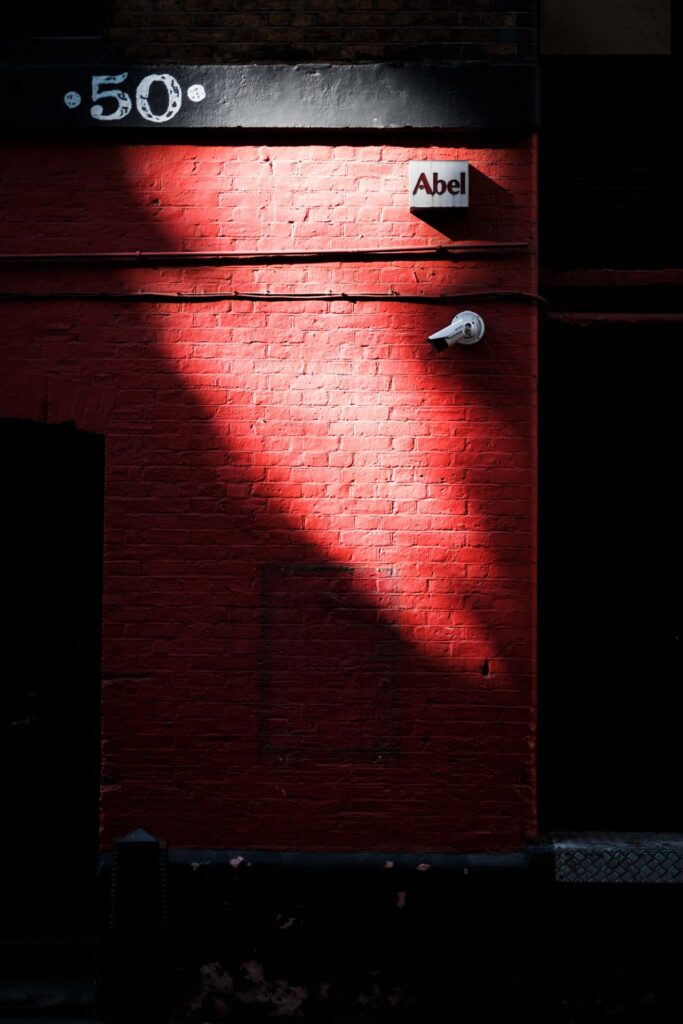
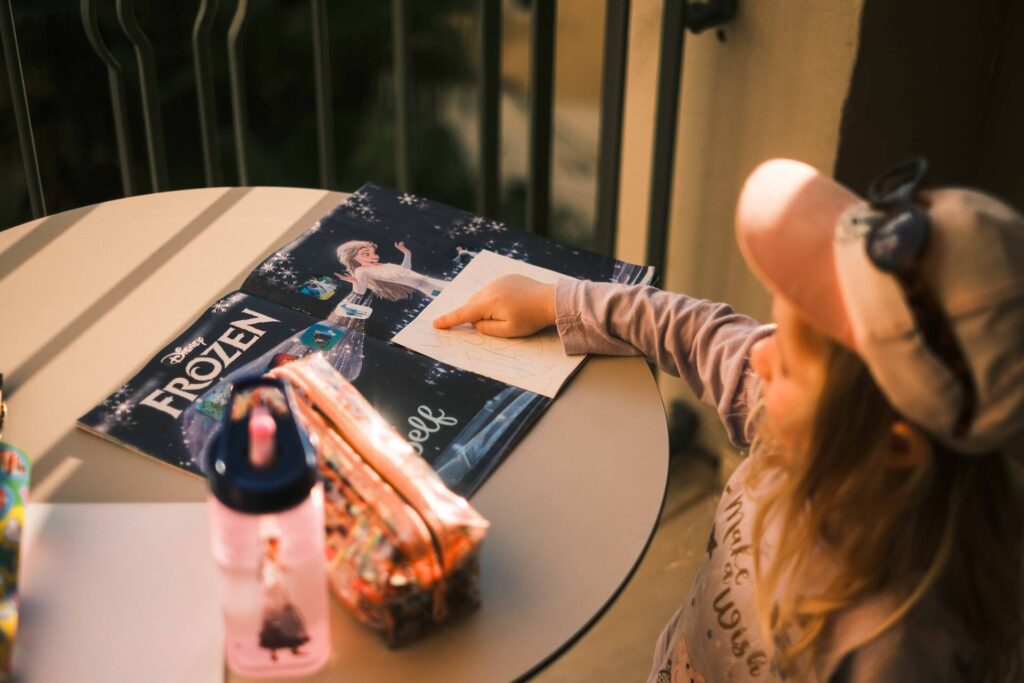

My Fujifilm 23mm vs 35mm Experience
In recent years, I’ve been able to call upon both the 23mm and 35mm focal lengths as and when I wish. I’ve added the Fujifilm X100VI to my collection and it’s fair to say that this, along with previous iterations, have taken the photography world by storm. But, every time I seem to use the 23mm focal length even recently on the Fujifilm X100VI I still feel that something is missing. I’ve travelled with the Fujifilm X100VI, and therefore the 23mm focal length, to different cities like Budapest and Copenhagen and I’ve still felt the need to take another camera just so I don’t miss out on the 35mm focal length. Of course it’s possible to crop in from the 23mm (but not the other way round) though it never quite gives you the same impact.
I’ve also found that 23mm lends itself better to horizontal images whereas I shoot vertically almost 100% of the time with 35mm. I always find that there’s too much of nothing when shooting vertically with 23mm but it could very well just be me and the situations I find myself in though, looking back at the photos, they’re not as terrible as I think. I wouldn’t say that any of my favourite images have been taken at 23mm whereas almost all of my best images are at 35mm. That’s saying something isn’t it.
What I thought would be really interesting for this article too would be to dive into some actual data from a decade of usage to see what that says about the way in which I shoot. I know that me, sitting here right now, would say that 35mm is my favourite focal length, the one I can’t leave home without but, when given the choice, what do I lean towards? The wider 23mm or the tighter 35mm. Well, neither is an option too but you’re wanting to get a conclusion as to whether we’re preferring 23mm or 35mm.
Over the last few years, I’ve shot less with primes than I used to and have been using zoom lenses – firstly the Fujifilm 18-55mm f/2.8-4 and now the the Sigma 17-40mm f/1.8 lens. This has primarily been down to the fact that travel photography has literally become my job and so I don’t want to keep swapping lenses or miss something important so a zoom lens for me right now is the right choice. However, even with a zoom lens there’s always going to be a focal length that you prefer to shoot at isn’t there and I think that will really help demonstrate the type of shooter I am and whether, in the battle of 23mm vs 35mm, which is the data-driven winner.
First up we’ll simply compare the prime lenses. The 23mm however does include the X100F and X100VI so I might expect those number to be a little higher considering they are separate cameras altogether.
23mm – 17,386 photos
35mm – 14,567 photos
Closer than I thought it would be.
Now, when given the freedom of a zoom lens, which focal length do I prefer? The results aren’t what you expect.
Across my 17-40mm and the 18-55mm zoom lenses, I have more than 12,000 photos in total.
23mm range (20mm – 26mm) – 1,607 photos
35mm range (32mm – 38mm) – 982 photos
The data then gives a clear winner, my shooting style tends to lean towards the 23mm.
When I add in the other focal lengths available to me, things get even more interesting.
Wide range (17mm – 19mm) – 4,226 photos
Middle range (27mm – 31mm) – 1,082 photos
Long range (39mm – 55mm) – 4,172 photos
Almost two thirds of all of my zoom images are taken at the extremes; go wide or go long, there’s no middle ground. Combined with the data on the prime lenses, I seem to naturally lean towards wider focal lengths which I guess does make sense as it’s much more flexible. I can shoot architecture, street scenes, family moments and cafés for example without worrying whether I physically have enough room to fit everything in the frame.
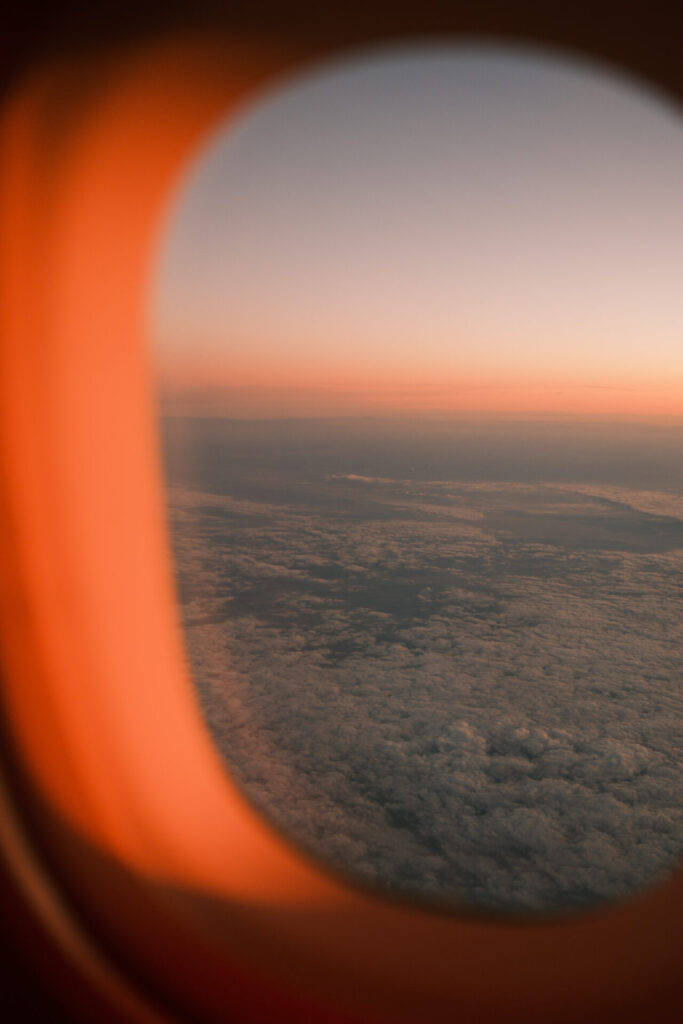
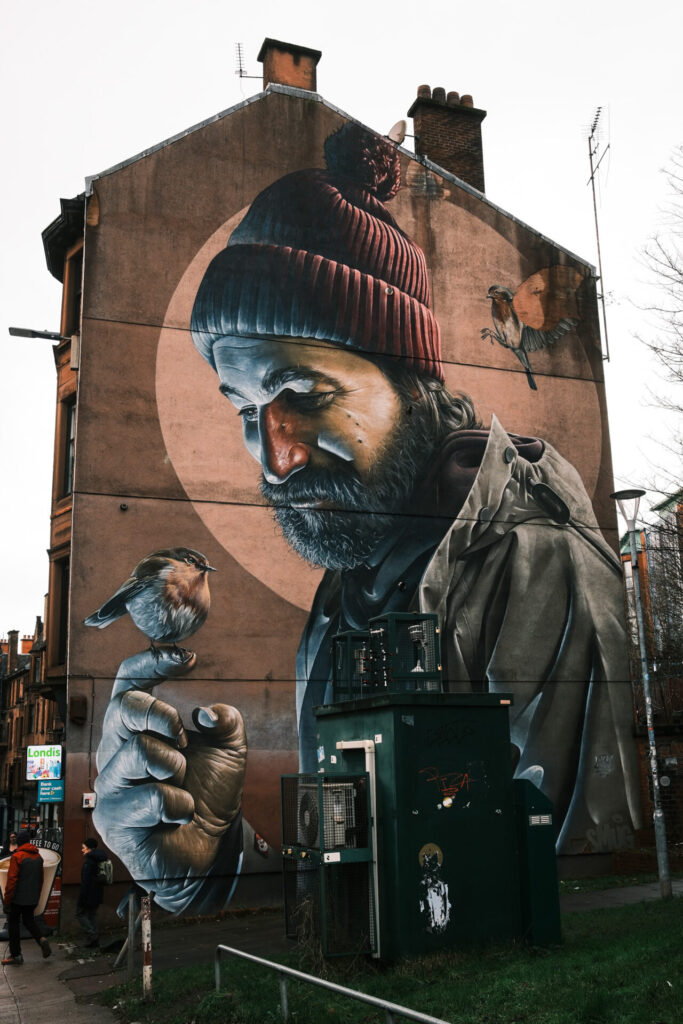
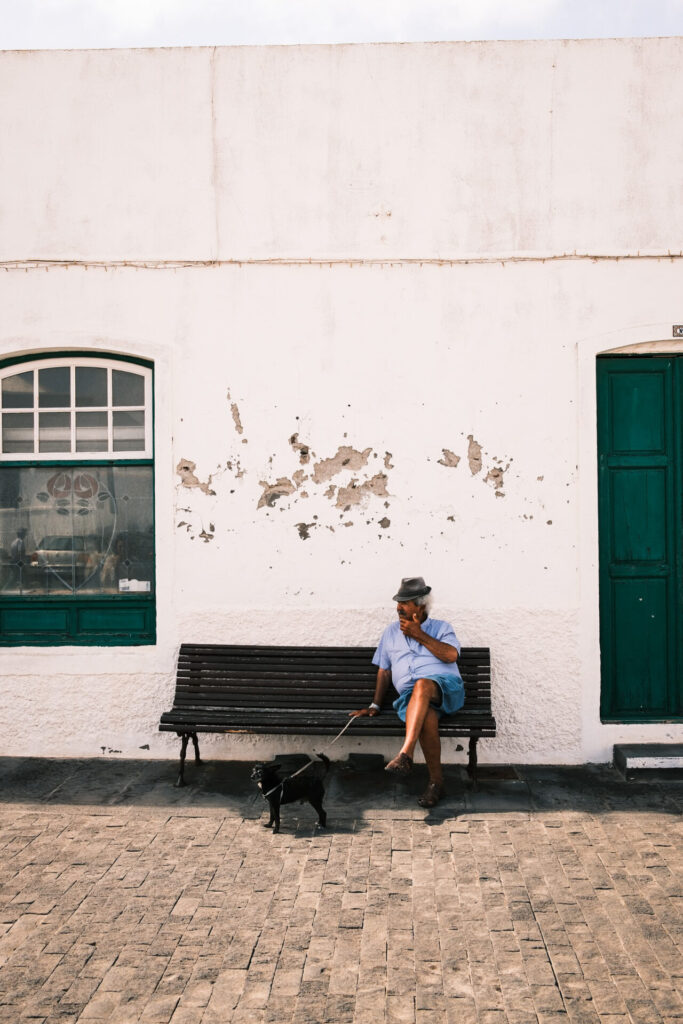
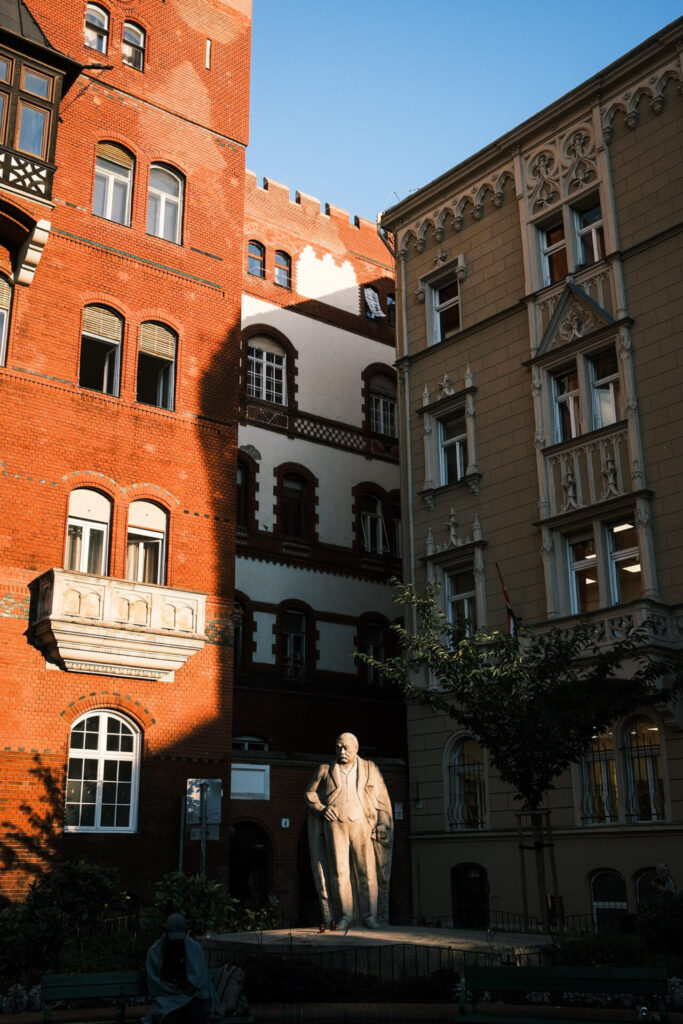
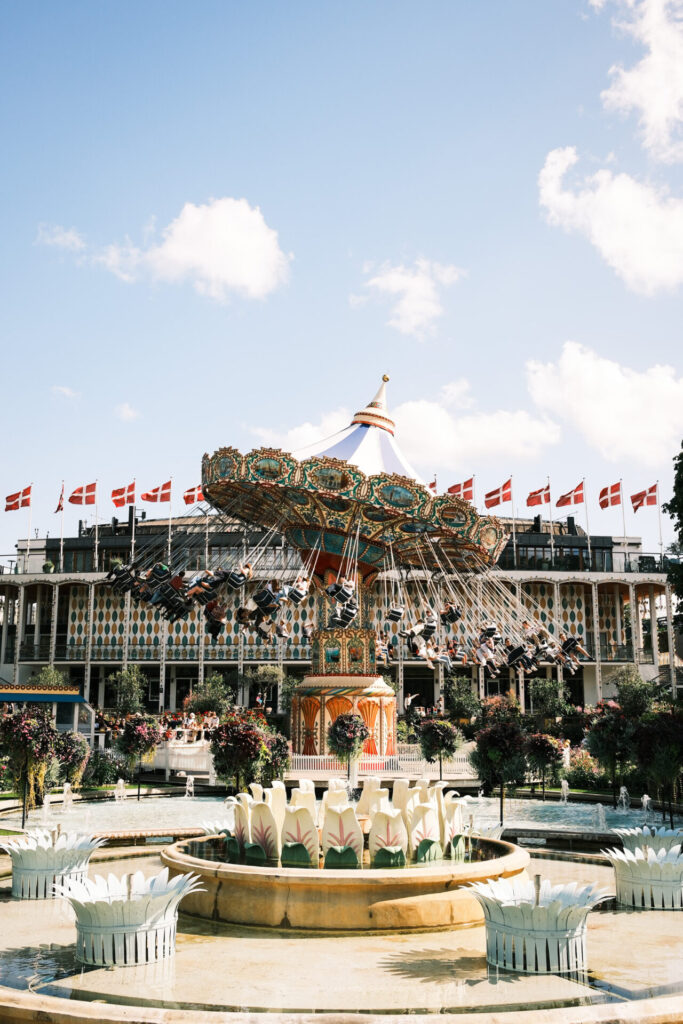
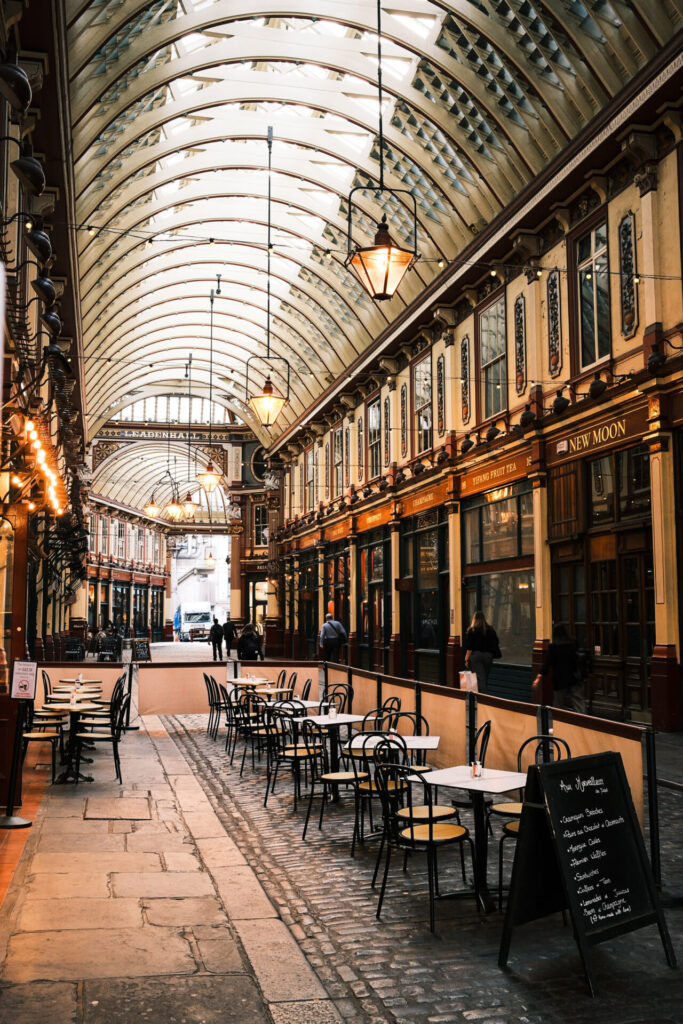
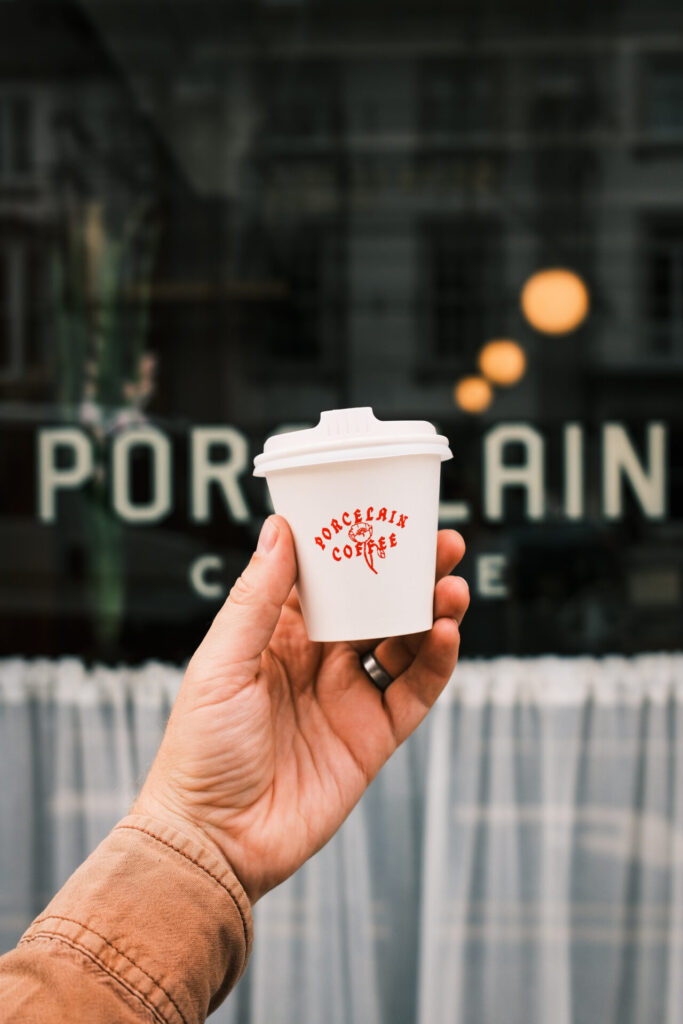
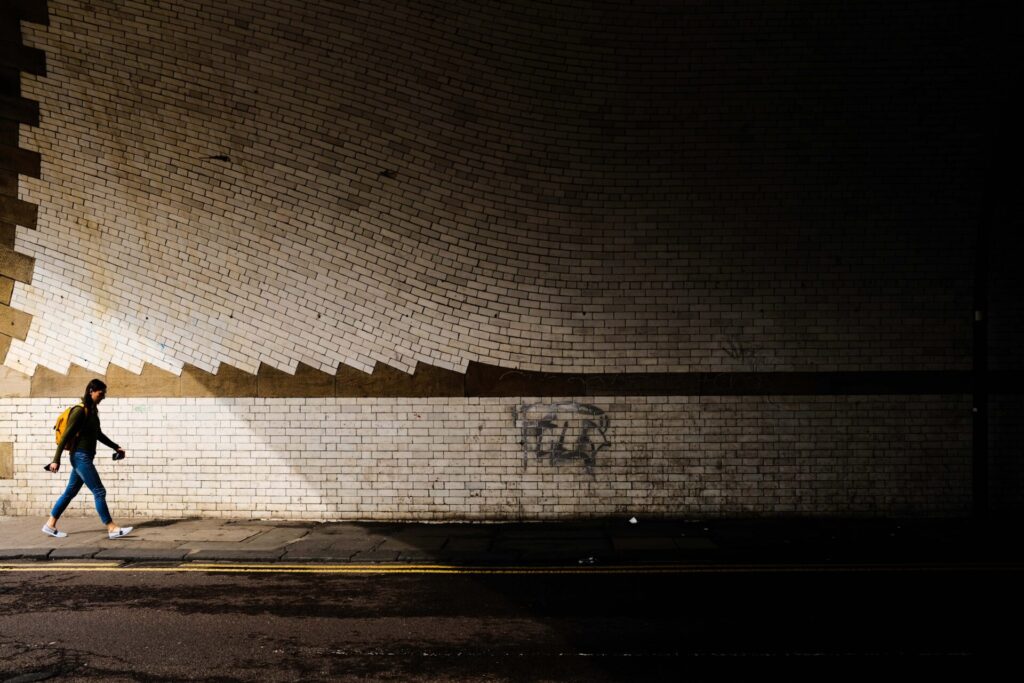
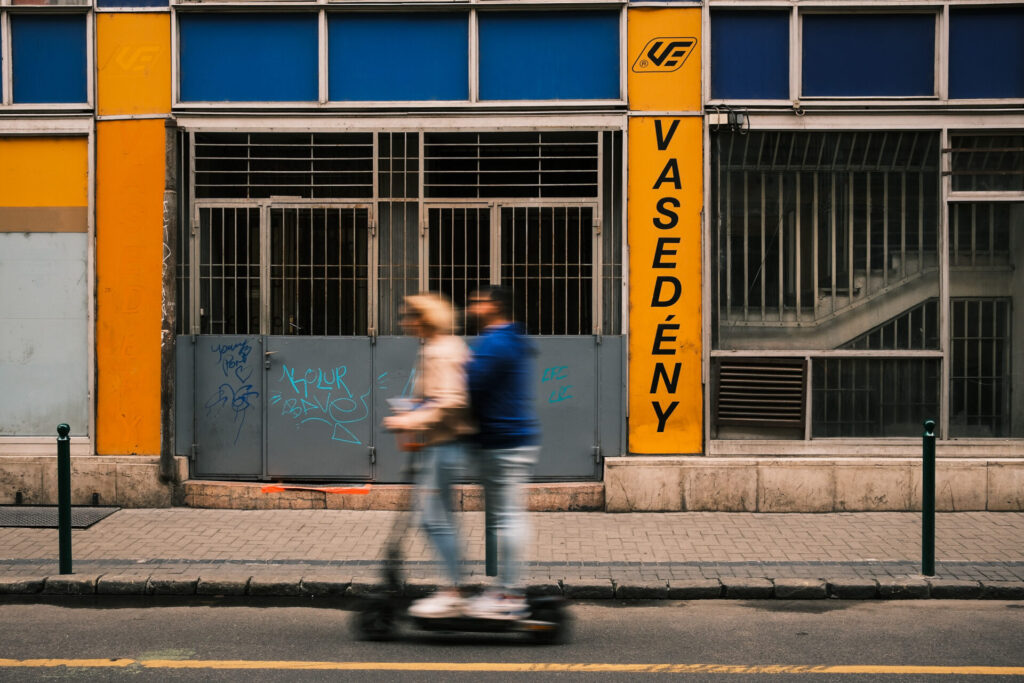
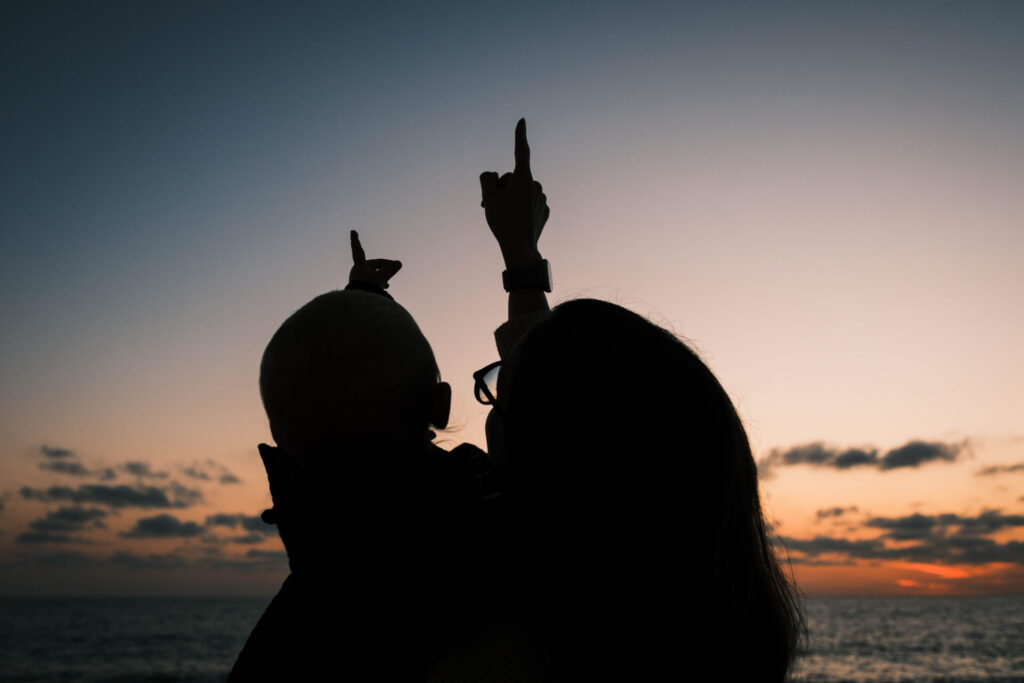


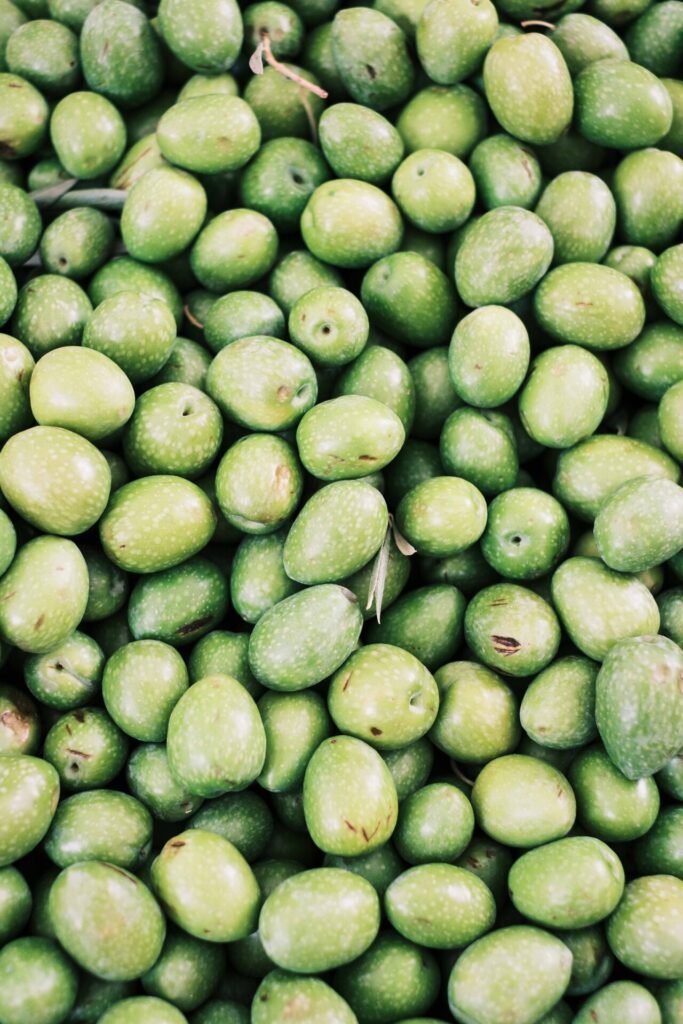
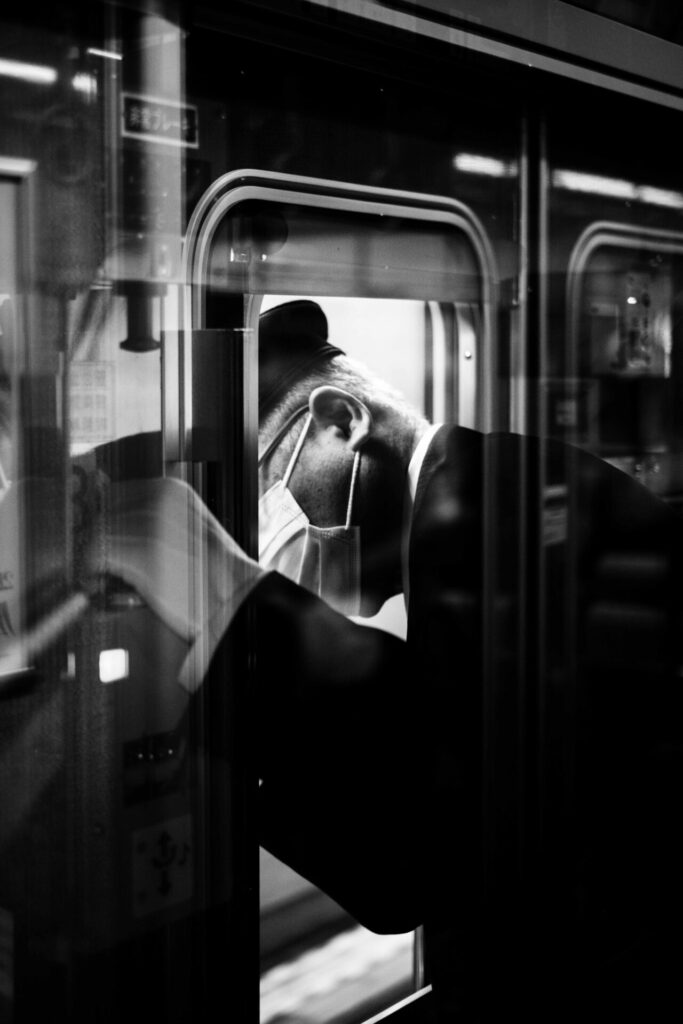
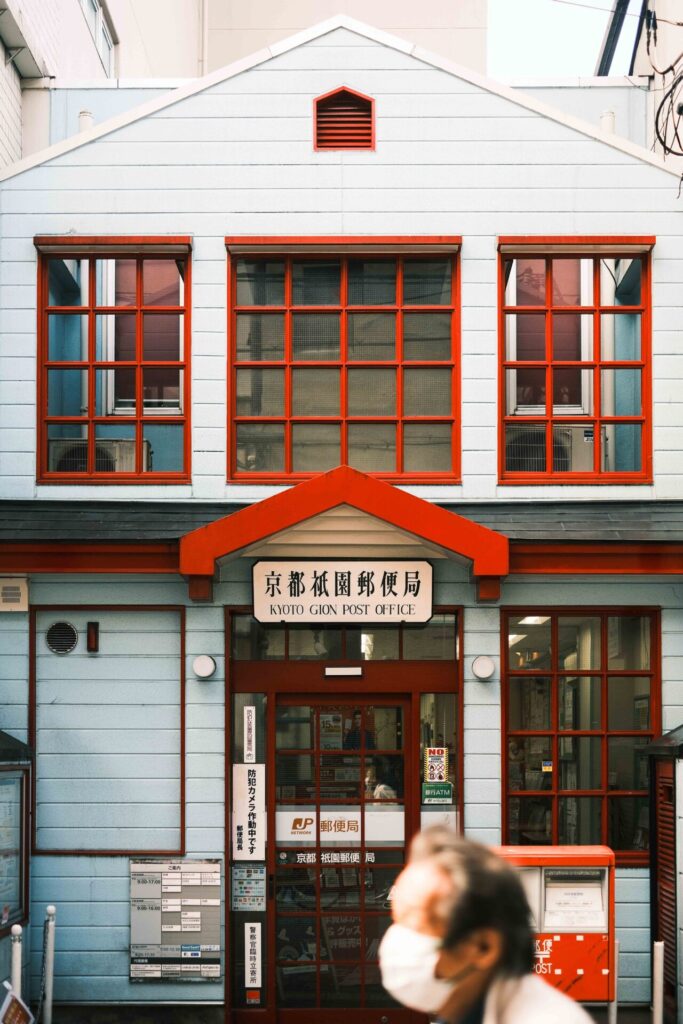
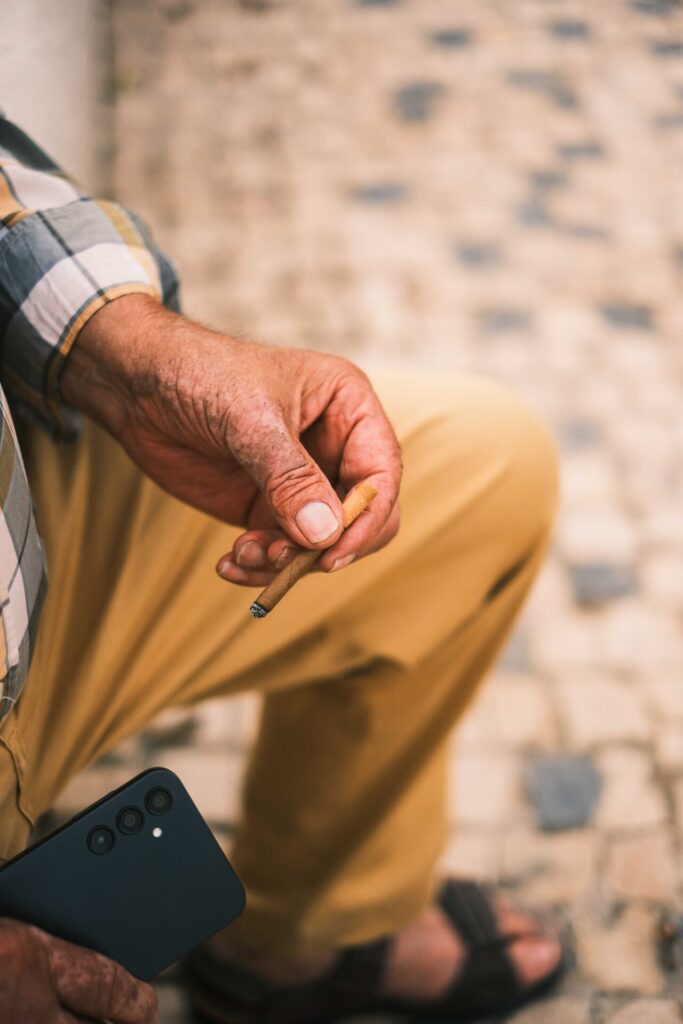
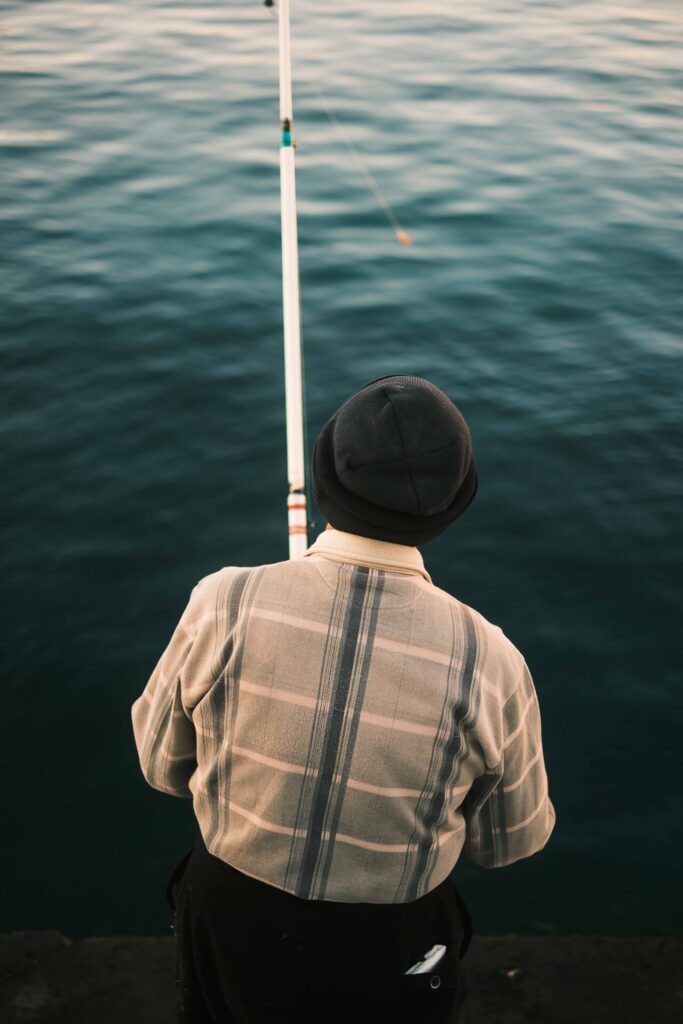
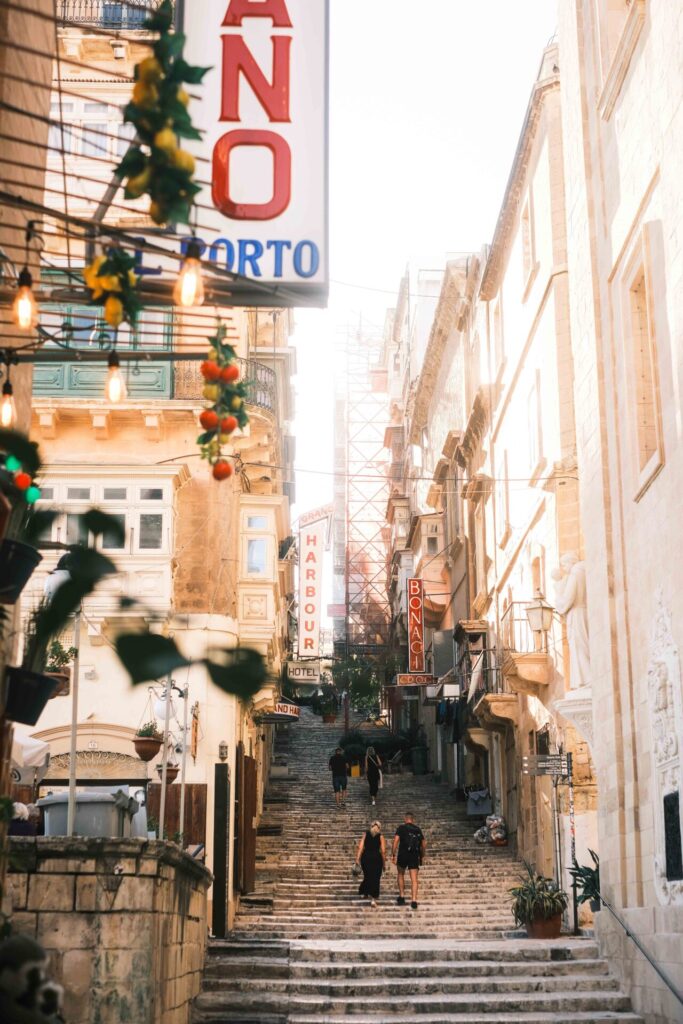
The Best Focal Length For Travel Photography
If I could answer this succinctly and definitively, I think I would have cracked the code to photography. I’ll share some examples of things you’ll capture within the realm of travel and let you know what I think is the best focal length to use.
First Travel Prime – 23mm
If you’re buying your first Fujifilm prime and plan on using it specifically for travel, I’d lean towards recommending 23mm. It’s simply much more versatile and you don’t have to worry at all about not having enough room to take a shot.
Cities – 23mm
I think I’d say 23mm for capturing cities especially if it’s your first time somewhere. I don’t think I could ever visit a city for the first time and only take the 35mm as you would miss far more than you would capture. I have however visited some cities recently where the streets are super wide and 23mm gets lost very quickly.
Architecture – 23mm
Fairly straightforward is this category. You’re likely to be standing pretty close to whatever architecture you’re trying to capture when travelling and so 23mm is the far better choice unless you’re purposefully planning on only picking out ornate details.
Landscapes – 23mm
Again, pretty easy when you narrow it down like this. 23mm gives you the ability to capture the entirety of a landscape with foreground details as well as the ability to crop in where necessary.
Family Photos – 23mm
Trying to photograph the little ones or other family members in restaurants, museums or any other place of interest particular inside often just isn’t possible with a 35mm so 23mm it is.
Hand Hold Shots – 23mm
I love taking shots of whatever I’m holding and so the wider the better for these types of shots; whether it’s coffee, burgers or beer, my body physically cannot bend backwards enough to enable the 35mm to work all of the time. I’d prefer the 23mm here if I had to choose.
Street Photography – Either but 35mm is my preference
23mm is probably the most called upon focal length for street photographers but, for me, I love a little compression when out and about so I’d rather shoot with a 35mm than 23mm. It can get tight but you can quickly isolate the subject without it being completely detached from the overall environment.
Food & Drink – 35mm
I’d start to get tighter here with the 35mm so that you can concentrate solely on the subject whether it be ramen in Japan, coffee in Copenhagen or beer in Budapest. 23mm will include far more of your surroundings with an increased chance of including distractions.
People – 35mm
I really struggled with including people within my images in the early days and, at 23mm, it simply felt that people were incidental. With 35mm, I can purposefully capture candid moments without getting uncomfortably close and fill the frame for portraits.
Details – 35mm
Easily the biggest win for the 35mm. This is where, in my opinion, the longer focal length shines with its ability to pick out all the details that you might otherwise miss like signs, doors, textures, light, even hands holding cigarettes.
The Feeling – 35mm
Sorry that this last one isn’t very technical but it’s the one that probably matters most to me. 35mm is apparently how I see the world so taking photos at 35mm helps me easily create images that remind me what a place felt like to be there. I don’t know if I’m explaining this very well but 23mm is all well and good at simply showing you where you are but 35mm let’s you get closer and take photos of the things that captured your attention.
So, with that little league table out of the way, I’m going to simplify matters for you especially if you’re looking to buy your first Fujifilm prime lens.
Choose 23mm if:
You want maximum flexibility
You photograph indoors
You travel with family
You like environmental photographs
You don’t want to think too much
Choose 35mm if:
You prefer tighter compositions
You appreciate the little details
You like photographing people
You don’t mind moving around
You want a more intimate perspective
My Personal Verdict
With all that said, where I am going to lay my hat? The data driven winner then is 23mm but my personal winner is 35mm. Does that help? I’m not sure whether it does but it’s the most useful conclusion I can come to.
23mm is the most versatile focal length but 35mm might just bring the biggest improvements to your photography.
If you want one lens that can handle pretty much anything that a trip throws at you, I can’t argue against using 23mm.
However, if you ask me what lens I would actually pack in my camera bag and the one I would hate to leave behind, it’s the 35mm. Every time.
Want to know more about the 23mm lenses I’ve used?
Read my full Fujifilm 23mm f/2 and Fujifilm 23mm f/1.4 lens reviews.
Want to know which 35mm lens I’d recommend?
Read my long-term review of the Fujifilm 35mm f/1.4 here.
Continue Exploring


Where Next?


Stay Updated
Some links on this site are affiliate links. If you make a purchase through them, I may earn a small commission at no extra cost to you.
Good article. Why my default travel carry is an X100VI with the WCL. Sort of a bracketed 23.
Thank you! That’s a pretty good idea, gives you that little bit of extra width when you need it!