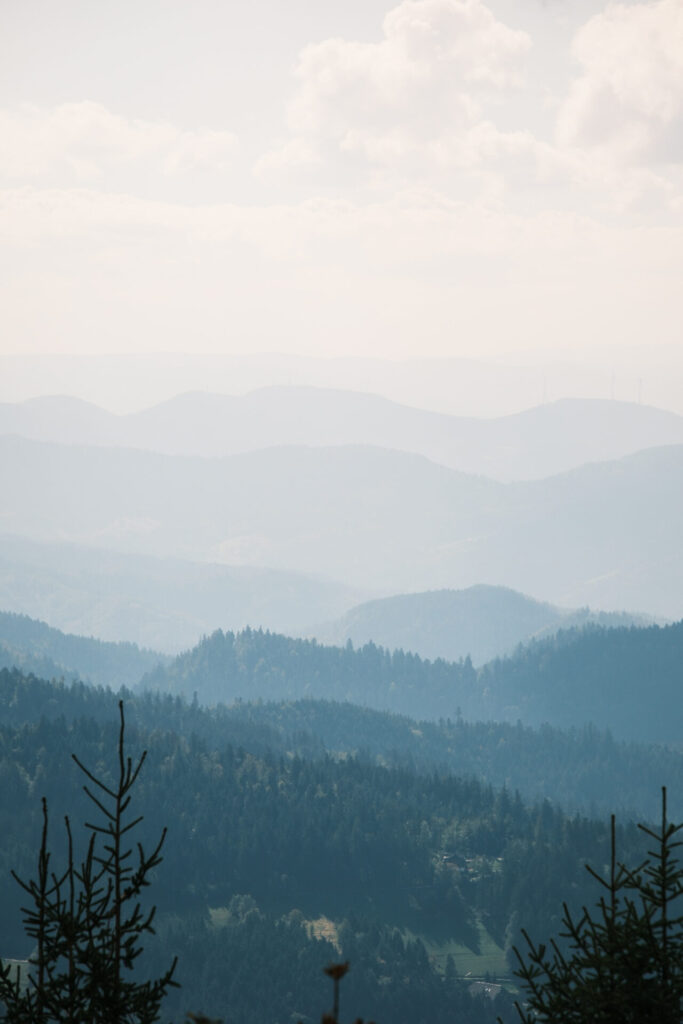

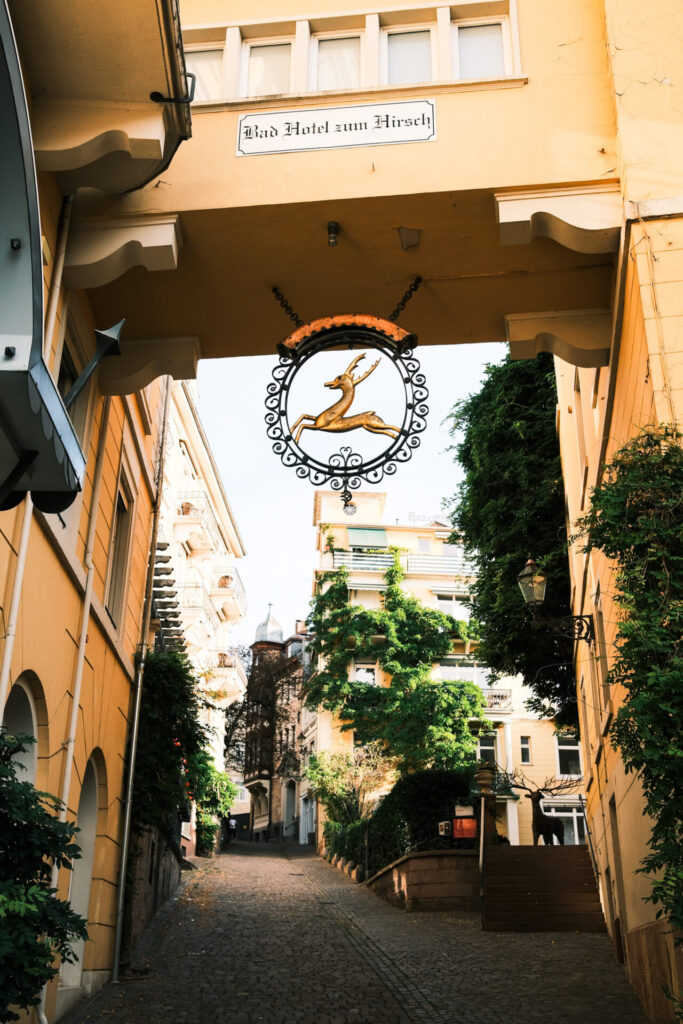
The Black Forest in Germany and the surrounding region has been somewhere I’ve wanted to visit for years. From misty pine-covered mountains and traditional villages to Baden-Baden’s grand architecture and the adrenaline fuelled Europa-Park, I managed to experience such a varied mix of landscapes and activities. To help plan your own trip or provide some inspiration, here’s exactly how I spent four nights in the Black Forest, Europa-Park and Baden-Baden.
Welcome to the south-west corner of Germany. Specifically, the Black Forest and the wider region including the elegant spa-town of Baden-Baden and the world’s best theme park, Europa-Park.
I recently spent four nights in this beautiful area for the first time and absolutely loved every minute of it. This was essentially a road trip through twisting misty mountain roads, national parks and surprising vineyards in fairytale villages before exploring 18 European countries in a day at Europa-Park (and getting a little bit sick on some insane rollercoasters) and wandering the streets of Baden-Baden; a walkable spa-town with all the grandeur of Paris and Prague without the crowds.
If you’ve ever been interested in exploring this region or perhaps need a little inspiration for your next trip to Germany, I’ve pulled together this guide covering exactly how I spent four nights in the Black Forest, Europa-Park and Baden-Baden and, of course, it’s packed with plenty of photographing to show just how beautiful this corner of Germany is.
At A Glance
LENGTH: 4 NIGHTS / 5 DAYS
DISTANCE: APPROX. 400KM
START & FINISH: STUTTGART AIRPORT
TRANSPORT: RENTAL CAR
DESTINATIONS: BLACK FOREST, EUROPA-PARK & BADEN-BADEN
Jump To A Day
Disclaimer – My trip to Germany was in collaboration with the Black Forest, Europa-Park, Baden-Baden and Stuttgart Airport. However, all opinions expressed are, as always, my own.
MY BLACK FOREST, EUROPA-PARK & BADEN-BADEN ITINERARY
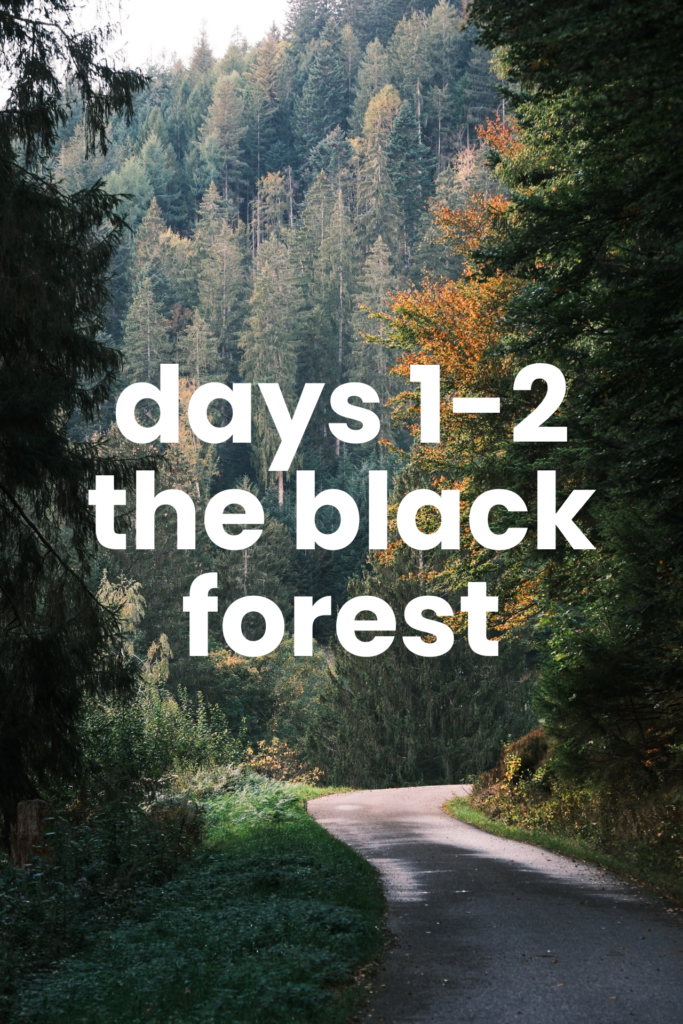
Day 1 – Arrive At Stuttgart Airport & Travel To The Black Forest
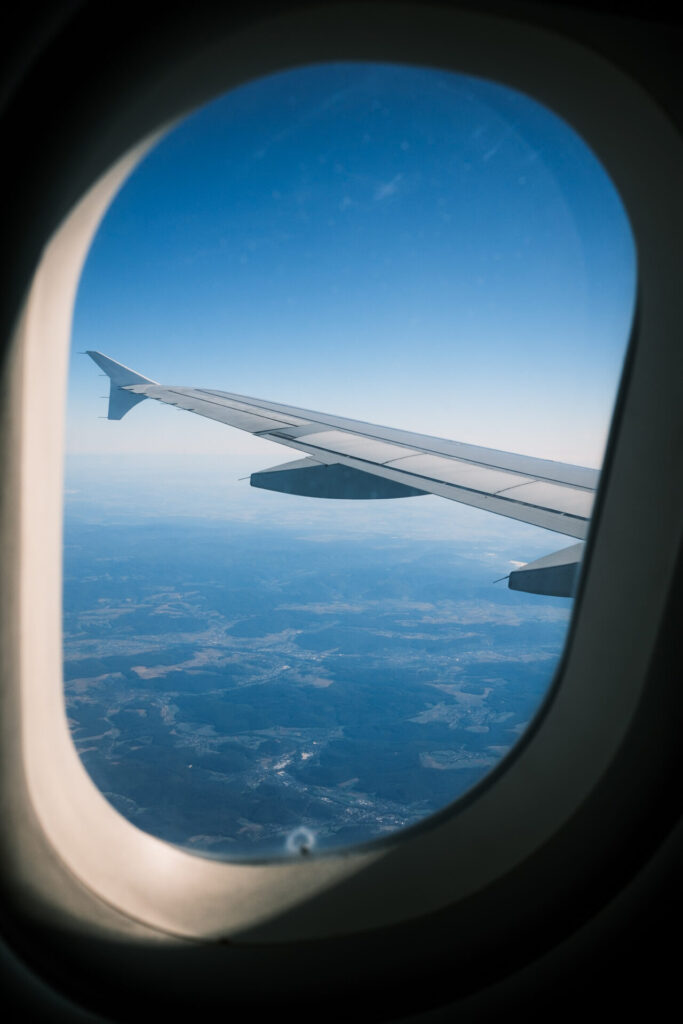
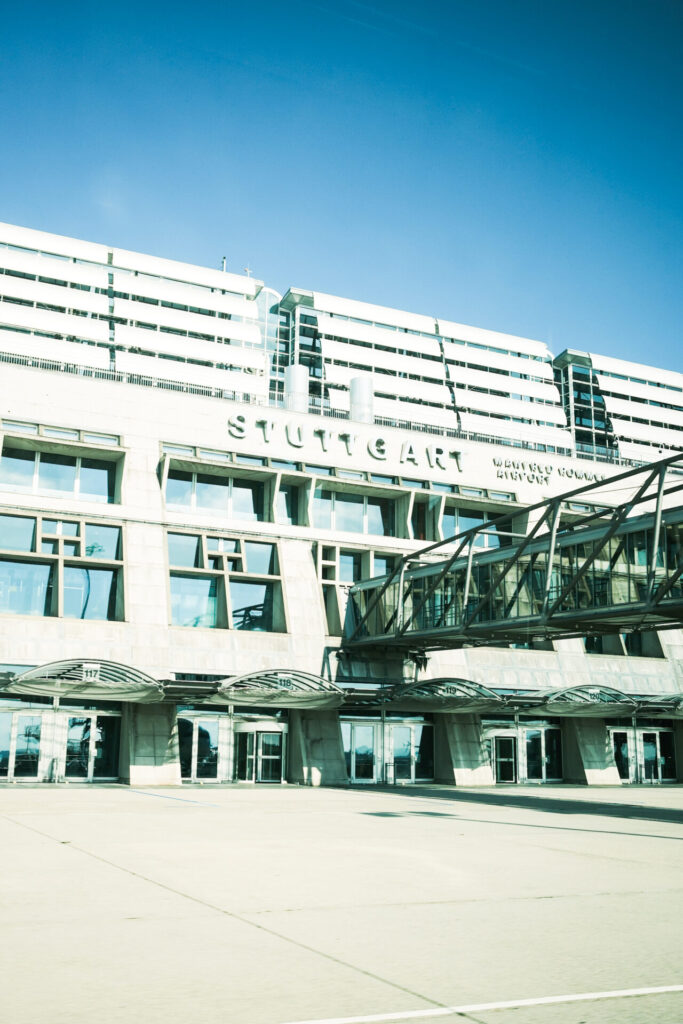
After an early drive down to Manchester and a much shorter flight than I imagined (less than one and a half hours, I arrived in Germany at Stuttgart Airport. Over the last few years, for obvious reasons, the arrival into European countries has been far from smooth sailing. I’m pleased to say however that the experience at Stuttgart Airport restored my faith in the logistics side of travel; from the plane straight onto a bus, to the terminal, fingerprints scanned and processed through border control in what I imagine was an EU record time. If I could travel through Stuttgart Airport all of the time from now on please that would be great.
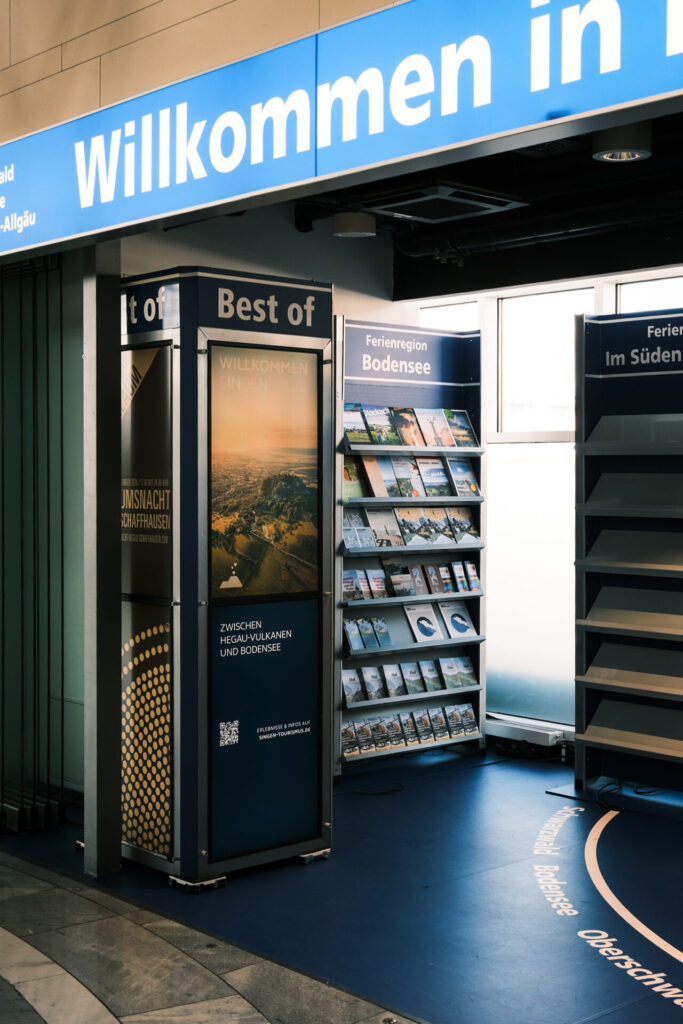
Once I’d picked up my luggage, I headed straight upstairs, on the departures floor, to visit the brand new visitor centre which offers travellers an area to finalise those itineraries and perhaps receive some new ideas on where to spend your time in the region. The visitor centre was set to open a few days after my departure but, from what I was able to experience, you’ll be able to access brochures in a range of languages (including English) to all of the regions within a short distance from Stuttgart Airport (most importantly for this itinerary lots of brochures for the Black Forest, or Schwarzwald in German). There’s also a huge touchscreen featuring an AI travel agent who you are able to go back and forth with to help plan your trip in real-time.
After a quick look at just how else I was able to spend my time in the Black Forest and surrounding region, I was straight to pick up my hire car for the autumn road trip of dreams. Now, I must say, that hiring a car when travelling is one of my worst fears – I ordinarily use Discover Cars these days who take most of the fear away thanks to being open and honest about upfront costs – but please be wary and careful as to what you’re signing, what additional fees might be added at the desk and always take photos and videos of the car at the time of collection.
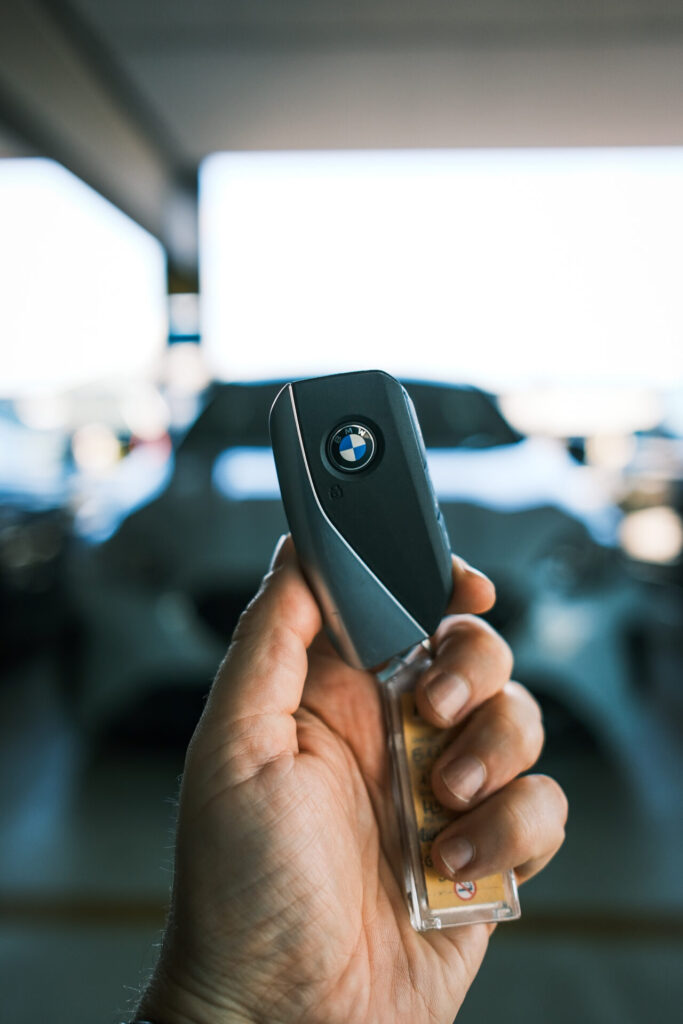
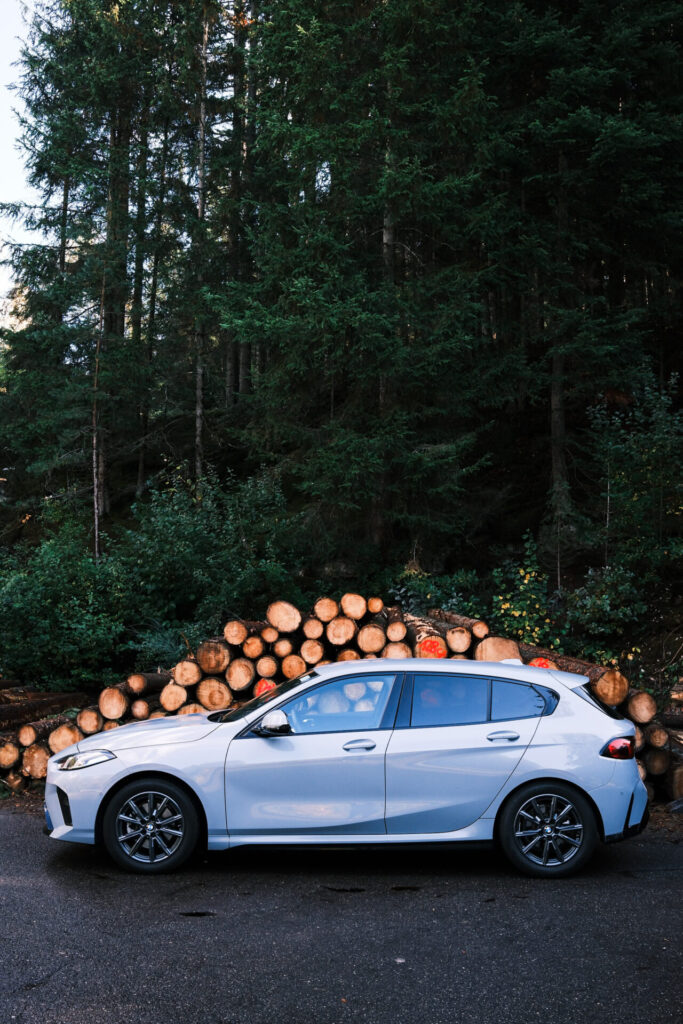
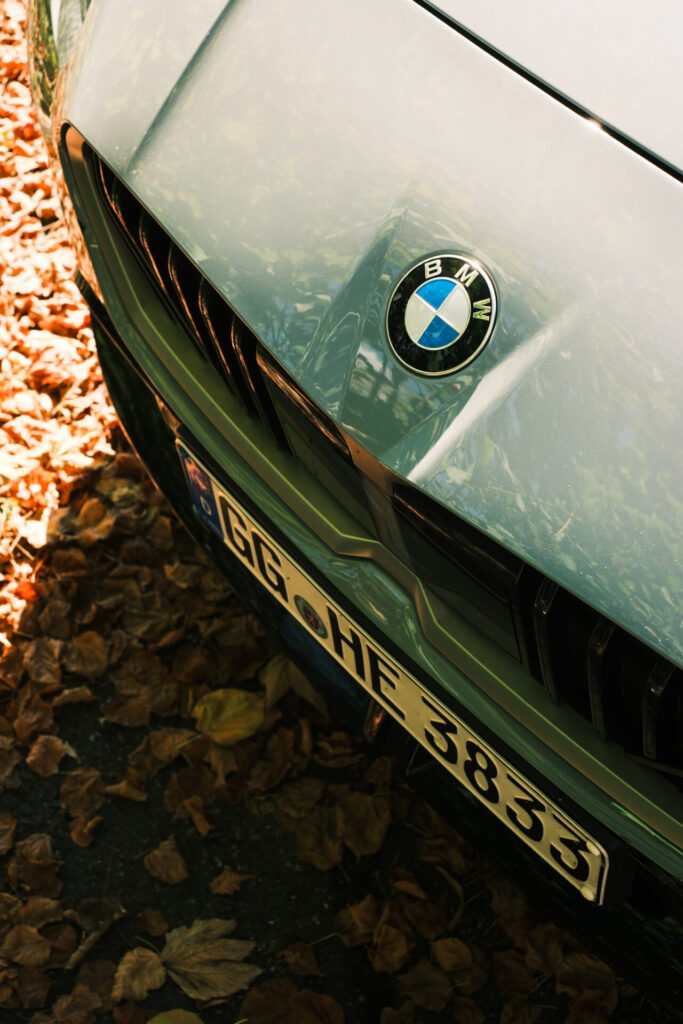
The car of choice for my Black Forest road trip couldn’t have been any more perfect. An automatic BMW 1 Series M Sport. Automatic because there are only so many times my left hand can whack the driver’s door reaching for the gearstick. BMW, well because, BMW.
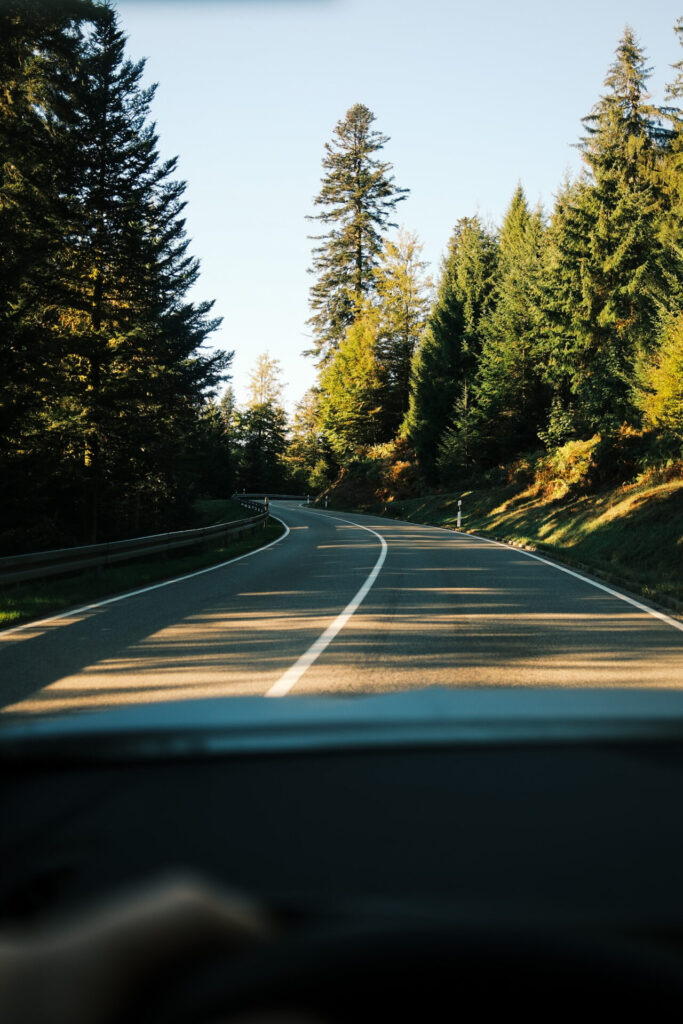
With my best concentration face on, I set off on the wrong side of the road and headed deep into the Black Forest.
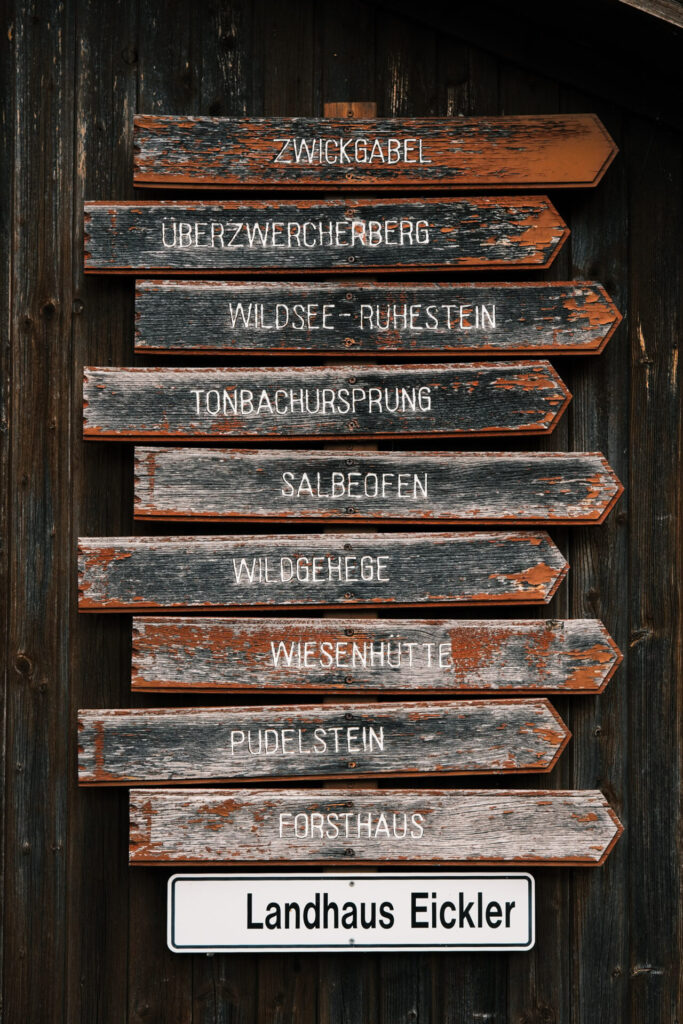
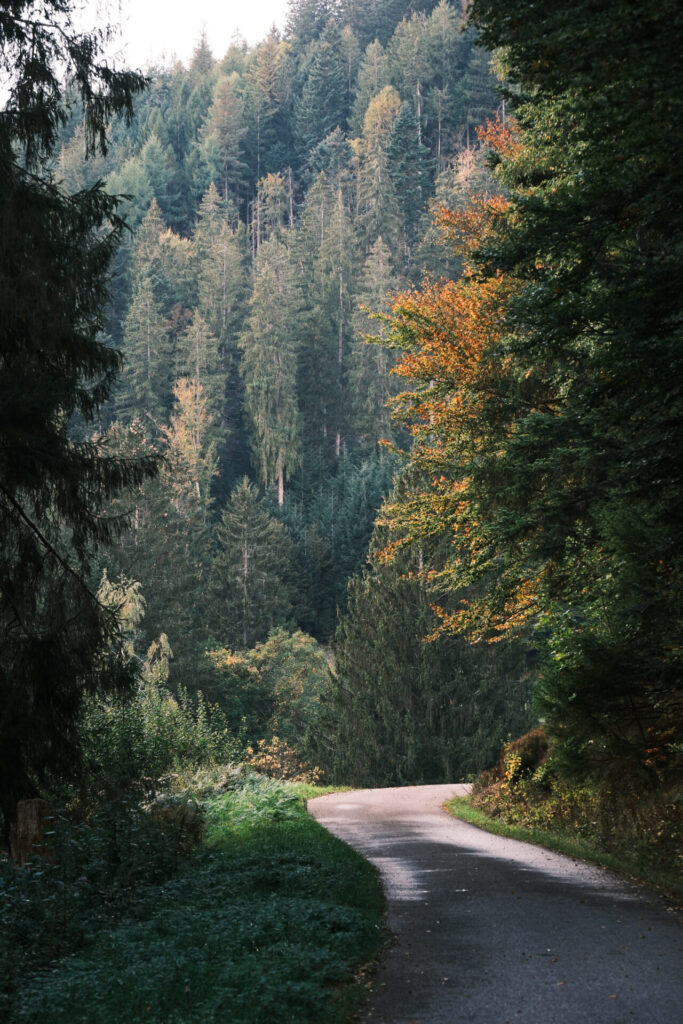
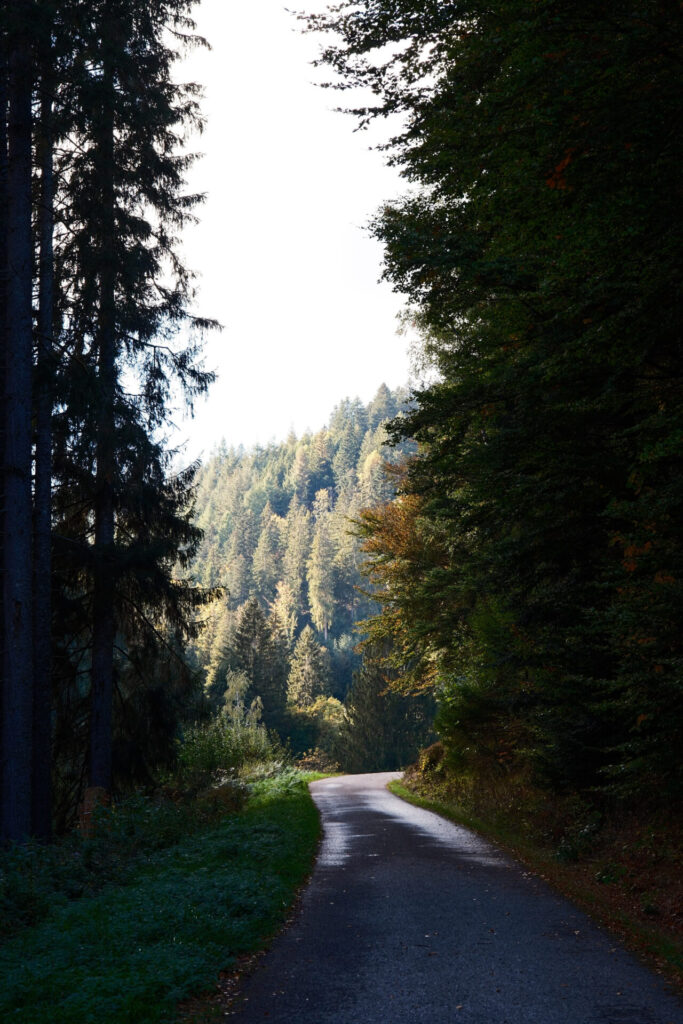
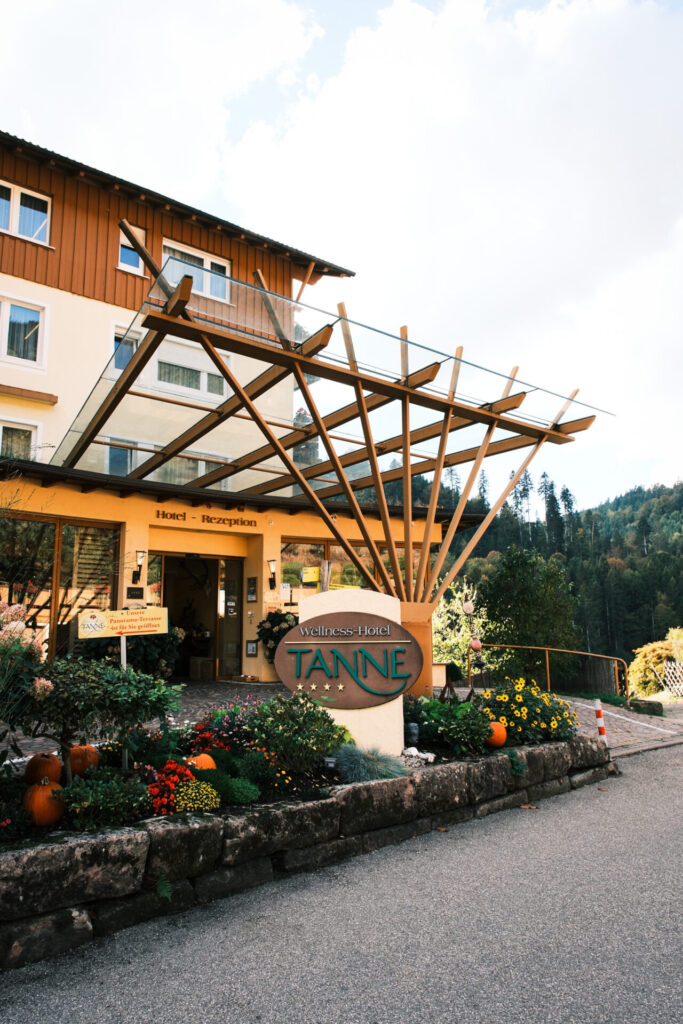
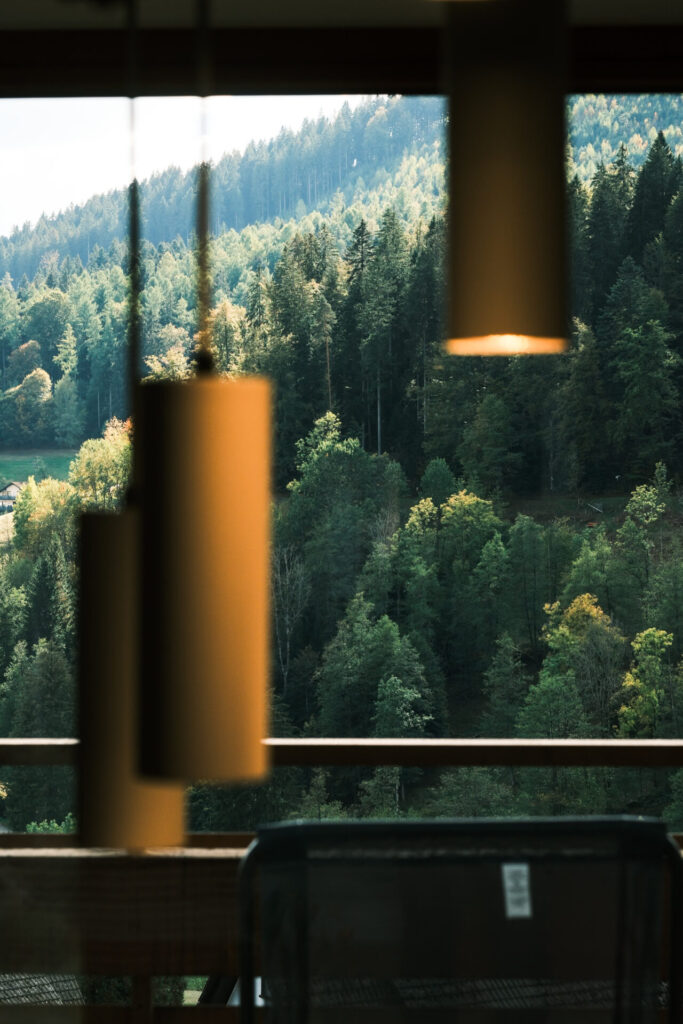
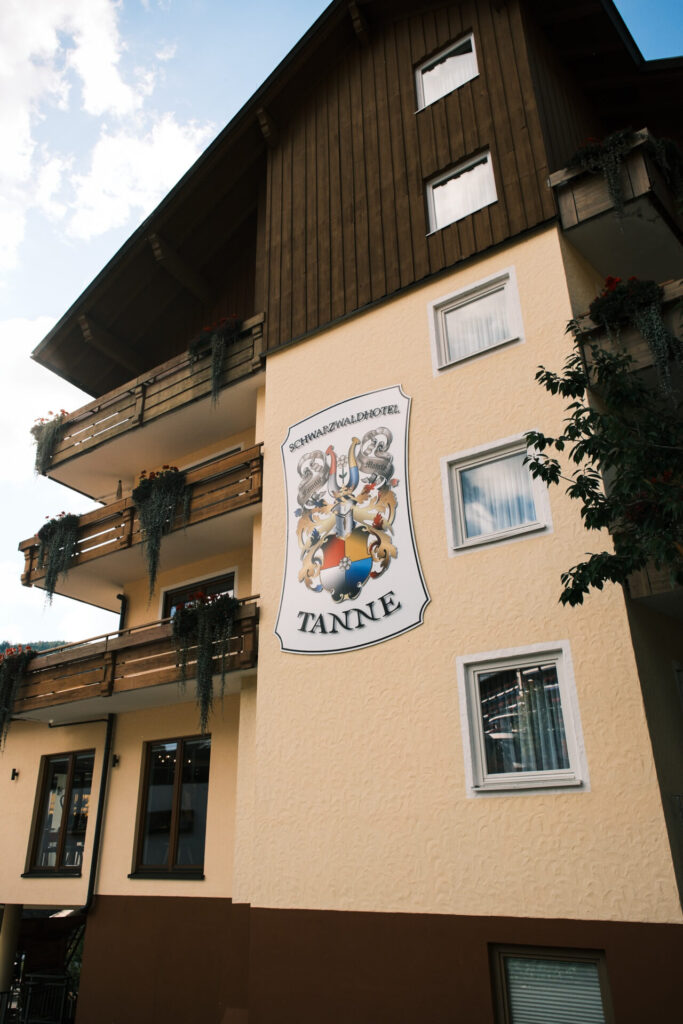
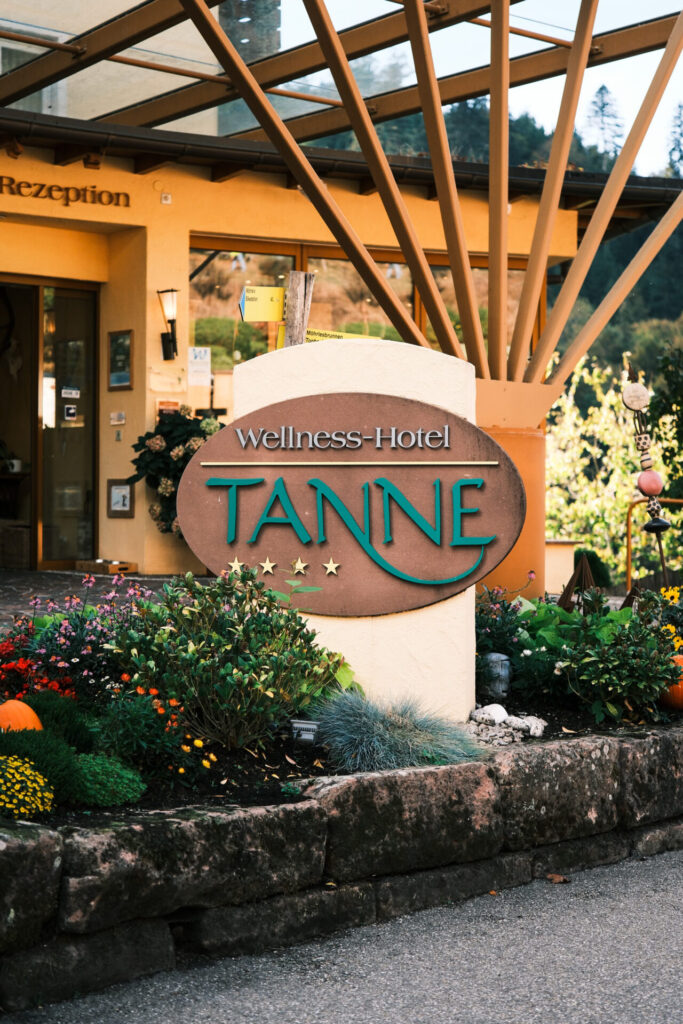
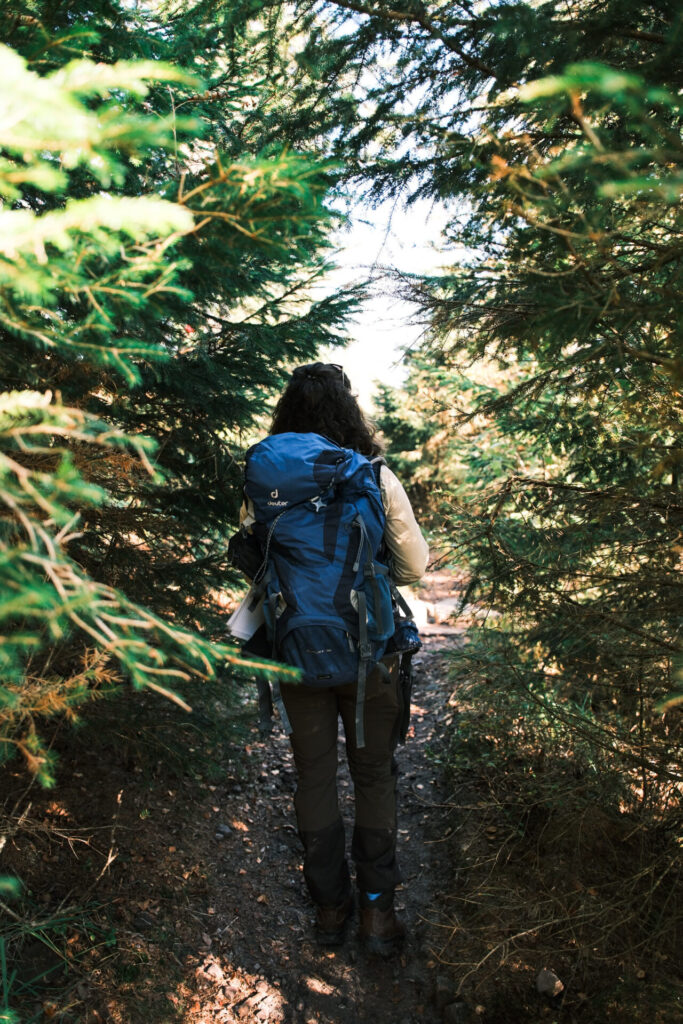
Just 90 minutes later, I arrived in Tonbach, a tiny village in the valley set between the towering Höllkopf and the Rinkenkopf ridge, and checked into the Wellness Hotel Tanne. This was absolutely traditional Black Forest; wooden buildings, cuckoo clocks and stunning views. However, after admiring the view from my balcony, I quickly changed and set off on a three mile walk (3.26 miles to be completely accurate) along the valley bottom to Rotwildgehege “Tonbach” – a wildlife reserve just within the Black Forest National Park expanse. Whilst the route can be done as part of a circular hike, I was particularly worried about the time and the sudden disappearance of the sun behind the mountains so I planned just to head back the way I came.
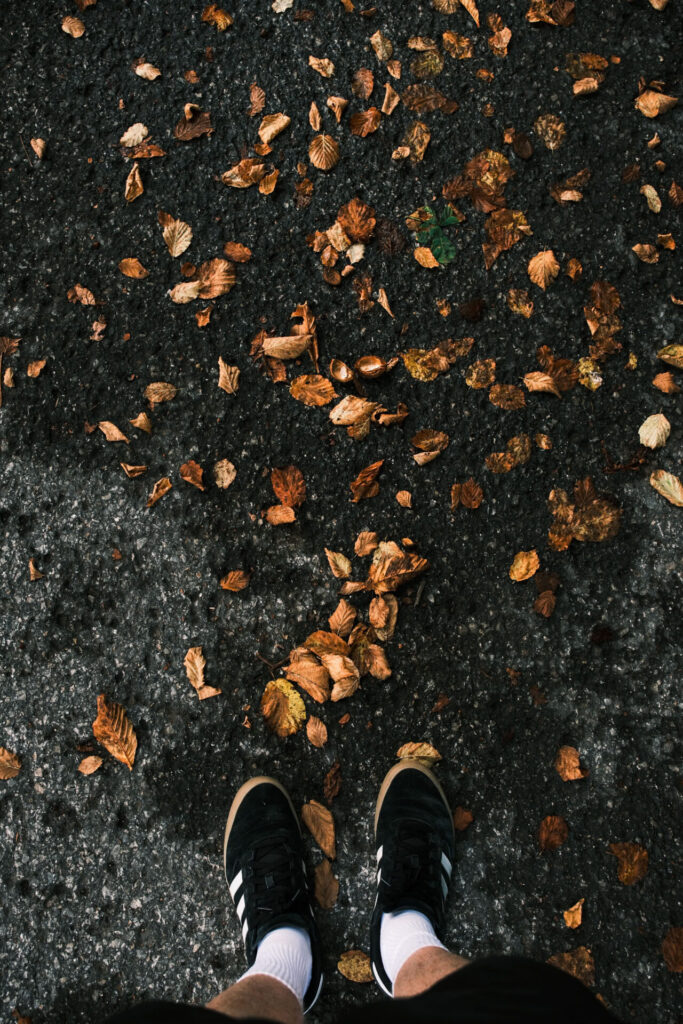
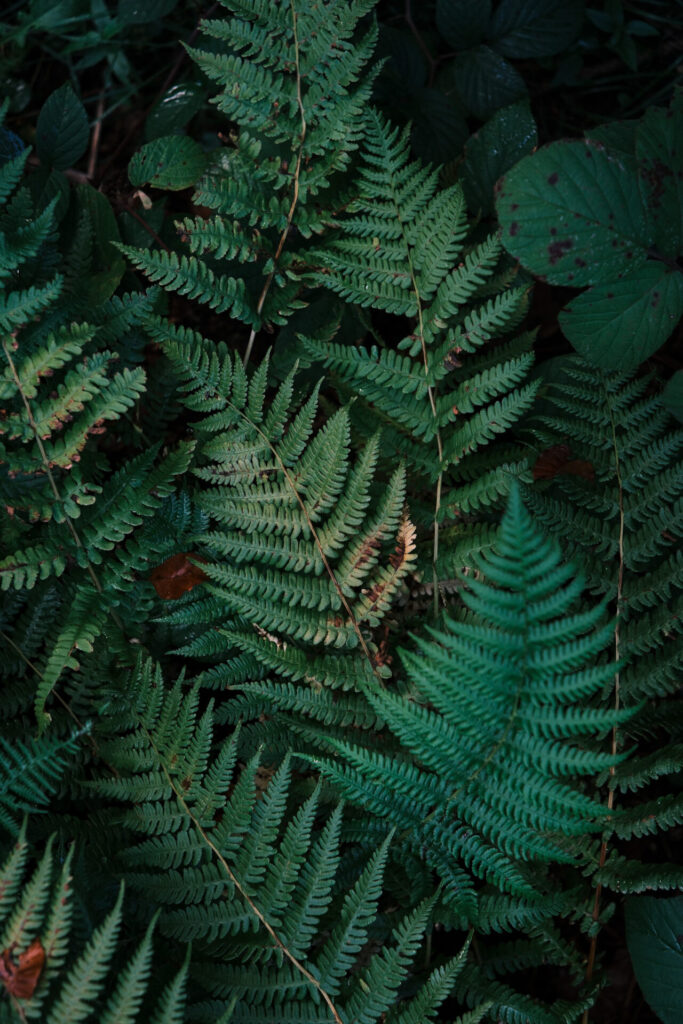
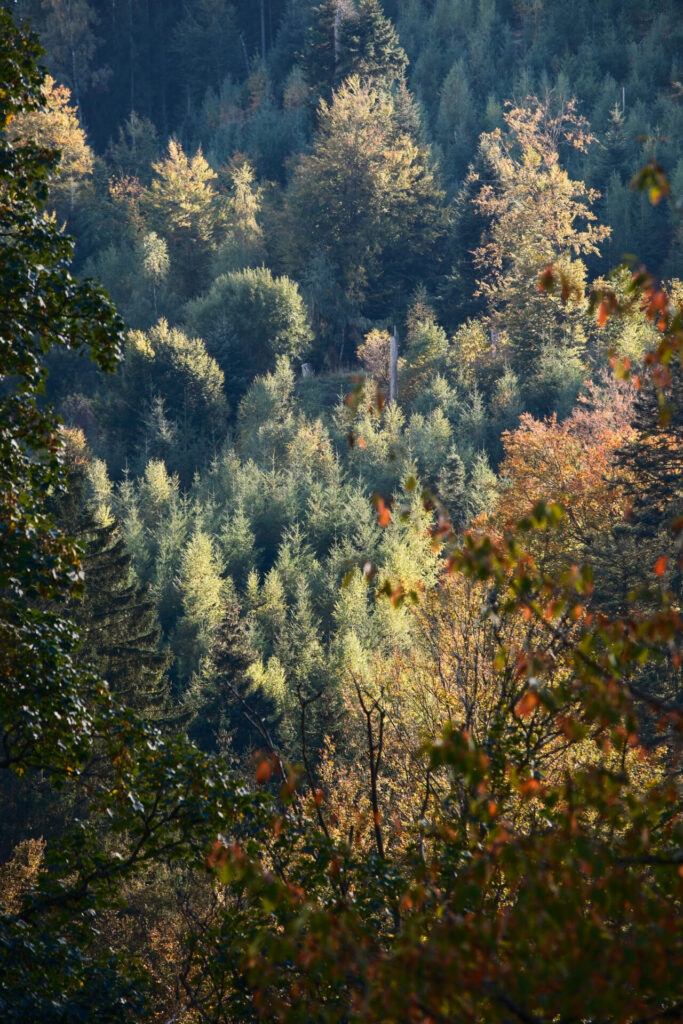
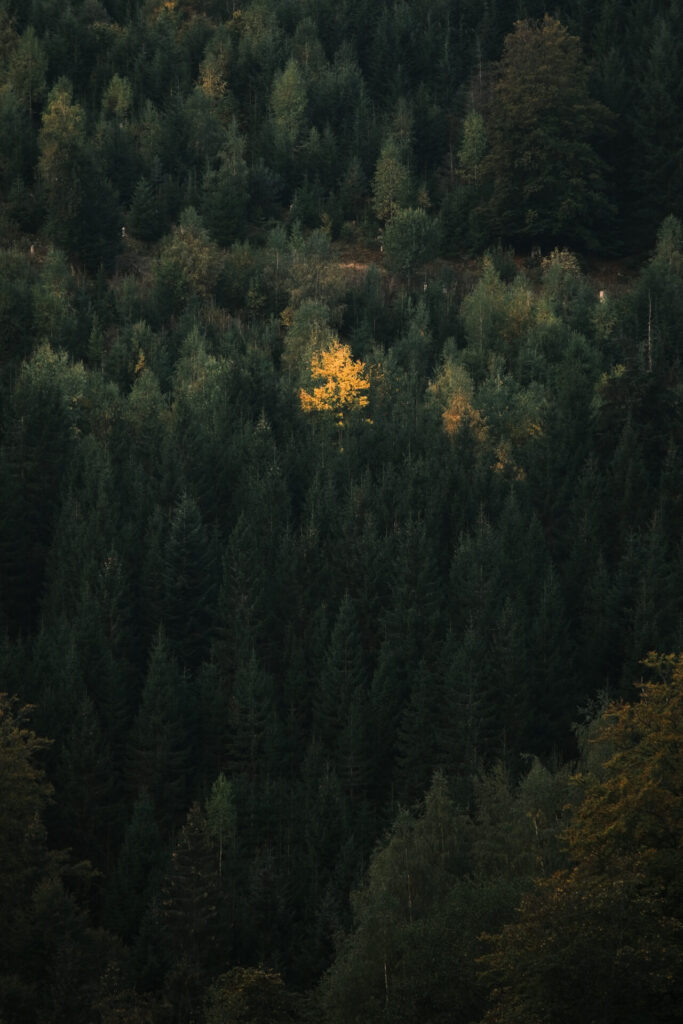
I really enjoyed the hike, I honestly couldn’t stop stopping just to admire and photograph the changing colours of the forest and the golden leaves on the floor. With each passing year, I seem to fall in love with autumn that little bit more and here, spending it in the Black Forest, I fell in love even more than normal. It seems that the Black Forest is made to be explored in autumn as though it saves that extra beauty for the changing of the seasons. I mean, seeing a lone larch tree turning a brilliant yellow within a forest of evergreen pine trees, is something else and I’m sure that someone would be able to come up with something poetic and meaningful far better than I could.
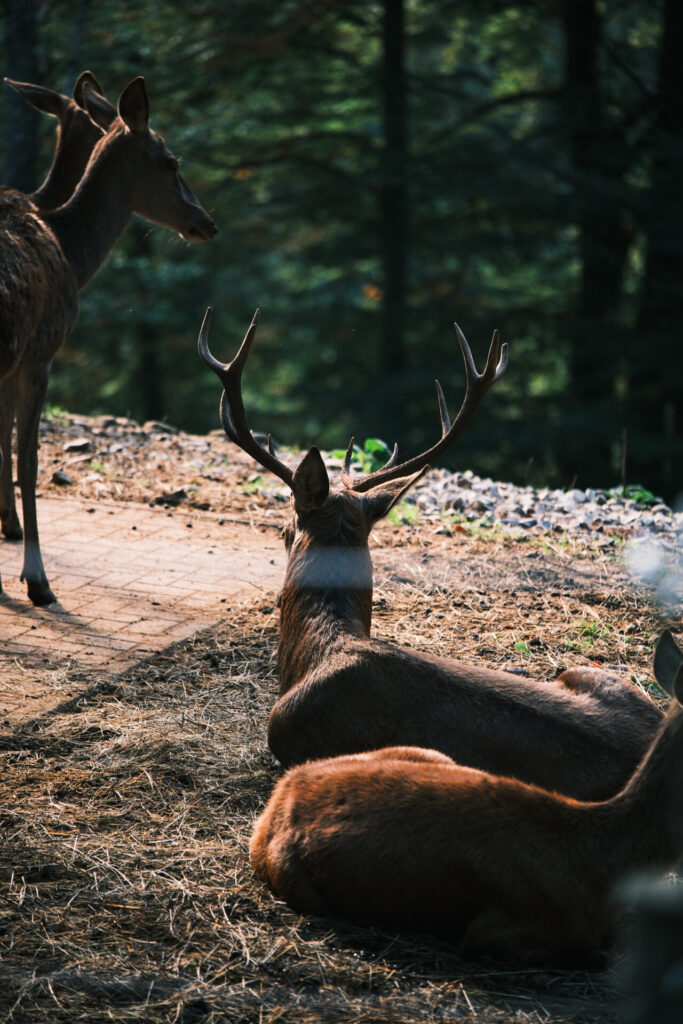
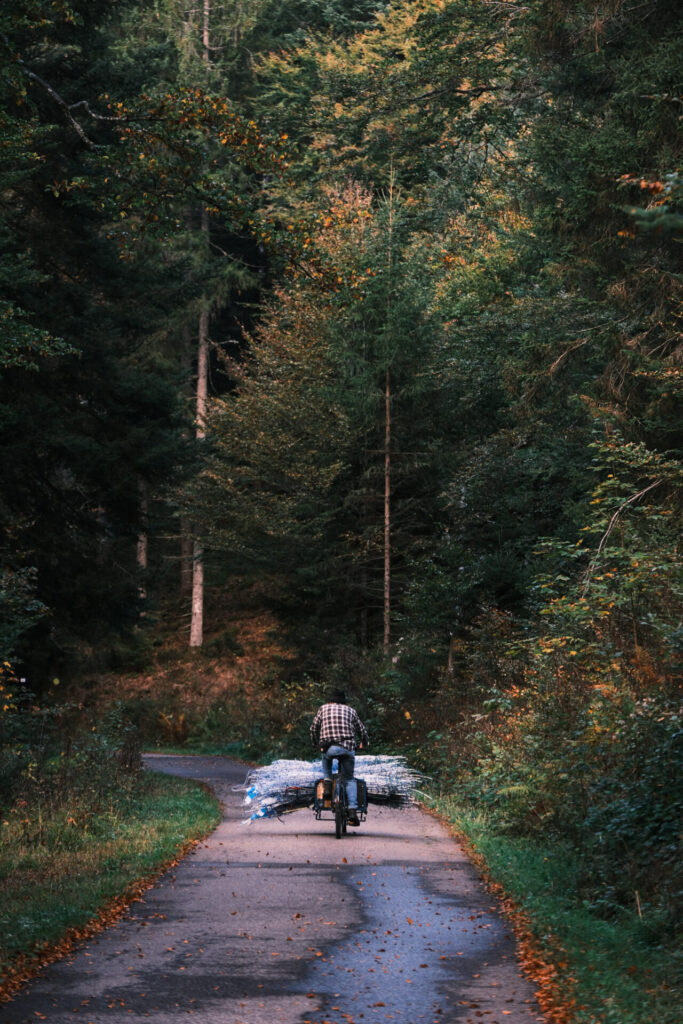
For the aforementioned reason, the hike took me longer than I planned but I made sure to sit by the wildlife reserve and just watch the red deer bask in the evening sun. The reserve is dedicated to the observation of native red deer in their natural habitat though with the addition of fencing; the anxiety-inducing signs suggested that the fencing was to protect from wild wolves and bears (?!). Never have I ever turned around and walked as fast as I could to return to the safety of the hotel. It didn’t help that I saw not another soul on the hike out and even then, on the return journey, I saw only one local cycling with a load of metal fencing balanced on the front of his bike until much nearer to the village.
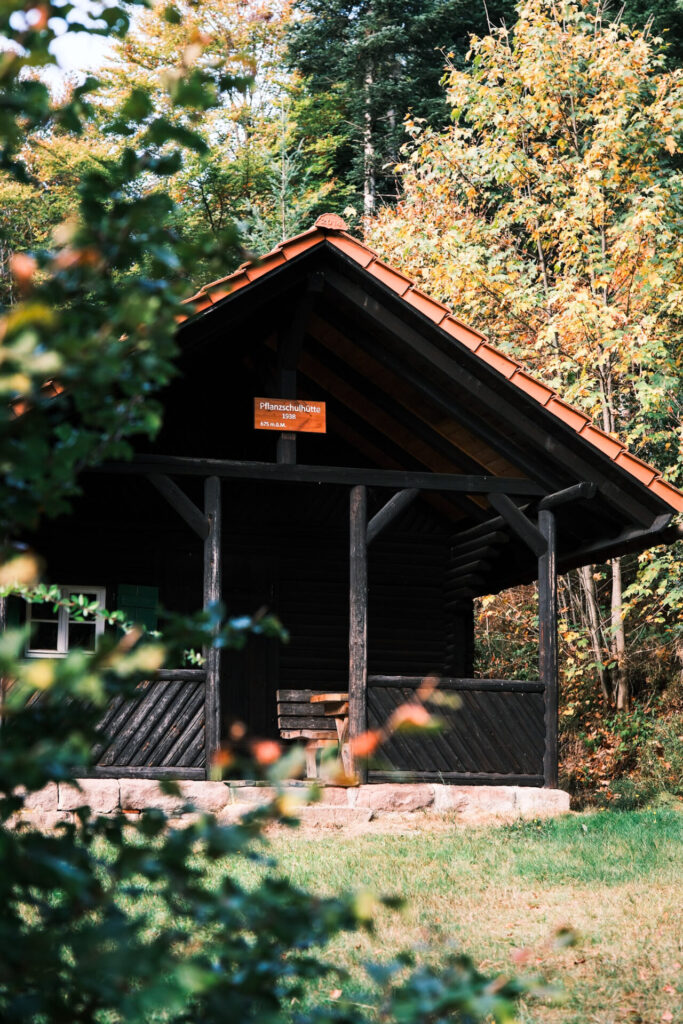
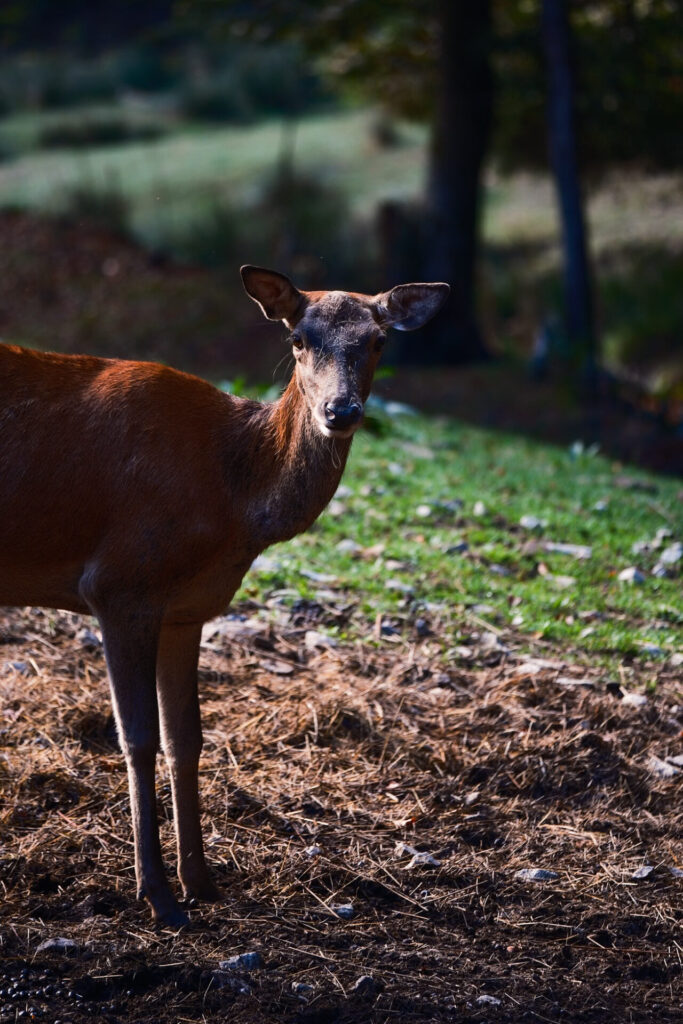
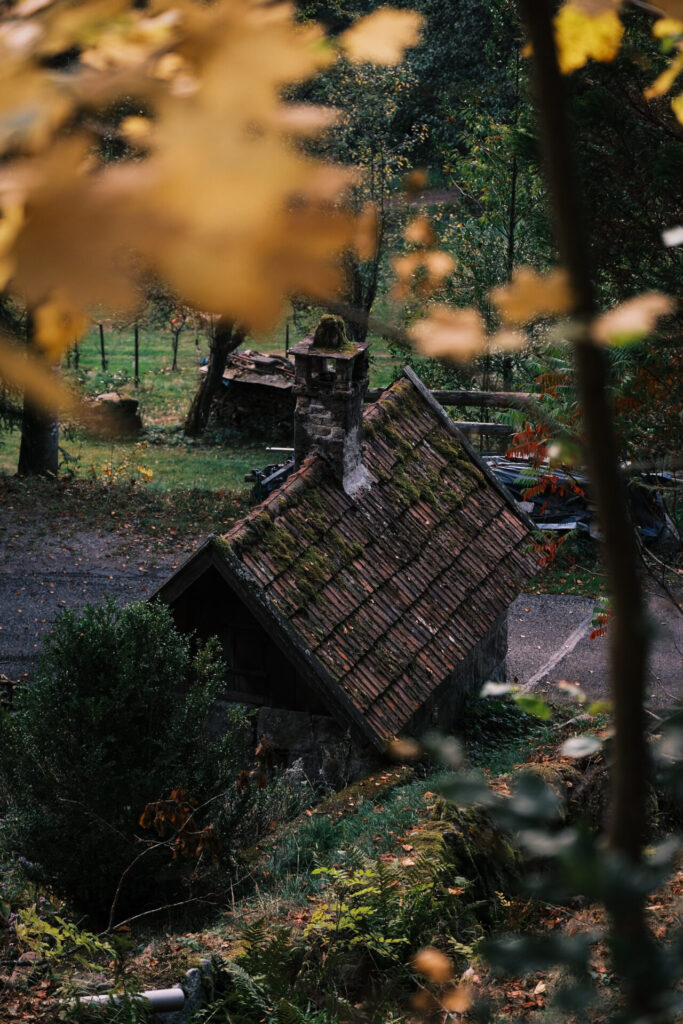
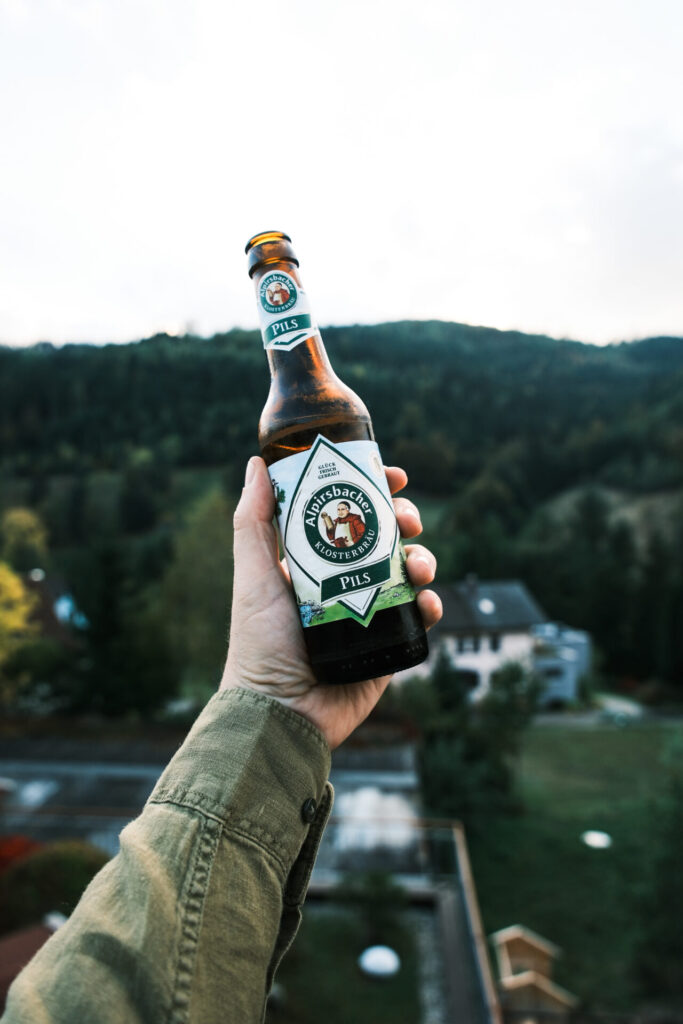
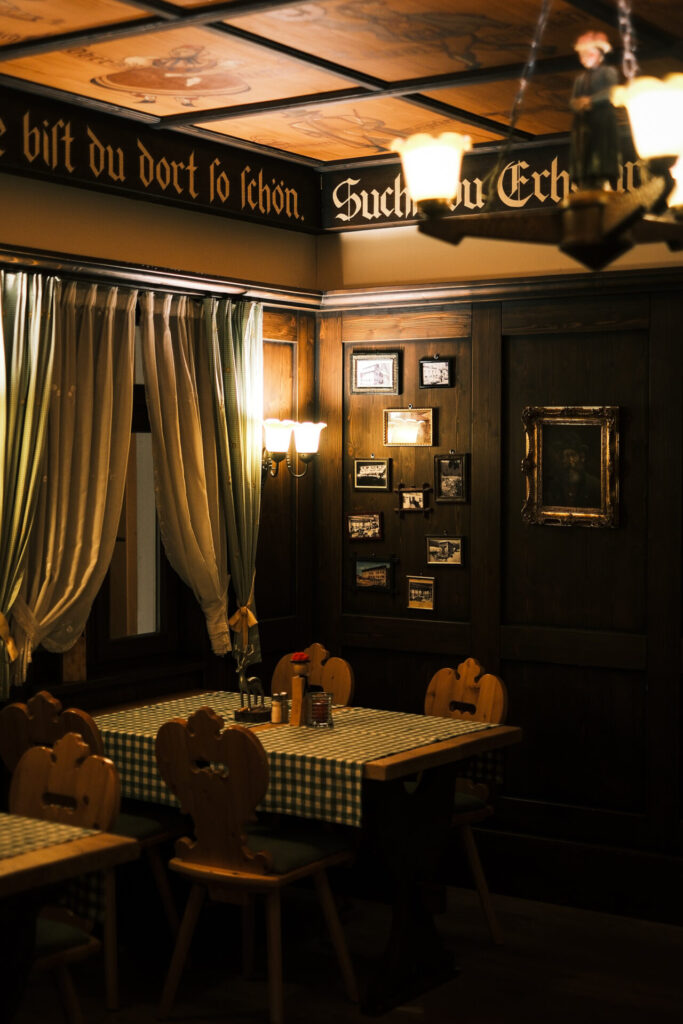
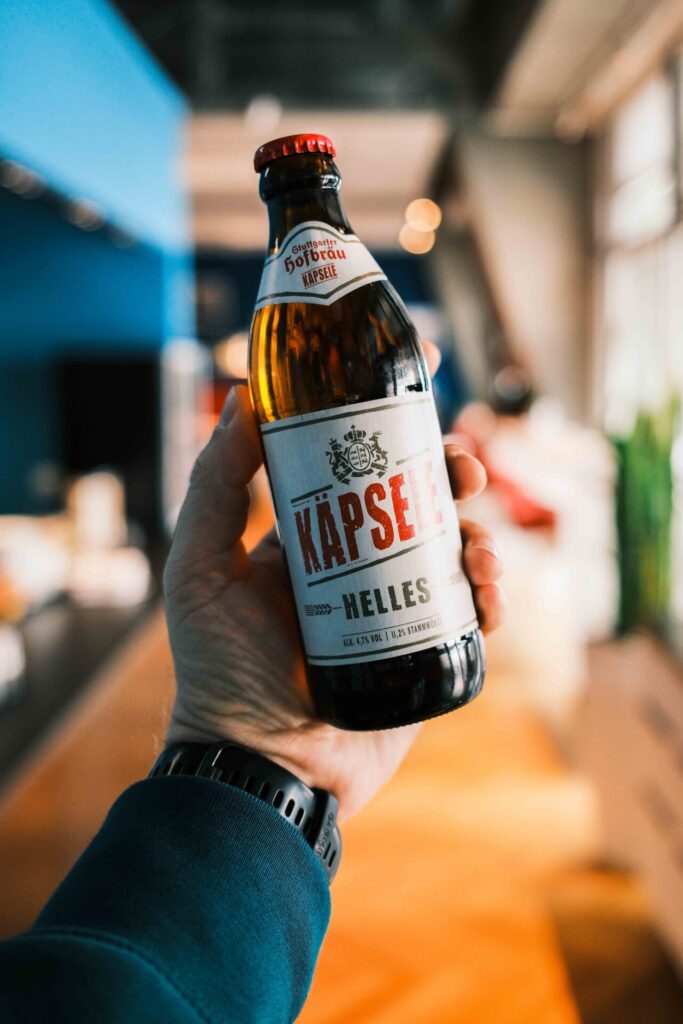
What better way to recover after that hike than to freshen up and head straight to the terrace overlooking the valley for a local beer. The Wellness Hotel Tanne is one of the most popular hotels in the region for Germans escaping the northern cities as well as locals coming to experience the restorative power of nature. The hotel is run by the Möhre family and has been since 1868 – I think this is actually one of the things I could feel when spending time here; it is more than a hotel, it’s as though you have been welcomed into their family home and immediately became life-long friends – even if I couldn’t speak more than a few words of German.
Each and every night at the Wellness Hotel Tanne is a spectacle in hospitality; you are allocated a table within the Sonnenstube Restaurant that is ‘yours’ throughout your stay with a five course set menu offered to guests showcasing brilliant local produce and traditional Swabian dishes. With the help of translation services, I read through the homemade pamphlet that, each day, welcomes you to dinner and explains each of the courses with the only decision needed being which of the three main courses you’ll choose – meat, fish or vegetarian.
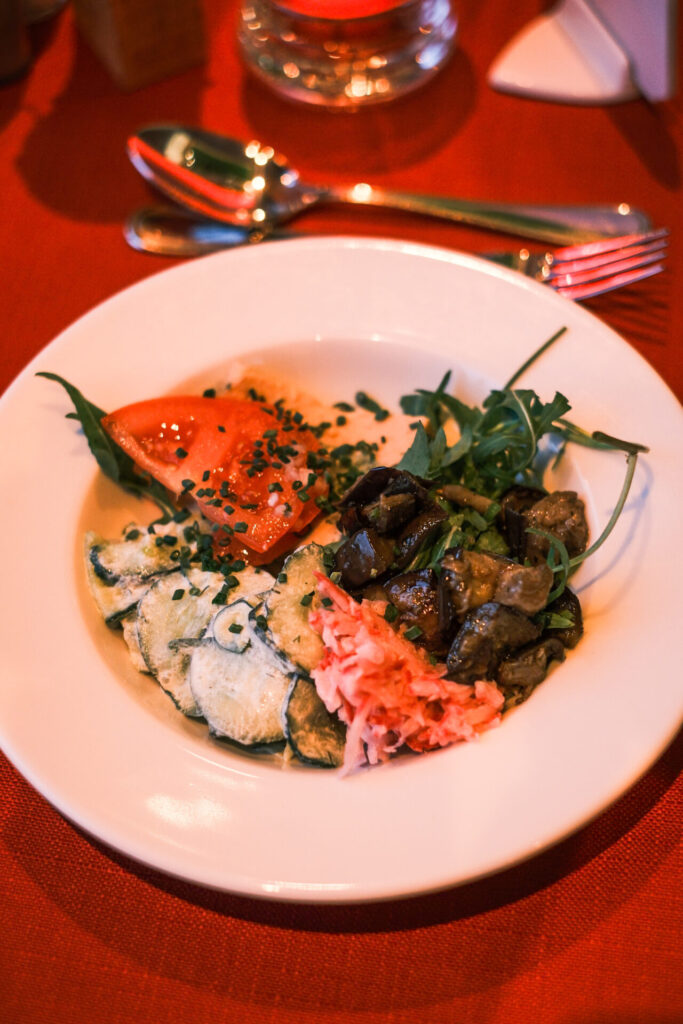
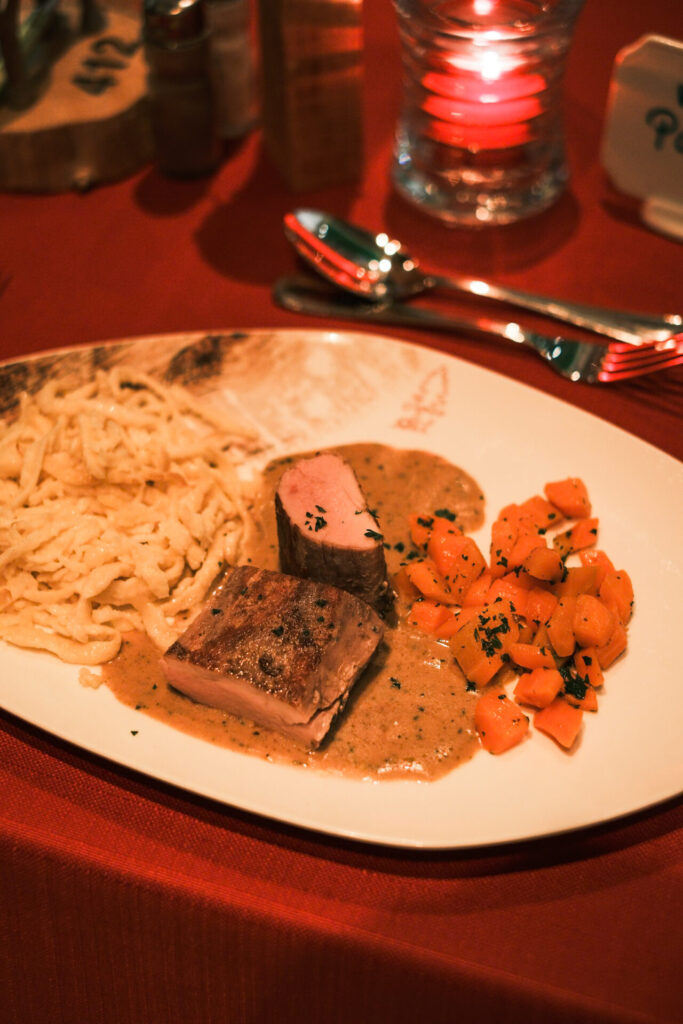
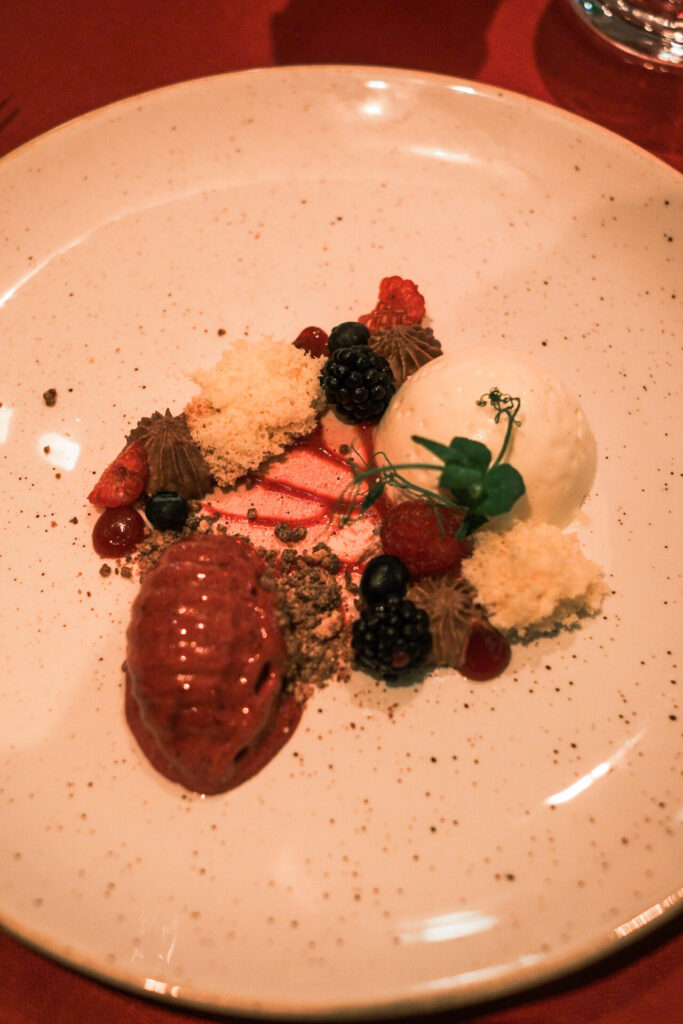
Over the next hour or so, I was served dishes that obviously were prepared with pride and tasted equally as good, essentially as though we were in a high-class restaurant. For those that are intrigued, the full five course dinner was as follows:
- Swabian Potato Soup with Blood Sausage Wheels & Spring Onion
- Selection of Meats, Cheeses & Salad at the Buffet
- Homemade Maultaschen (meat dumpling) with Cranberry Jus, Parsnip Puree & Fried Parsley
- Sous Vide Cooked Pork Fillet with Tarragon Sauce, Carrots & Spätzle (German egg noodles)
- Bavarian Cream with Fresh Wild Berries, Dark Chocolate Cream, Raspberry Gel, Caramelised White Chocolate, Vanilla Biscuit & Forest Berry Sorbet (like a deconstructed Black Forest cake)
Wow, what a meal and what a way to be introduced to the traditional cuisine that this corner of Germany is so famous for. The only thing I would say is that perhaps German egg noodles are not for me. I can, and do, eat most things but I’m not quite sure they were definitely for me.
It had been a long day, yes I fit all of that into just one day, so all I could think about doing next was diving straight into bed!



Day 2 – Exploring The Black Forest & An Evening In Rulantica
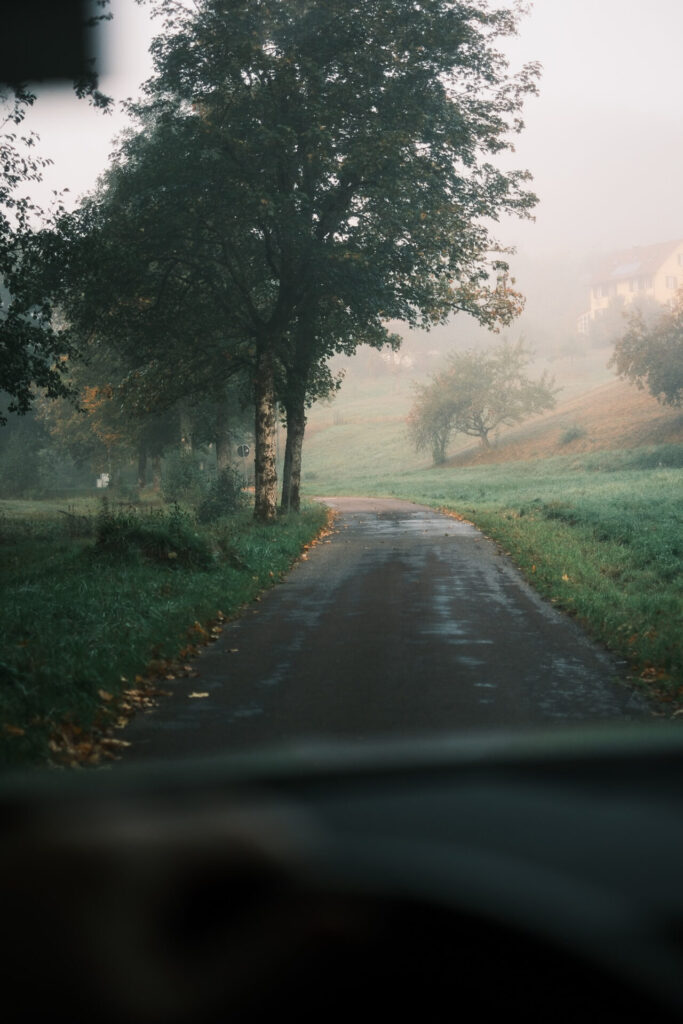
After a much deserved sleep, with no little ones to wake me up at 6am, I had a strong morning coffee and some yoghurt with my eyes transfixed on the low lying mist that had blanketed the valley. This day was going to be a good one.
First up, I planned a little detour before arriving at the National Park Schwarzwald (Black Forest National Park). I wanted to head to one of the most famous observation decks in the Black Forest (Aussichtsplattform Ellbachseeblick) just after sunrise but one of the main roads was completely shut and my directions seemingly decided my hire car could go off road and drive vertically up a mountain. Cue me panicking, surrounded by mist, attempting a nine point turn on a gravel track with a steep drop to the side of me. Not the sort of morning I initially had in mind.
Anyway, I eventually got back to the main road towards the national park and met up with a ranger who was going to take me deep into the forest and show me all of the best spots. We hopped straight into an electric ranger buggy and headed up, up and even further up. I knew this region was hilly but I didn’t expect the mountains to reach quite so high; the tallest mountain in the Black Forest, the Feldberg, reaches almost 5,000ft though perhaps it was more so that the surrounding countryside appears as flat as a pancake.
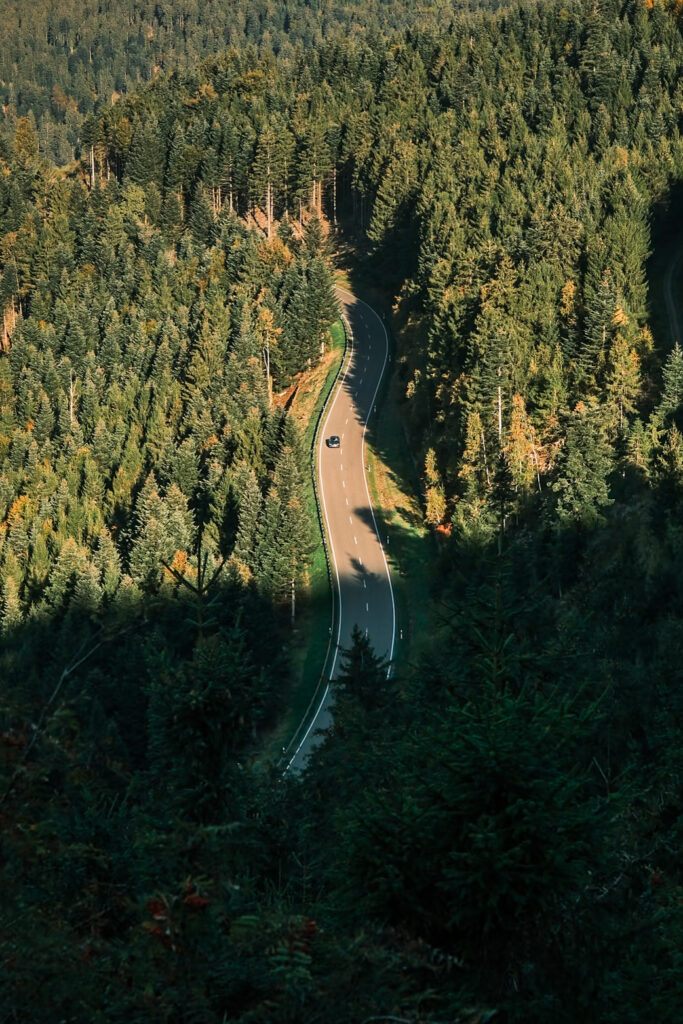
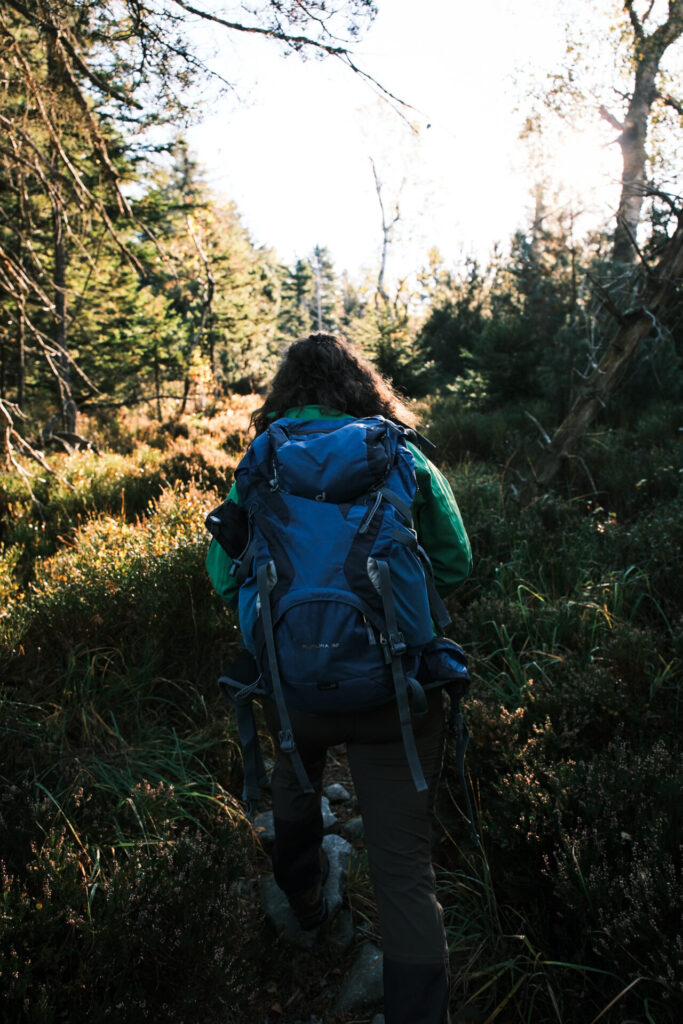
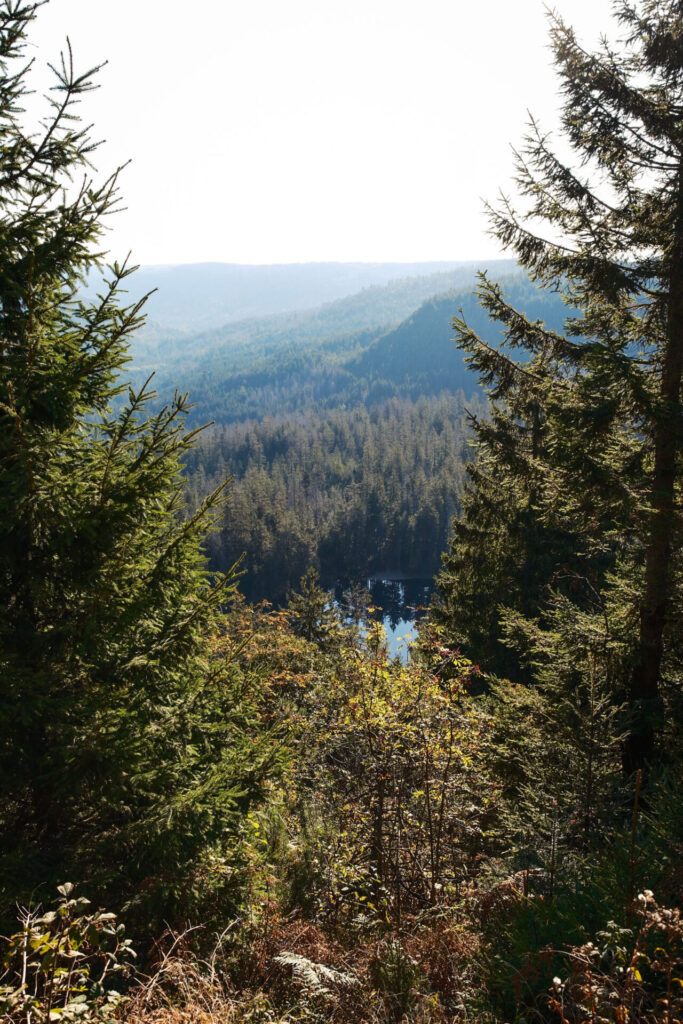
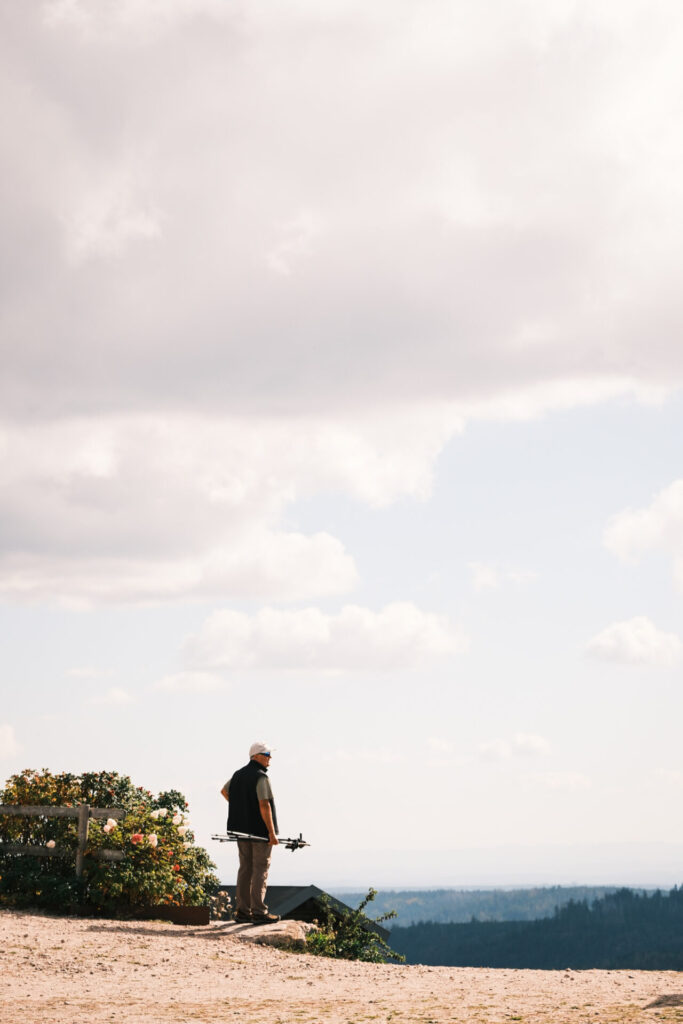
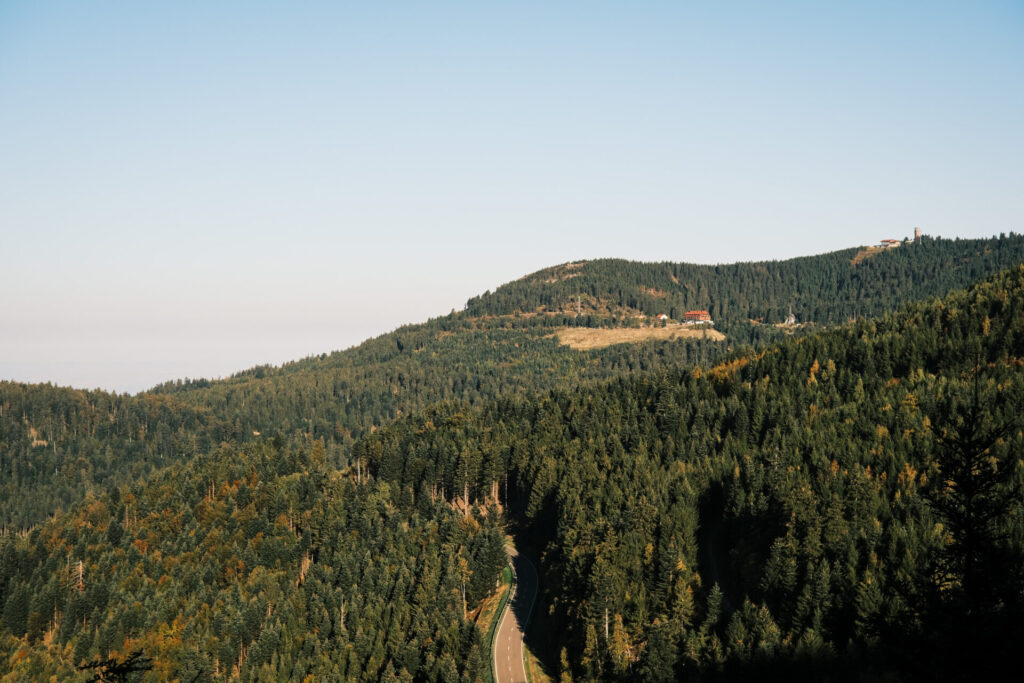
Our first stop was the Hinterseebach Viewpoint from where you could see for miles, and miles, down towards Strasbourg across the Rhine and south towards the final destinations of this road trip; Europa-Park & Baden-Baden. Next, after a further climb in the buggy, we reached the start of a short hike to another viewpoint where we wandered past pine trees (oh the smell – here’s me thinking I’d lost my sense of smell since Covid but this has dispelled that as just a myth) and past the memorial to and resting place of Dr Julius Euting; a key supporter and pioneer of hiking here in the Black Forest. Interestingly, in keeping with Dr Euting’s own tradition, visitors here drink a cup of mocha on his birthday, 11th July. Finally, we came to our final stop on the trail, with views looking directly east into the great expanse of the national park, the part of the park where nature is simply allowed to be nature, no human intervention whatsoever, and over the beautiful Wildersee (if I had more time I’d have loved to have hiked down to the lake).
If there’s anything we can take away from this brief introduction to the Black Forest is that it is all about the views. The views are insane.

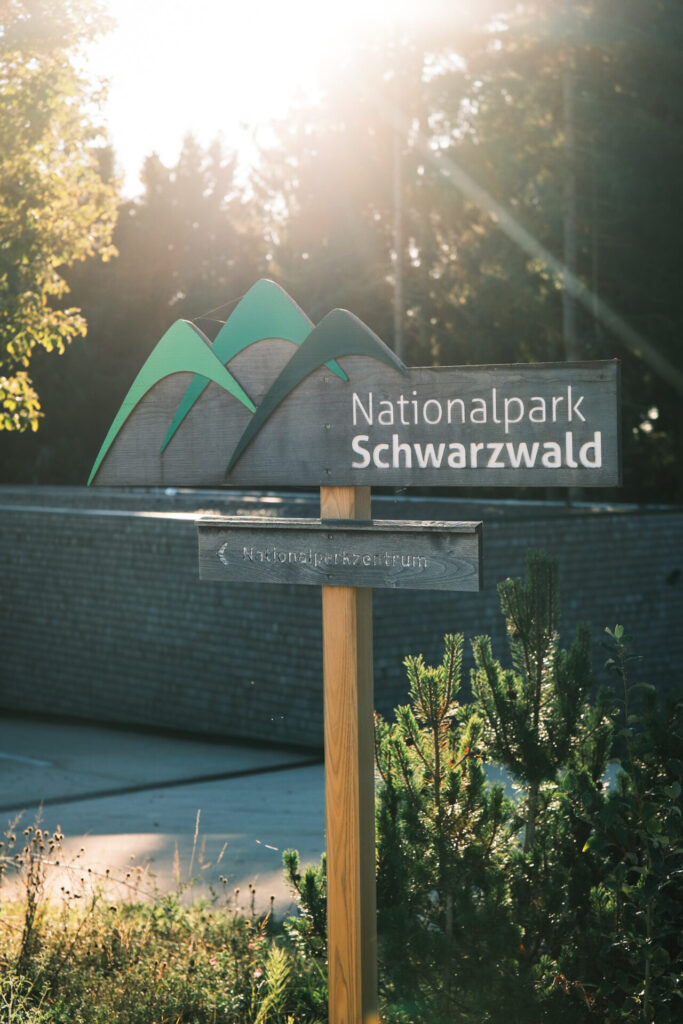



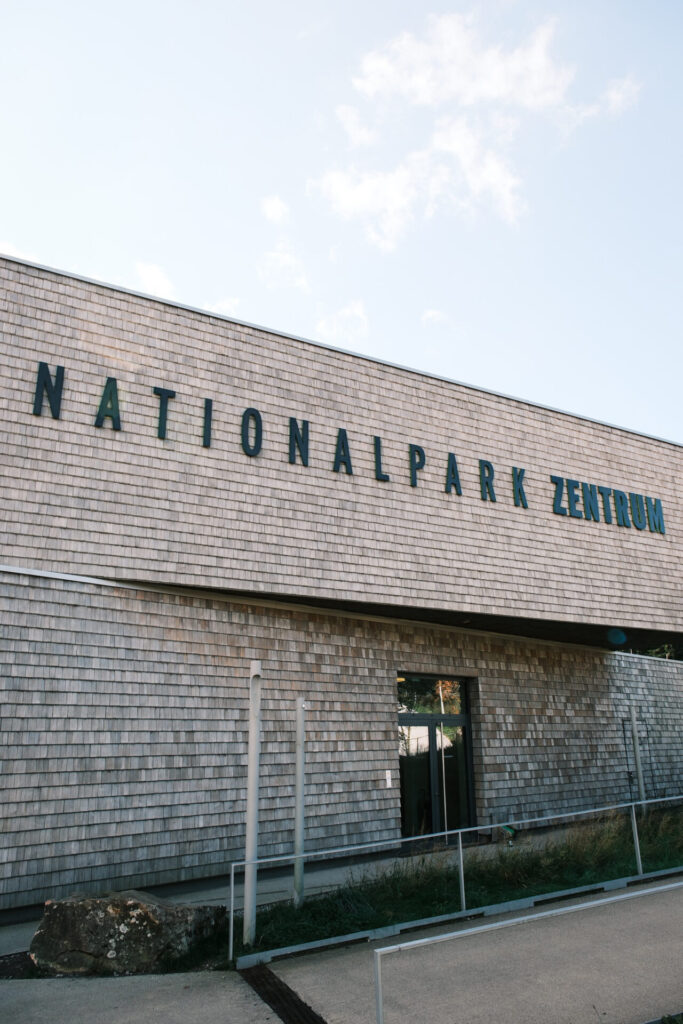
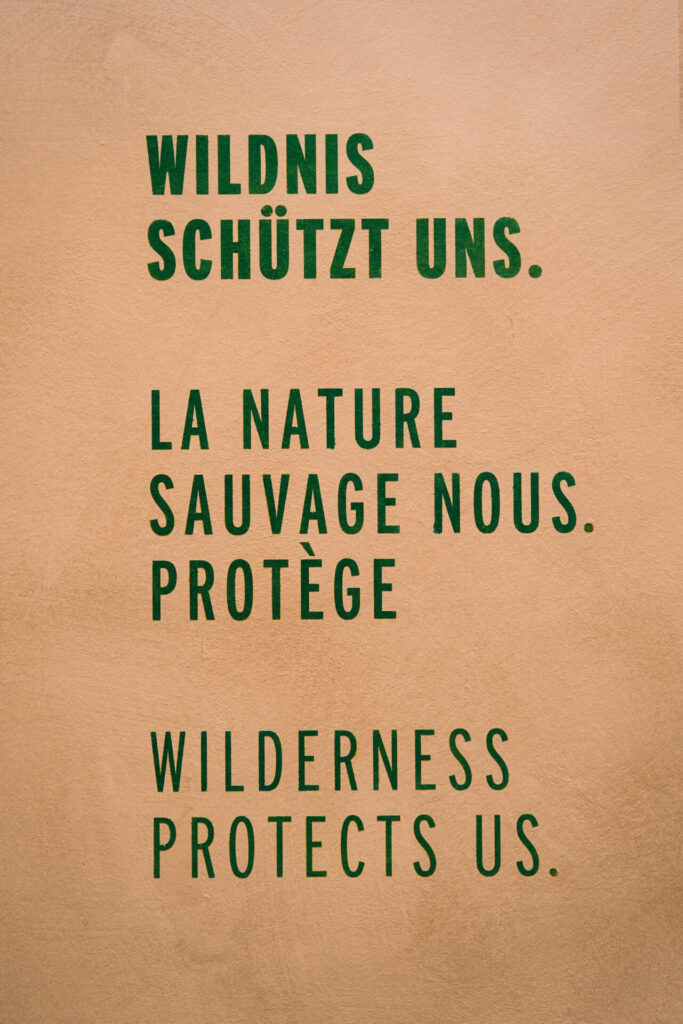
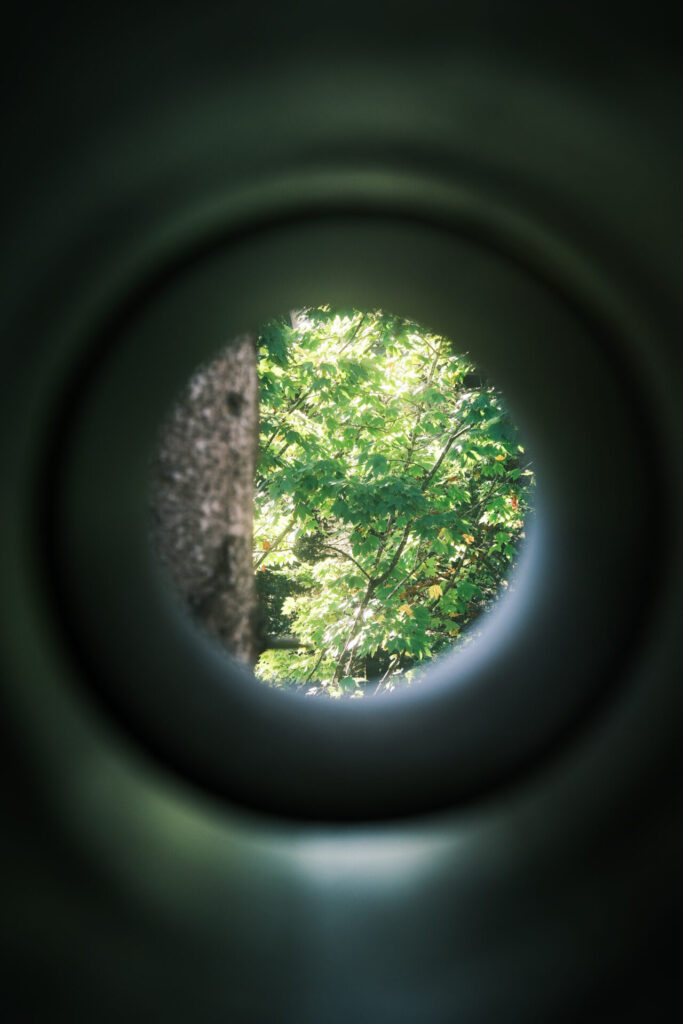
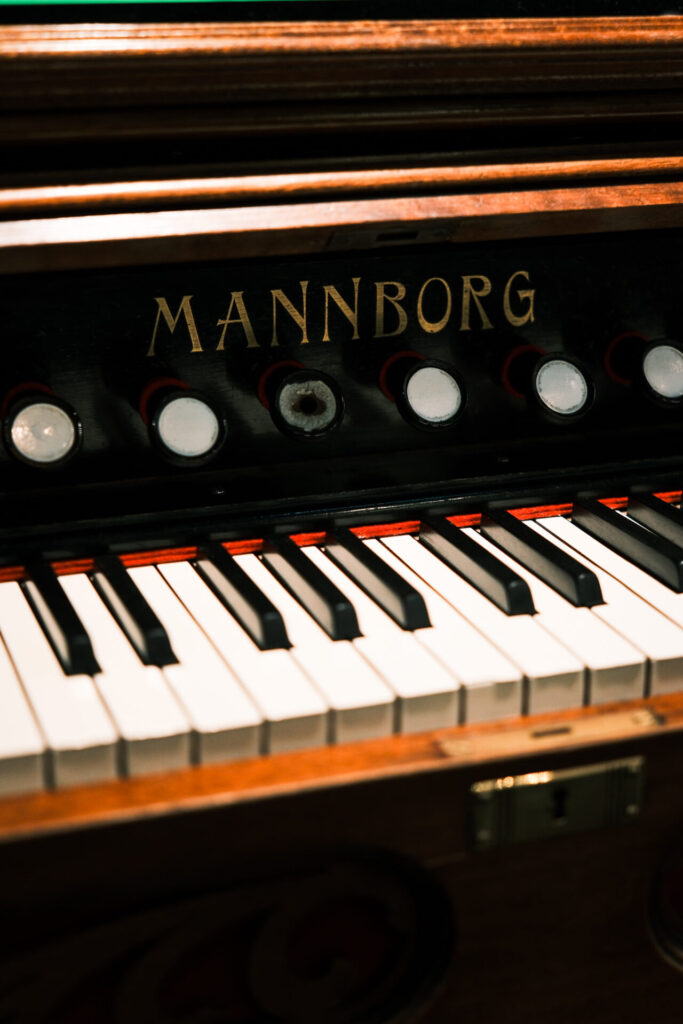
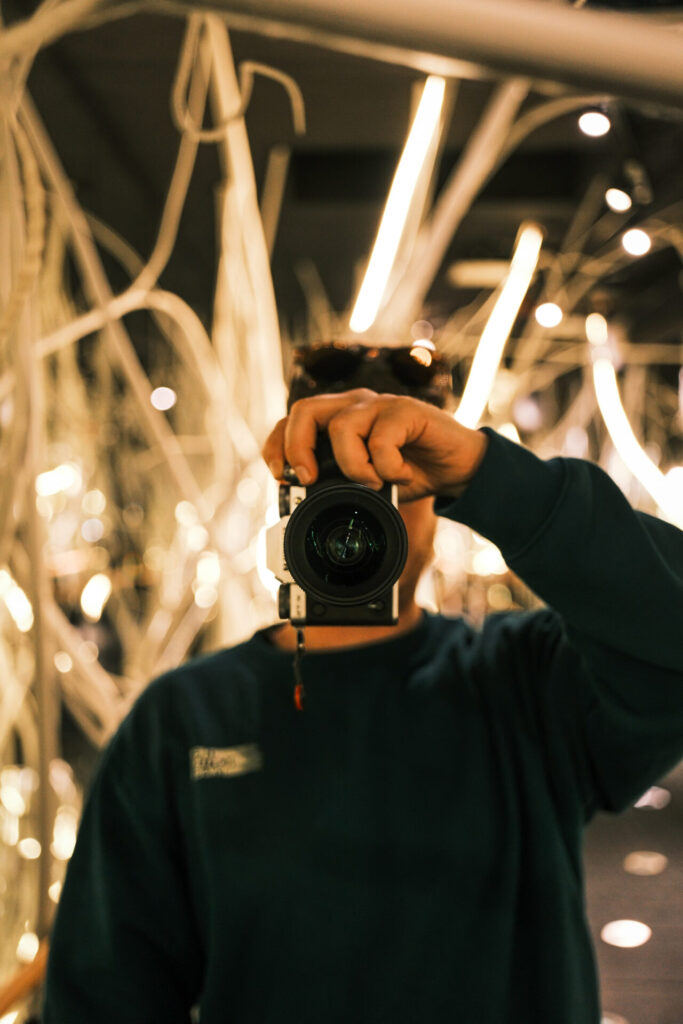
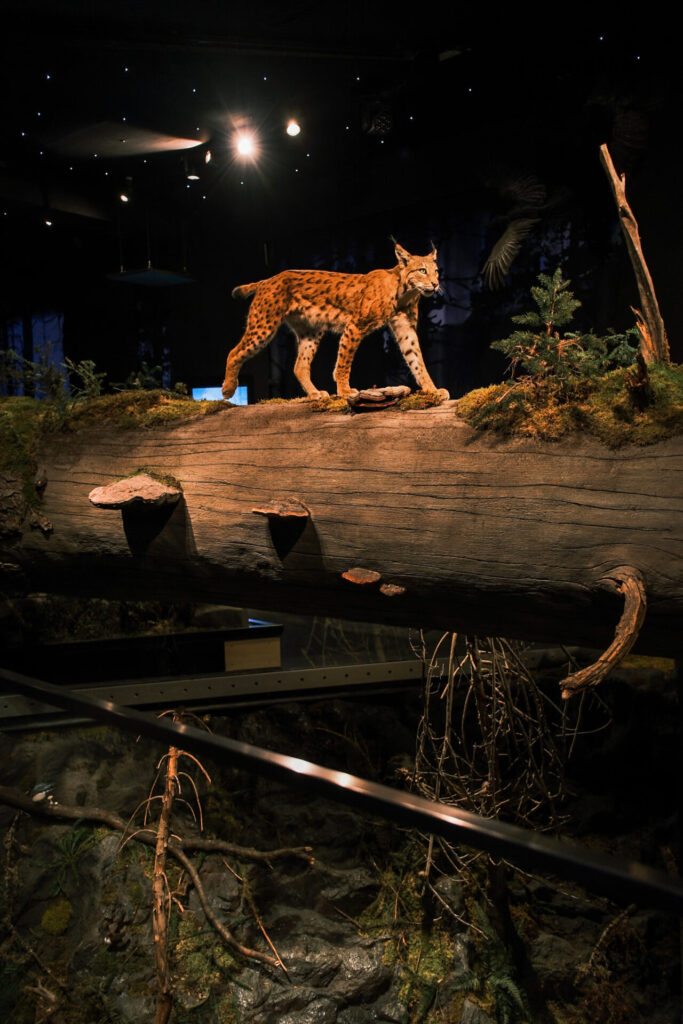
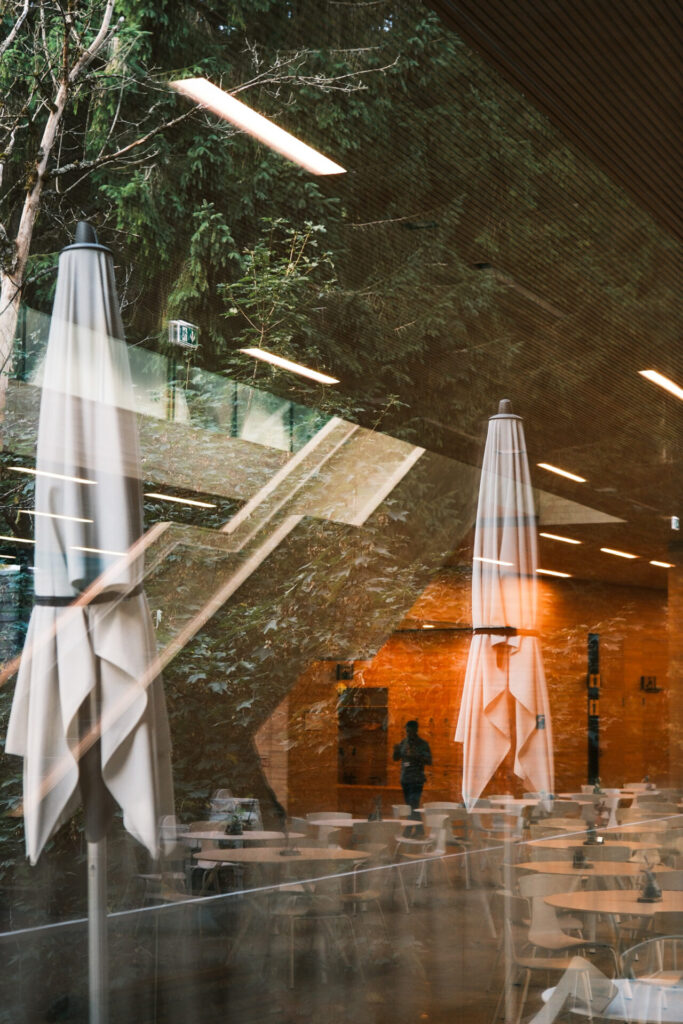
Now that we’ve explored the National Park by foot and admired its beautiful views, it’s time to learn more about the park, its inhabitants and more at the Nationalparkzentrum Ruhestein. This is no ordinary visitor centre though, the permanent interactive exhibits (spanning over 1,000 square metres) are extremely well thought out and put together that you can spend hours wandering through, soaking up the information and leaving much, much wiser and willing to spend more time in nature. My personal favourites were the “Silent Room” in which you sat in complete silence staring through the huge glass windows into the forest, the underground network of illuminated roots like a nerve centre as well as the skywalk and the 34m high, 15° inclined observation tower.
Admission into the permanent exhibition costs €8 for adults, €4 for concessions and children under 6 are free. The centre is open Tuesday to Sunday, 10am to 6pm, and has on-site parking for a small fee. Interestingly, if you arrive by public transport, you’re able to get a €1 reduction on your admission fee. Access to the café and the
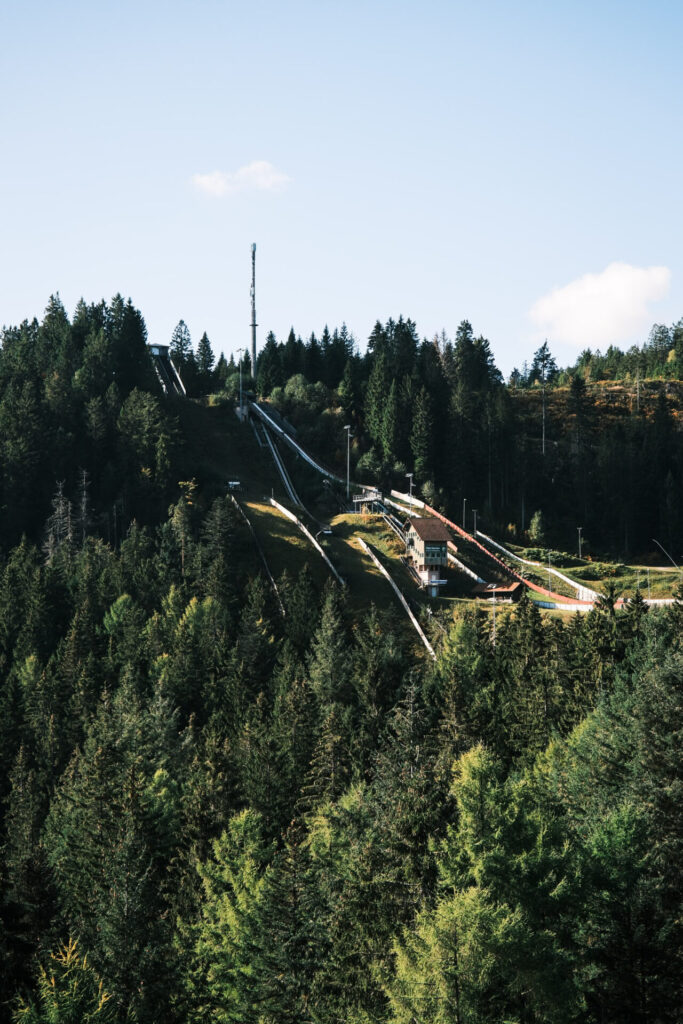
After all that walking and learning, there was only one thing on my mind. I needed a coffee and I needed to try some Black Forest cake; it would have been rude of me not to wouldn’t it? So, off I set to reach Grinde-Hütte, a building I could see from one of the viewpoints earlier in the day, a building far higher than anything nearby. If only I could work out how on earth to get there.
Unfortunately for me, here in the mountains, modern navigation systems simply do not seem to work. The first time trying to find this popular café, I drove around 10 minutes further than I needed to and aborted when I realised the directions were trying to take me up a ski run… After another failed attempt to conquer the mountain from the opposite direction, I decided that there was no other way up than to attempt a hike up rocky paths, for 45 minutes. Obviously, I abandoned that plan pretty quickly.
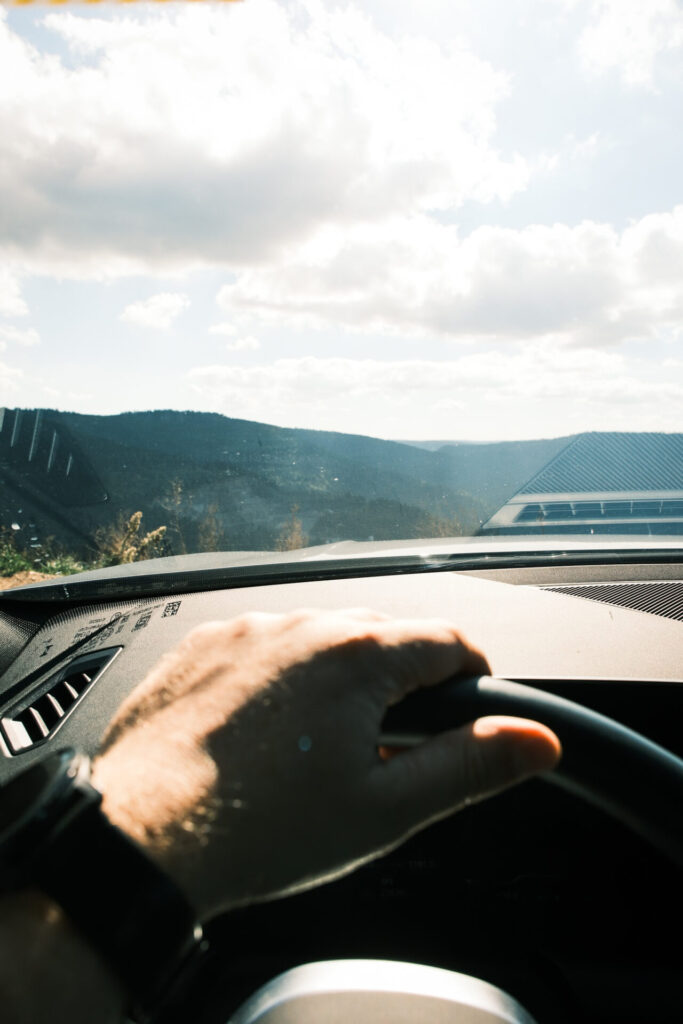
I eventually found the road that went directly up to Grinde-Hütte with signs that even I could understand restricted cars passing any further. How did everyone reach this famed café? Now, that question has clearly been written by someone who isn’t German and perhaps was clearly running very late by this point. The correct answer, as I soon learnt, was to hike up the mountain along the tarmac road (around a half an hour walk) which meant that said coffee and cake would be even more rewarding once you’d worked for it. I however took the very non-German decision to play dumb and take my car all the way to the top no matter how many people stared at me for clearly not obeying the rules and no matter how many people I passed slogging uphill pushing pushchairs.
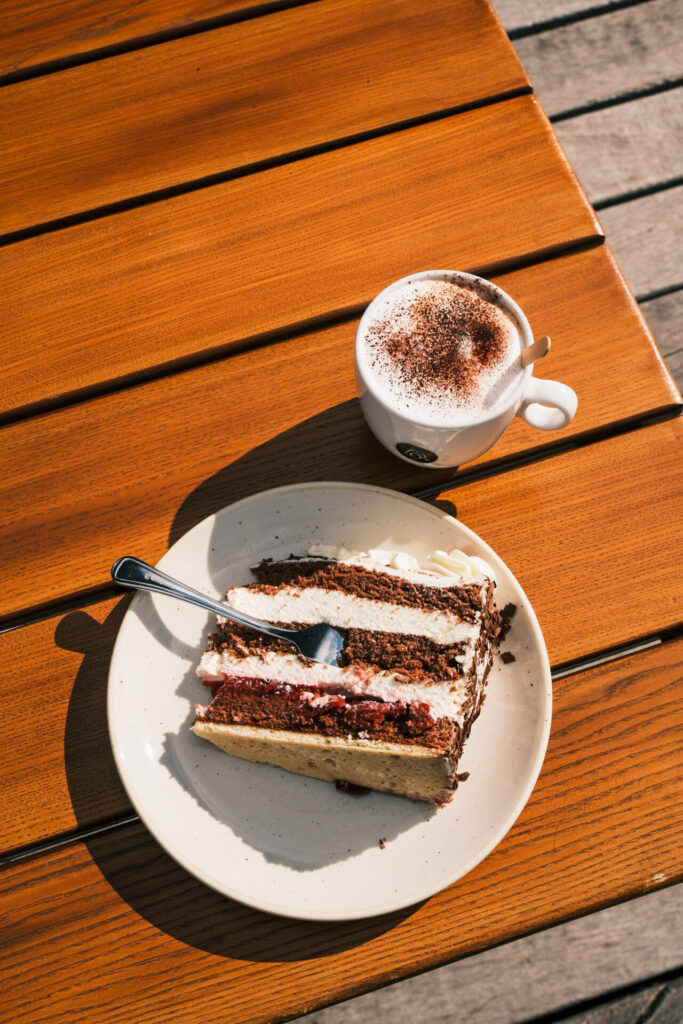
So yes I did make it to Grinde-Hütte and yes I was the only car in the area I myself designated as the car park but, as I sat outside in the glorious October sunshine, with a cappuccino and a slab of Black Forest cake, I couldn’t help but think there was no better place to be to rest and recuperate before the next stage of my journey.




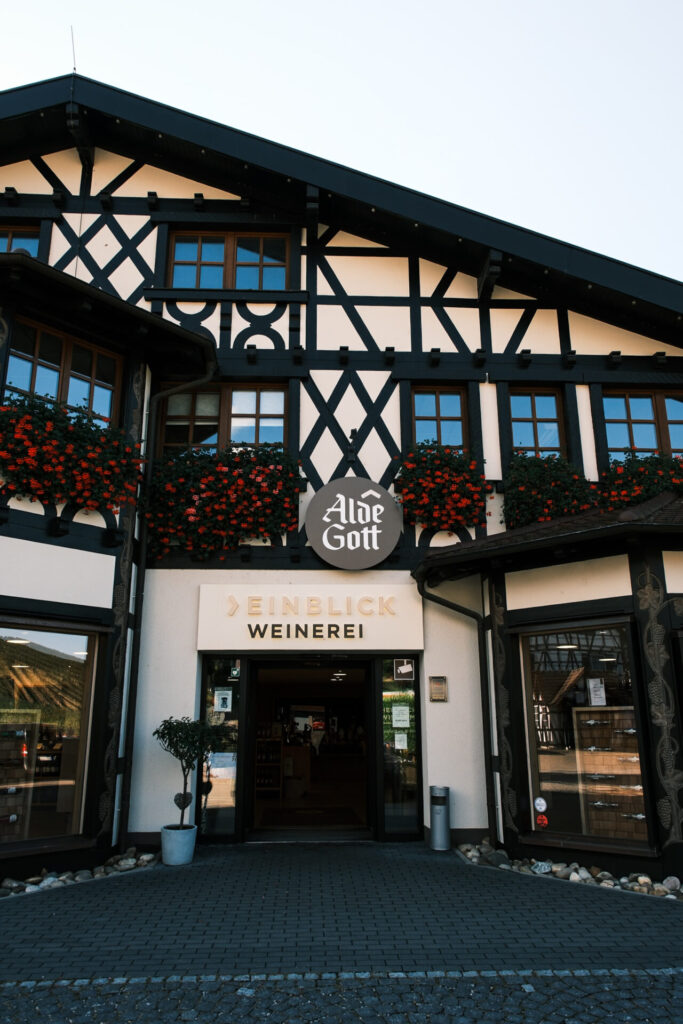
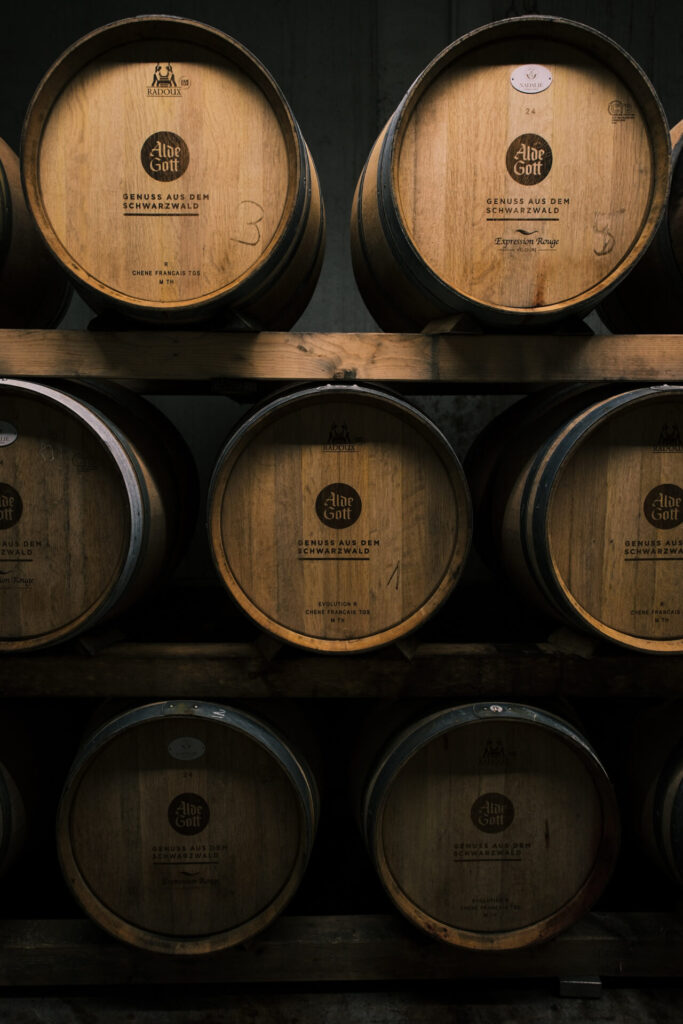
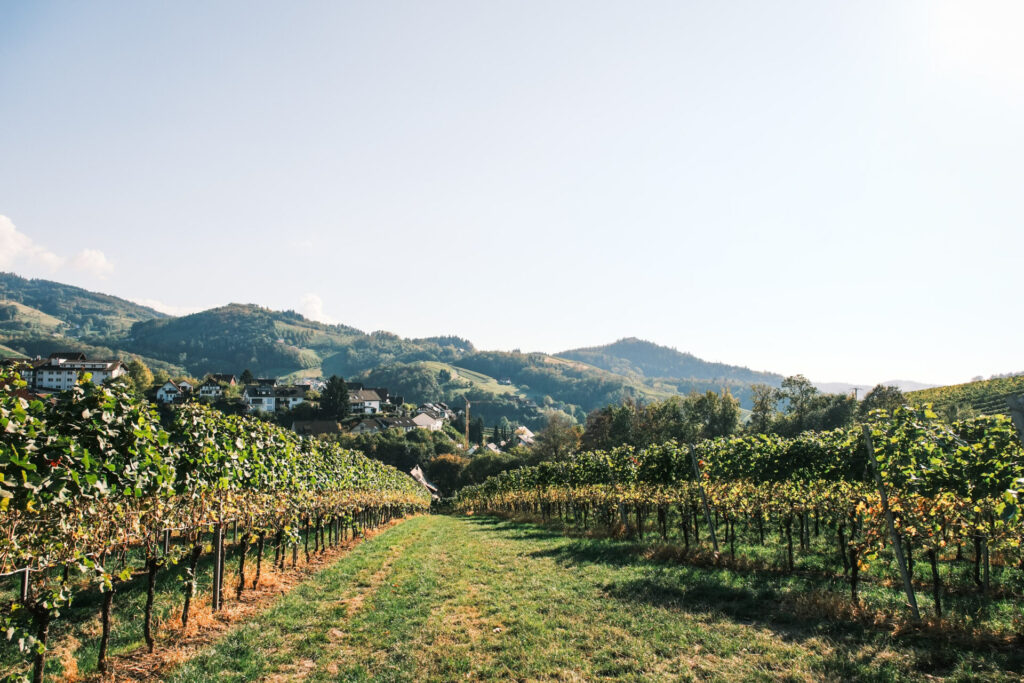
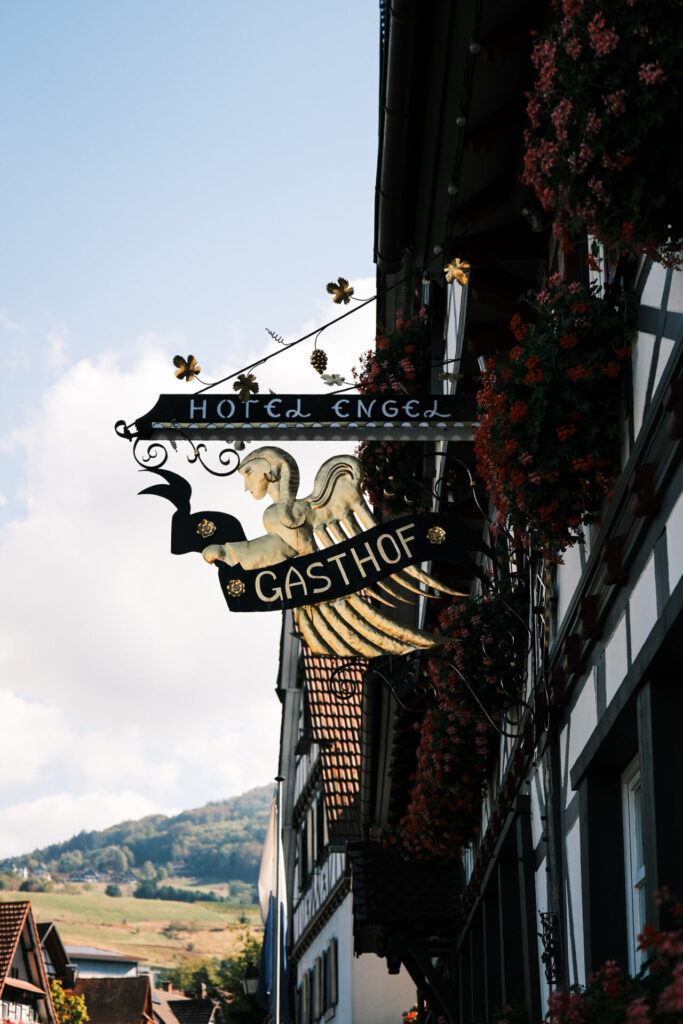
It was time to start my descent down the winding mountain roads to the traditional, heritage-listed village of Sasbachwalden. As soon as I passed the boundary of Sasbachwalden, I pulled over to capture photos of the beautiful half-timbered houses lining the main road. This was Germany right here. Yet, I wasn’t done with just admiring the village that was once awarded the most beautiful in the whole of Germany, I was here to discover its vineyards, sample its wine and learn more about the co-operative behind Alde Gott, one of the region’s most celebrated wine producers.
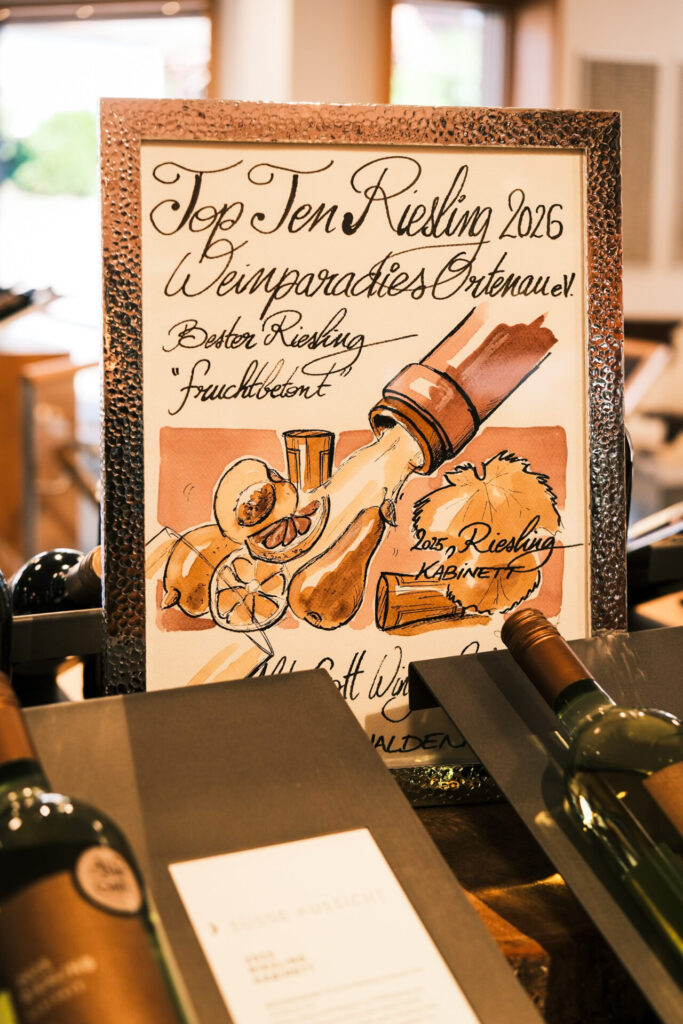
Much to my surprise, the western slopes of the Black Forest, and Sasbachwalden in particular, have long been associated with wine production dating back as far as the 17th century. It wasn’t however until 1948 that the Alde Gott Winzer Schwarzwald Co-Operative formed to local, individual vineyard owners to come together under one umbrella, combining their grapes to produce wine under one collective brand. Today, there are 380 vineyard owners that contribute to the Alde Gott winery.
Interestingly, the name ‘Alde Gott’ or ‘Old God’ is long associated with Sasbachwalden for, again in the 17th century after the Thirty Year War, a young man roamed for survivors and found a young woman (who he later married) in the vineyards around the village and exclaimed “Der alde Gott lebt noch” – the Old God is still alive. There’s a shrine up the hills within the vineyards commemorating the meeting and the phrase behind the winery.
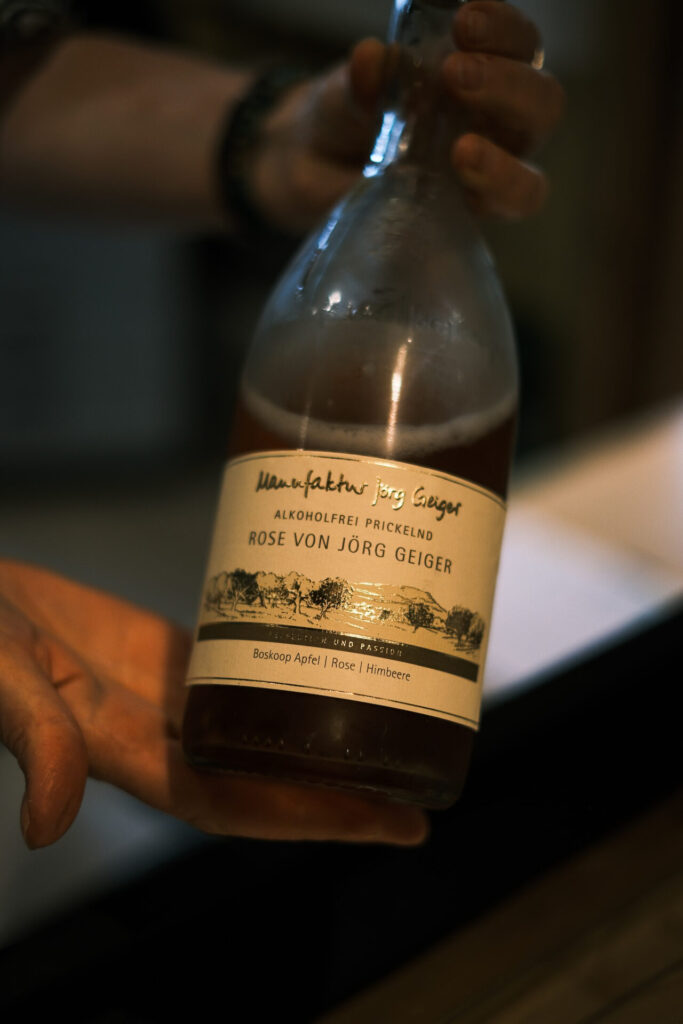
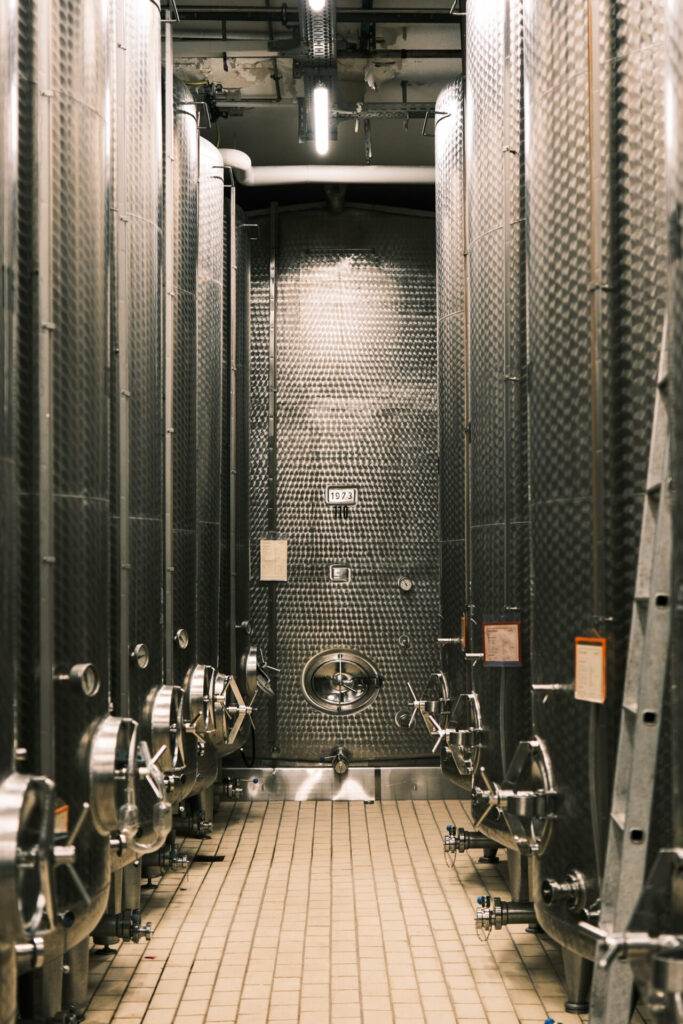
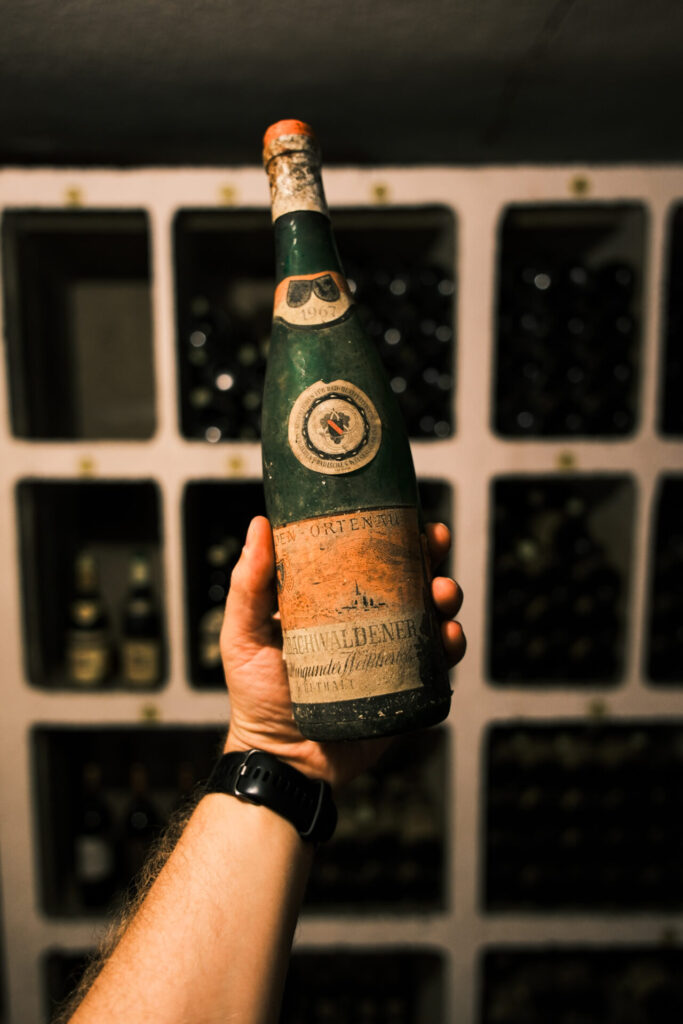
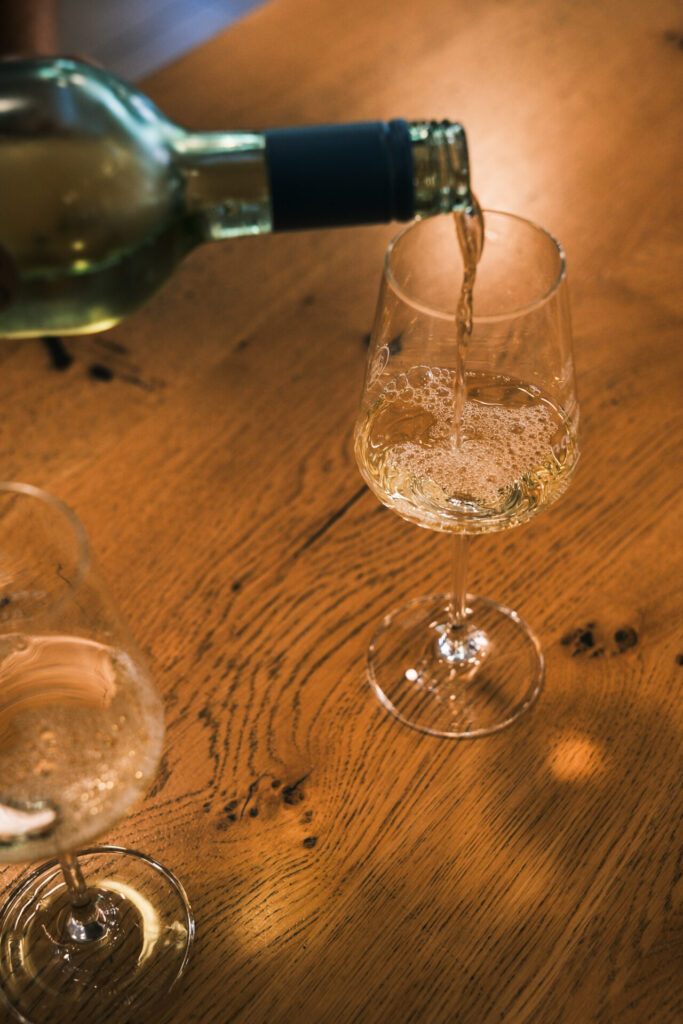
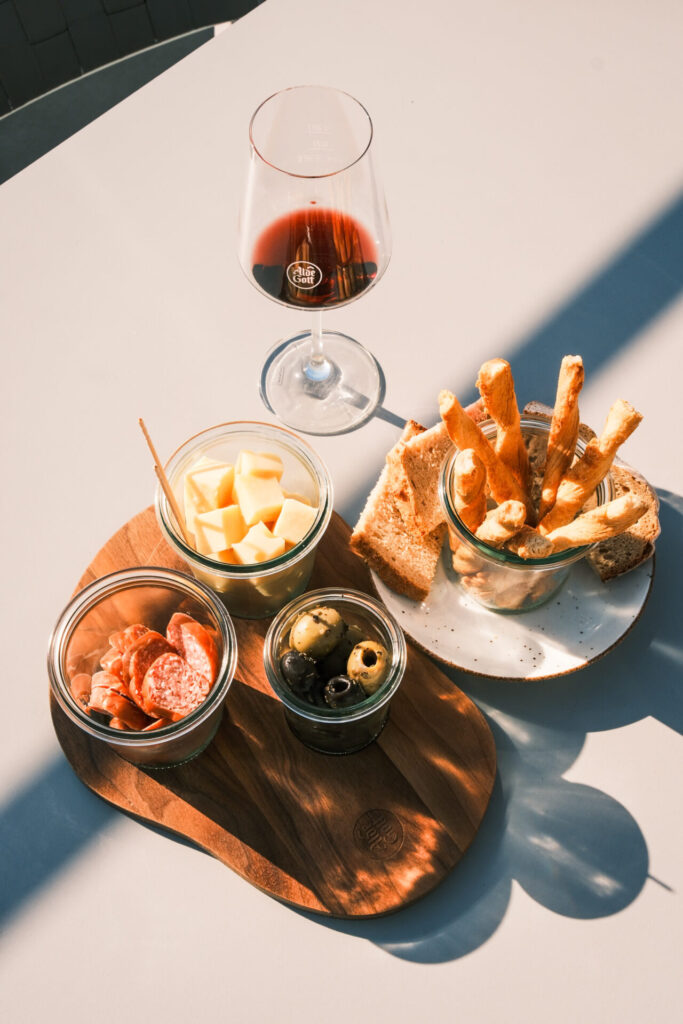
First things first was a private tour of the wine making facilities including the cellar with detailed explanations of the entire process. Of course, we ended the tour with the best part, a tasting of both a white and red wine before moving to the rooftop wine terrace for nibbles and a small glass of ‘new wine’. This was the best part of the experience for sure, the ‘new wine’ or Federweisser, is only available in autumn, in September and October, and essentially is bottled just as the grapes begin to ferment (hence, new wine or young wine). This produces a sweet wine, nothing like dessert wine, almost juice like and incredibly drinkable – though the alcohol content can still be as high as 11% so be careful!
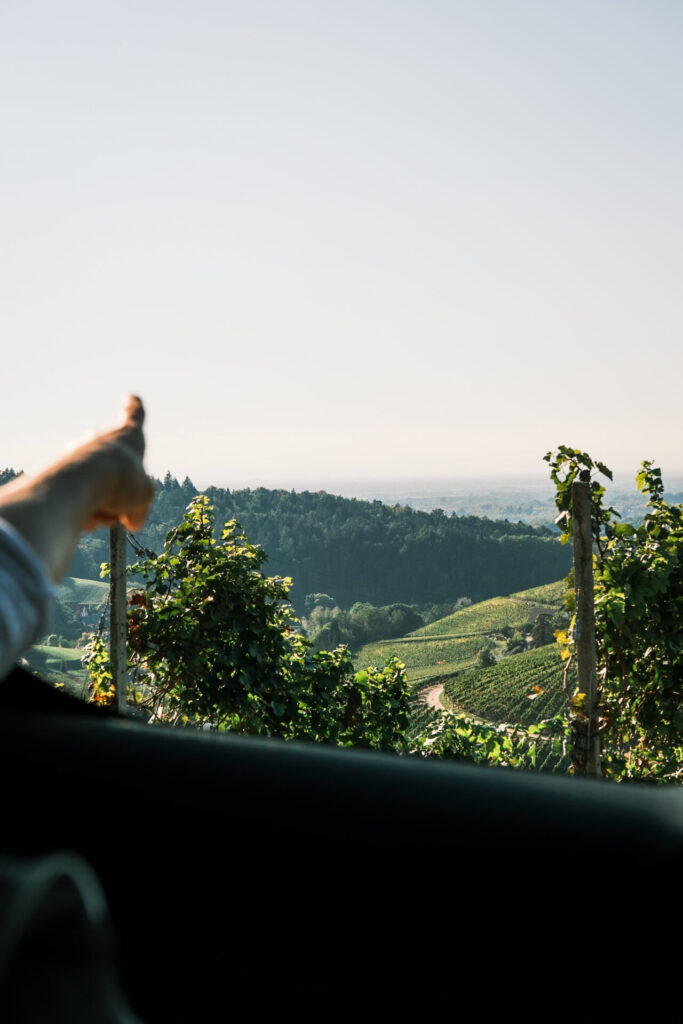
Finally, we headed up into the hills to wander the vineyards themselves, spot the sun reflecting of Strasbourg Cathedral and to see one of the many Schnappsfountains that make up an interesting hiking trail from wooden hut to hut in which locals share their own schnapps, liqueurs & ciders. I can only imagine how much fun these hikes must be – I think I need to return to complete one (the northern trail is 7km, southern is 10km) and, if I have to, sample a few schnapps.
Alde Gott offer hour long tours of their winery and tastings of three wines on Wednesdays and Saturdays and this is something that I’d highly recommend adding to any visit to the Black Forest.




It’s time to leave the Black Forest and drive an hour or so south to visit somewhere very exciting; Europa-Park. It did however mean that I had to brave the autobahn, Germany’s infamous highways on which certain parts have no apparent speed limit. It wasn’t until I was actually driving on the highway itself and cars were flying past me that I realised what the signs meant – honestly, 70mph, the top speed in the UK, felt so slow that it might cause an accident. I actually felt much safer driving at higher, much higher, speeds. I feel like driving on the autobahn was actually one of those weird bucket list moments for me!
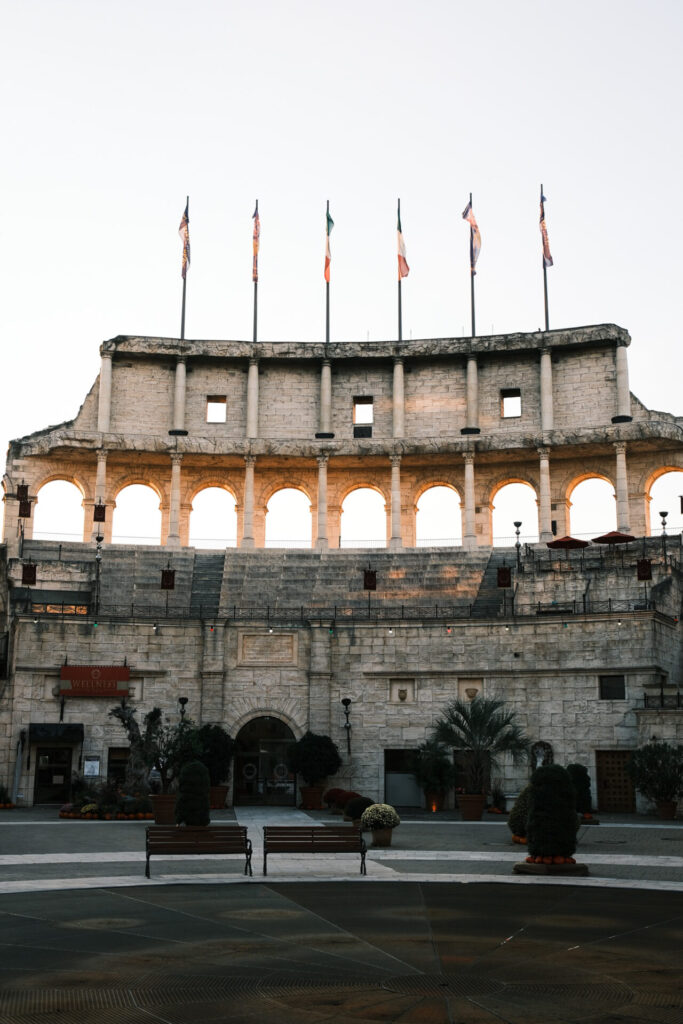
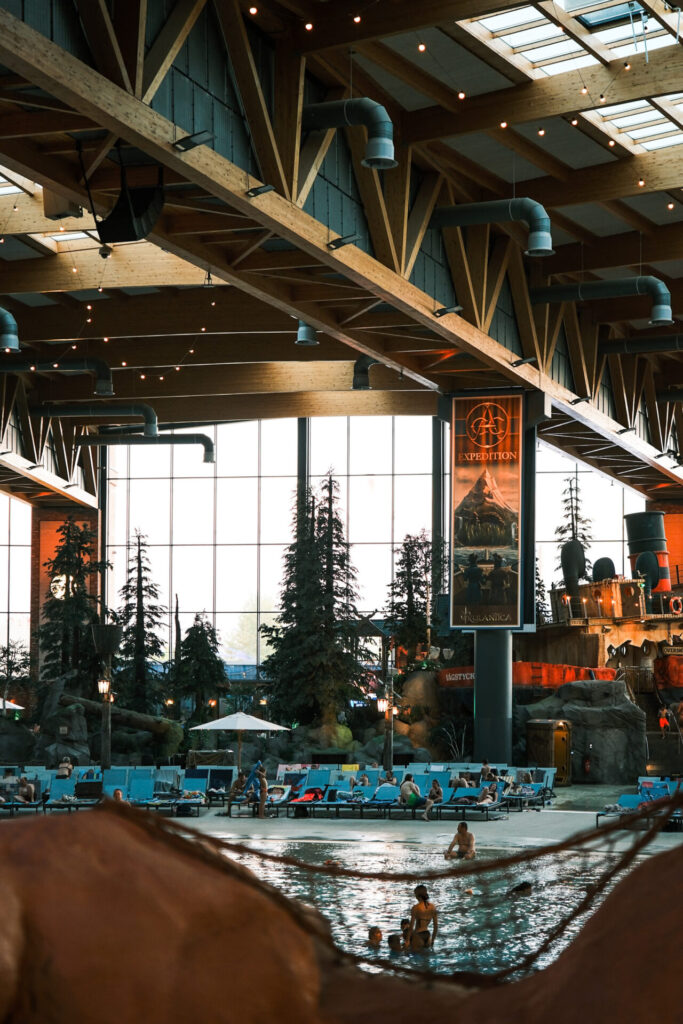
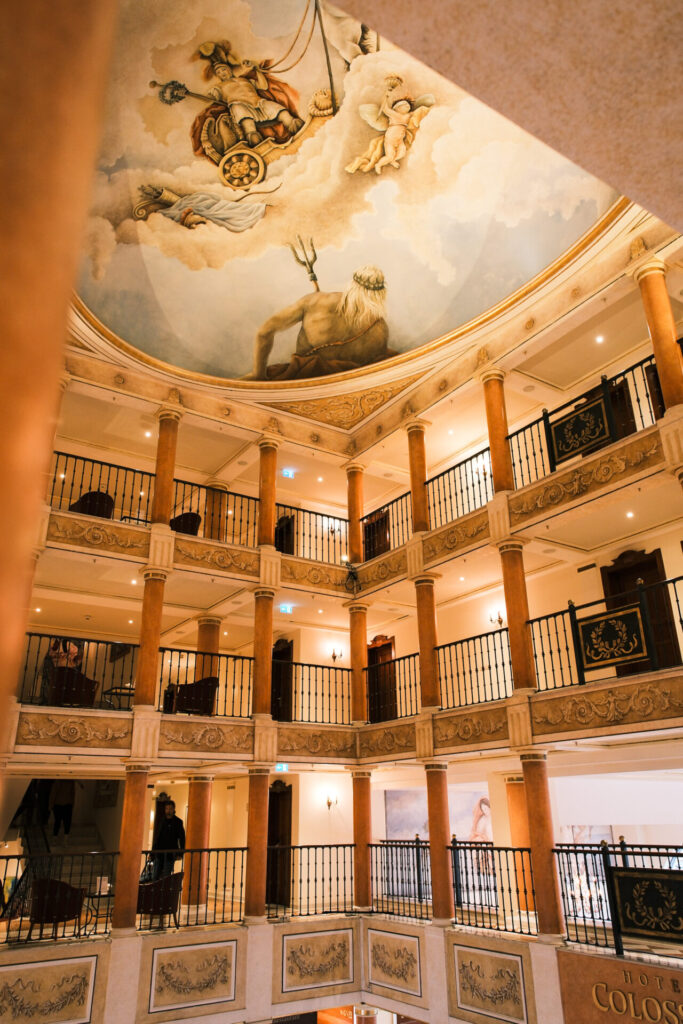
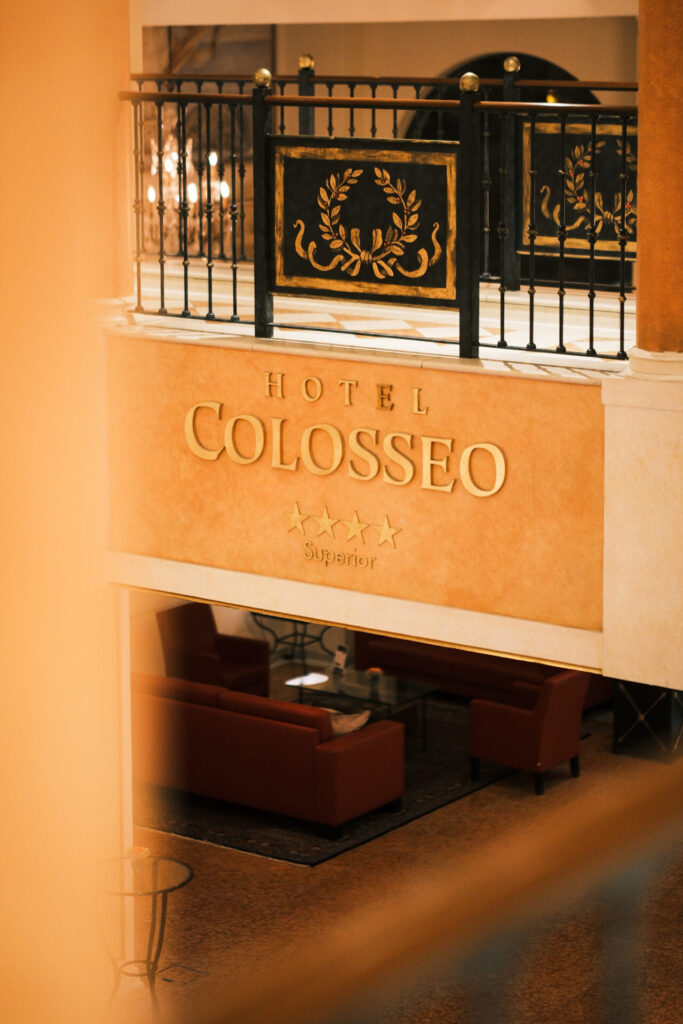
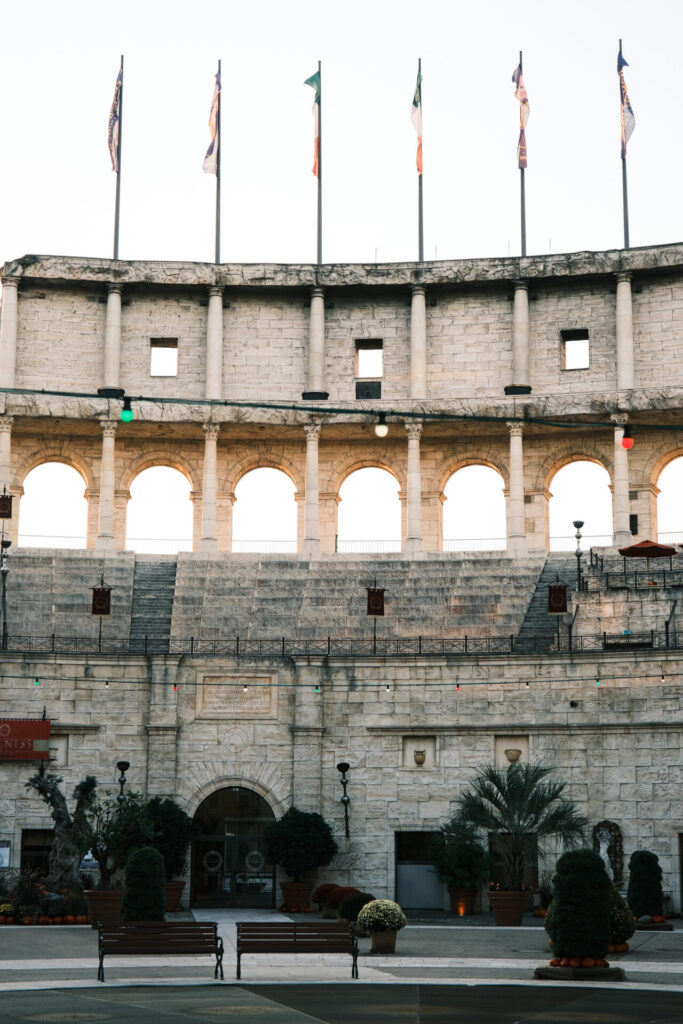
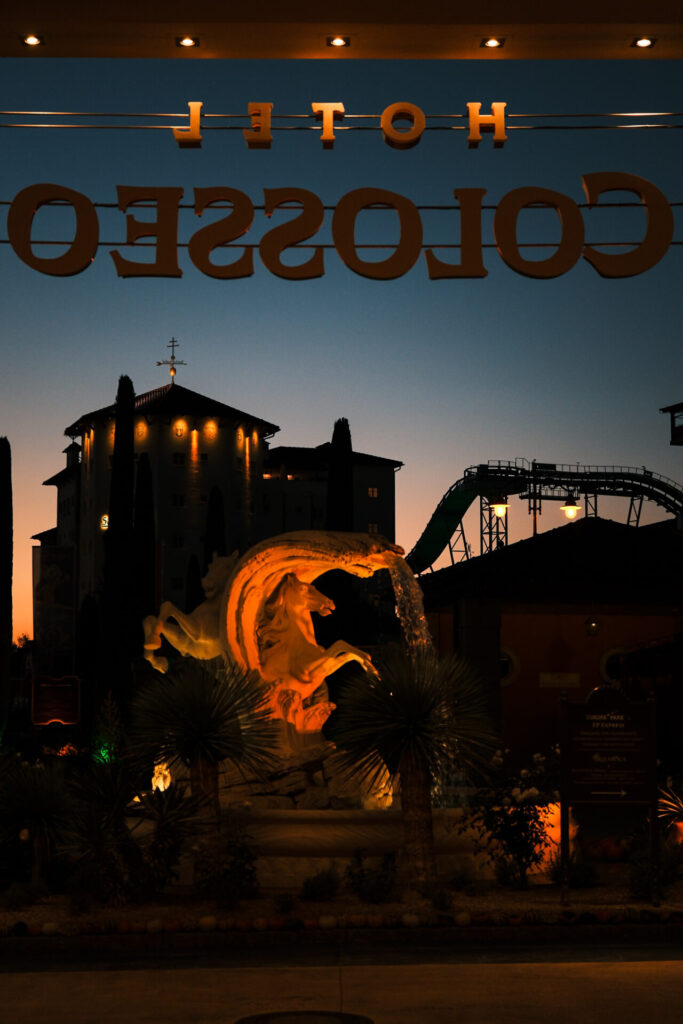
I couldn’t believe my eyes when I arrived at my hotel for the night at Europa-Park. The Hotel Colosseo takes theming to a whole other level with the Italian details and a practically full-size replica of the colosseum across the terrace; it was as though I’d immediately been transported to Rome. There was no need to settle in however as I wanted to spend the evening at Europa-Park’s huge nordic-inspired waterpark a few minutes drive away, Rulantica.
I haven’t been to a proper waterpark since I visited Florida back in 2019 and so it was amazing to wander round seeing just how crazy some of the waterslides were. I was by myself so I just went from slide to slide rather than spending time relaxing in say one of the outdoor pools with a swim-up bar – I was a little jealous of those enjoying pints of beer in the pool. The most insane slides I experienced were the dual trapdoor-style slides of Dugdrob and Vildfål; you get into a vertical tube, watch the countdown, before the floor literally gives way underneath you. Cue a freefall of what feels like an eternity (though in reality it’s a few seconds) until your body reconnects with the slide and you continue, at a maximum speed of 50km/h, down the 120m slide. Now, you have to bear in mind that all of this is for research and work purposes but there was something a little embarrassing of queuing up for the slide between children and me being the only one to emerge from the ride trying to catch my breath, uncontrollably coughing and spluttering as though I had just continually swallowed water for the whole length of the slide. I only managed a few more, much calmer, slides after that though unfortunately missed out on a few as they needed a minimum of two people – that’s what I get for travelling alone.
I think re-visiting Rulantica with the family would be incredible as I just know that Evelyn would love visiting a proper waterpark and experiencing some of the smaller rides. You certainly couldn’t visit Europa-Park without spending time here at the waterpark too, it’s so so good.
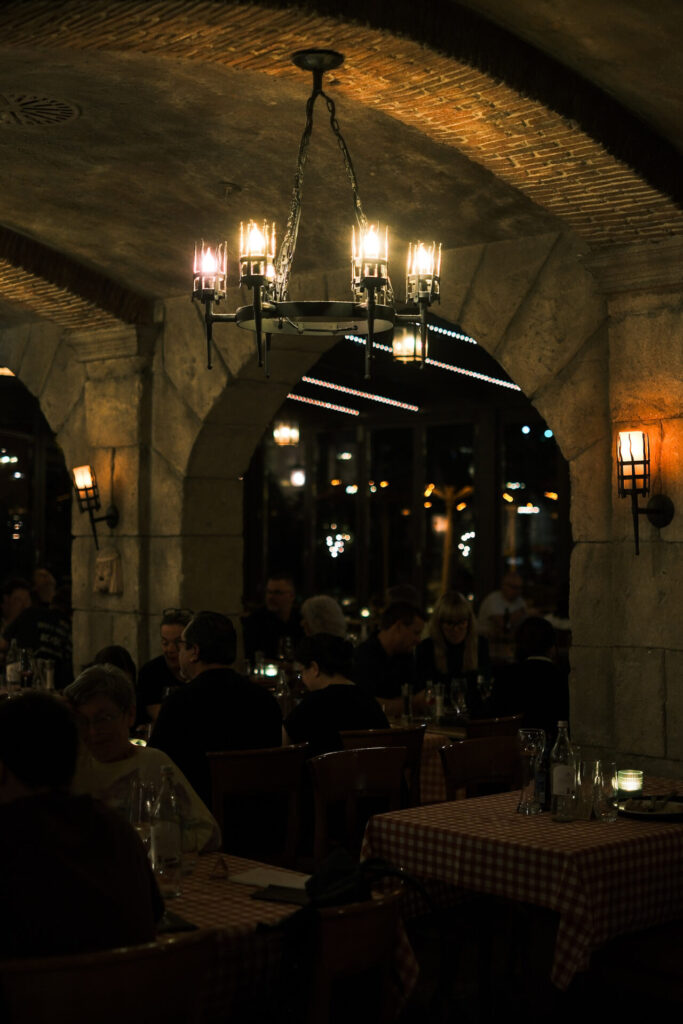
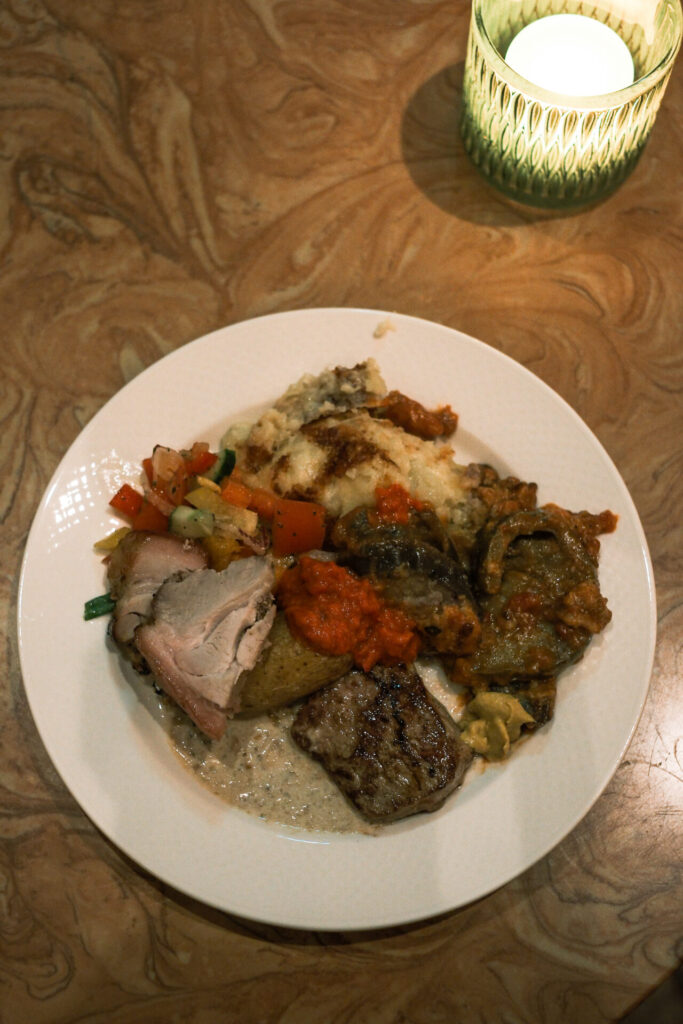
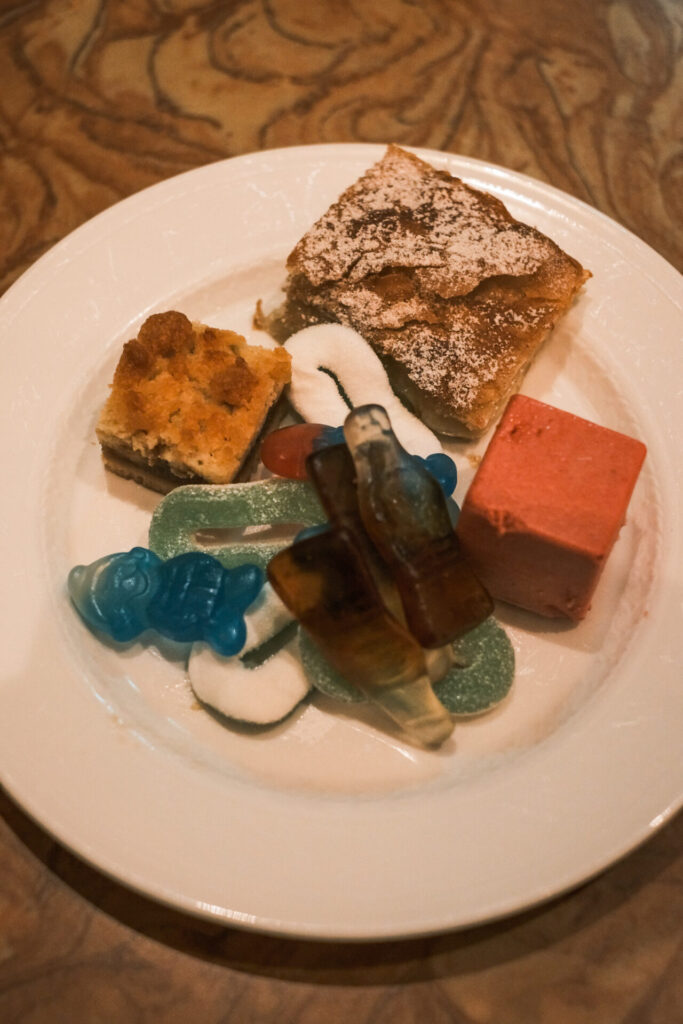
The only way to replenish the energy stores after a busy evening firing down waterslides was with dinner at the Hotel Colosseo’s buffet restaurant, Antica Roma. There was absolutely everything you can imagine available to eat, mostly mediterranean cuisine, like Italian meats and cheeses, porchetta, pizzas, Sicilian caponata and, of course, tiramisu for dessert. I tried quite a few different dishes without going completely overboard though I did add sweets to my dessert plate because, well, why not.










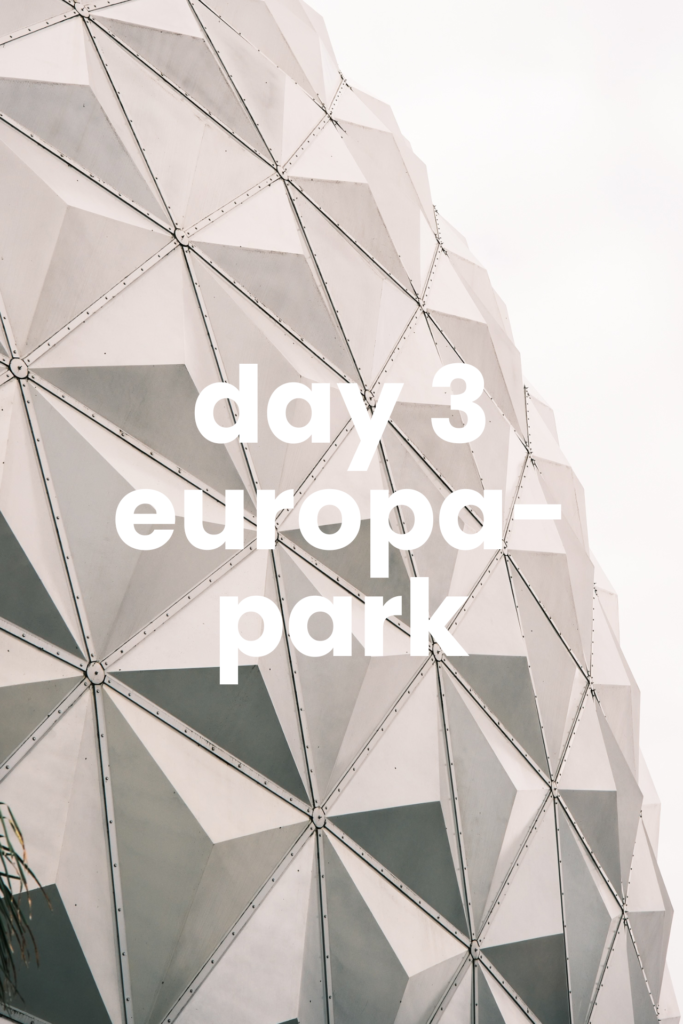
Day 3 – Europa-Park & Travel To Baden-Baden
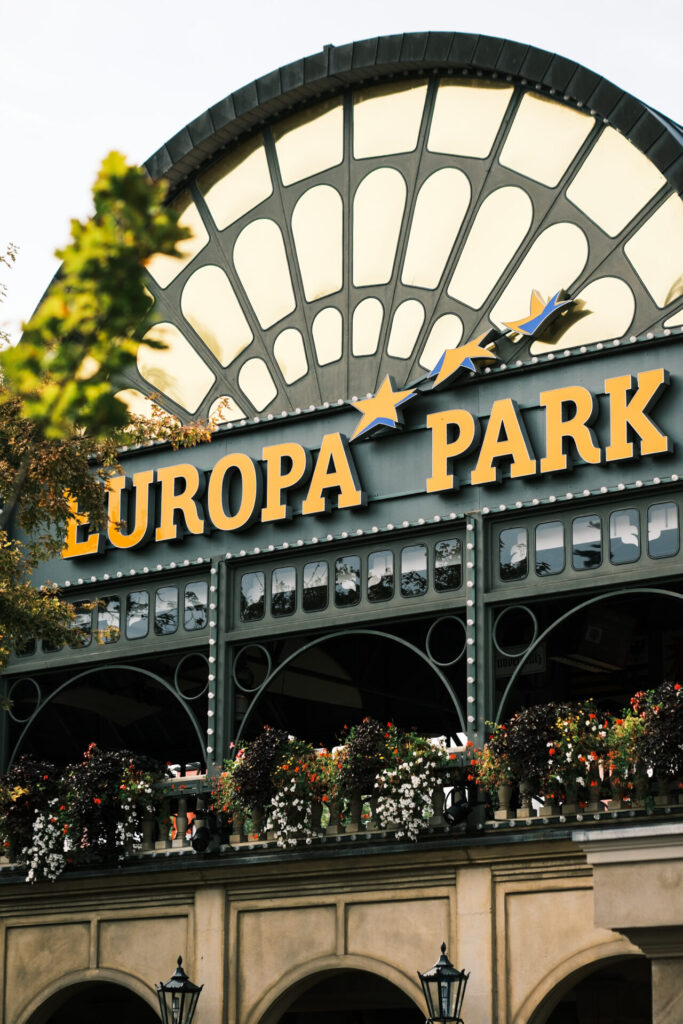
I was very excited to visit Europa-Park on this trip and finally the day had arrived. Whilst I couldn’t wait to ride some of the most insane rollercoasters I think I’ve ever seen, I was also looking forward to simply exploring with my camera as the entire concept of the theme park was something that stood out to me.
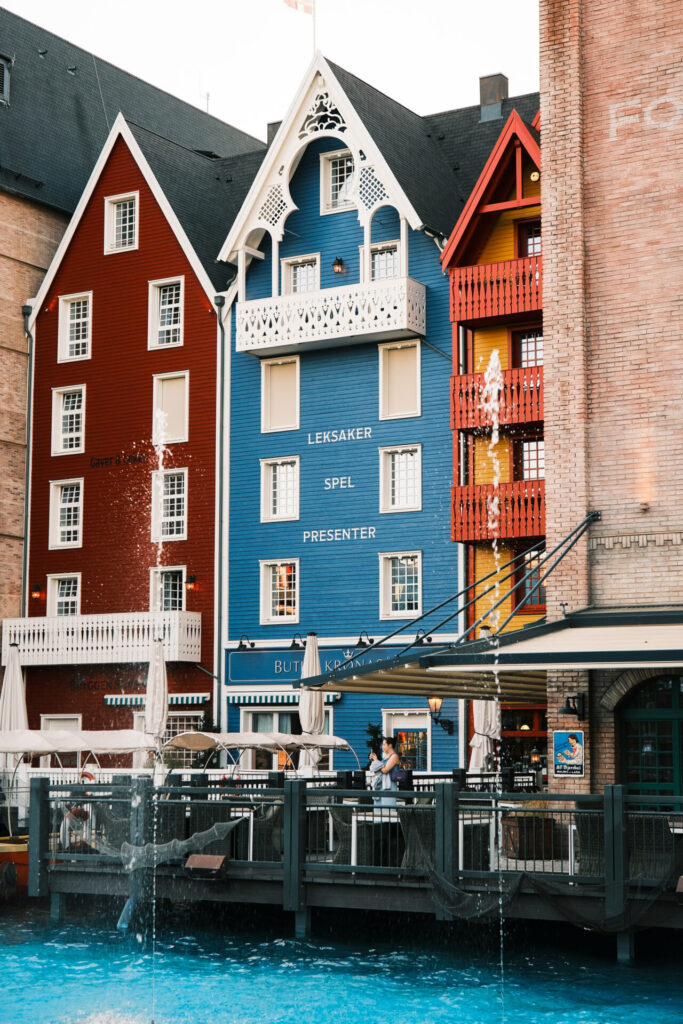
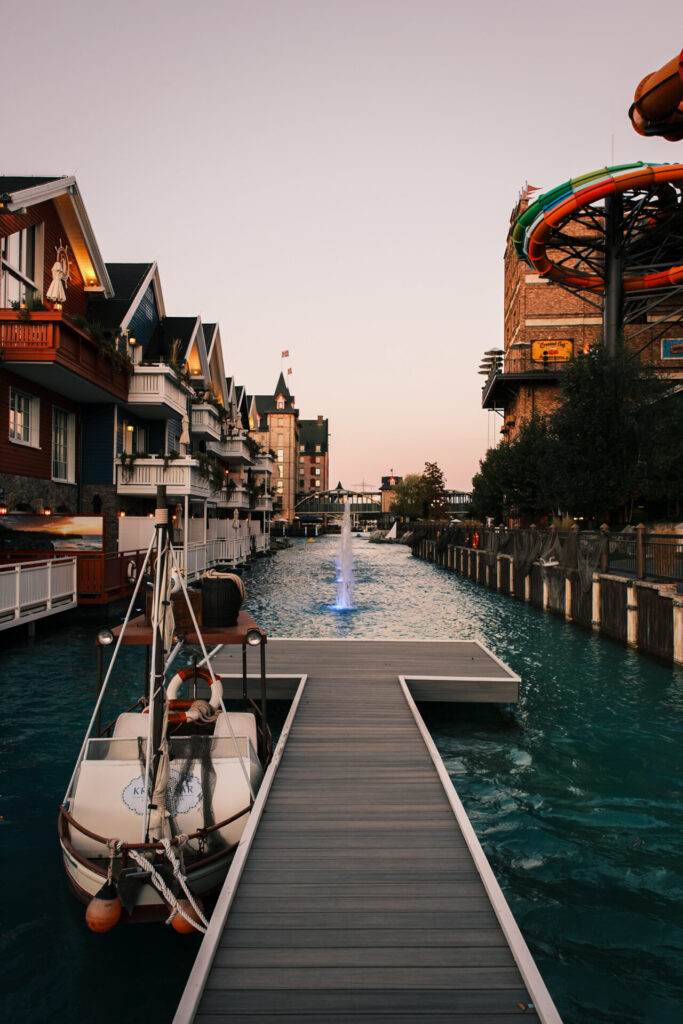
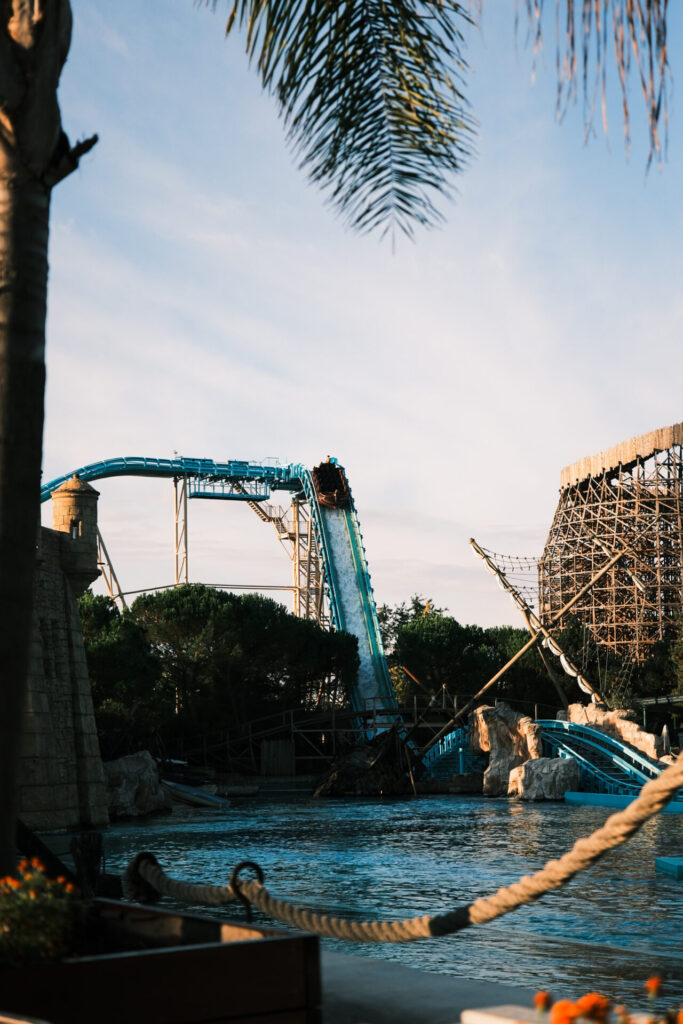
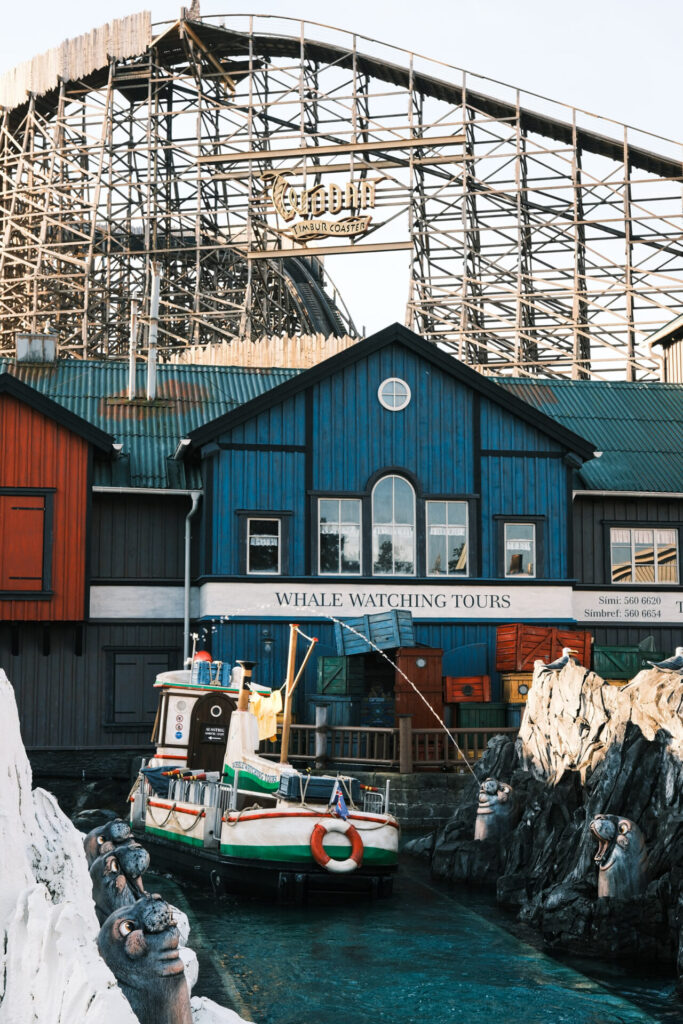
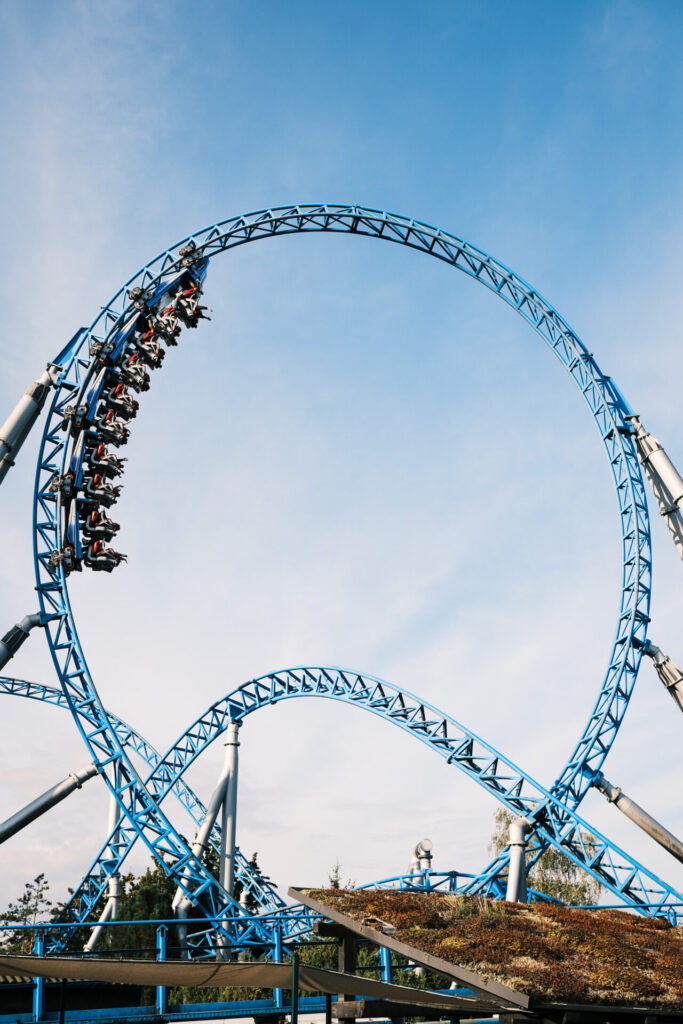
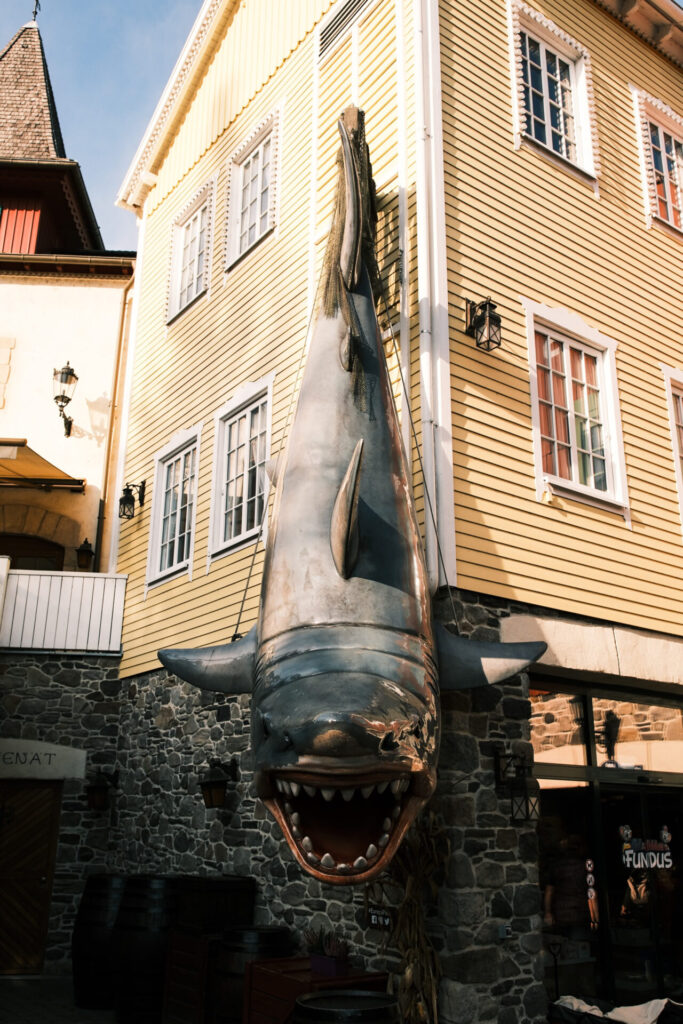
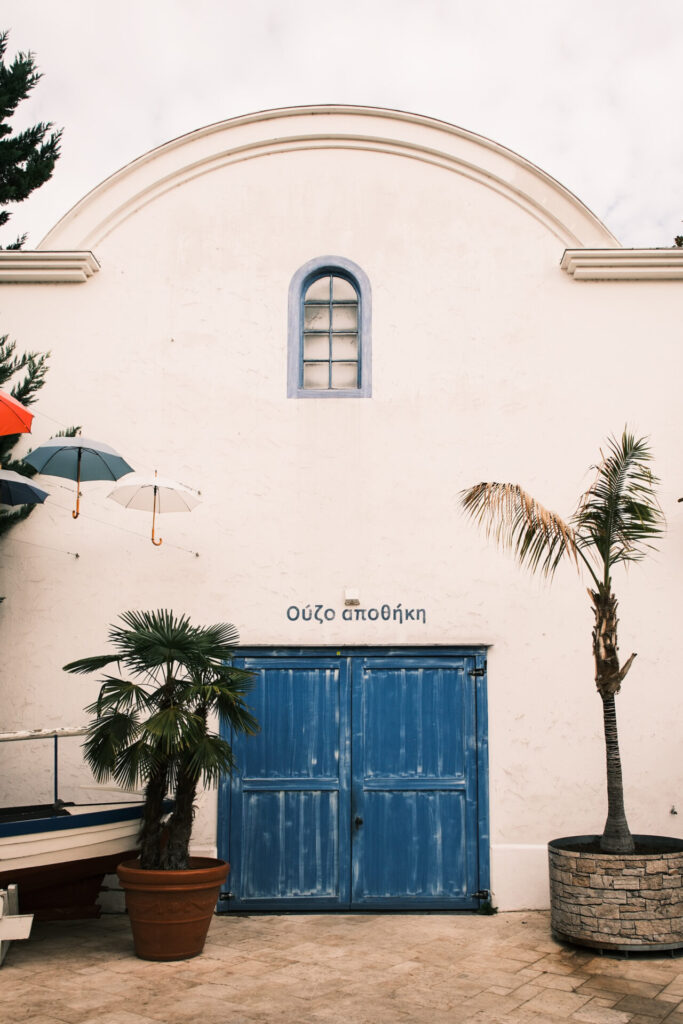
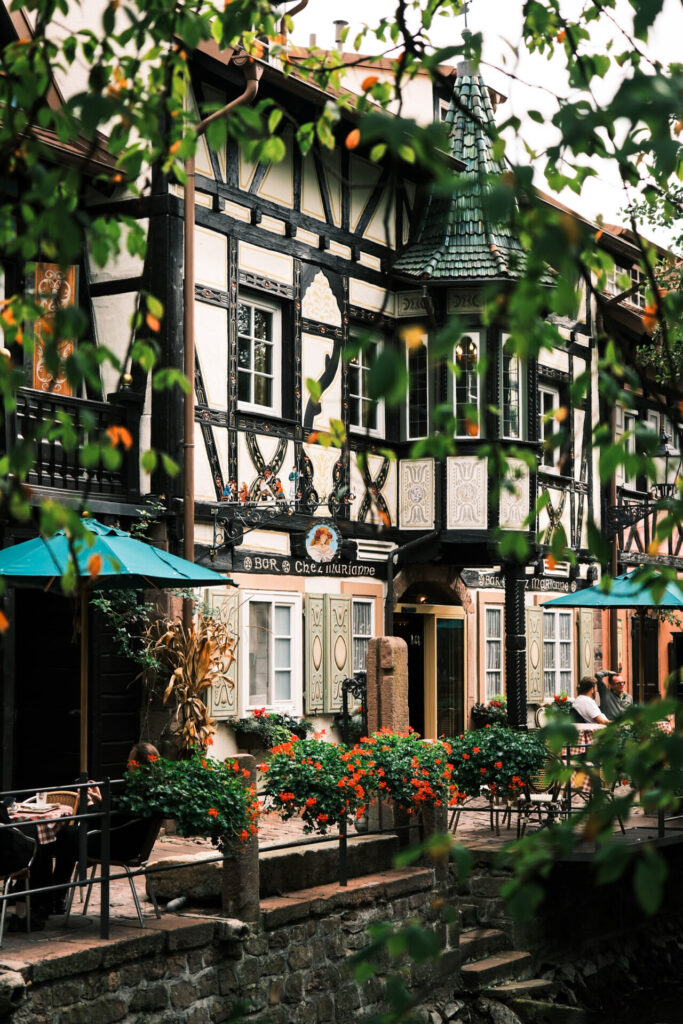
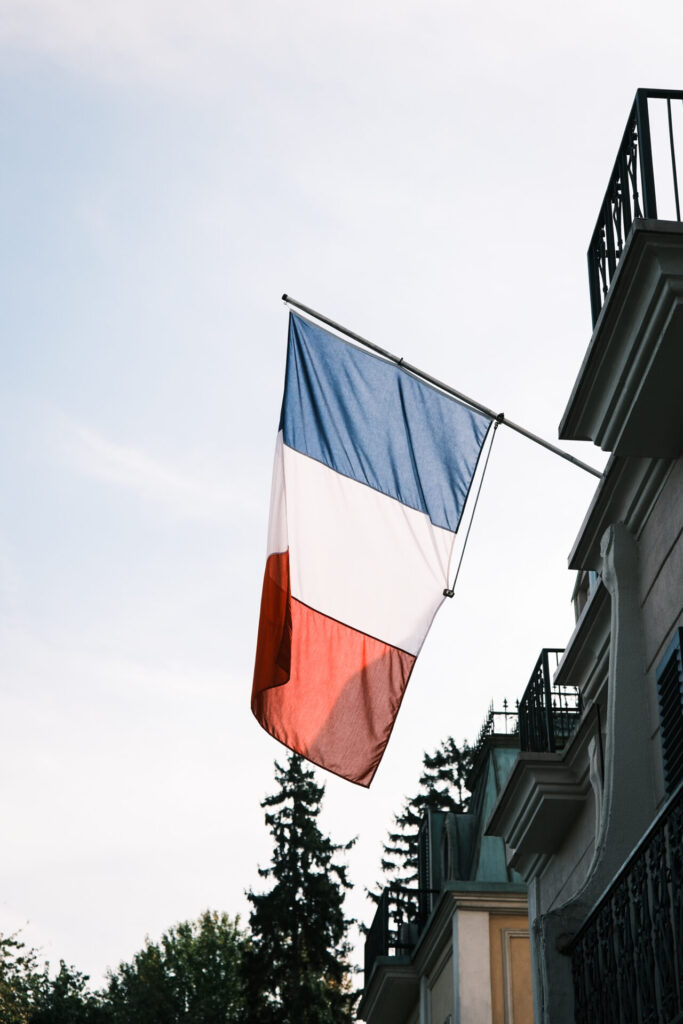
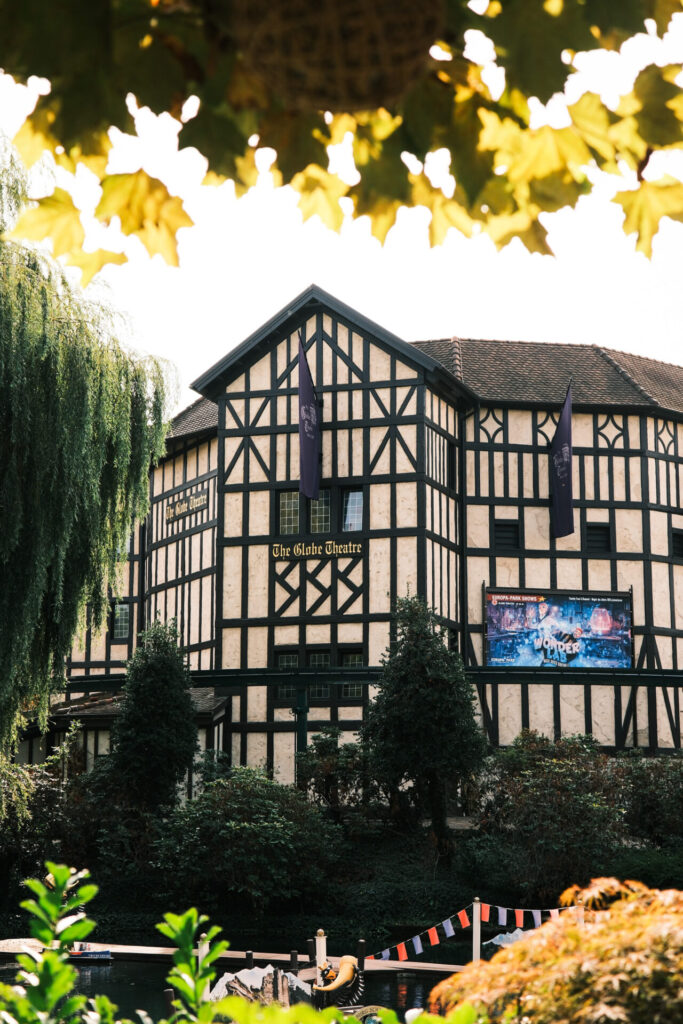
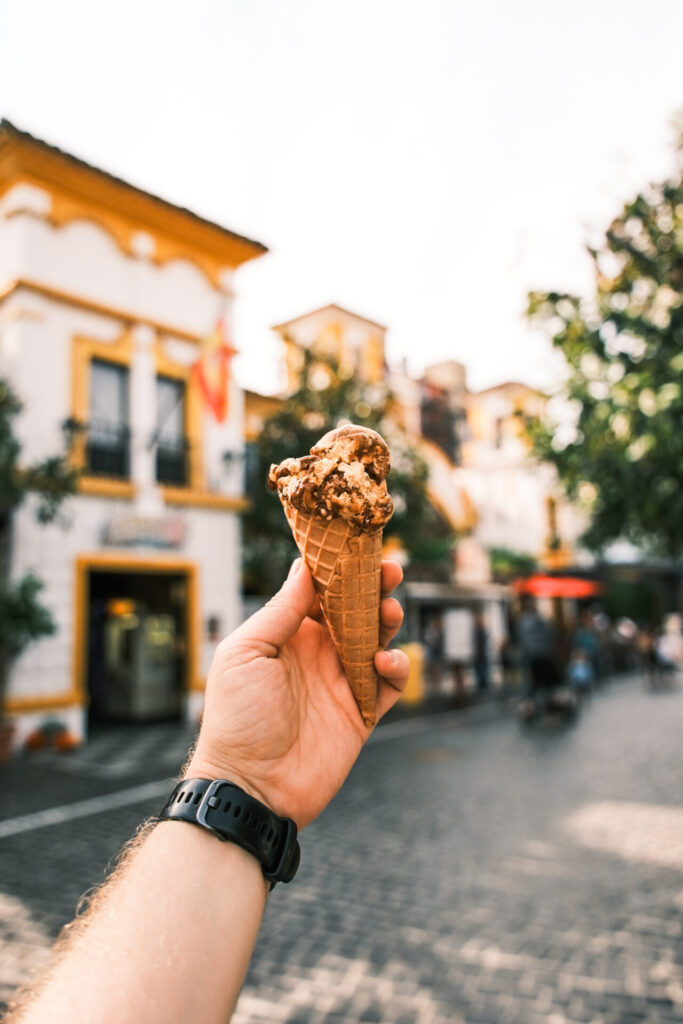
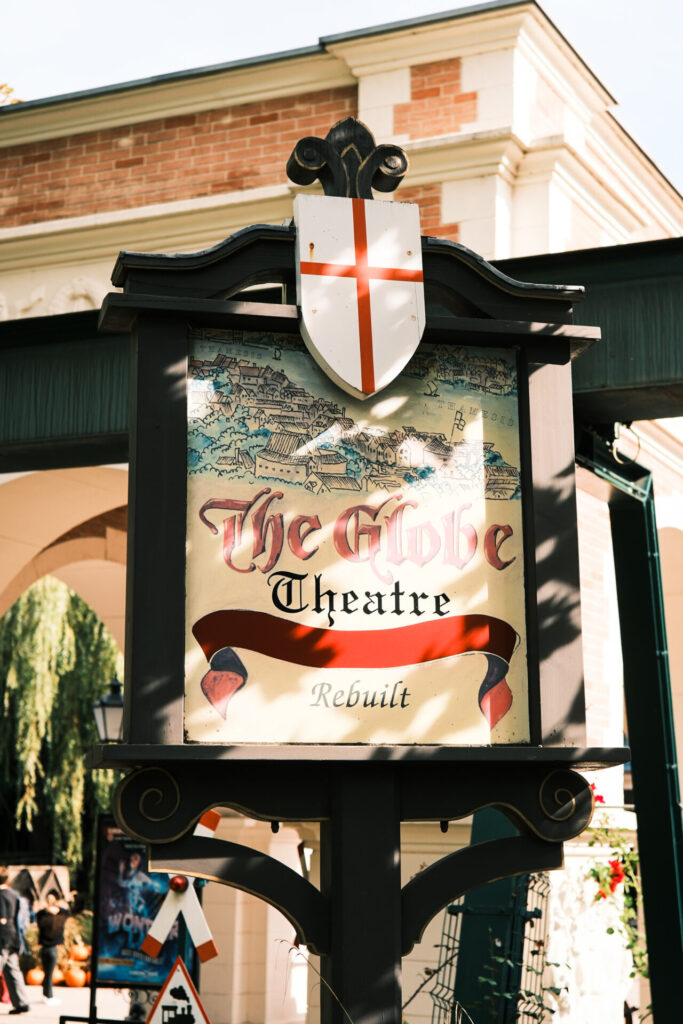
Europa-Park features 21 different lands, 18 of which are modelled on European countries like Greece, France, United Kingdom & Switzerland (the remaining three are Grimm’s Enchanted Forest, The Minimoys Kingdom and Adventure Land). This was a theme park that didn’t look like a theme park whatsoever; the level of detail and theming was unbelievable and actually far better than other, perhaps quite similar concepts. I felt as though I was completely immersed in each individual country which even followed through onto each of the rides within that area.
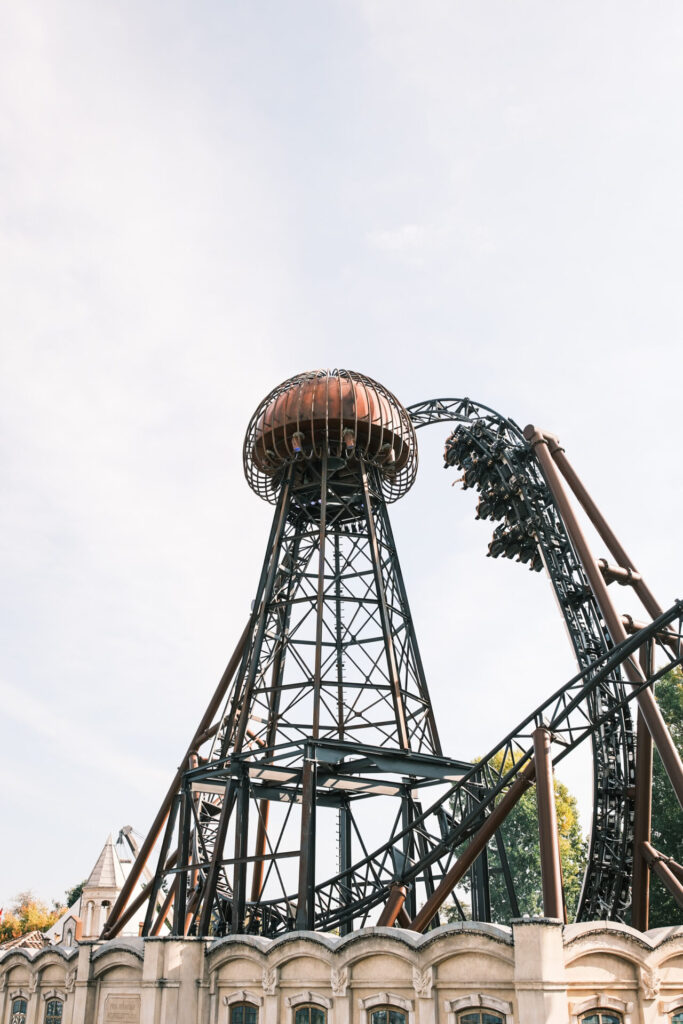
Now, let’s talk about the rides. I’d seem some POV-style videos before of a few rollercoasters but I hadn’t really done any research so I came in a little blind. Straight off the bat, I was on the Wodan Timburcoaster which turned out to be far more intense than I’d have imagined for a wooden rollercoaster. I think I was literally out of my seat for far longer than felt comfortable. I knew at that moment that, if the remainder of the rollercoasters were anything like this one, I was in for a hell of day.
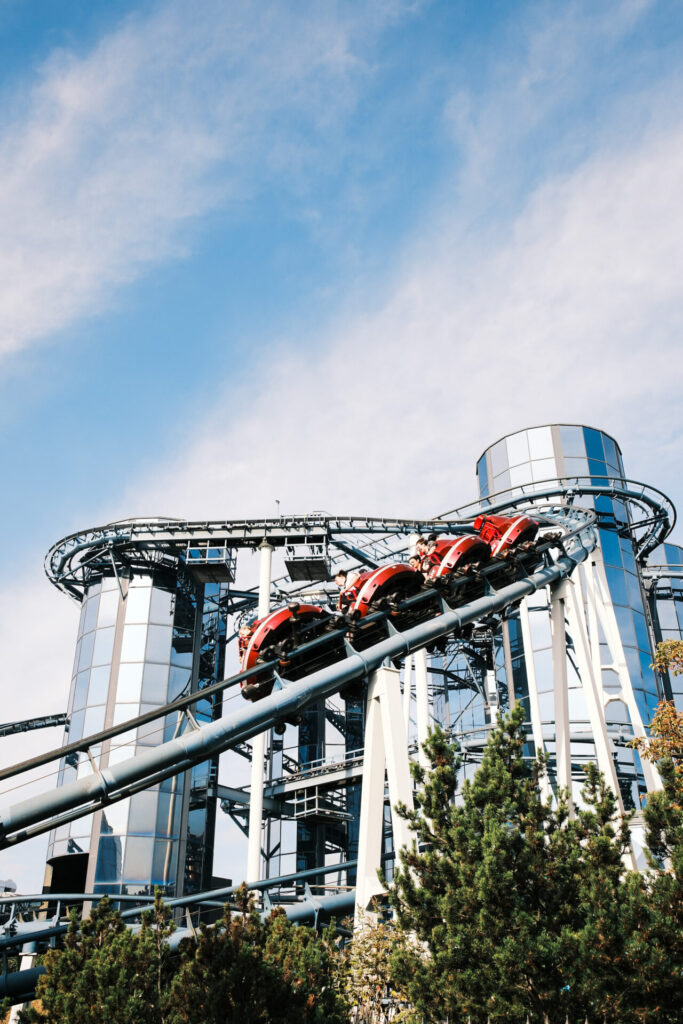
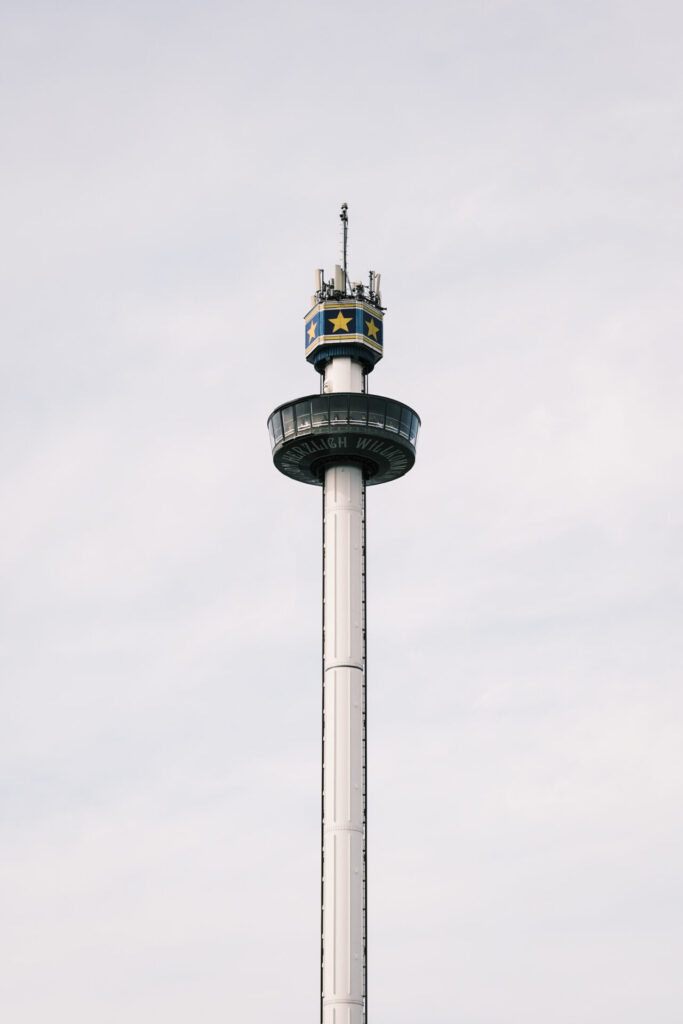
In quick succession, I rode the Blue Fire Mega Coaster in Iceland (with a catapult launch and plenty of inversions with just a lap belt), Euro-Mir in Russia (the legendary spinning ride that only served to strengthen my fear of heights), Voltron Nevera in Croatia (we’ll come on to this) and Silver Star (the fourth tallest rollercoaster in Europe, again with a lap belt). Back to Voltron Nevera. I honestly think that this is the craziest ride I’ve ever been on. I had zero idea what to expect and hadn’t even noticed the way in which it kicks things off – with the world’s steepest launch at 105 degrees. Mad. There’s seven inversions, with a lap belt (can you tell I have a thing about rollercoasters using lap belts only – no matter how far engineering has come, it absolutely petrifies me), four launches (including a brief stint going backwards), 2.2s of complete weightlessness and over 1.3km of track. I have forever loved rollercoasters but I have never been more thankful to reach the end, so too was the man on the opposite side to me whose complexion had turned to a sickly grey very quickly.
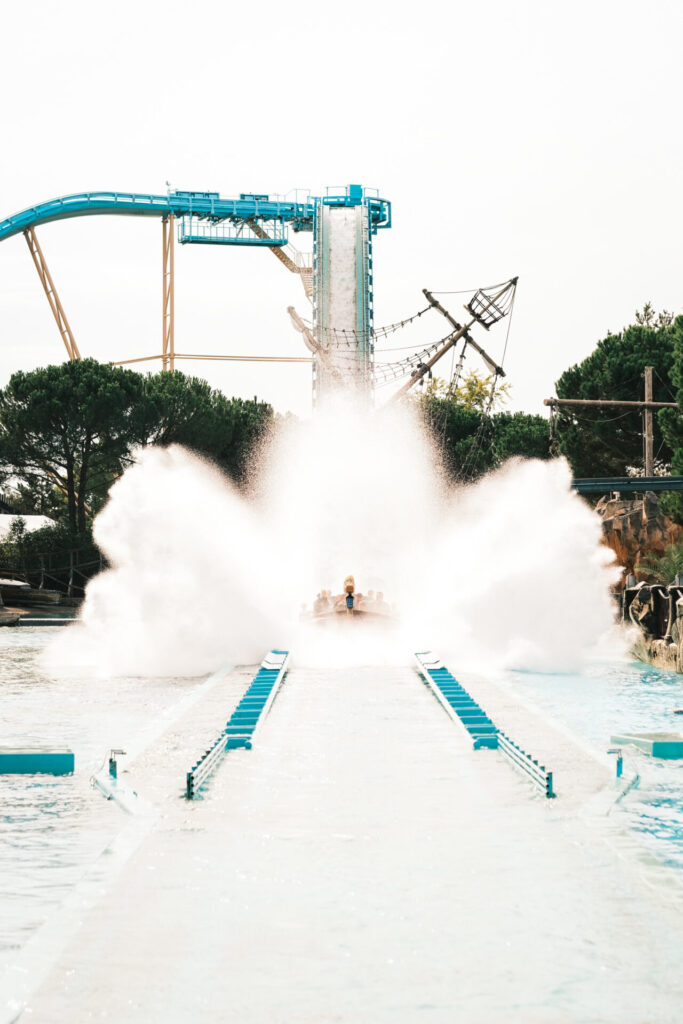
Four insane rollercoasters one after the other was, in hindsight, a terrible decision by me. Spoiler alert, I felt sick, very sick, for the remainder of the day and even the next day too. I spent the rest of the day wandering, albeit very slowly, twice round the park to enjoy and appreciate the thought that was gone into all of this. I did manage a few more calmer rides and really enjoyed the dark boat ride ‘Pirates in Batavia’ – rides like this I think will be more my style moving forward.
Europa-Park is absolutely massive with far more rides than I could experience in just one day so I would certainly look to book tickets for at least two days in the future. As you will see from the photos, you will easily get lost in the details and spend a lot of time just admiring the architecture, tasting different foods and drinks from the different countries and catching the parades (which change with the seasons), performances and fountain shows.










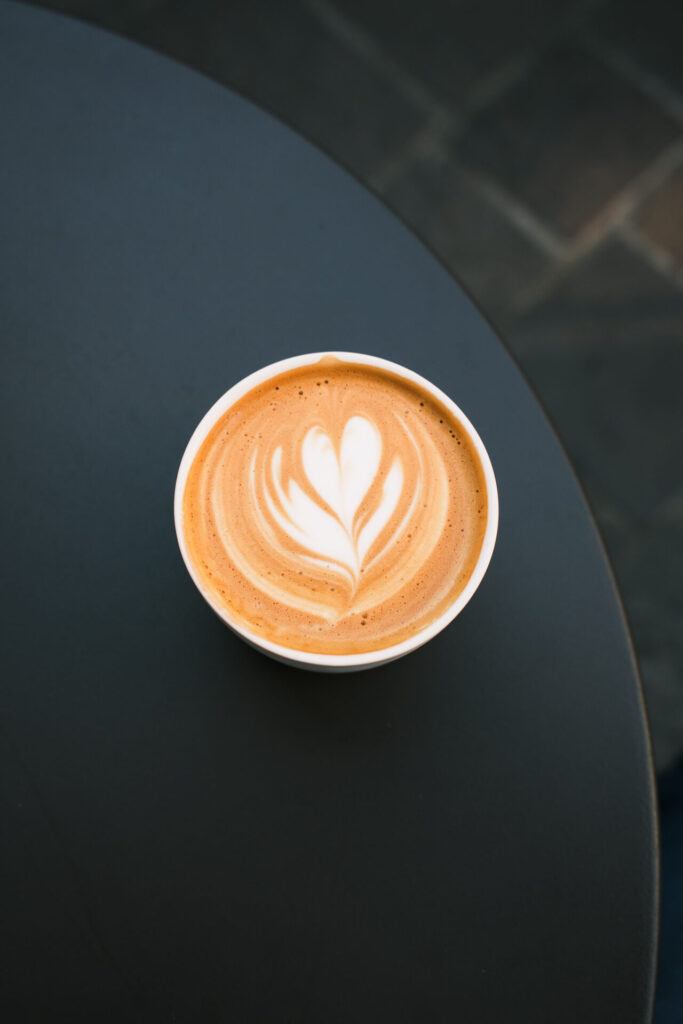
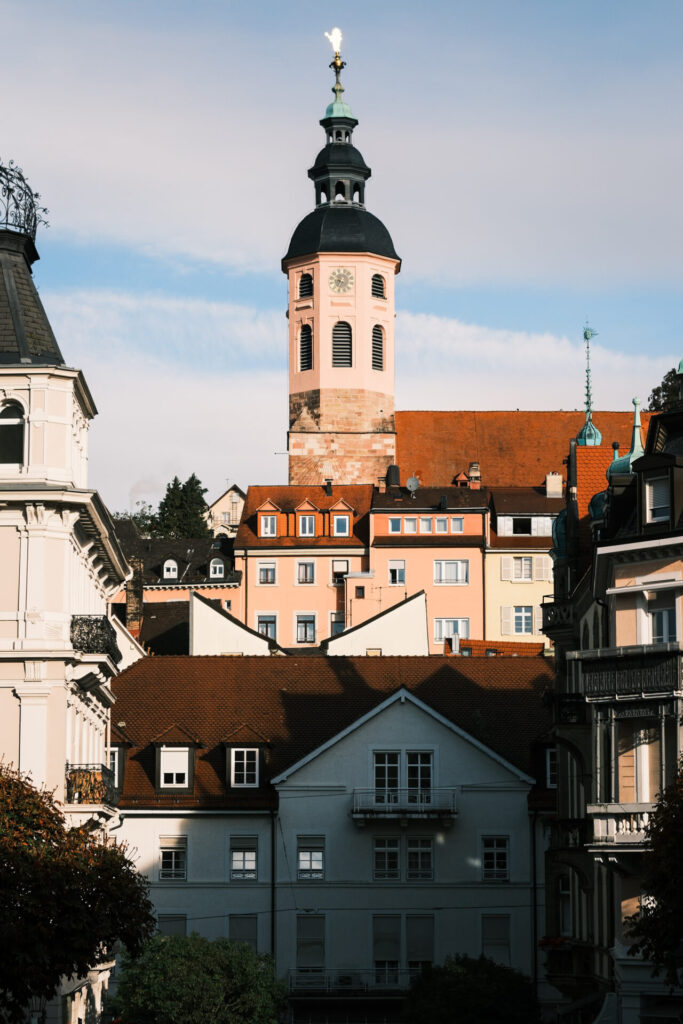
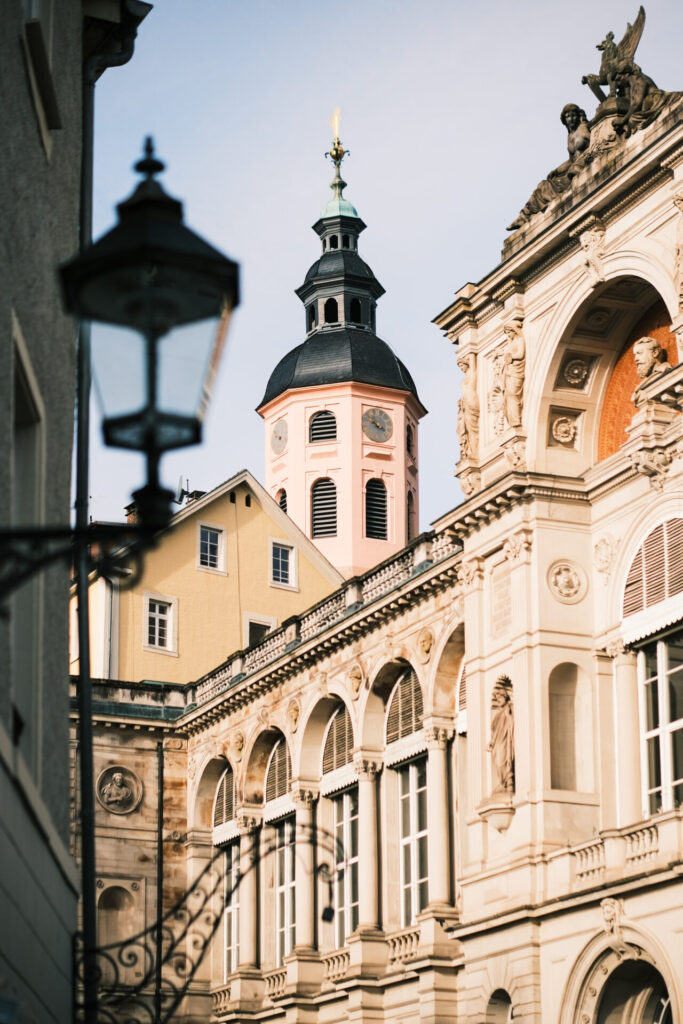
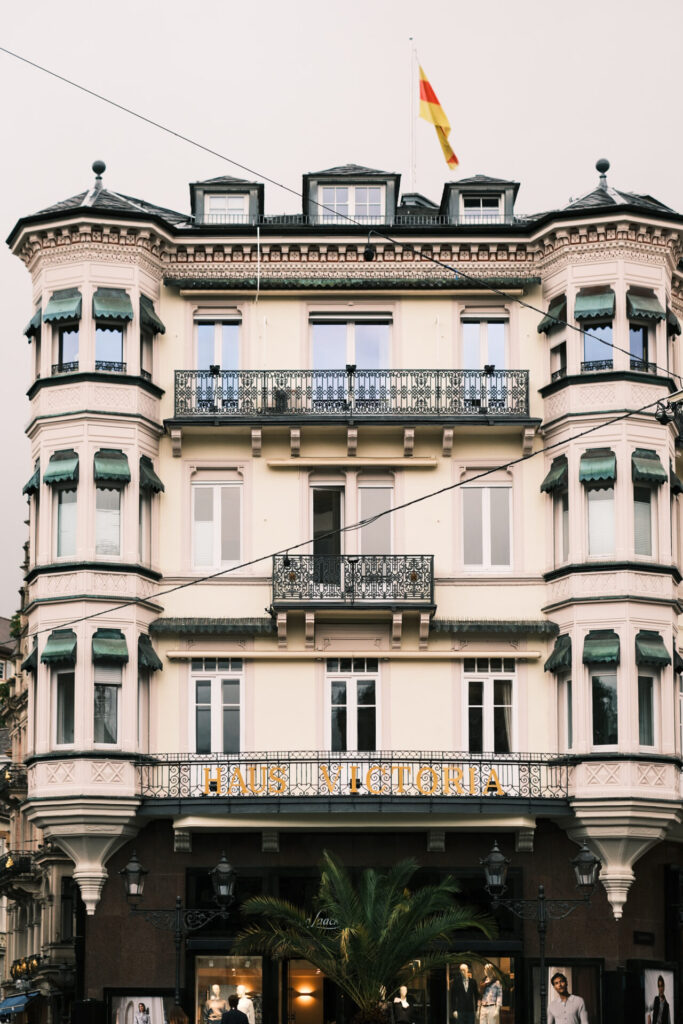
With such good weather for October, I made sure that I set off with enough time to enjoy golden hour in my next destination, the grand spa-town of Baden-Baden. Again, I didn’t know too much about Baden-Baden before my visit so you can imagine my surprise and finding such elegant architecture as though I had walked down the loveliest streets in Paris or Prague. I checked in first to Hotel Am Markt right in the heart of the Old Town of Baden-Baden before trying to follow the receptionist’s directions to a place to park for free (stay tuned as I definitely didn’t follow the instructions correctly) and then getting straight into a walk about the town. I was pleased to find a modern speciality coffee shop, KaffeeSack, and enjoyed a flat white outside watching the world go by.
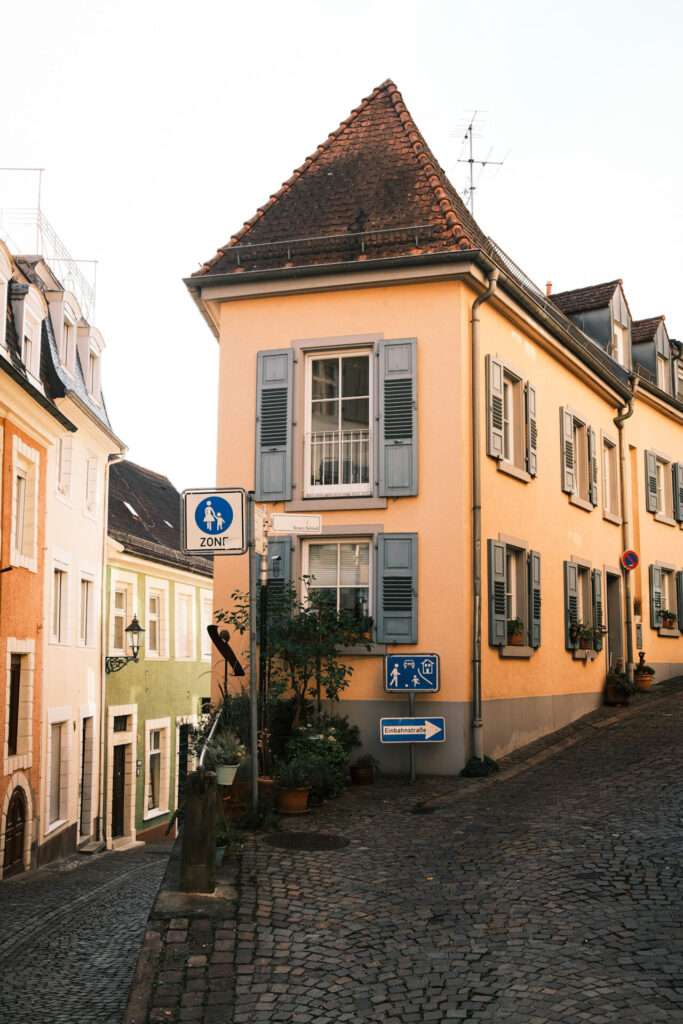
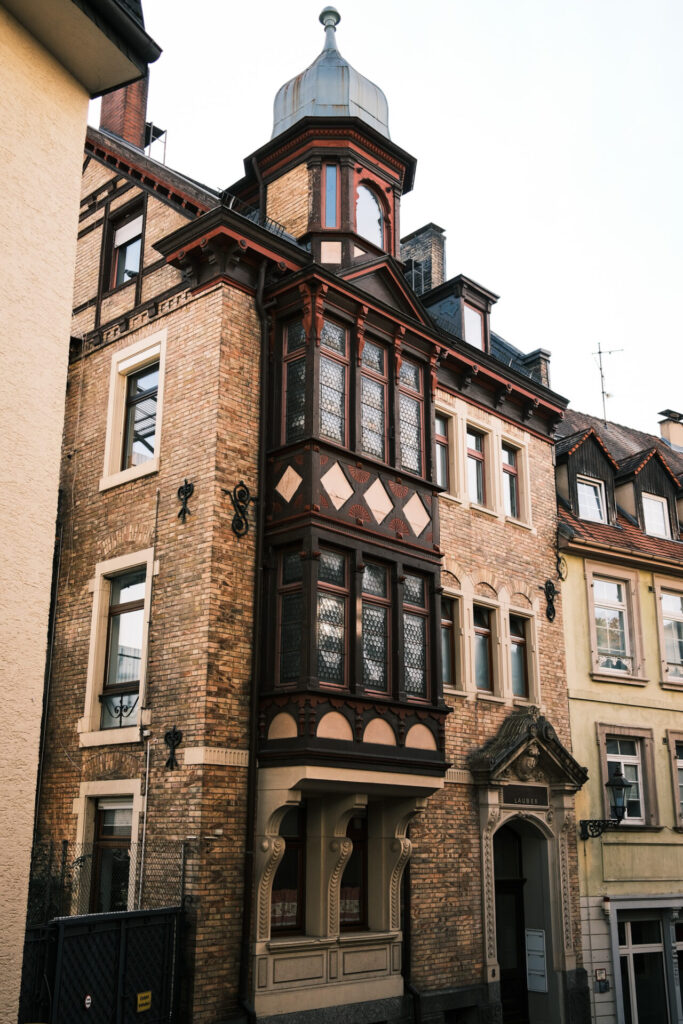
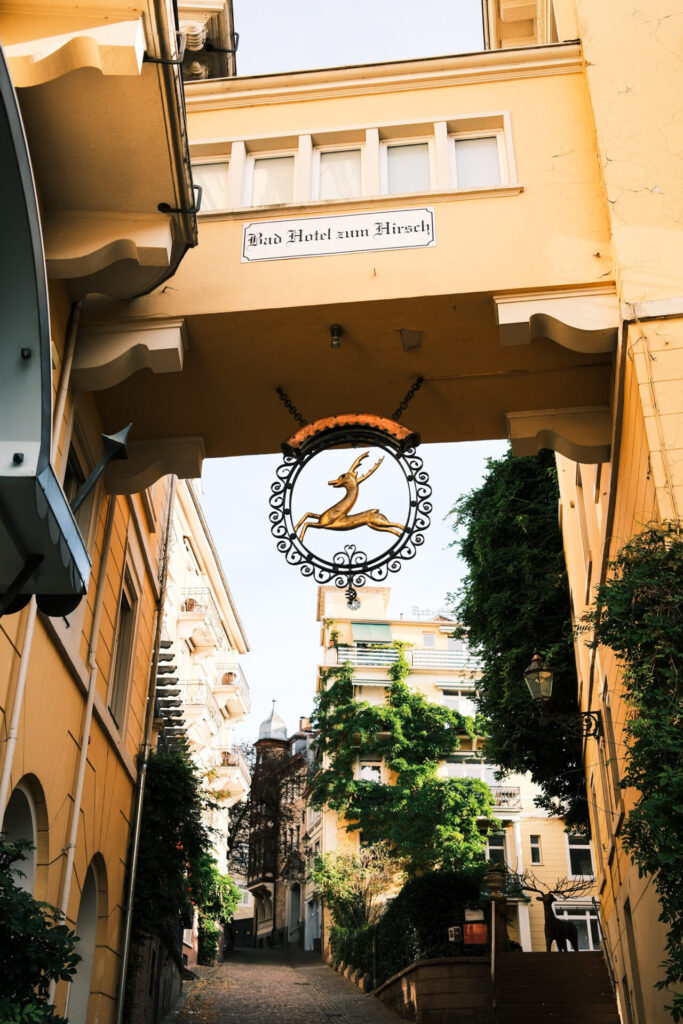

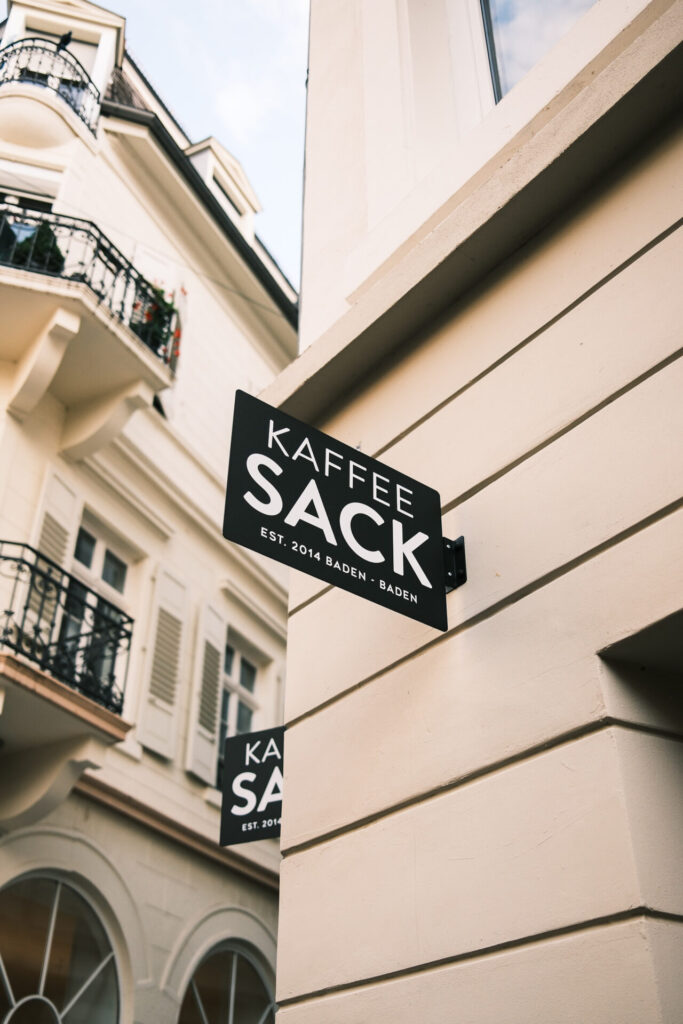
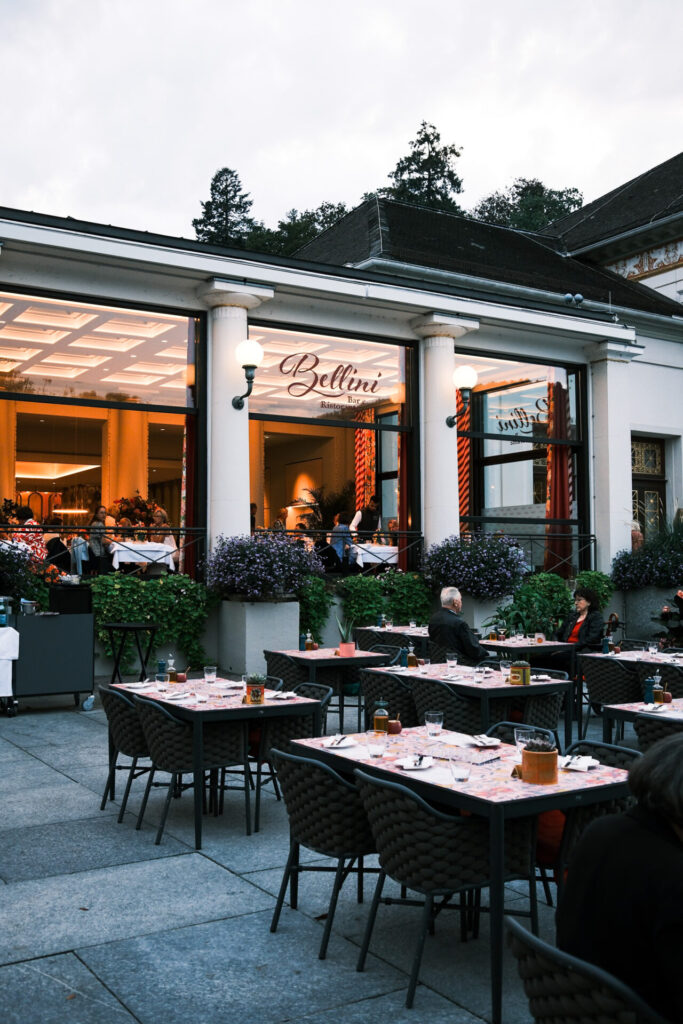
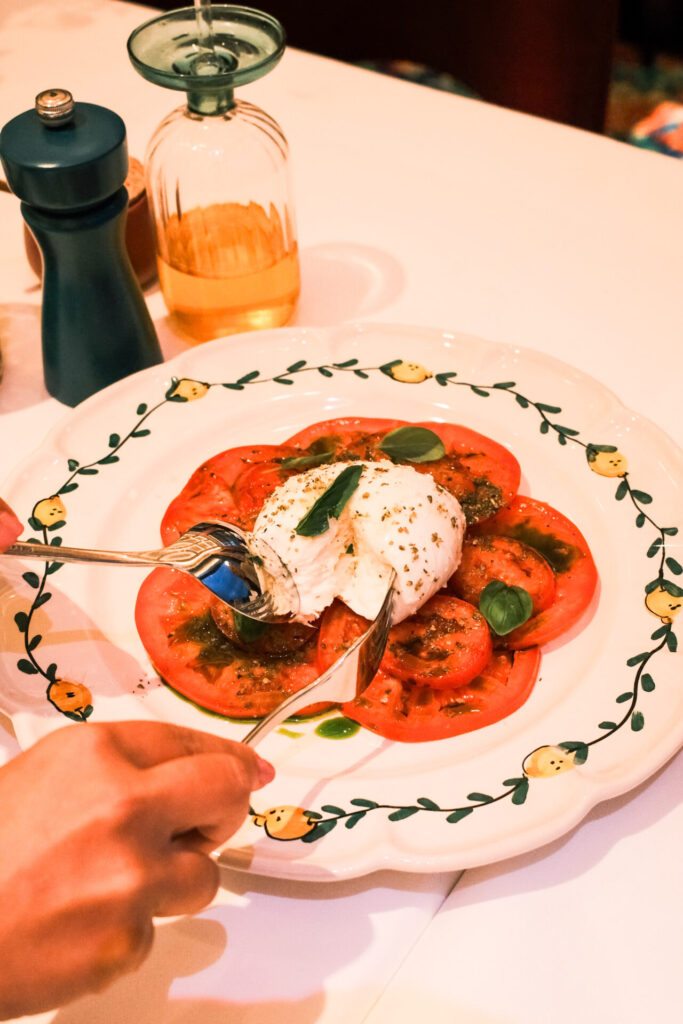
Whilst dining in the Black Forest was all about traditional Swabian cuisine, I found Baden-Baden to be much more varied with a good mix of international restaurants. One of the best places to eat in Baden-Baden is the pop-up Italian restaurant, Bellini, inside the beautiful Kurhaus building (which is also home to the famed casino). I dined with two lovely ladies from the Baden-Baden tourism board who made me feel so welcome and were so passionate about bringing more visitors to this corner of Germany. In terms of food, I went with Paccheri al Ragù for something different as ordinarily I’d always go for a pizza but I couldn’t believe how good this pasta dish was. We also had a little starter to share; Apulian tomatoes, burrata and fresh basil – wow. Now, those from the UK might be able to relate here whilst we take a little pause. In the grand scheme of things, tomatoes, burrata and basil isn’t something I’d write extensively about but in recent years I’ve noticed the taste of the tomatoes available here in the UK has seemingly been eradicated. Tasting these Italian tomatoes from the Puglia region was unbelievable, just a terrible reminder of what tomatoes should taste like back at home! After a lovely meal, there was only one thing on the cards after a busy couple of days, sleep.


Day 4 – A Full Day In Baden-Baden
Despite all of the lovely weather recently, unfortunately today was a complete wash out. Non stop rain all day long. However, Baden-Baden still needed to be explored and so what better way to do that than with a walking tour with a lovely, and very knowledgable, local guide.
Baden-Baden’s history as a spa town dates back more than 2,000 years with the Romans ultimately building a settlement here around the natural hot springs; with the therapeutic benefits of such being so important to the Roman’s way of life. The town grew along with its reputation as a spa town and became the residence of the noble Margraves of Baden-Baden until the late 17th century when much of the town was destroyed during a war with the French.
From the 18th century onwards, Baden-Baden was again on the rise and its natural thermal springs again became the main attraction enabling this German town to develop and transform into what we see today; grand architecture, elegant promenades and cultural attractions. It’s no surprise that Baden-Baden continues to be one of the most beautiful spa resorts in the whole of Europe.
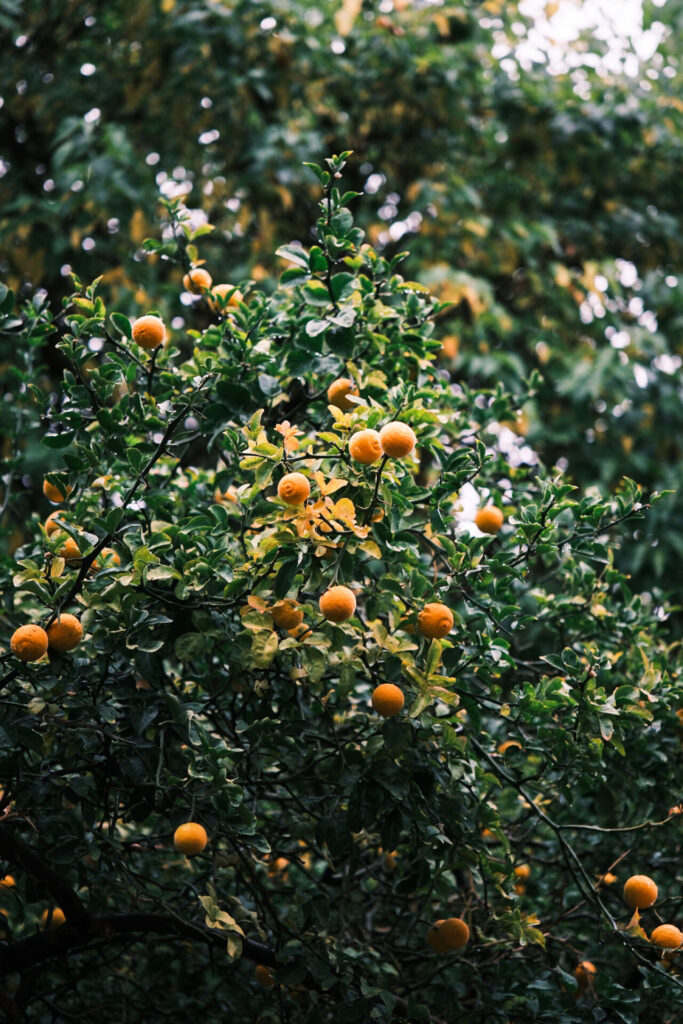
The walking tour took us through the site of the original Roman baths, past orange trees that grow thanks to the warmth of the underground thermal waters to an old fountain that locals used to drink from for hundreds of years. Nowadays however there’s a sign warning you not to drink as apparently testing found levels of arsenic in the water. I did have a little taste though I was more surprised how warm the water was – around 65°c!
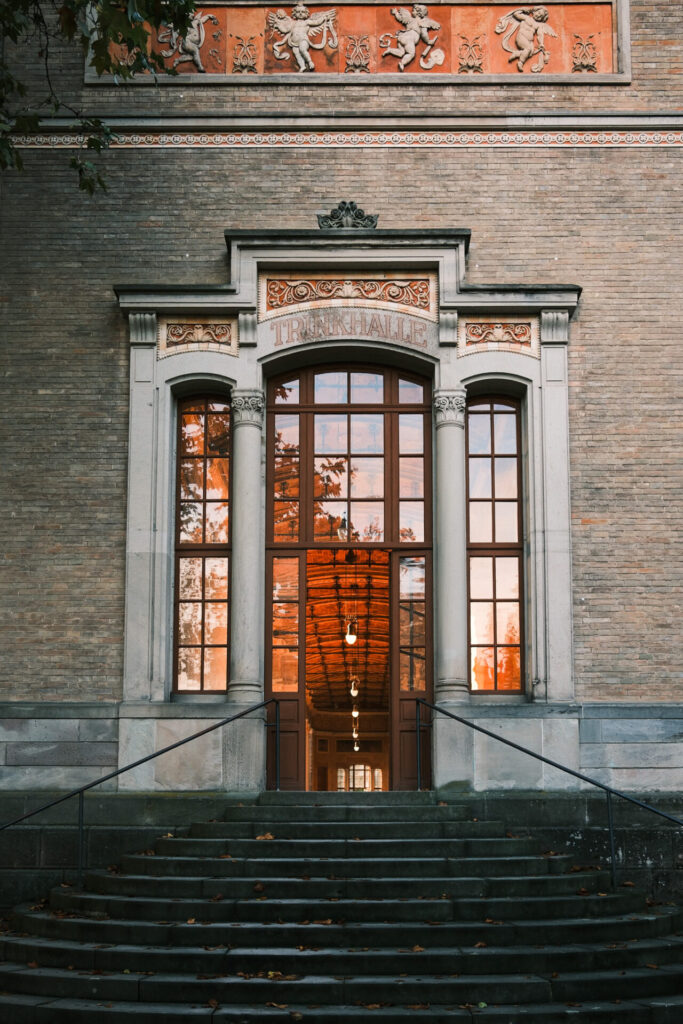
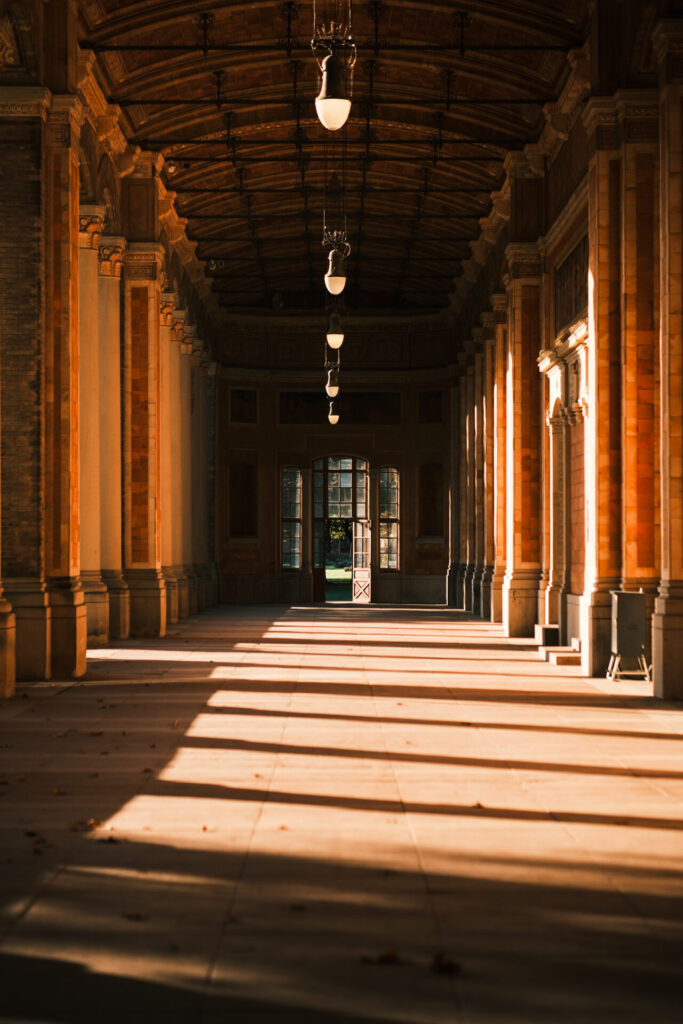
Bearing in mind it was absolutely chucking it down, we still managed to explore some of Baden-Baden’s most popular sights like Trinkhalle, a historic drinking hall with impressive columns and murals depicting local legends and other famous stories, and Lichtentaler Allee, a tree lined promenade which reminded me of those found on grand English estates. We also wandered through hidden courtyards that once housed medieval baths that were not quite as extravagant as those used by the Romans nor towards the end of the 19th century.

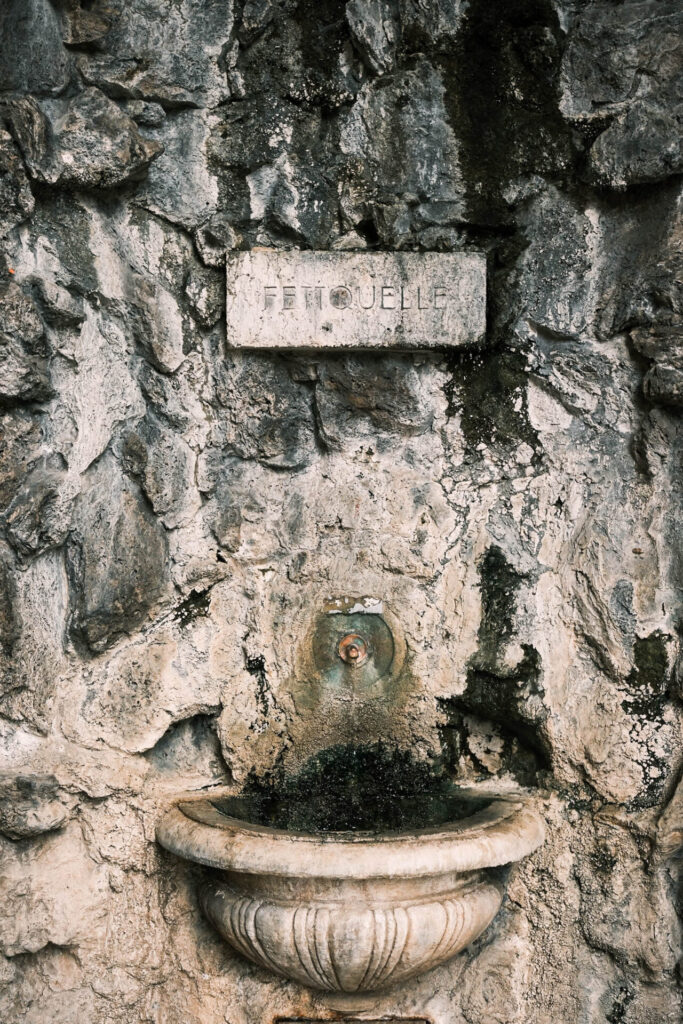
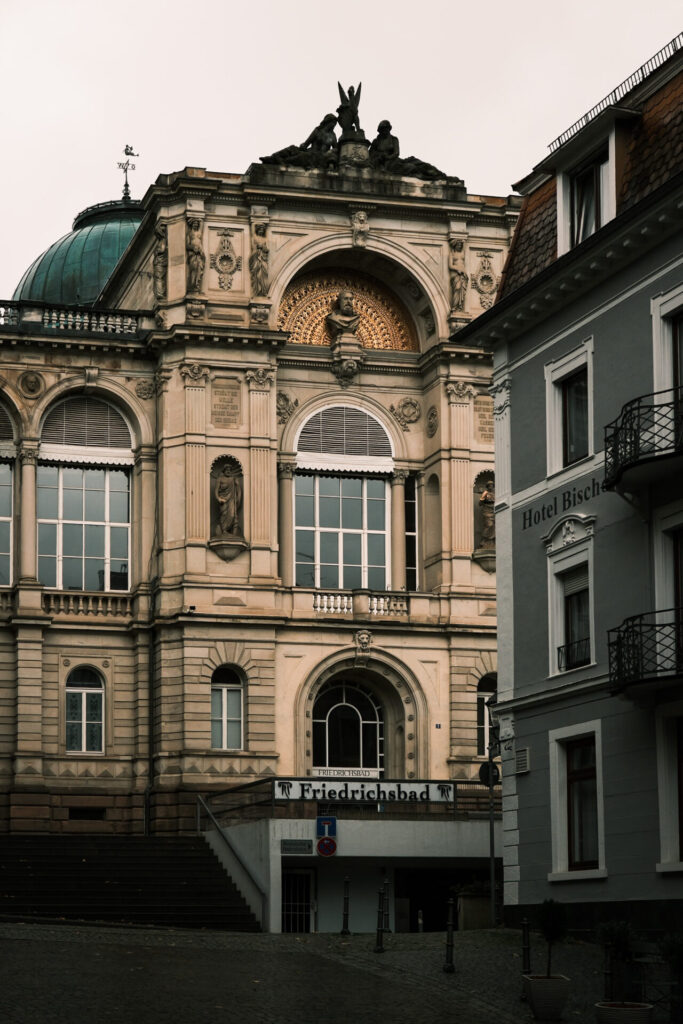

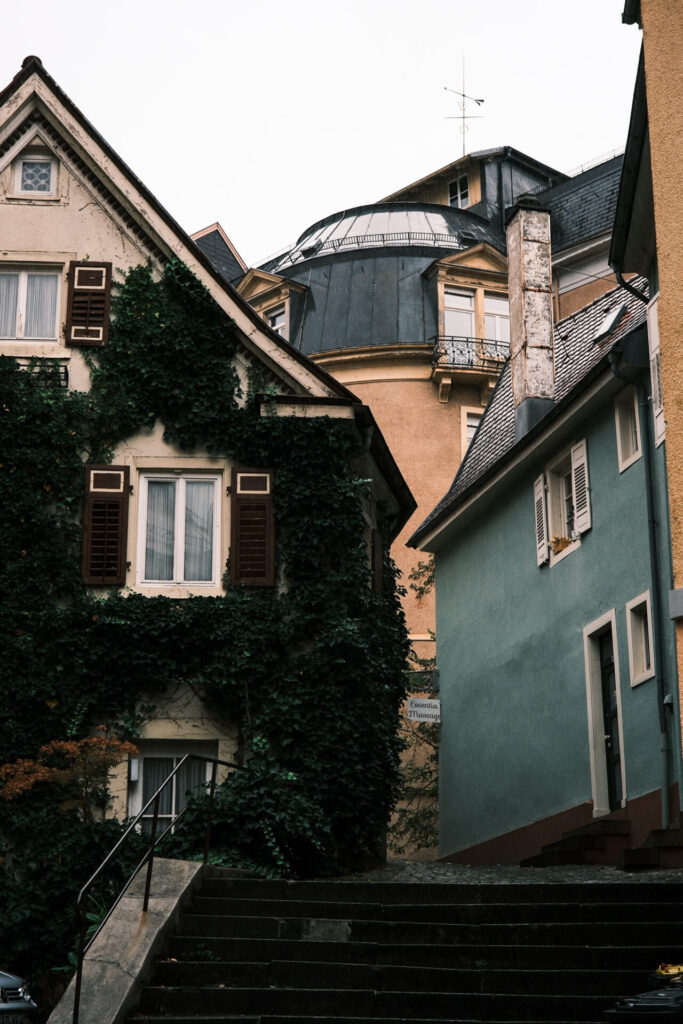


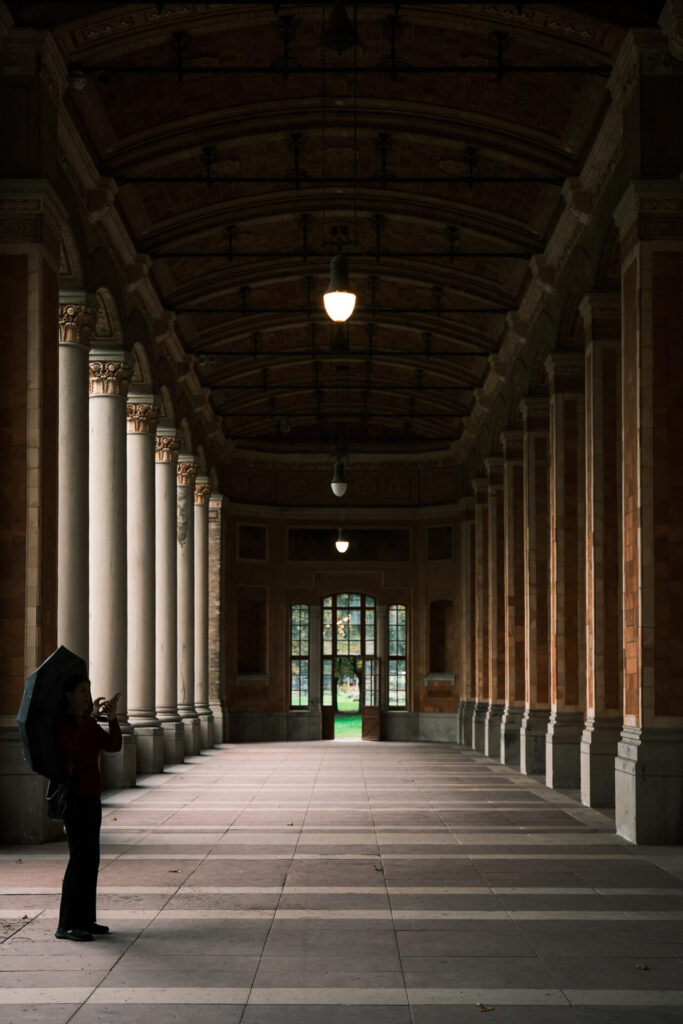

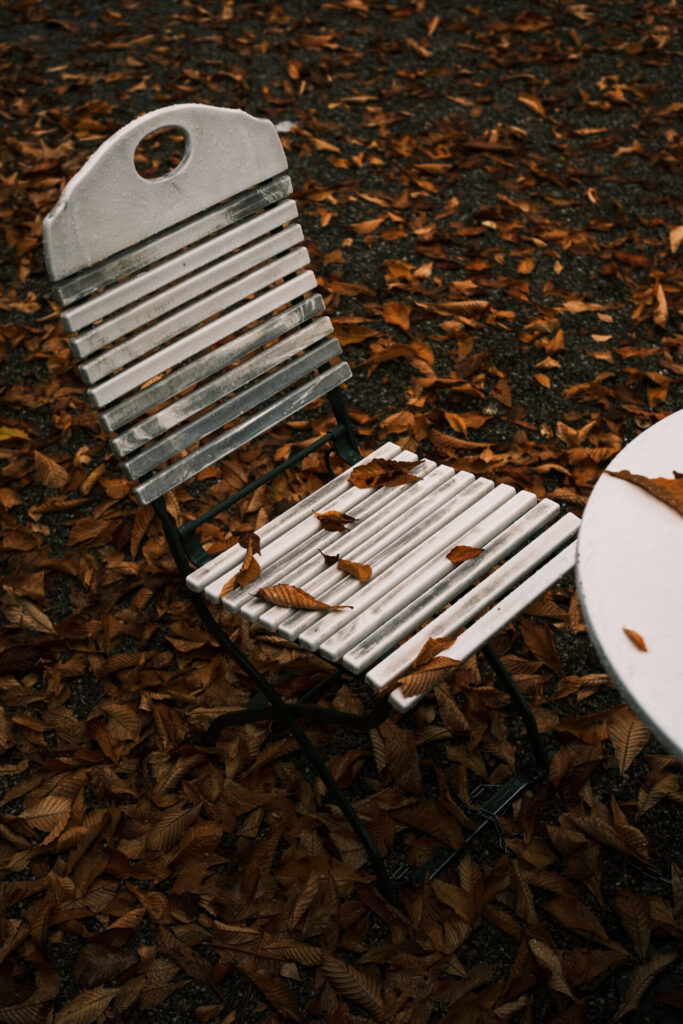

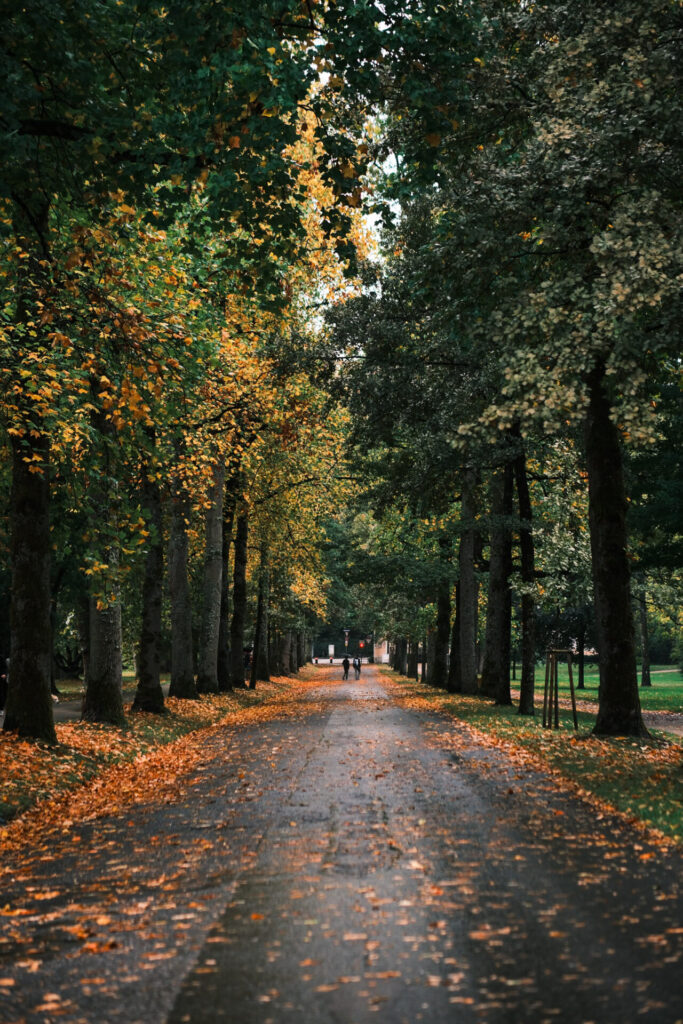

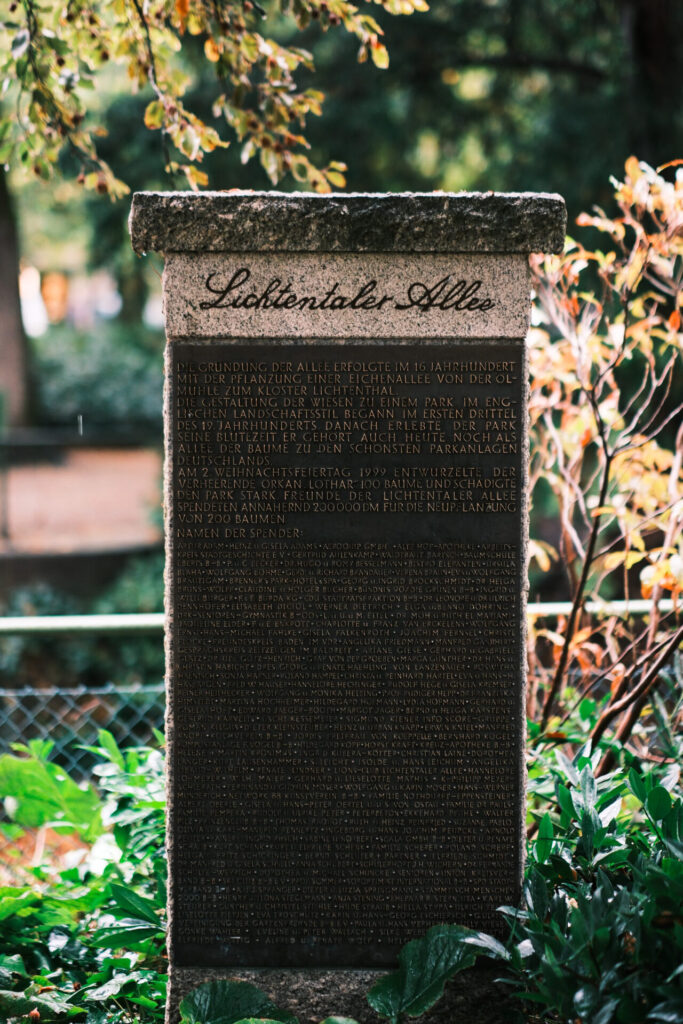
I don’t normally book walking tours when visiting new destinations and I really don’t know why as every time I’ve had one, whether free with tips or paid for, I’ve really enjoyed it – walking tours, with local guides, often show a different side to the destination, hidden spots and provided sometimes much needed context to the streets, buildings and history of wherever you may be visiting. That was exactly what was so good about the morning’s walking tour and, despite the weather, I felt that I learnt so much more about the history of Baden-Baden and what makes it so unique.
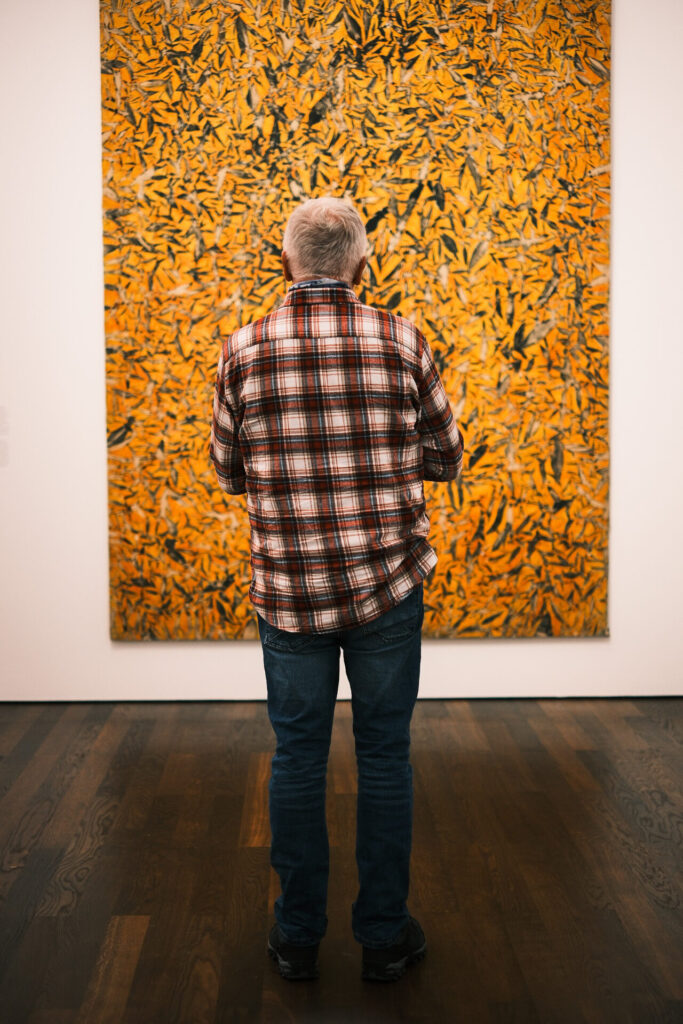
The only thing I could think about after the walking tour ended was getting indoors and drying off. Thankfully, next up was a visit to the Museum Frieder Burda, the modern art museum here in Baden-Baden. ‘Modern’ can be used not only to describe the artwork on display but also the architecture itself; contemporary, minimalist & a complete contrast to the grand buildings that line all of Baden-Baden’s historic streets.
Inside, I did have the opportunity to dry off though it probably wasn’t the kind of day to wear a grey t-shirt and realise that my new waterproof jacket wasn’t that waterproof. I could only shrug apologetically to other museum visitors who probably thought I was simply a man who couldn’t dress himself appropriately for the weather. At least I was indoors though and now had the opportunity to explore Unfolding Colour, an exhibition dedicated to Simon Hantaï, a Hungarian born French artist, known for developing the technique pliage – in which he folded the canvas before applying layers of paint and, once unfolded, it created something entirely unpredictable. This was a really interesting exhibition, scanning four decades of Simon Hantaï’s career, and I found myself getting into the artwork the more I read about the background to each series.


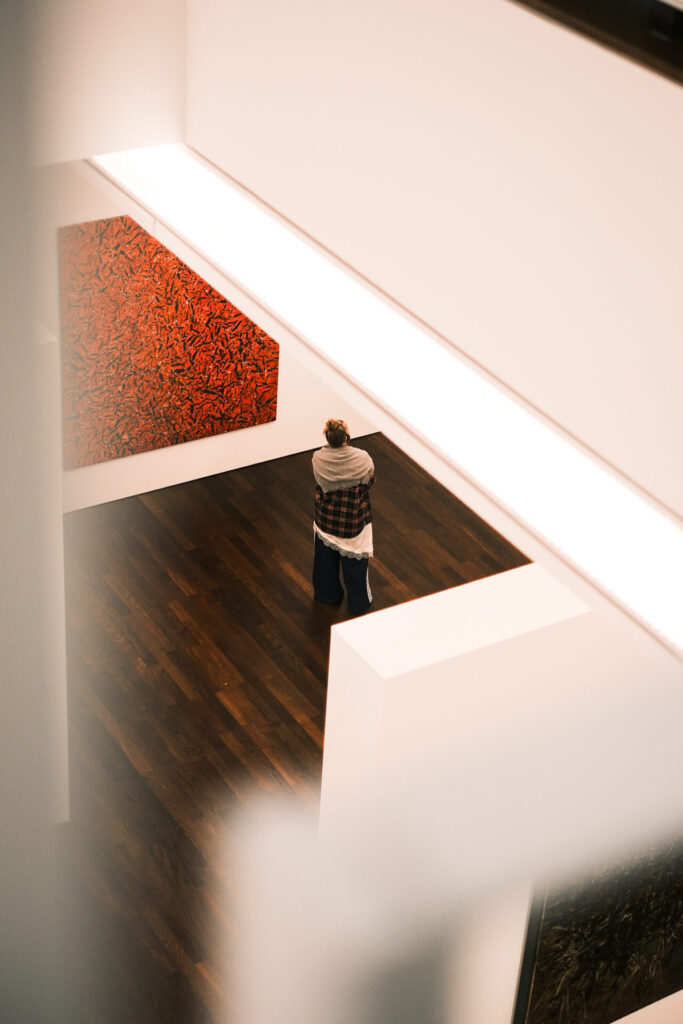

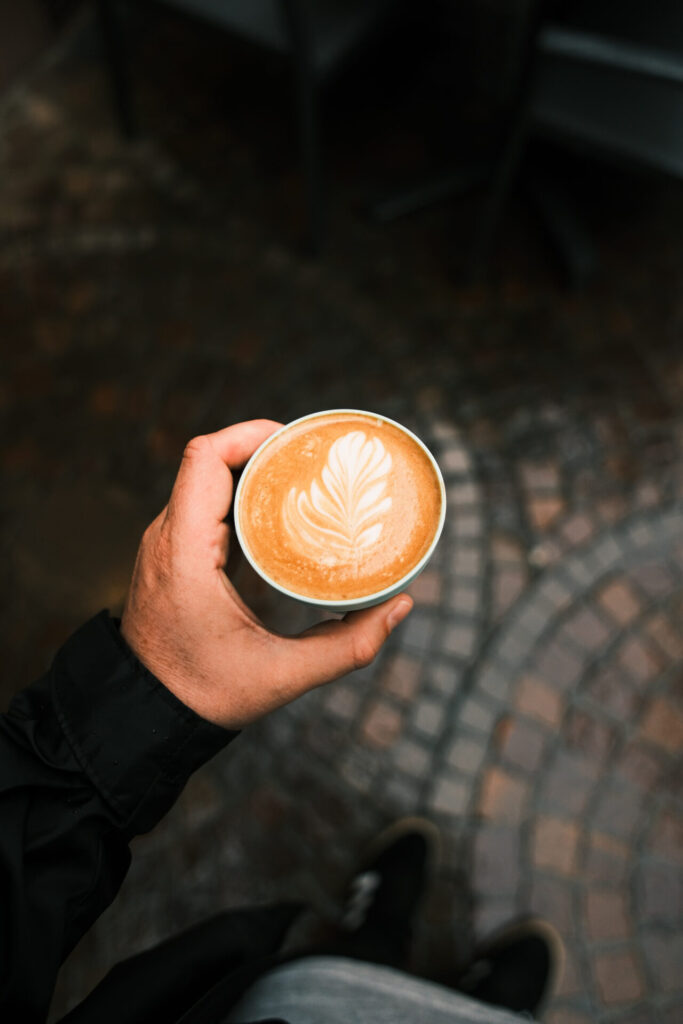
Back into the rain, yes still raining, but I desperately needed a coffee and Kaffeehaus delivered a nice and strong flat white to fuel the afternoon’s activities.

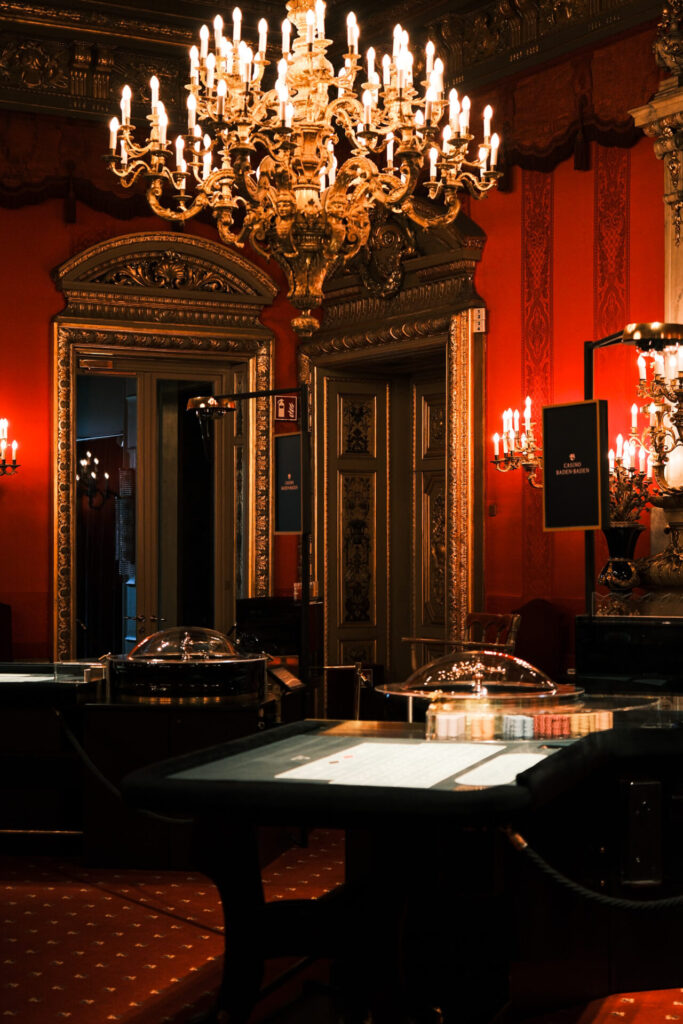
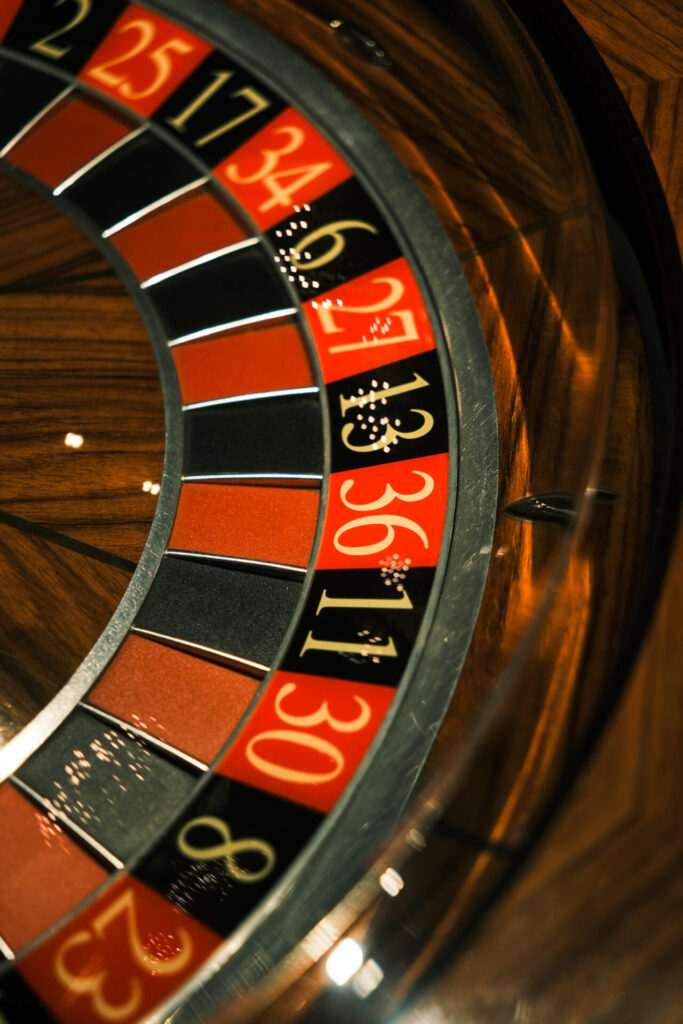
I did have the opportunity the previous night to spend an hour or so in Baden-Baden’s famous casino but tiredness and vertigo from all of the rollercoasters meant that it was straight to bed instead of trying my luck on the roulette and blackjack tables. However, thankfully, I was able to visit today for the 1pm English tour with the hope of learning more about the history of this elegant casino and capturing some photos – something that couldn’t be done during live gambling as perhaps you would have seen me on the news instead.
Unfortunately, it transpired that the English guide wasn’t available so I joined the German tour, nodding and smiling at what seemed like the right moments and simply taking photos of each room we explored.
I do know however Baden-Baden has been associated with gambling for well over 200 years with the casino ultimately requiring a more impressive home to wow guests. Enter, the Kurhaus, completed in 1824, this became one of Europe’s most glamorous casinos with its lavish French palatial interiors, ornate decorations, imposing chandeliers and huge mirrors. Baden-Baden and its casino was the place to be and be seen in the 19th century – Monte Carlo could only dream of competing with this level of glitz and glamour.



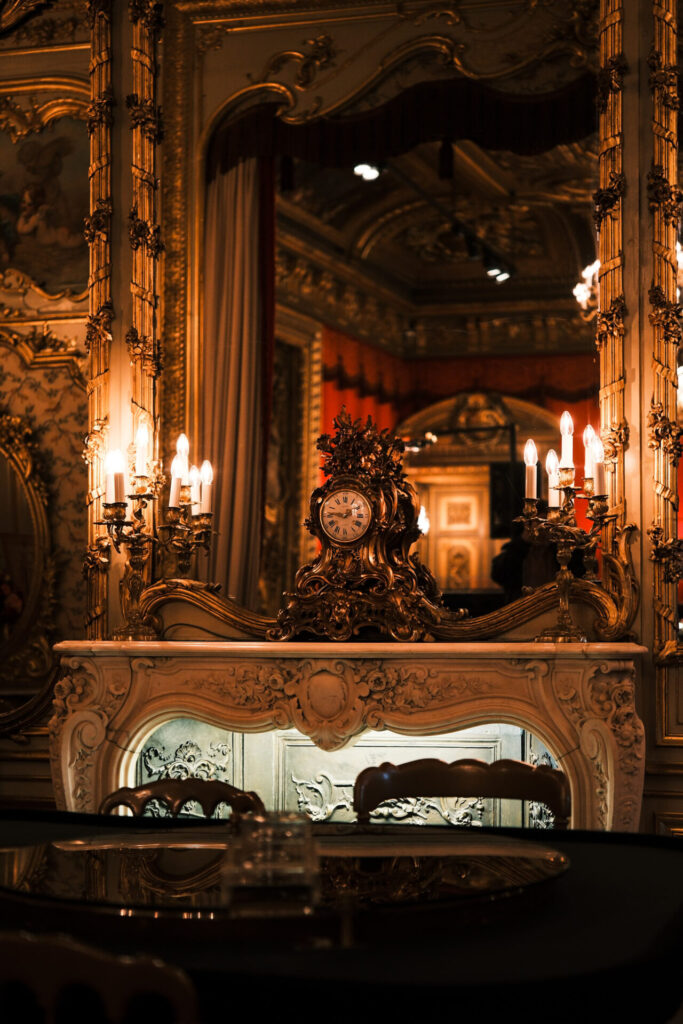


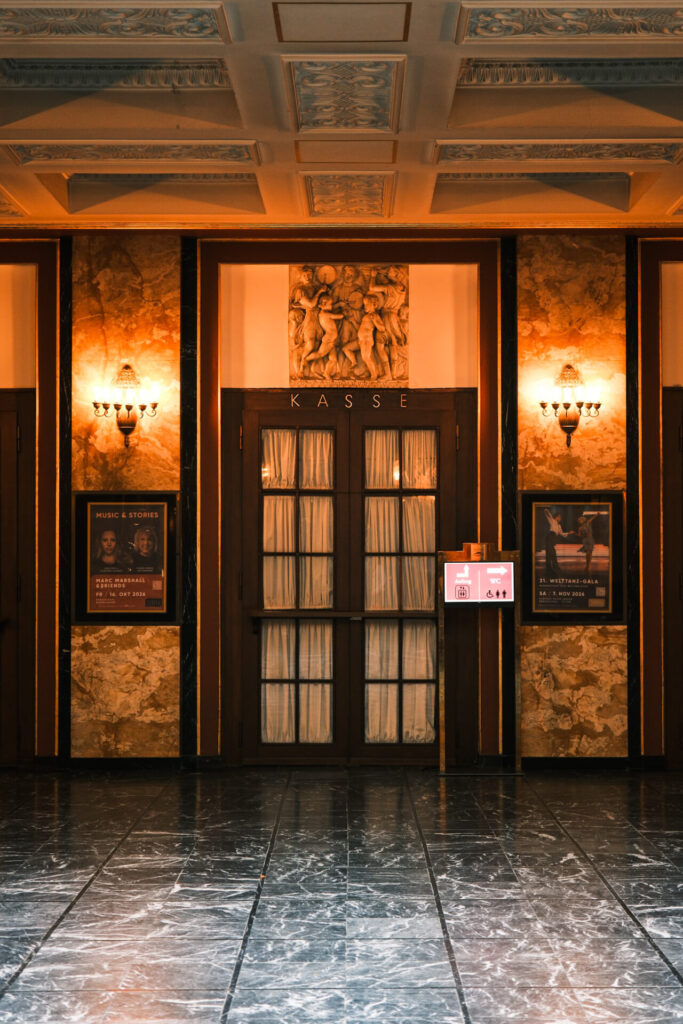
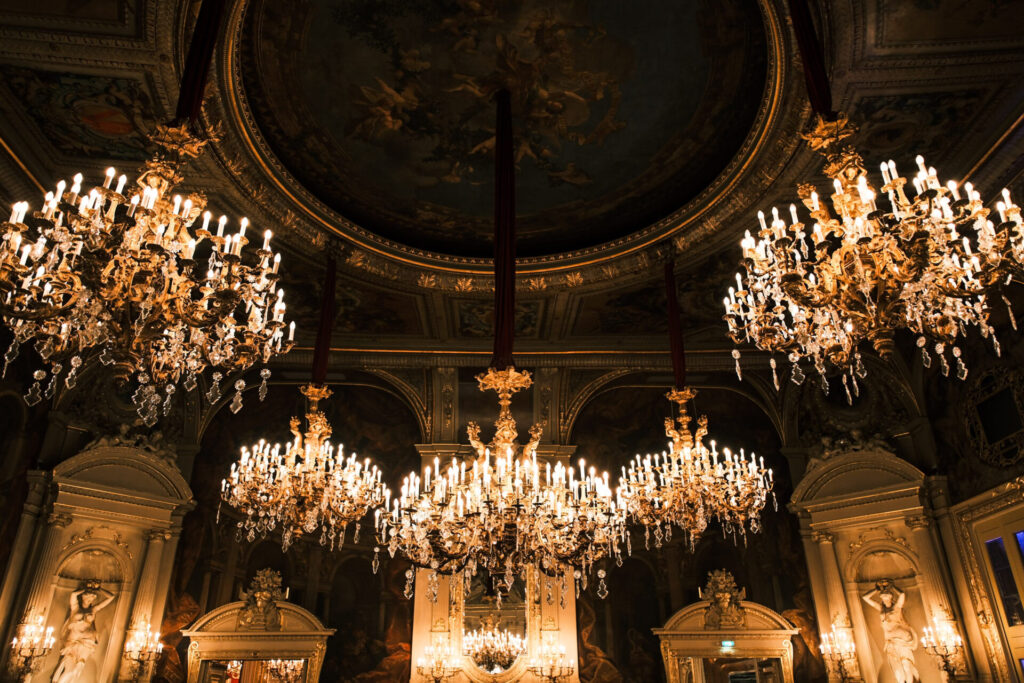
After all that history and all that grandeur, it was time for something equally indulgent. I couldn’t not visit the oldest café in Baden-Baden, Café König, for a thick vanilla milkshake and a delicate strawberry tart. This café has been a Baden-Baden institution since 1889 and thankfully still offers a unique and nostalgic look at the golden age of European café culture. Yes, it’s expensive and busy, but it’s a must-do when you visit the town.


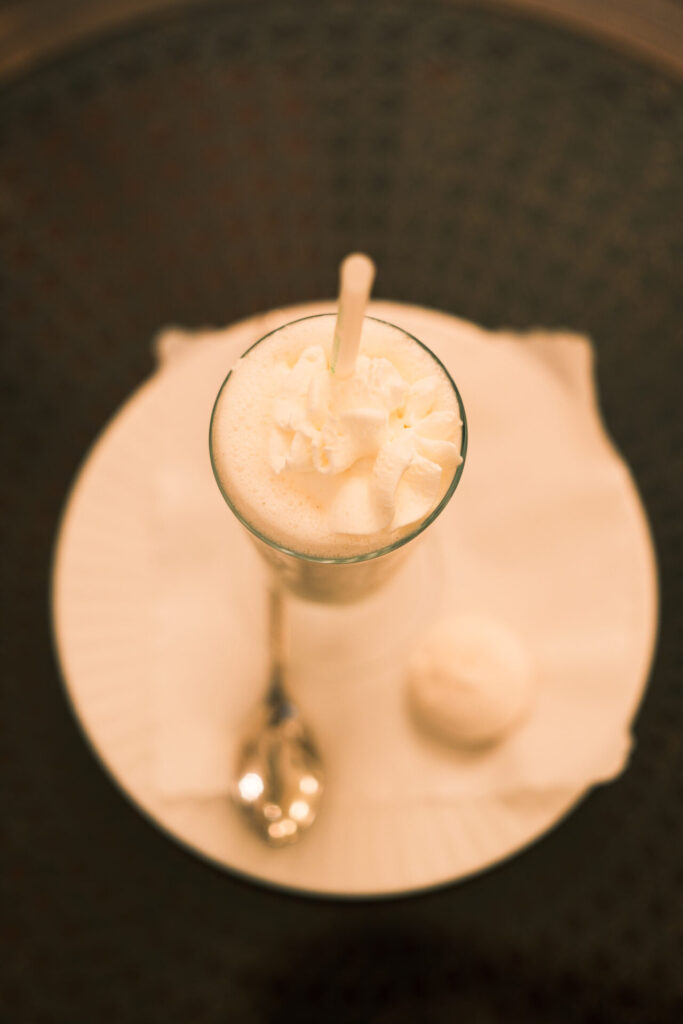
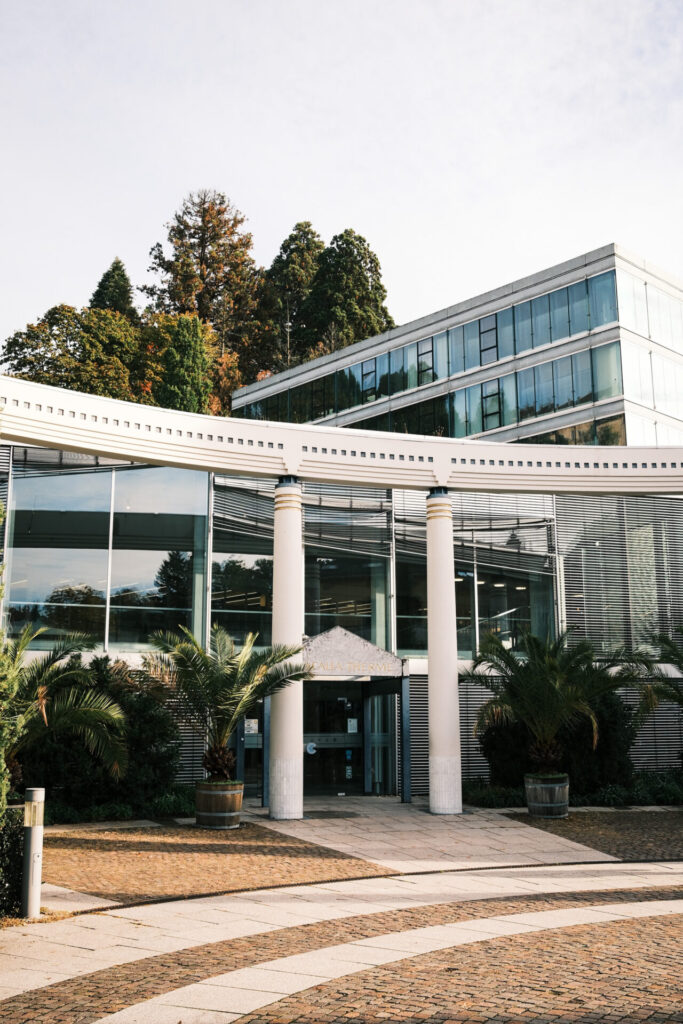
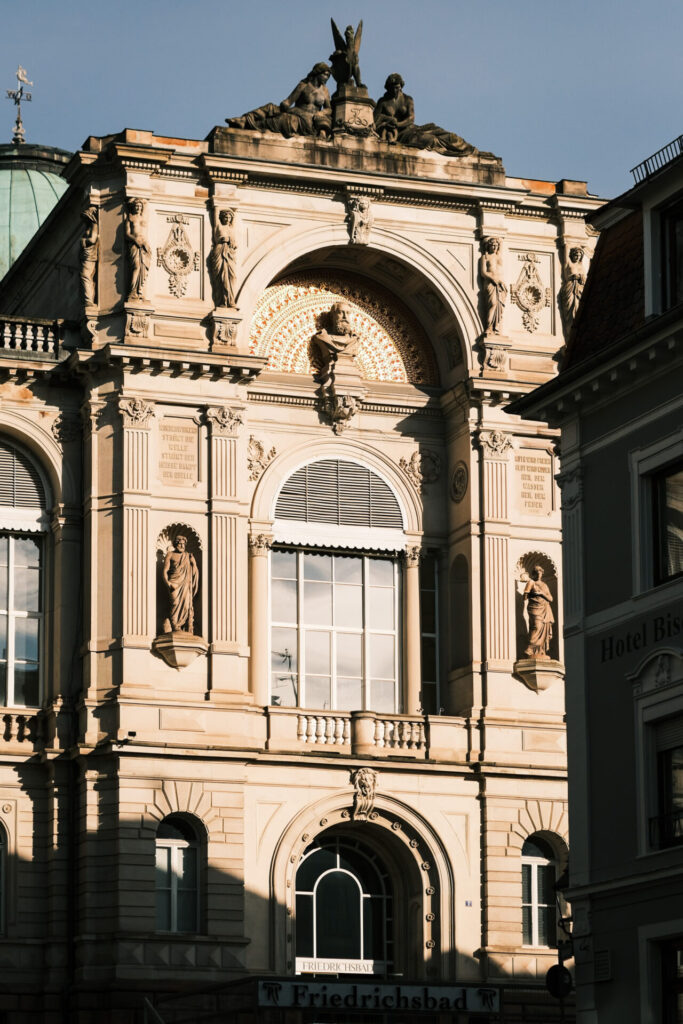
Feeling very refreshed, there was one place that I had to experience for myself. After all the talk of Baden-Baden’s thermal springs and being famous the world over as a spa town, I was straight to the spa to wind down, warm up and recuperate. Now, I must say that no matter how much I wanted to visit the historic Friedrichsbad, it was neither a Wednesday nor a Saturday and so wearing swimwear was not an option. Feeling quite reserved, I opted to spend a few hours at the Caracalla Spa which is a much more modern spa just a few minutes away from the original site of the Roman baths and the traditional Friedrichsbad. I wandered from pool to pool, though never going below 32° for obvious reasons, before eventually settling on the outdoor pool which was quite fun in the pouring rain.
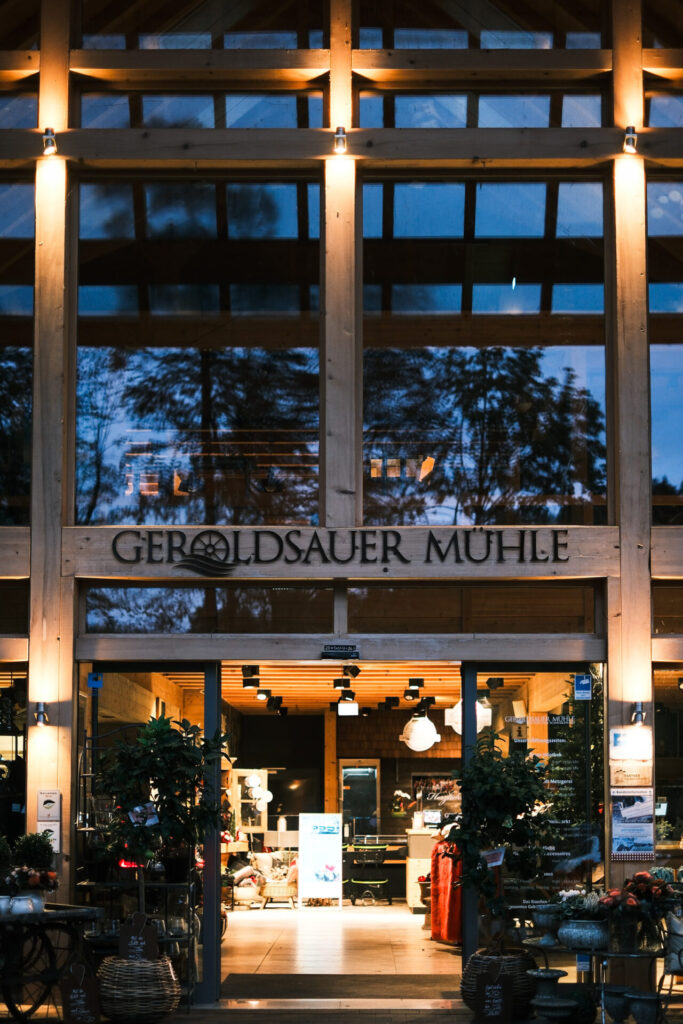
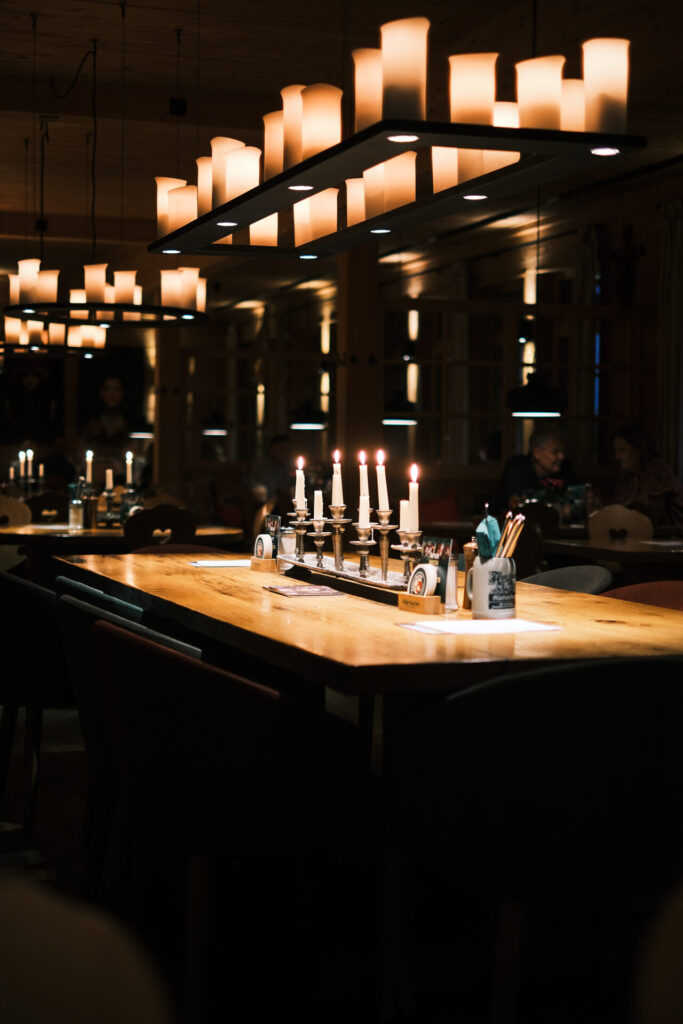
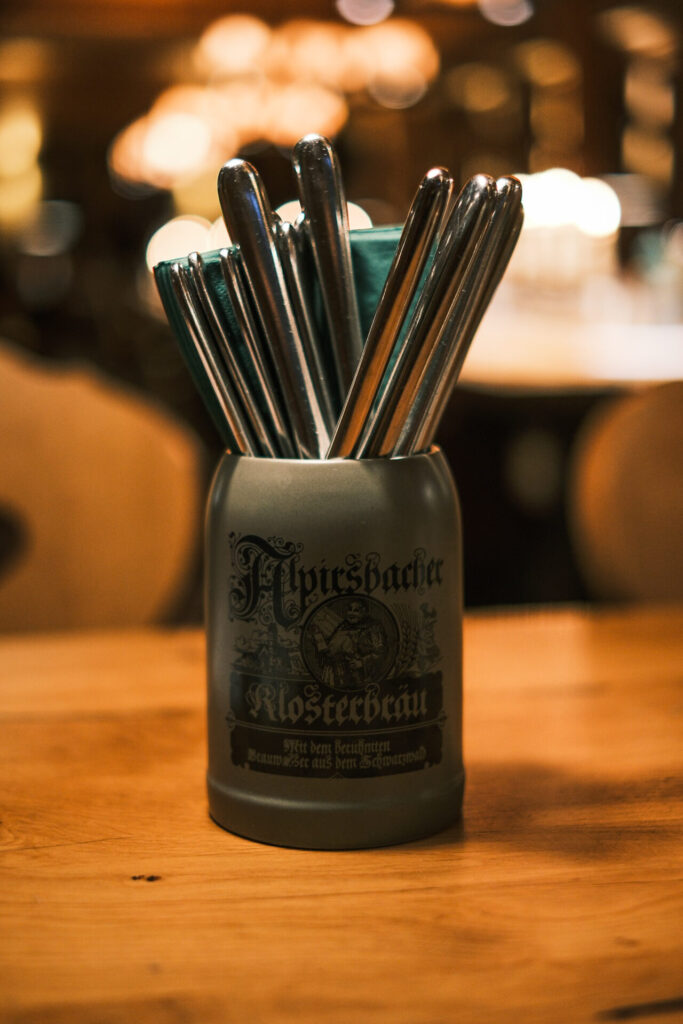
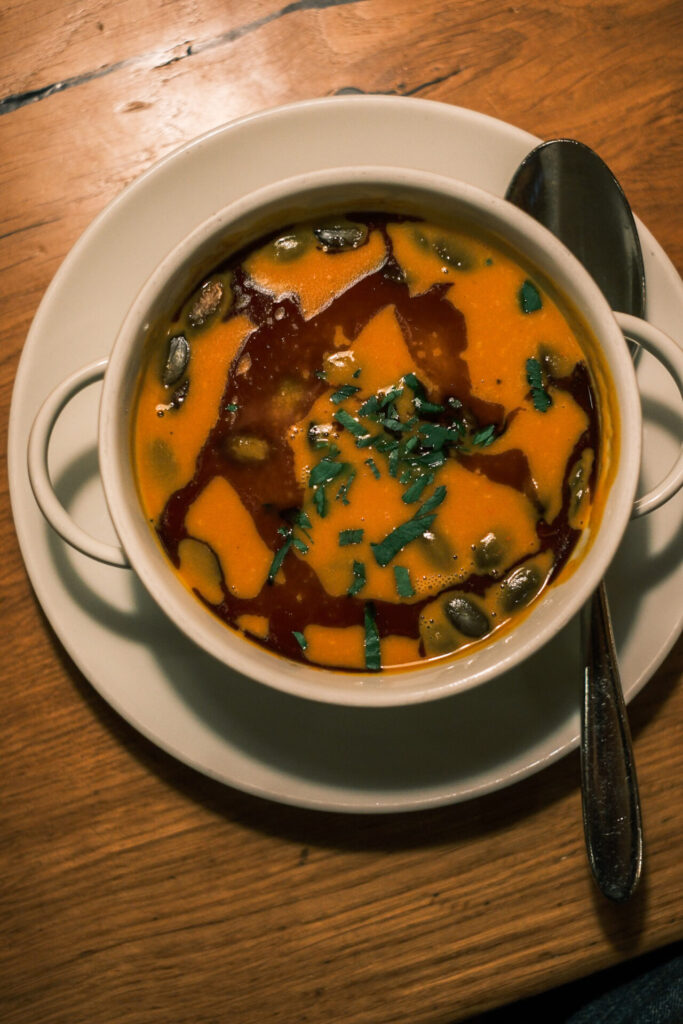
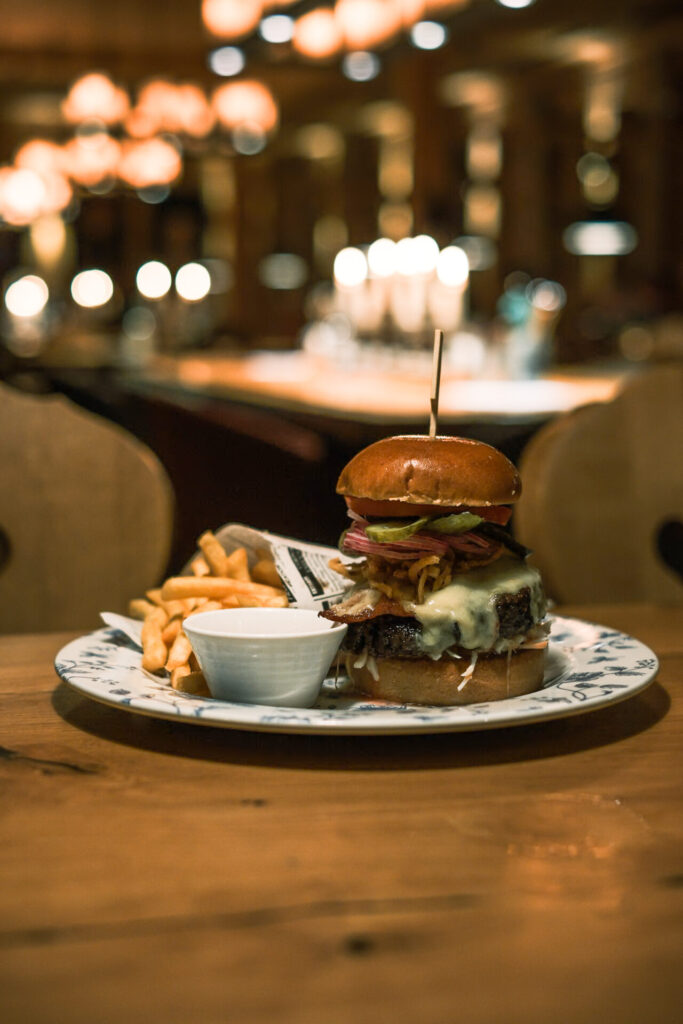
I was still feeling the after effects of Europa-Park’s rollercoasters but just about managed to head a little drive out of Baden-Baden to Geroldsauer Mühle for authentic German food. Whilst it was dark, from what I could see, this spot was absolutely beautiful and peaceful alongside a winding road and a little stream. I went with caramelised pumpkin soup to start (the best soup I think I’ve ever had) before going a little overboard with the Black Forest Beef Burger that turned out to tower almost as high as candles above the table. Unbelievable. And, before you ask, just remember that I think I had vertigo (don’t laugh) so no I absolutely did not finish it all. It was however delicious and wish I could go back for more right now!
Once I admitted defeat, it was time to drive back into town, find somewhere more sensible to park as I received a parking ticket for leaving my car in a resident’s space (oops) and get some much needed sleep and, fingers crossed, stop my head from spinning.
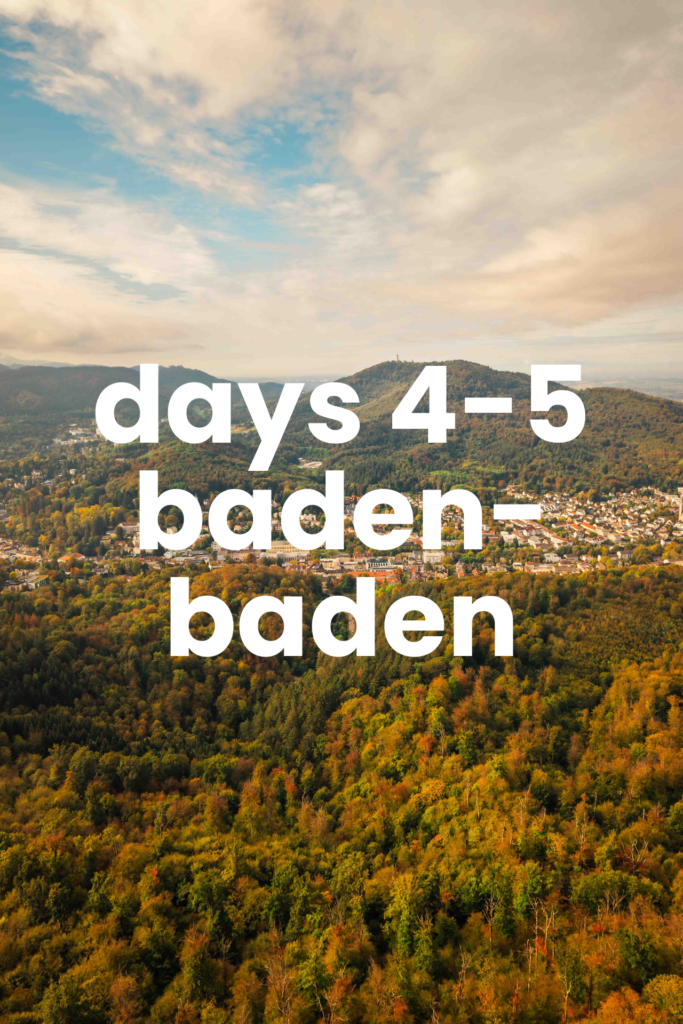
Day 5 – A Final Morning In Baden-Baden & Depart From Stuttgart Airport
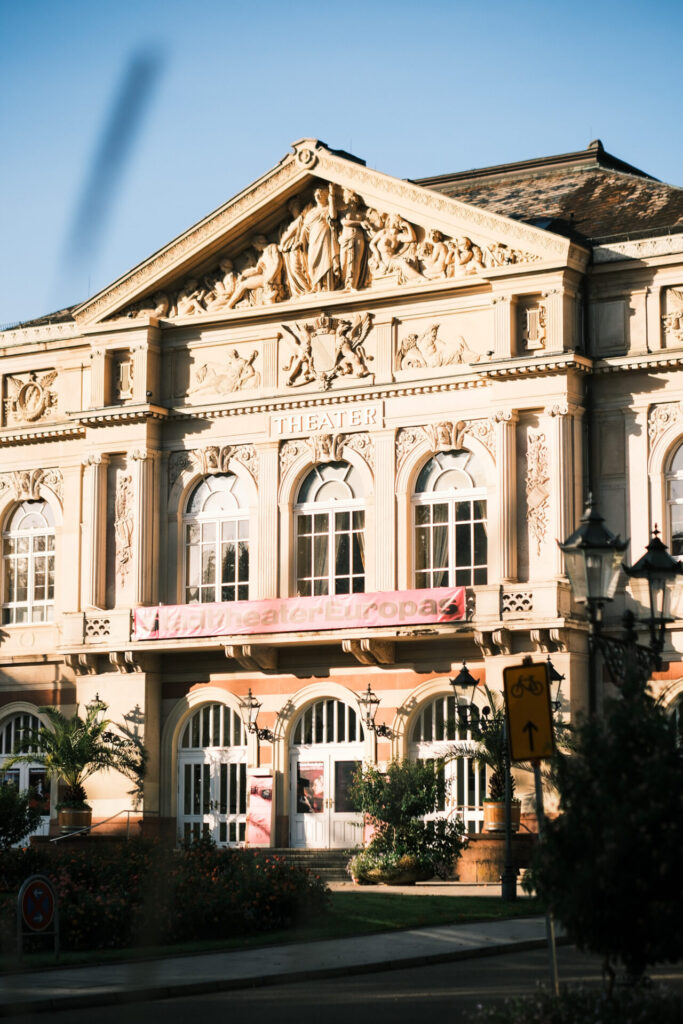
I am pleased to say that I woke up feeling much much better and thankfully the weather also decided that it would return to the glorious golden sunshine. Whilst today would be the day I left Baden-Baden and ended my short trip in this region of Germany, I still had time to fit in one final photo walk and two final coffee stops before driving across to Stuttgart Airport. I’m so so glad that I found the energy to have the last wander as I couldn’t stop taking photos, everywhere looked so beautiful bathed in that autumn light. Baden-Baden is extremely walkable, I was able to see everywhere I’d been to on the walking tour the day before and experience them in much better conditions. What a wonderful way to say goodbye!
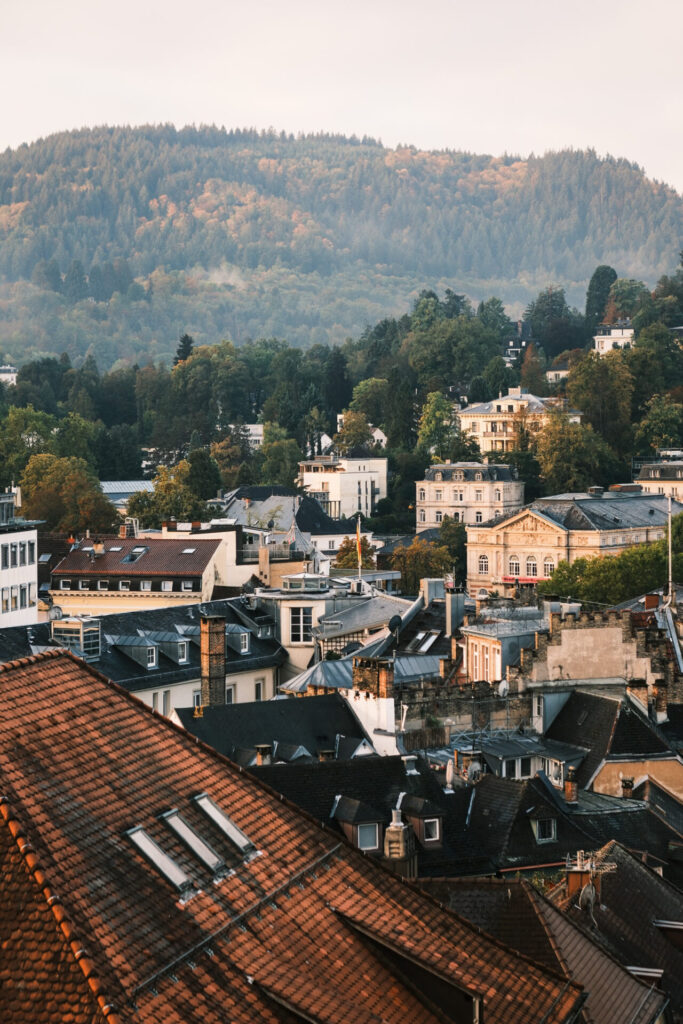







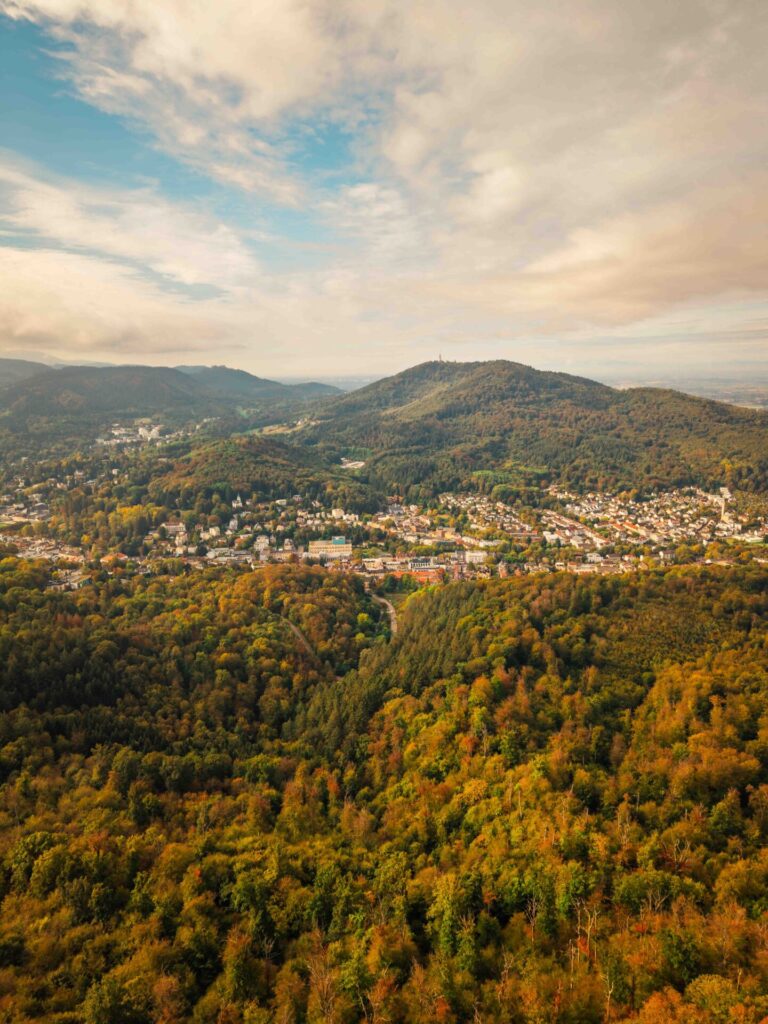
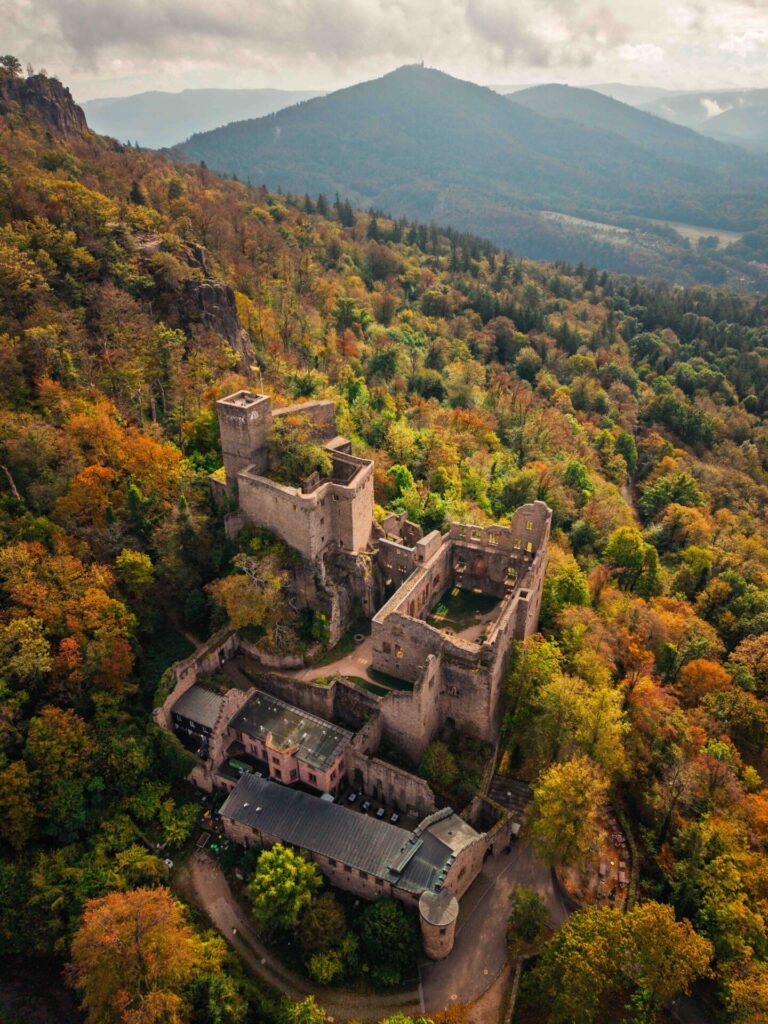
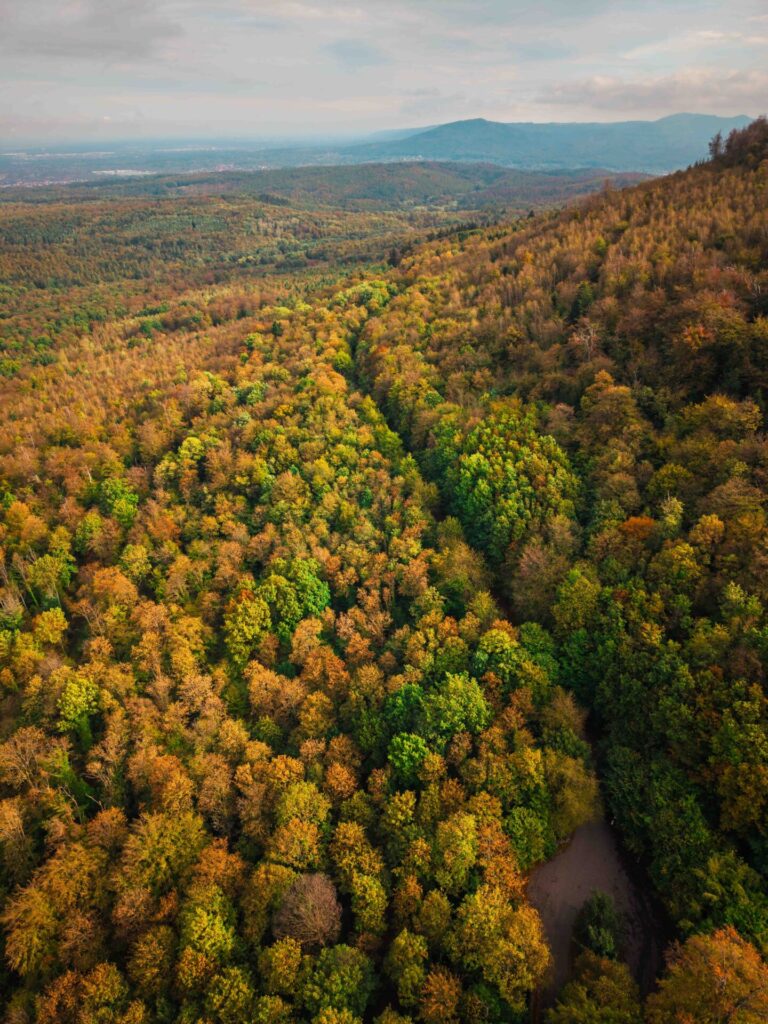
There was just one final stop that I wanted to squeeze in before driving back to Stuttgart Airport. From the window of my hotel room, I could see the ruins of an ancient castle perched on the hills surrounding Baden-Baden. It looked stunning against the fiery autumn colours of the forest and so I thought it would be a great idea to head up there, see if I could get the drone out before getting on my way.
Nothing is ever smooth though is it and suddenly there was a huge build up of traffic just trying to leave Baden-Baden and then Google Maps updated with 30 minute delays thanks to roadworks further down my journey. I would have loved to have seen more of Altes Schloss zu Hohenbaden by exploring within the ruins but all I had time for was a quick aerial view before setting off.
So with that and a slower than expected drive back to the airport, my four night road trip around the Black Forest, Europa-Park and Baden-Baden was complete. The arrival at Stuttgart Airport was smooth thankfully – I filled up the hire car, dropped it off and everything was confirmed as all fine within seconds. Turns out they weren’t that fussed as, without me knowing, I’d apparently signed up for Super Cover and to pay an additional surcharge for dropping off at the airport despite me paying in advance for that.
Anyway, the automated bag drop at Stuttgart Airport made me happy again. I know most airports have this now but, for example, at Manchester Airport you’re essentially just doing someone else’s job as you still have to queue to go to the desk, have your passport checked etc whereas here I literally just printed off my luggage tag, attached it and sent the bag off on its way within less than a minute. Another thing I really liked was that there were three different security queues that allowed access to all the gates notwithstanding that they were technically listed as different terminals. I was queuing in one line and then, as it got too busy, staff re-directed us to a different security queue altogether and we were straight through. Well, almost. I’d left water in my bottle so the polizei had to come over and confirm what had happened before I was allowed on my way.
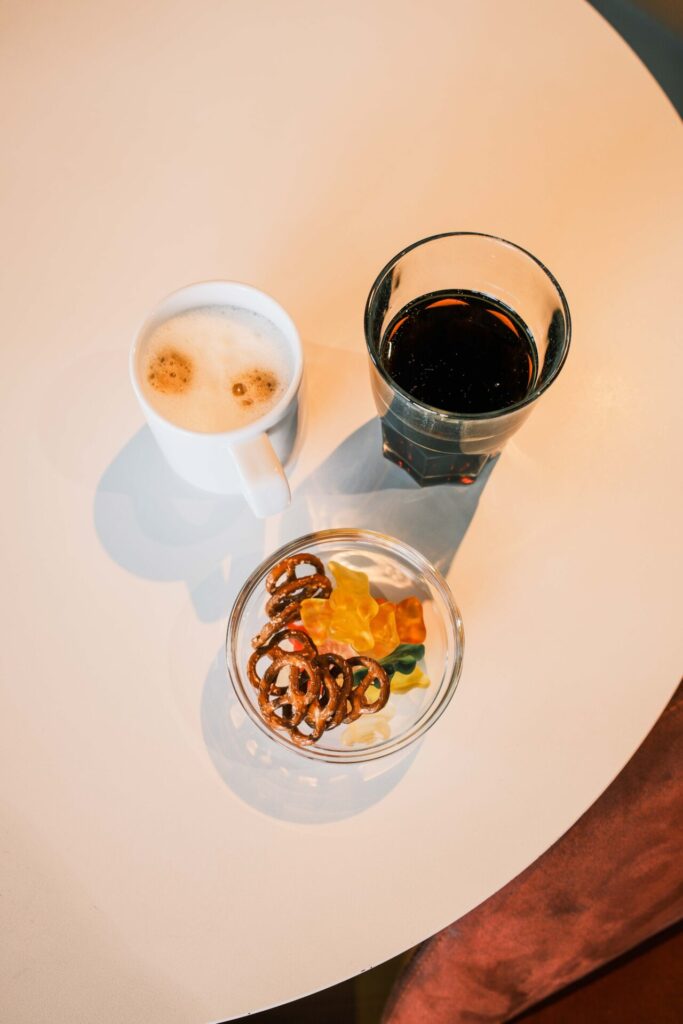
I headed straight to the Aviator Gallery lounge and finally felt as though I could relax. My flight was slightly delayed so thankfully I was able to enjoy coffee, glasses of coke, pretzels, sweets, a bit of lunch and a beer before flying home.



Where To Stay In The Black Forest, Europa-Park & Baden-Baden
For this particular road trip, as you will have seen, I stayed in three different hotels across the Black Forest and the surrounding region which worked to explore each location at a slower pace. It would have been completely impractical to pick one hotel as a base for the entire four nights as there’s only so much time you want to be allocating to driving.
Wellness Hotel Tanne – Black Forest
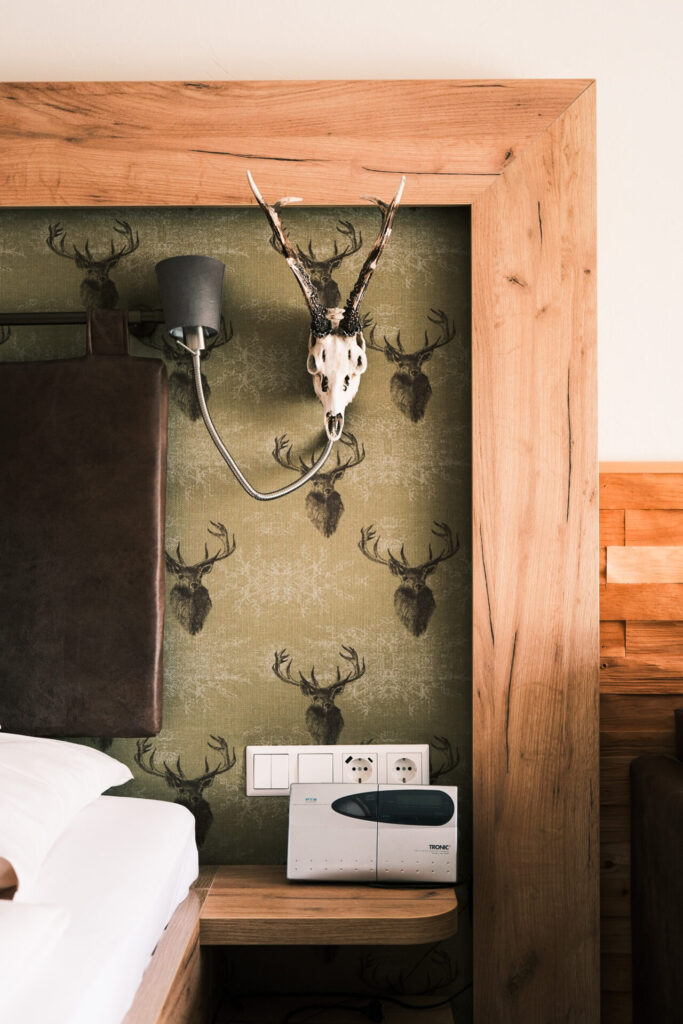
My first stop was the Wellness Hotel Tanne in the small village of Tonbach in a valley deep in the Black Forest. This was incredibly peaceful with scenery that you could just stare at all day long. The hotel was very traditional, run by the same family since the late 19th century, and its main draw is its spa facilities including a treehouse sauna. As I was only staying for one night, I didn’t have time to explore all of the facilities (I would have loved to visit the treehouse sauna) but I did get to enjoy the evening five course meal and a beer on the terrace. The Wellness Hotel Tanne is conveniently located for exploring the wider Black Forest region including the National Park and hikes along the valley floor.

Hotel Colosseo – Europa-Park
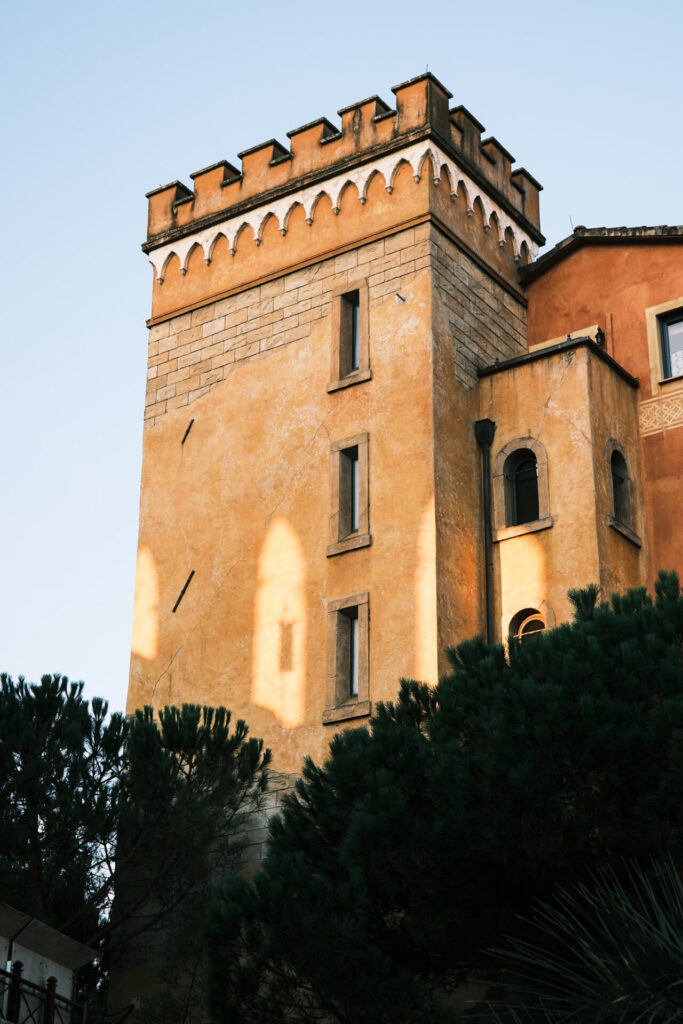
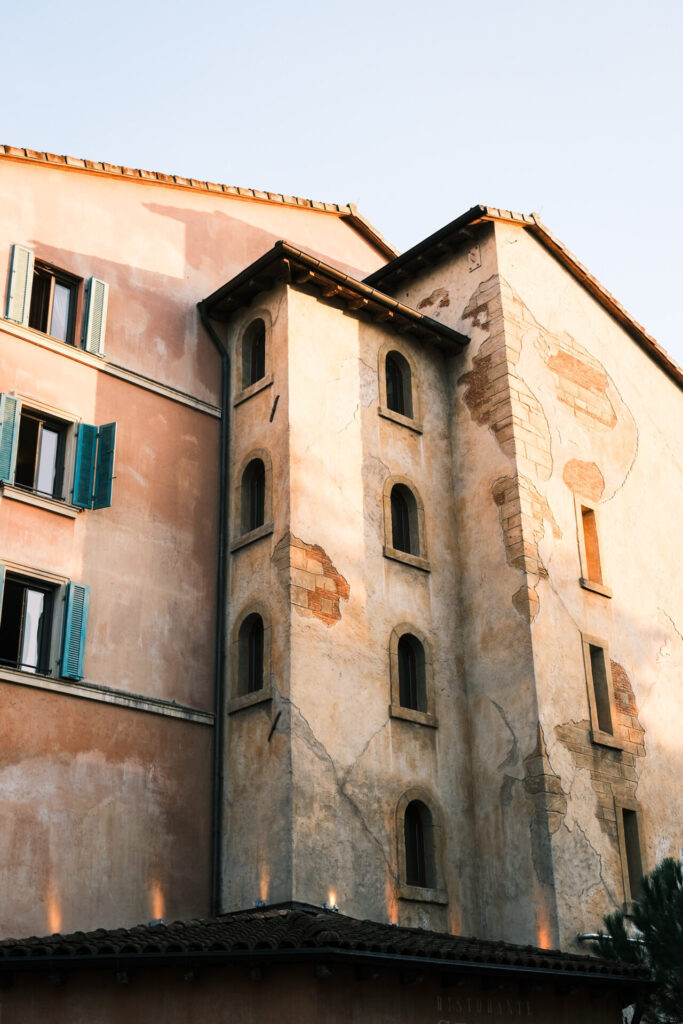
Hotel Colosseo is one of seven themed hotels at Europa-Park with each offering a completely different and unique experience; From a Spanish finca to a Wild West themed city to a Portuguese monastery and a New England lighthouse. Hotel Colosseo however was my choice of overnight accommodation at Europa-Park thanks to its impressive Italian architecture, huge replica colosseum and the extremely short walk straight into the park at a separate entrance.

Hotel Am Markt – Baden-Baden
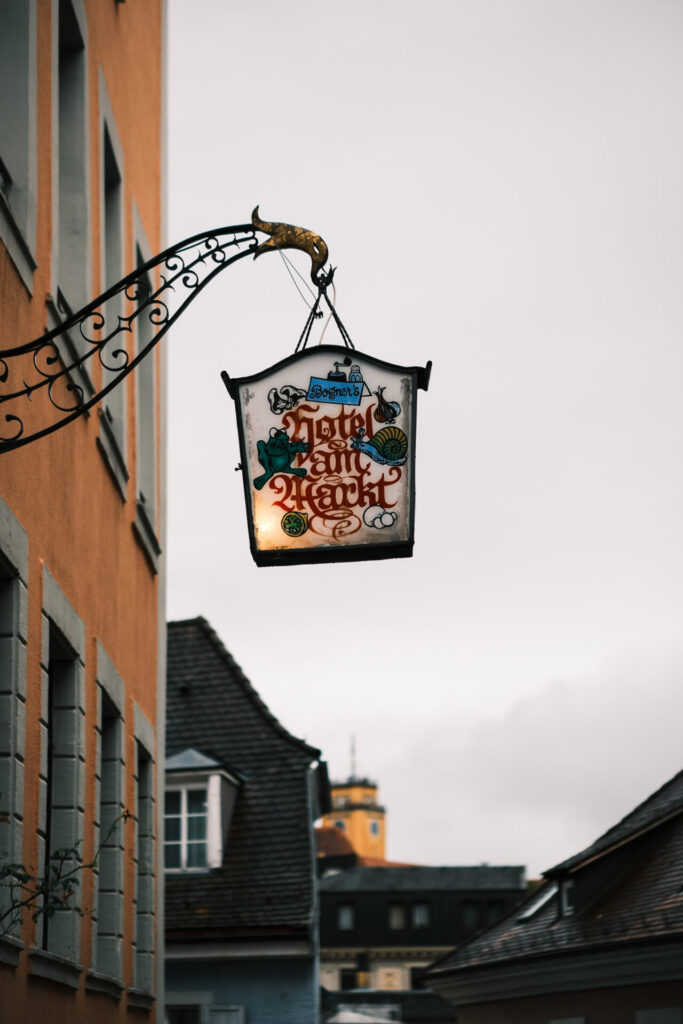
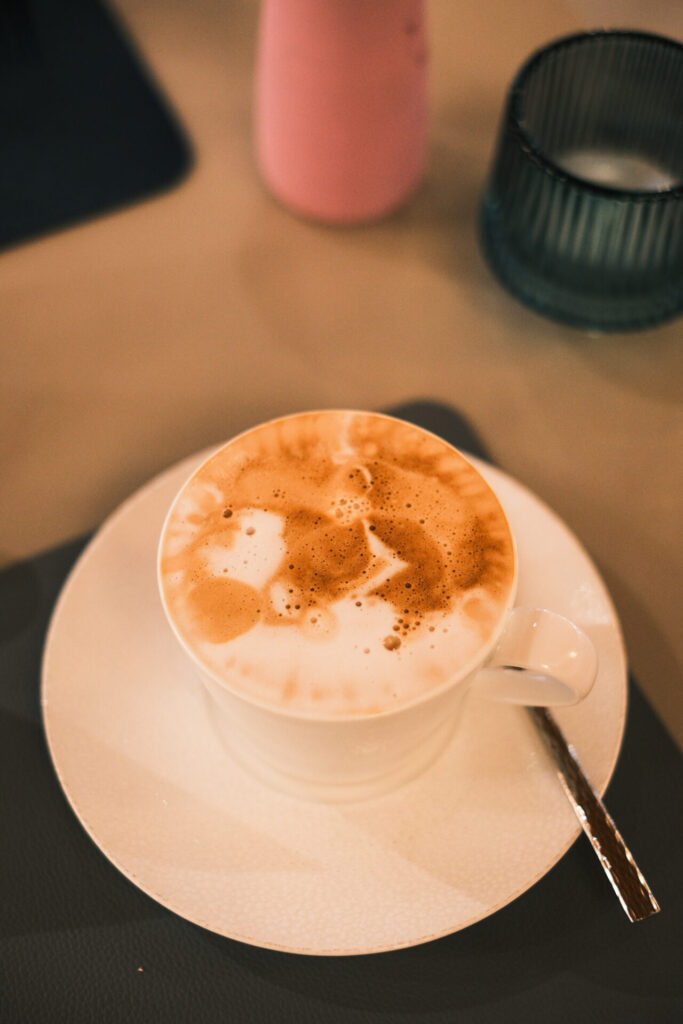
Right in the centre of the Old Town, next to the marketplace, is Hotel Am Markt; a historic hotel that has been welcoming guests for around 250 years. My room was very comfortable for the two nights that I spent there with stunning views across Baden-Baden but there are also apartments and deluxe doubles for those requiring a little more space. The hotel is so convenitnelty located to explore Baden-Baden on foot. It’s literally minutes from the thermal baths, cafés and restaurants with the casino, trinkhalle, and museums all being a short walk away. The standout for me however was the breakfast – the coffee was really good, the ingredients from local suppliers wherever possible and many items were entirely homemade including the yoghurt and overnight soaked oats.
Where To Park In Baden-Baden
If your accommodation doesn’t include parking or perhaps there are only a few spots available for guests, it’s going to be much easier to find somewhere beforehand where you know you can leave your car for a few days or so. There are places to park within Baden-Baden for free which were recommended to me by my hotel, in particular on the northern side of Schloßstraße, but honestly it’s probably easier just to use a safe and secure parking garage like Vincenti Garage. It can be a little expensive to park your car in Baden-Baden but, if it avoids getting very confused with the road signs, parking in a resident’s area and getting a parking ticket, then surely that makes more sense. And yes, I’m talking from experience.

Is Four Nights Enough?
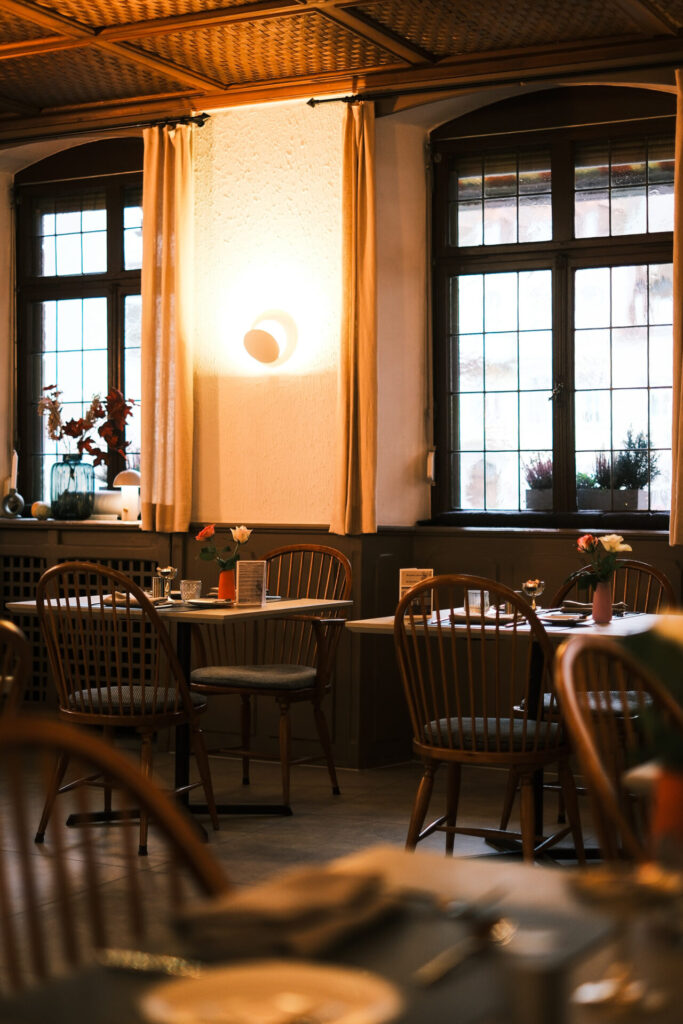
Well, for the exact trip I did, as a basic introduction to the region as a first-timer, four nights is perfect. I was able to experience some of the Black Forest’s most beautiful scenery, visit Baden-Baden, spend a full day at Europa-Park and have an evening at the Rulantica waterpark without feeling too rushed.
If I was planning a return visit, I’d certainly look to spend 5-7 days exploring more of the Black Forest region including Freiburg im Breisgau, Gengenbach and Feldberg, the region’s highest mountain. I’d also love to visit the source of the Danube River and Lichtenstein Castle, though it’s a little further afield and would require a bit of a detour.
Ultimately, four nights is enough to enjoy this exact itinerary and get a taste of what makes this corner of Germany so special. However, if you want to explore more of the Black Forest’s villages, hiking trails and landscapes at a slightly slower pace, I’d recommend adding a few extra days. If you’re flying into and out of Stuttgart Airport too, adding those additional days, would allow you to spend time in this vibrant city.
Final Thoughts
This trip was really a series of firsts for me. The first time I’d spent longer than 6 hours in Germany, the first time driving on the autobahn, the first time exploring the Black Forest, the first time riding five rollercoasters back to back and the first time I realised that Germany was so much more than I imagined. It’s certainly not fair to only think of Germany as say Berlin or Hamburg; the south west region of Germany is somewhere I’d immediately plan to revisit with the family.
If you’re looking for a lovely introduction to Germany or perhaps wanting something a little different, I would highly recommend planning something similar to this exact itinerary – the Black Forest, Baden-Baden and, of course, Europa-Park offer such unique experiences to solo travellers, couples and families. As I said above, there’s so much more to discover that four nights only scratched the surface. That said, if you’re looking for a somewhere new to visit for a short break, the Black Forest and the surrounding region absolutely works thanks to its close proximity to Stuttgart Airport.
If you can’t tell, I absolutely loved this trip to an area of Germany that was always on my list but plans to visit had never really come to fruition. I can say for sure now that we will be returning as a family sooner rather than later!






Continue Exploring
Where Next?


Stay Updated
Some links on this site are affiliate links. If you make a purchase through them, I may earn a small commission at no extra cost to you.