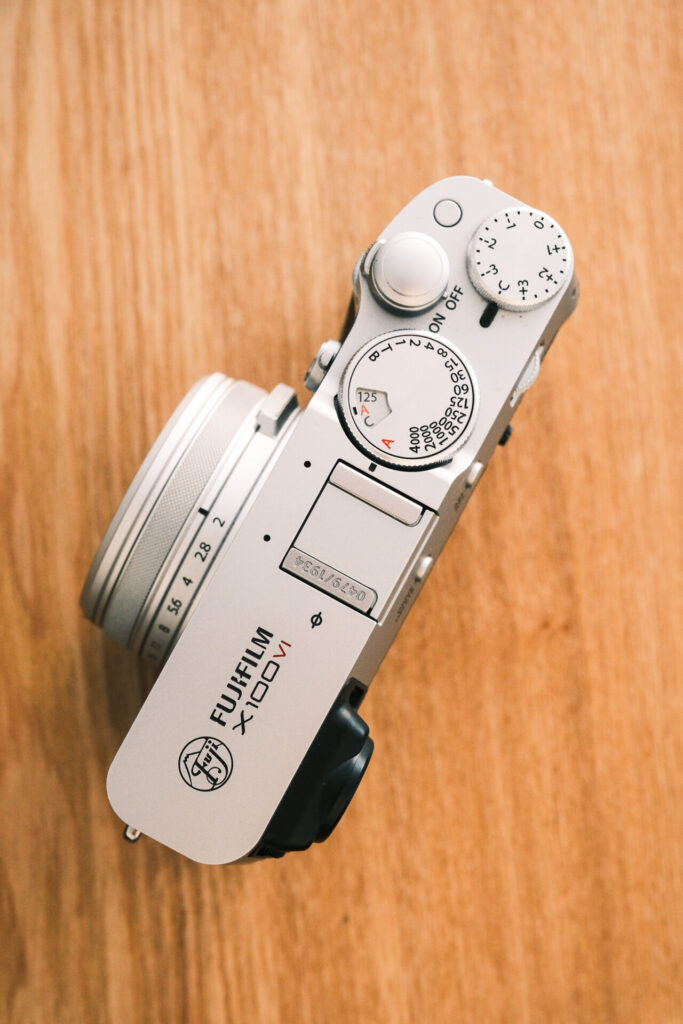

It’s been over a year since I purchased one of the most coveted Fujifilm cameras ever made. This Fujifilm X100VI review brings together all of my thoughts, images and experiences from the last 12 months, including whether it could ever replace my Fujifilm X-T5.
We’ll start by travelling back in time to 2021 and the day on which I added the Fujifilm X100F to my camera bag. I’d fallen out of love with the 23mm focal length after discovering the legendary Fujifilm 35mm f/1.4 yet, once a used copy of Fujifilm X100F was mine, I went as far as saying it was the greatest thing I’d ever held in my hands. The Fujifilm X100VI is on another level. There’s a reason why this camera is in constant demand.
I actually got rid of the Fujifilm X100F shortly after I got the Fujifilm X-T5 and I was able to access some of the newer film simulations. I’ve been shooting with Fujifilm JPEG’s since 2018 and, up until the release of the Fujifilm X-T5, Classic Chrome was my favoured base simulation but when I started travelling again after Covid-19, it just felt a little too gritty for me. I ultimately developed my ‘Summer Negative’ recipe on the Fujifilm X-T5 and this became my go-to look for my photography; both in terms of travel and day to day family life. As such, the simple fact that I could no longer create a consistent photography between the two cameras, I decided to let the Fujifilm X100F go and, to be honest, I didn’t miss it.
When the Fujifilm X-100VI came out, I was very intrigued especially by the limited edition version, the addition of IBIS and the updated 23mm f/2 lens introduced in the previous iteration (with f/2 no longer soft wide open). I didn’t however rush to buy it – it was constantly sold out and I just couldn’t justify going for another fixed lens camera at 23mm when I much prefer the 35mm look for travel photography.
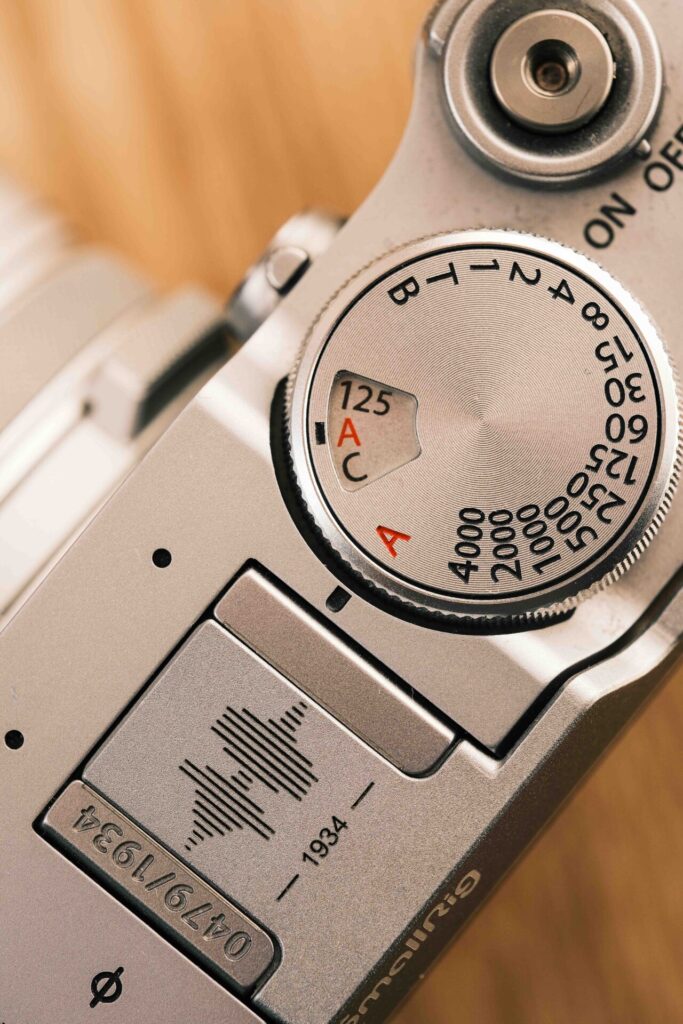
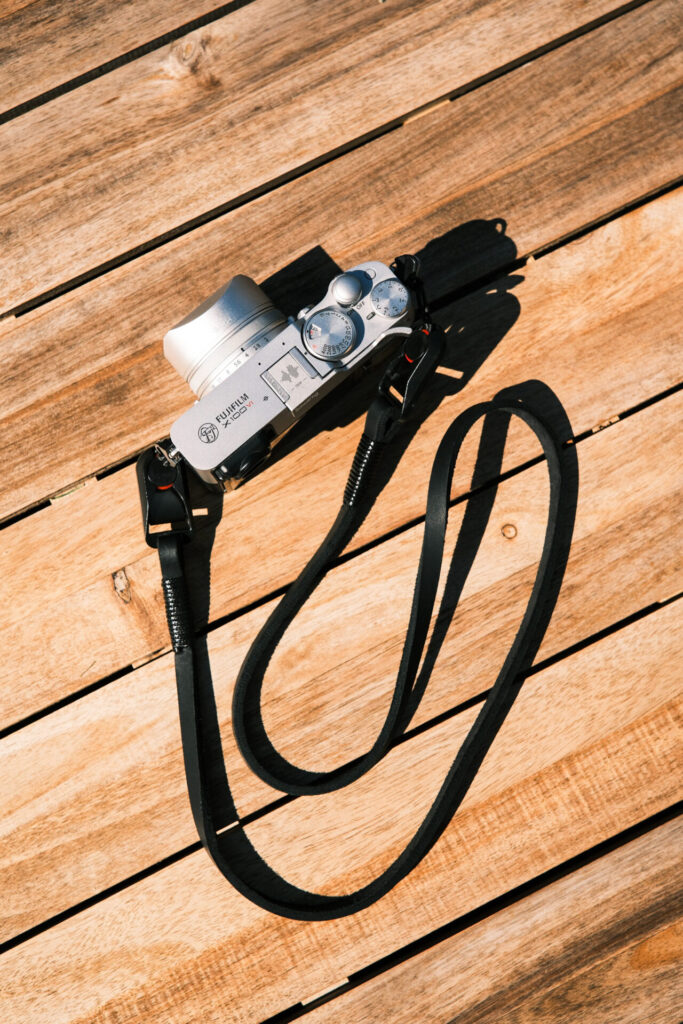
However, obviously things changed, as I now have a lovely limited edition Fujifilm X100VI to call my own. The timing just worked out when the legendary Roman of Snapsbyfox put his version up for sale and I was looking to spend some inheritance on something a little special. The fact the camera looks very similar to one of my grandad’s old film cameras meant that I would be just as happy displaying it as using it. I didn’t however simply drop a good chunk of money for the camera to sit on a shelf.
Hopefully that gives you a good background of how we got here and now we can kick off my Fujifilm X100VI review to share all of my thoughts from the last 12 months or so, some of my favourite images and whether it’s something that I think will replace my Fujifilm X-T5 or whether it’s something to compliment it within my camera bag.
Let’s go.
MY FUJIFILM X100VI REVIEW
THE SPECS THAT MATTER
For those new to my gear reviews, I’ll be open in that I’m not one for getting too technical about specifications but I appreciate that, at the very least, I should set out what really matters to me and to others considering purchasing the camera. It doesn’t meant I’m going to through images pixel by pixel or talk about chromatic aberration for example. We’ll keep things simple and I’ll just list the headline specs that are important to consider.
Sensor: 40.2MP APS-C X-Trans CMOS 5 High Resolution (the same sensor can be found in the Fujifilm X-T5 and X-H2)
Processor: X-Processor 5
In-Body Image Stabilisation: 5-axis, 6 Stops
Lens: 23mm f/2 (equivalent to 35mm)
ND Filter: Built-in 4 stops
Viewfinder: Hybrid Optical and Electronic 3690k-dot OLED
LCD: 3-inch horizontal and vertical tilting touchscreen, 1.62m-dots
Battery: NP-W126S (the same battery can be used in a range of models from X-T1 and X-Pro 1 to the latest X-E5)
Storage: 1 SD Card Slot, UHS-1
Video: 6.2k 16:9, 10-bit MOV, 4:2:2, 200Mbps (Max)
Weight: 521g with battery and memory card
Weather Resistant: Yes but with adapter and filter sold separately
This is probably everything you need to know in terms of the Fujifilm X100VI’s raw specs. We’ll talk about my experience with the camera as a whole and how those particular specs feed into that. The key things to take away are that the sensor is identical to those in the Fujifilm X-T5 and X-H2 which is a really good thing, as is the fact that you’ve got IBIS (an essential feature for me), a built-in ND filter though the camera still uses the older style battery (unlike the X-T5 for example that uses the newer NP-W235 battery) and only has one SD card slot.
Thinking about buying the Fujifilm X100VI?
Check the latest price and availability on Amazon.
23MM FOCAL LENGTH
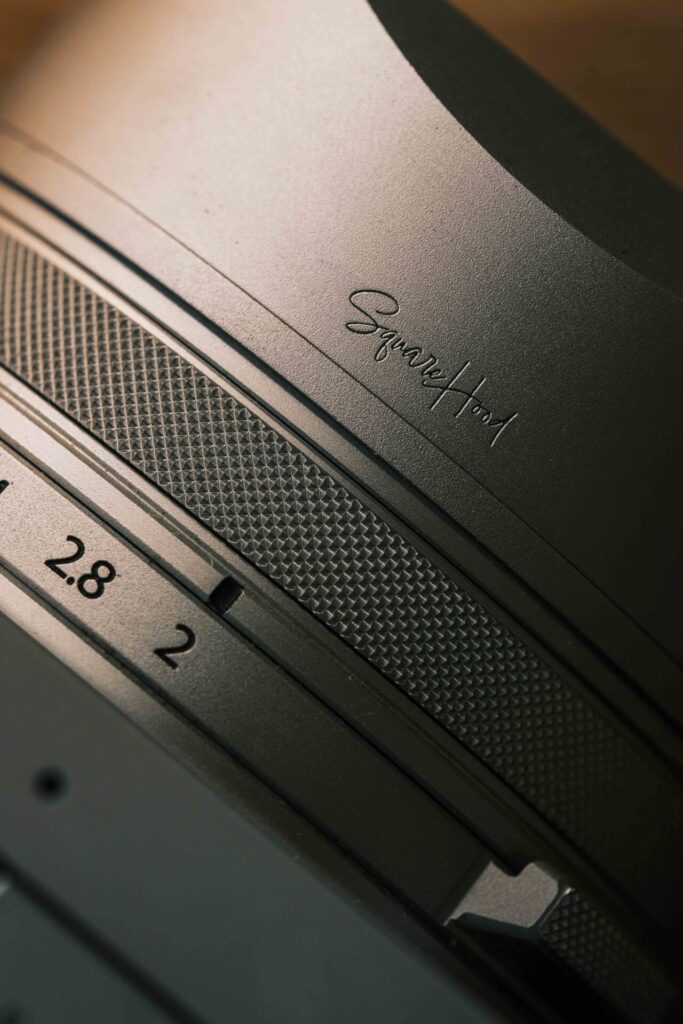
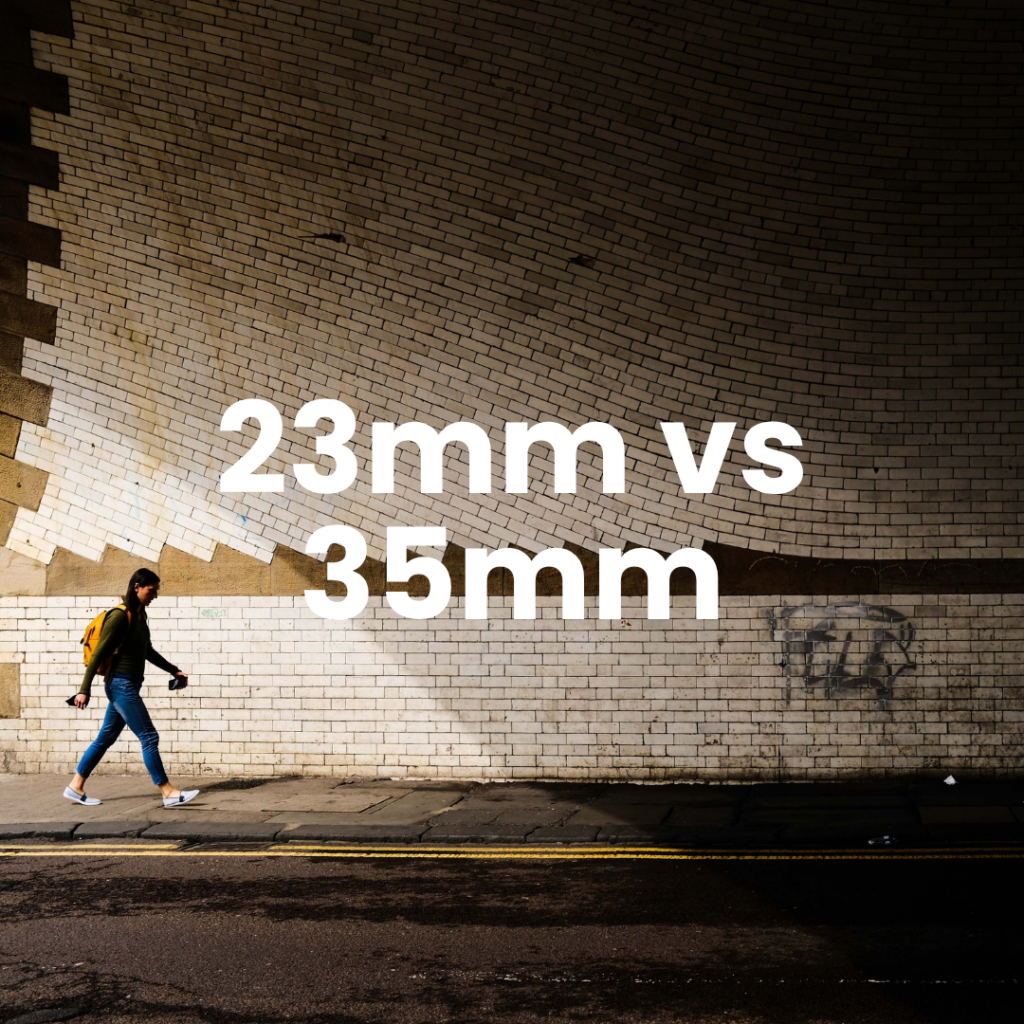
Perhaps one of the main selling points of the Fujifilm X100VI is the fact that it has a 23mm f/2 fixed lens. That means, other than using the built in electronic crop modes (50mm and 70mm equivalent), you are limited to the 23mm focal length. This is a focal length equivalent to 35mm in full-frame terms, the classic point and shoot look, one that is perhaps not too wide and not too tight. Some will describe it as the ‘goldilocks’ focal length however, after I dived into thousands of my images taken at both 23mm and 35mm, I’d probably lean towards saying for me it’s either not wide enough or not tight enough.
However, interestingly, the data in my 23mm vs 35mm comparison revealed that I shot most of my images across a decade in and around the 23mm focal length. Despite much preferring the more natural and intimate 35mm focal length, it is clear that 23mm is much more useable for all types of photography and situations that you might find yourself in.
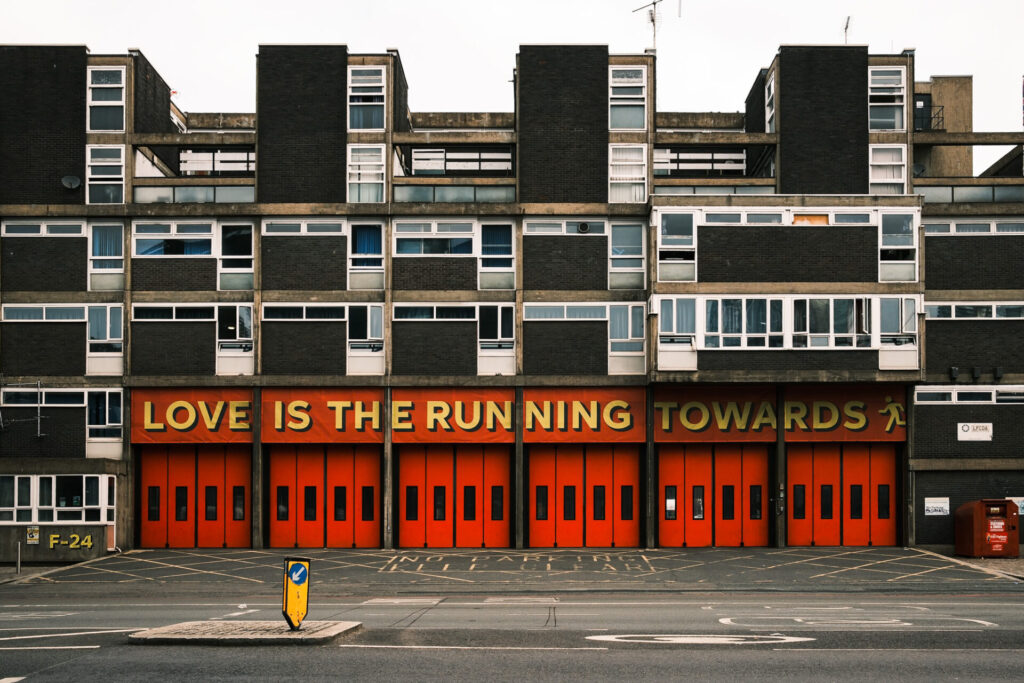
That’s the biggest selling point of a 23mm lens in that it is incredible versatile; it can handle street photography, portraits, food & drink, interiors, architecture as well as photos of your family and day to day life. With the wider field of view, the 23mm just works for travel photography in particular and everything that that includes. Will the focal length blow you away, probably not. Will it be frustrating at times when you wish you could get closer or get wider, definitely. But, I can confidently say that it is extremely useable and that is exactly what you want from a camera isn’t it – something that you can just pick up, take with you and, no matter where you’re going, the camera will capture it all without too much difficulty. Remember that less choice of focal length means it’s quicker to get a composition that works and brings more consistency to your photography. I’d recommend that everyone shoot with a prime lens as often as possible. It’s probably the one thing that really improved my photography due to the restrictions it brings.
Do I wish that the lens was a little wider, perhaps something like an 18mm lens? Sometimes and actually I’ve been using the discontinued Fujifilm XF-10 for a while now to see how that might fit into my camera bag. My verdict isn’t out yet so watch this space for when I’ve finally made up my mind. There are also the two crop modes that digital zoom in the image so that you’re not completely stranded with no options when something ‘must-capture’ comes up – you can easily zoom in with the control ring to the ASP-C focal lengths of 35mm and 50mm (both very useful focal lengths) but the image shrinks to 20MP and 10MP respectively. I’ve used these sparingly and it’s not something I would regularly turn to at all though an image at 35mm at 20MP isn’t that bad especially as you’re unlikely to be cropping any further. Given the last generation X100V had a 26MP sensor, it doesn’t seem so bad does it?
So, despite preferring a completely different focal length, I would say that the Fujifilm X100VI with its 23mm lens is much more practical as a carry-everywhere kind of camera; whether you’re a beginner or looking to add a fixed-lens camera to your camera bag.






FUJIFILM X100VI FOR TRAVEL PHOTOGRAPHY
I think that ‘travel photography’ is an interesting description of a genre of photography that encompasses so many different types and styles of photography; everything from streets, landscapes, aerial, architecture, portraits and people, wildlife, food & drink, little details and even everyday moments can all legitimately feature in something described as ‘travel photography’. It’s less about the technical side of photography and more about capturing images that together tell the story of a destination and convey what it feels like to be there, wherever that may be.
I would describe myself as a travel photographer first and foremost given that my job revolves around travelling to different places, taking photos and writing travel guides and photography guides to each of them. I entered the Fujifilm ecosystem a decade ago now and, in that time, as I’m sure you can imagine, I’ve gone through a range of different setups trying to find the perfect gear for my style of travel photography. I started within a 23mm f/2 prime on the Fujifilm X-T2, went through different zooms and prime lens combinations (like the Fujifilm 18mm f/1.4 and 35mm f/1.4 together) before, more recently, travelling with the Fujifilm X-T5 and Sigma 17-40mm f/1.8.
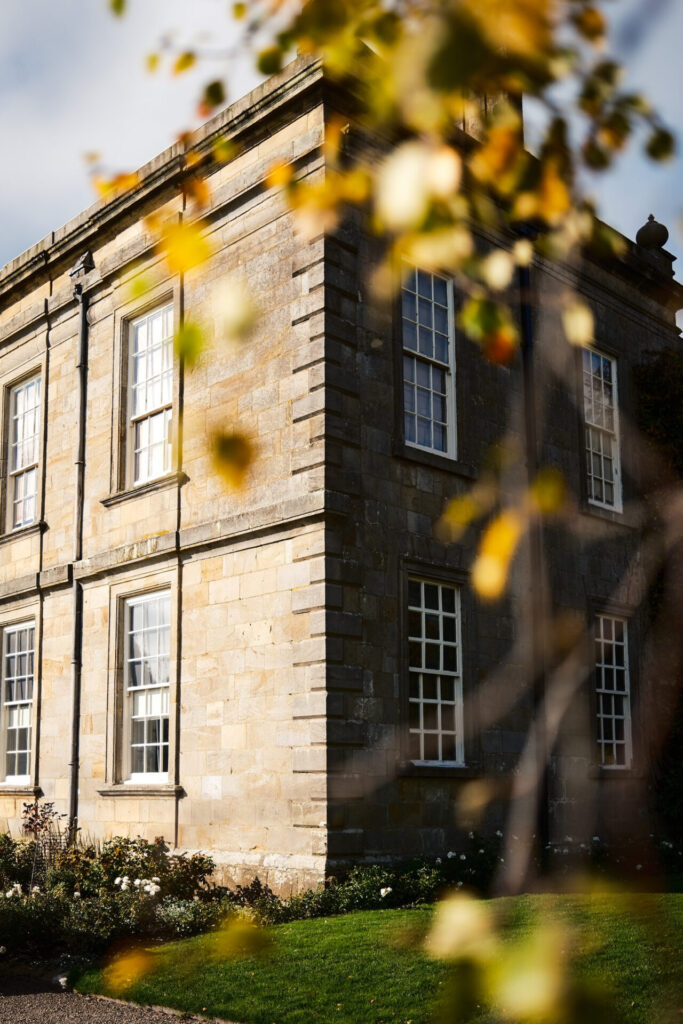
However, the combination of the Fujifilm X-T5 together with the Sigma 17-40 f/1.8 is a setup that is both relatively heavy and large. I still often carry the Fujifilm X100VI and lean towards that much more often that I thought I would thanks to its predictable focal length, small size and being lightweight. It behaves very similarly to the X-T5 and, despite a few UX changes that I’ve had to get used to, the Fujifilm X100VI has produced some of my favourite images over the last year.
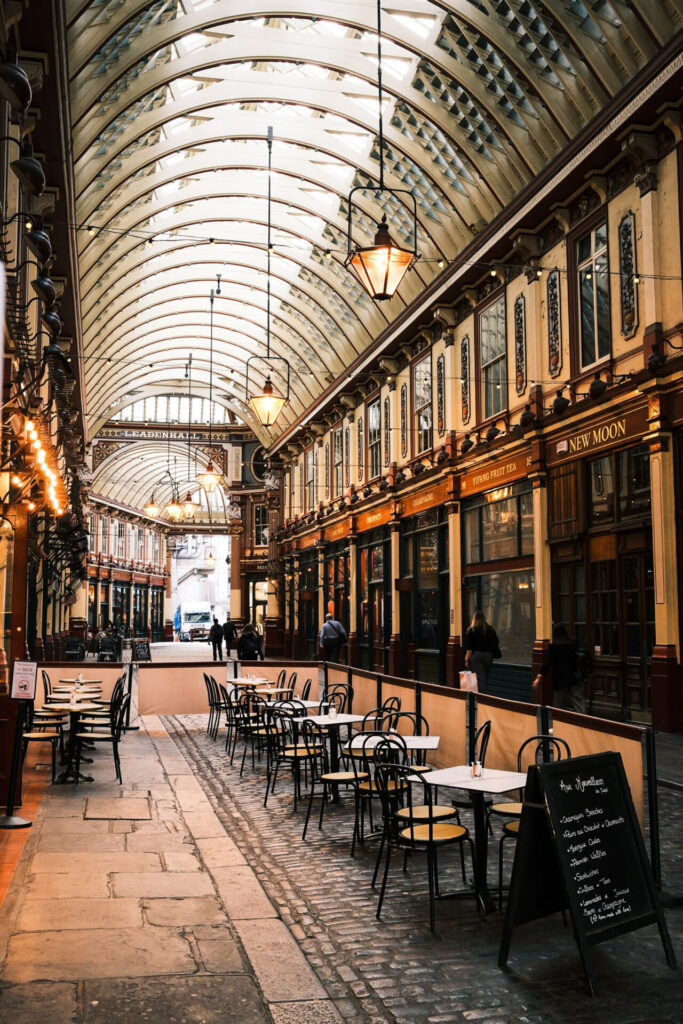
So, in terms of real world usage of the Fujifilm X100VI for travel photography, let’s talk about where I’ve been in the last year, how I used it and share some images.
I bought the Fujifilm X100VI just before a family holiday to Cyprus, the kind of break that would be perfectly suited to this camera. However, I was acutely aware that Roman Fox had some issues in extreme heat with this exact camera (where the paint started to peel) and it needed to be fixed by Fujifilm. I therefore left the camera at home and planned to use it for the first time somewhere where the weather might not be that much of an issue.
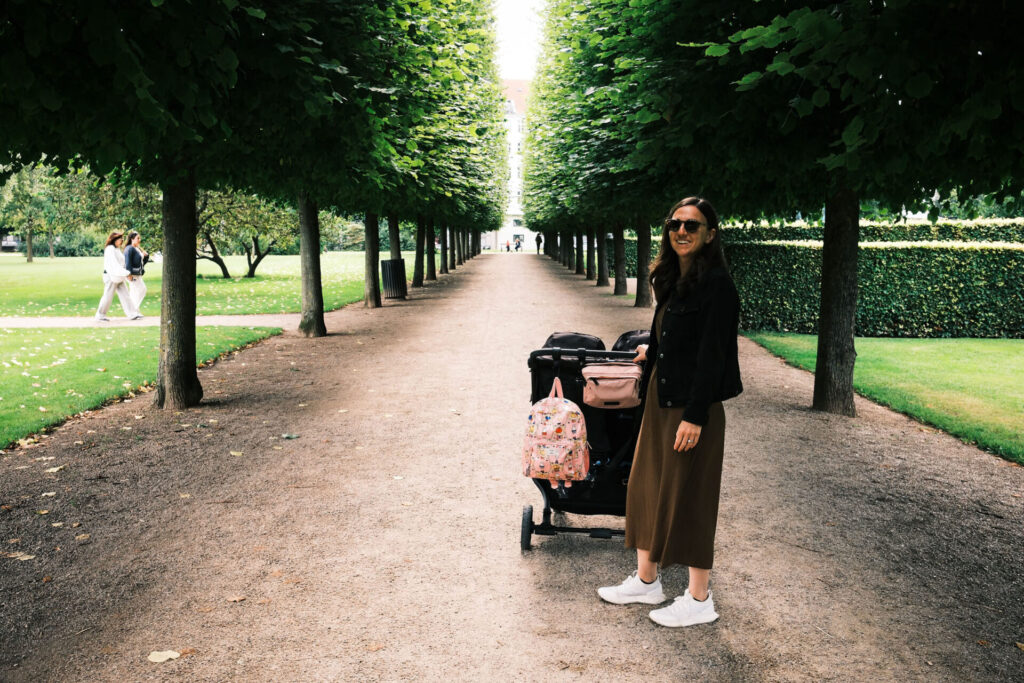
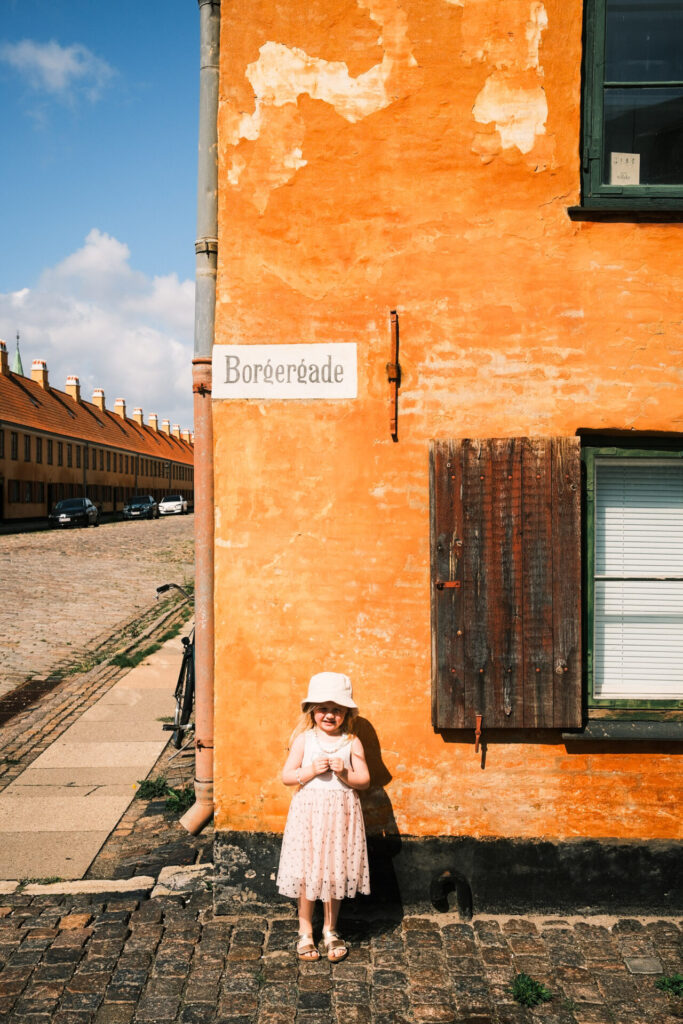
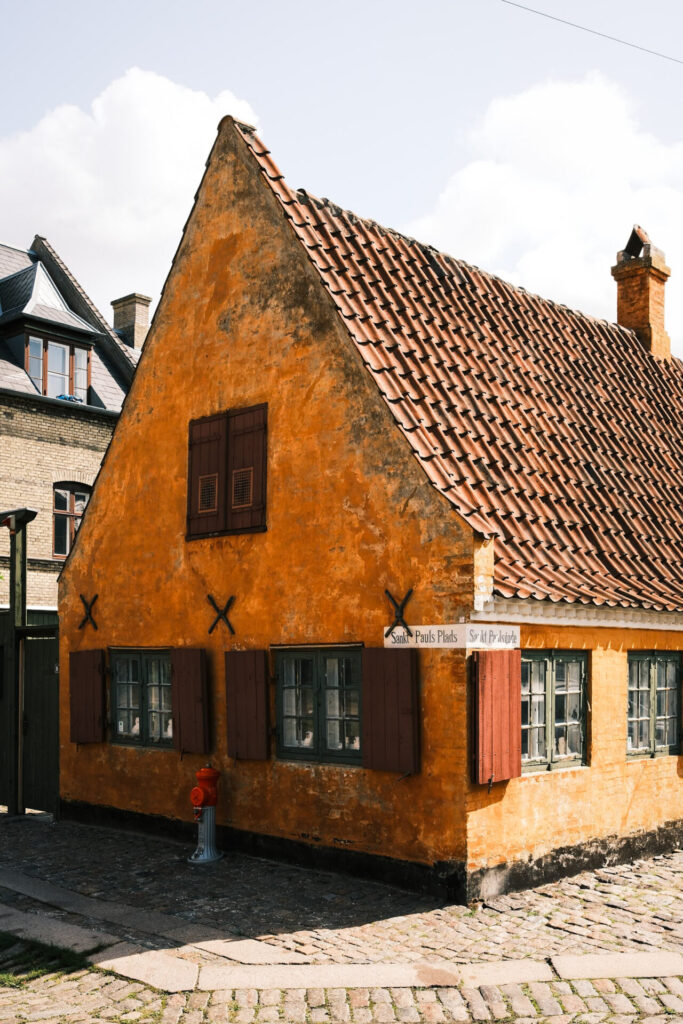
My first trip with the Fujifilm X100VI therefore came in August 2025; a birthday trip with the family to Copenhagen. Where better to see what this camera could do…
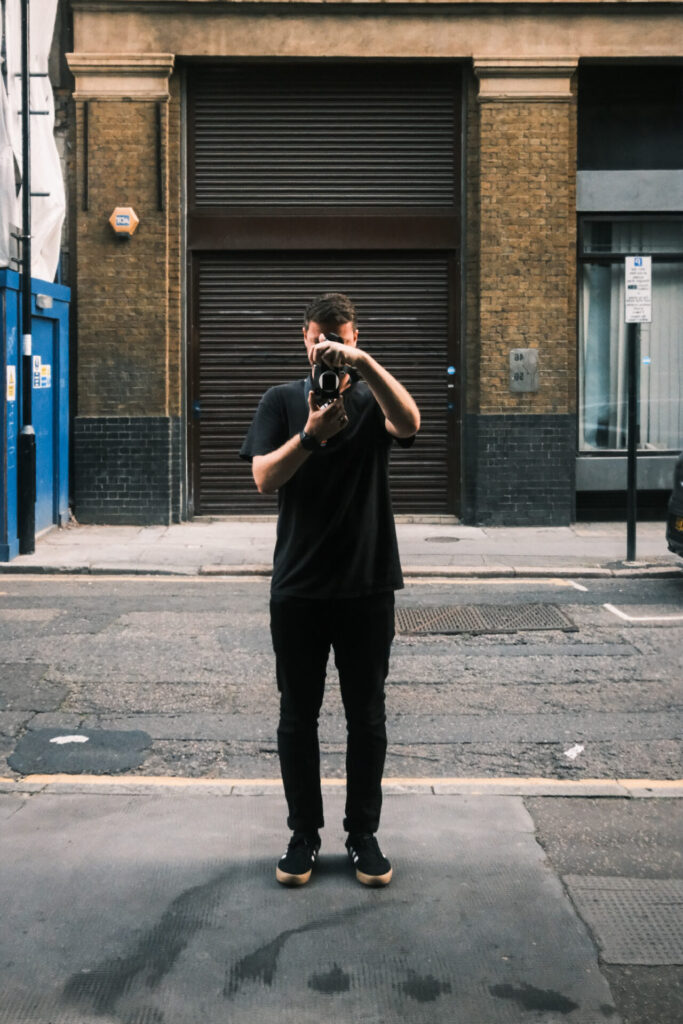
I was apprehensive about relying solely on the 23mm focal length and so I still brought my X-T5 with me, with the Fujifilm 18mm f/1.4, Fujifilm 35mm f/1.4 and Fujifilm 56mm f/1.2, you know just in case. I know it’s complete overkill but I was working with 25hours Hotel Copenhagen Indre By to produce images and a separate blog review and that required something a little more than just the X100VI. The X100VI however was my daily carry and it was such a nice change to carry something so light around my neck all day long. I really enjoyed using the X100VI, it felt a little more carefree, that I didn’t have to work as hard to get the shots, it was simply more about capturing what we were doing rather than trying to get artsy if you know what I mean. It’s a camera that just lets you get on with life and it will document it without having to think too much.
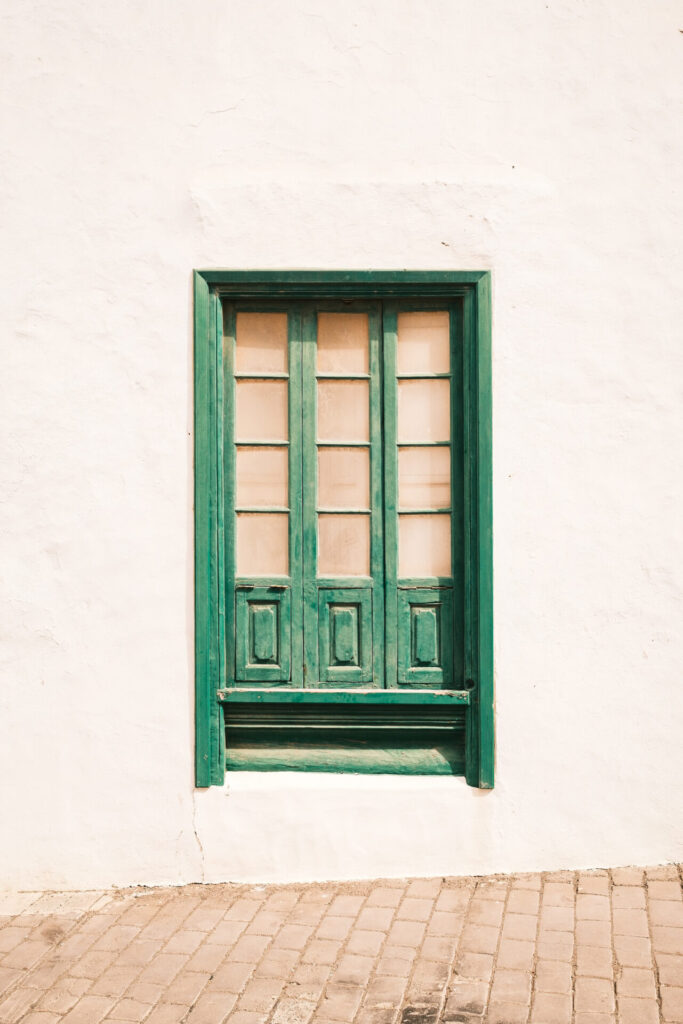
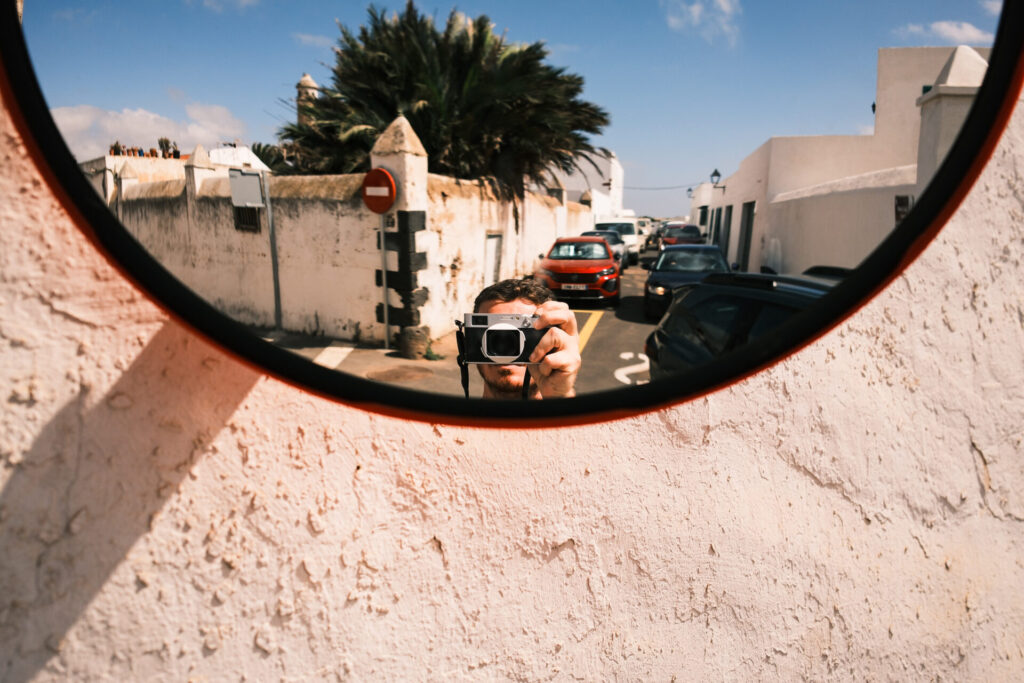
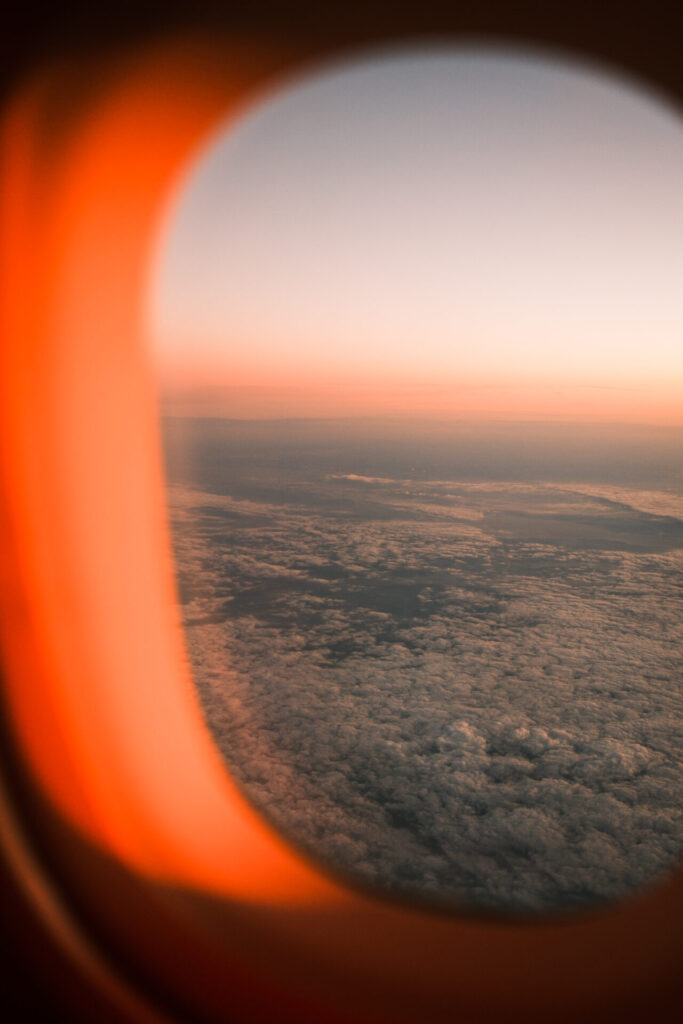
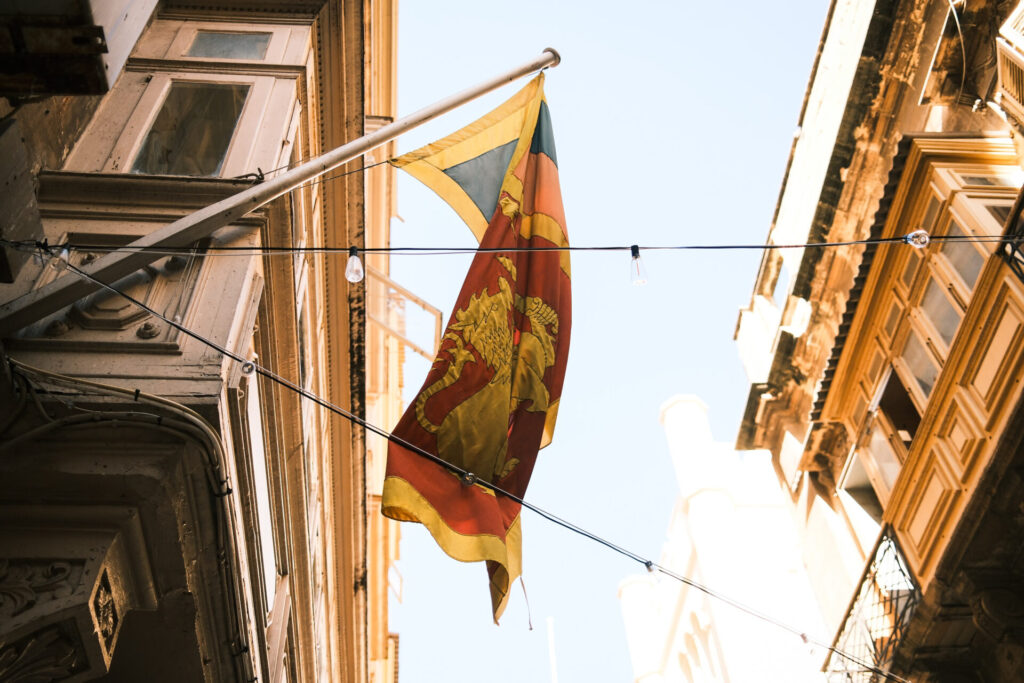
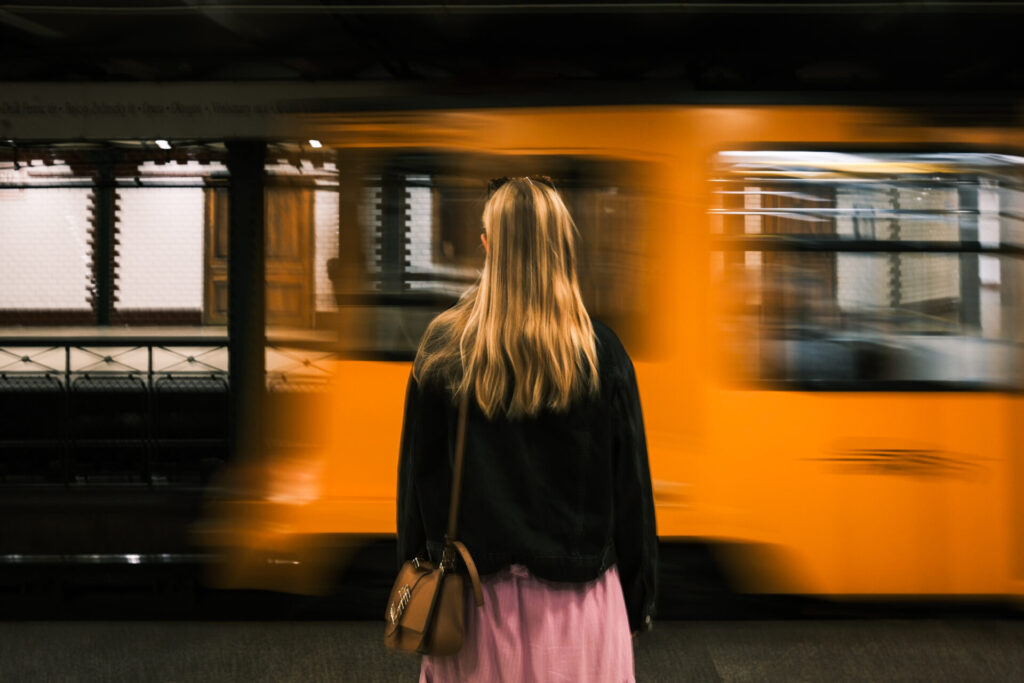
I’ve since travelled to Budapest, Malta and Lanzarote where I found that it worked really well though, again, for each of those I couldn’t quite bring myself not to take the X-T5 and my favourite lenses. I didn’t take it at all on our family trip to Belgium and the Netherlands where we travelled around by train nor did I take it on press trips to Türkiye or La Palma – instead preferring the X-T5 with the Sigma 17-40mm f/1.8, Fujifilm 35mm f/1.4 and Fujifilm 56mm f/1.2 as a complete package. To be honest, for trips where I know I’m going to be featuring them on the blog, I can’t see myself not taking my key lenses but I need to be braver and plan a few city breaks where I travel only with the Fujifilm X100VI.
Overall, the Fujifilm X100VI works so well for travel photography. It can be carried all day long around your neck. It’s discreet enough that no-one bats an eyelid when taking photos. The focal length works well for capturing, well, almost anything that comes your way and the autofocus is good enough for most situations (except maybe when your toddler is flying towards you and you want to catch the moment). With the IBIS and f/2 aperture, you can comfortably take sharp images in dark interiors and at night without raising the ISO too high – that’s something I really love and is really useful in the real world. Am I holding back with relying solely on the Fujifilm X100VI? Yeah, definitely – I still prefer other focal lengths and I always feel as though I’m missing out creating really special and unique images if I don’t travel with them which means adding another camera to the bag. I promise I’m working on it and maybe I’ll capture a city using only the X100VI soon. Maybe.
Still deciding if the Fujifilm X100VI is right for you?
Check the current price and availability.



















FUJIFILM X100VI FOR EVERYDAY LIFE
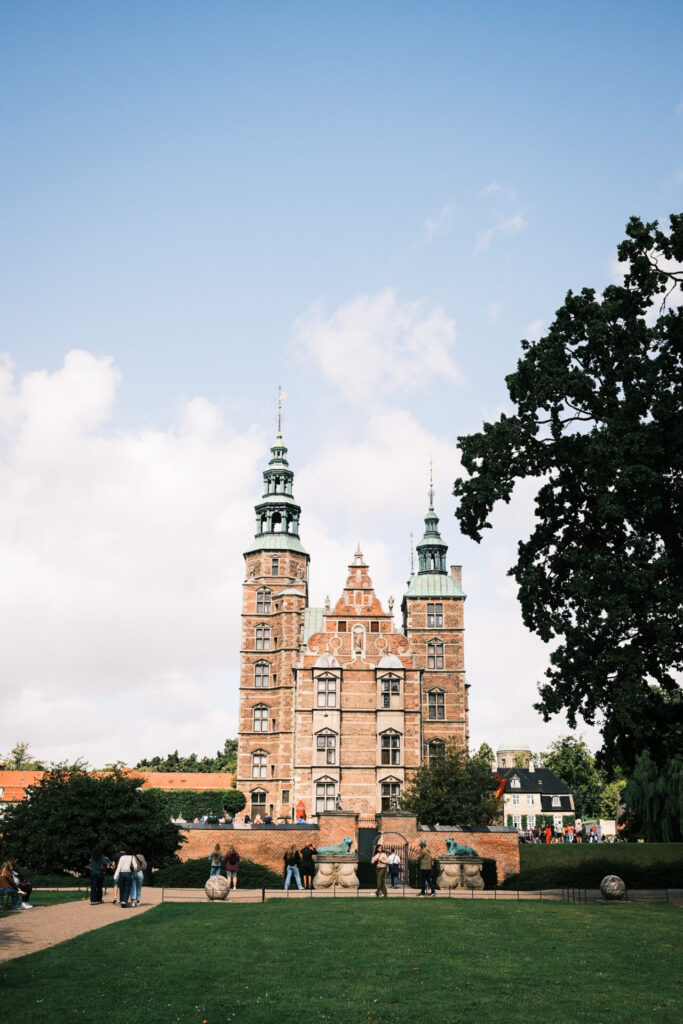
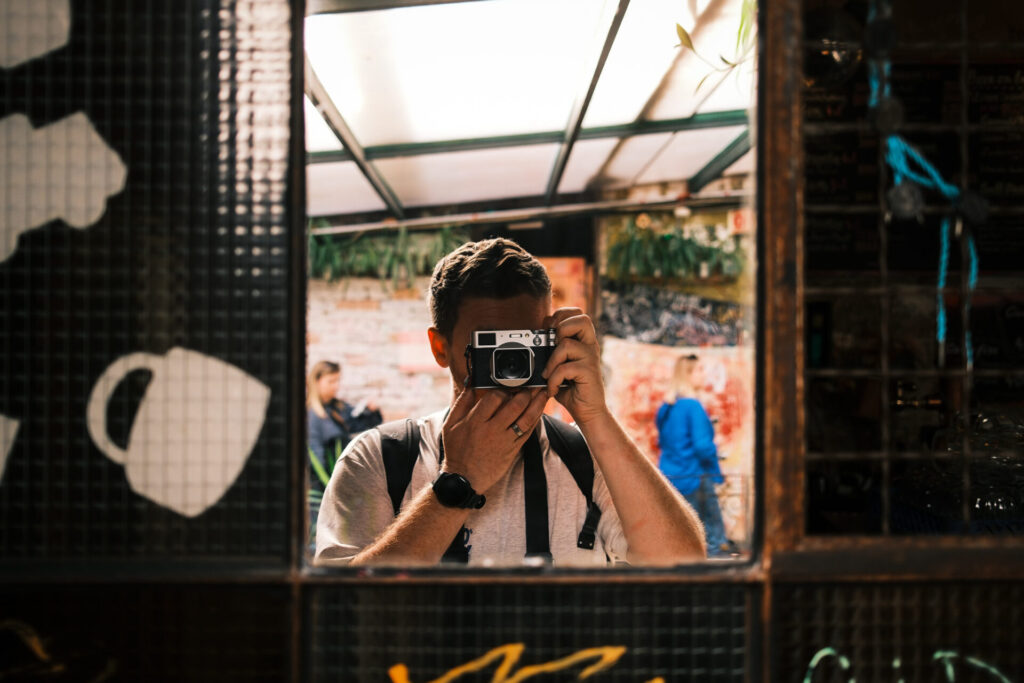
This is perhaps the area that I feel the Fujifilm X100VI works best for me – as a daily carry capturing our ordinary everyday life. I’m a dad of two little girls and often we’re here, there and everywhere on local days out, taking it slow at a café or trying to control the chaos at home. I sometimes forget and I don’t do it nearly as much as I should but life is happening all around us right now and that is what I should remember to be capturing. The Fujifilm X100VI lets me do that with the least amount of friction; I just pick it up and use it. I don’t have to think about what lens might work best in a particular situation, nor whether it will fit in my sling or under the pushchair, it just works. You will have heard the saying that the best camera is the one that you always have on you – obviously that probably leans more towards your phone these days (and I capture most of our everyday life on my iPhone) but the Fujifilm X100VI is small enough, light enough and good enough to be with you wherever you go.

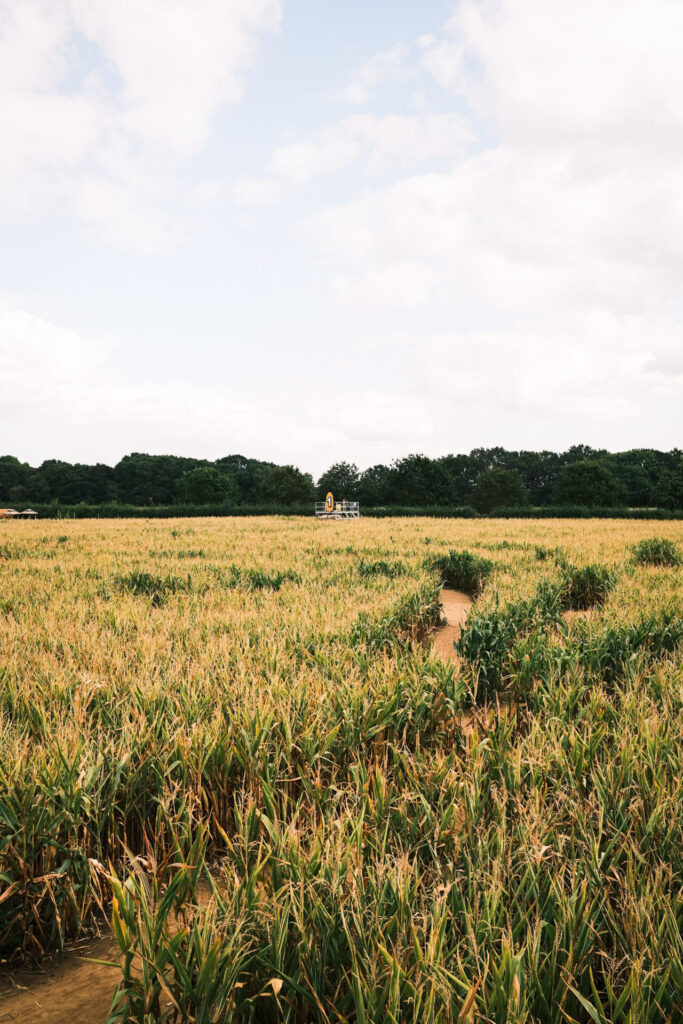
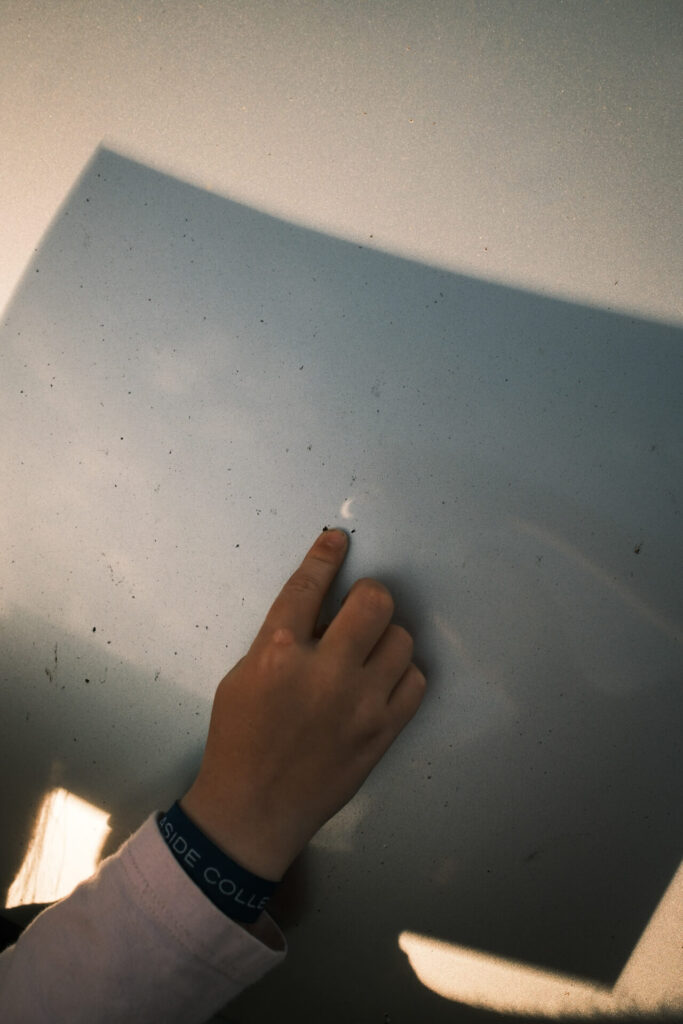







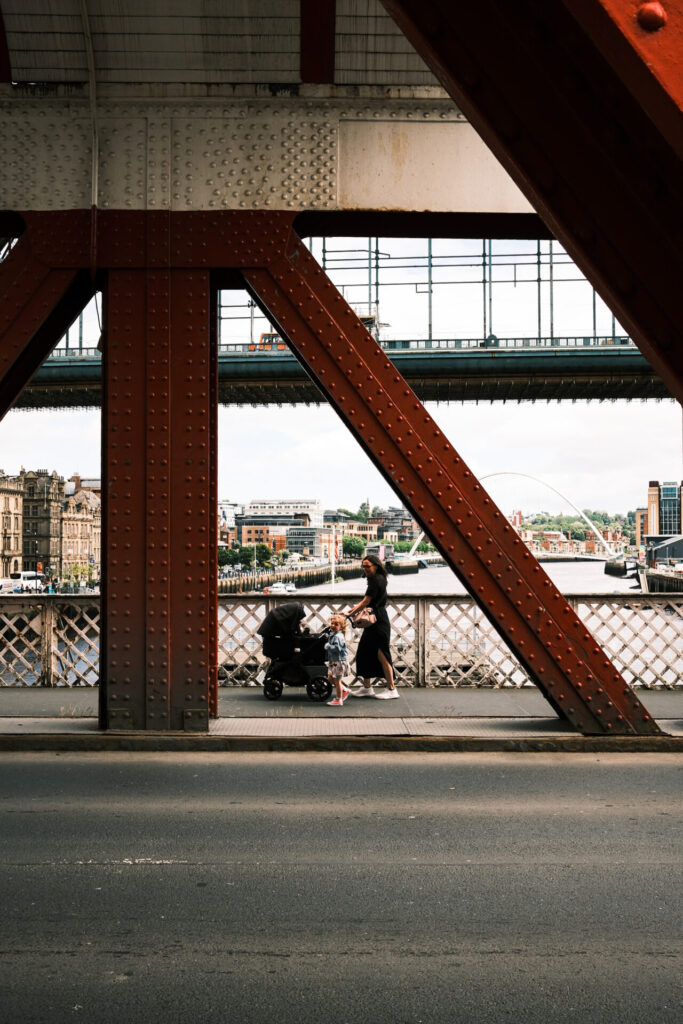
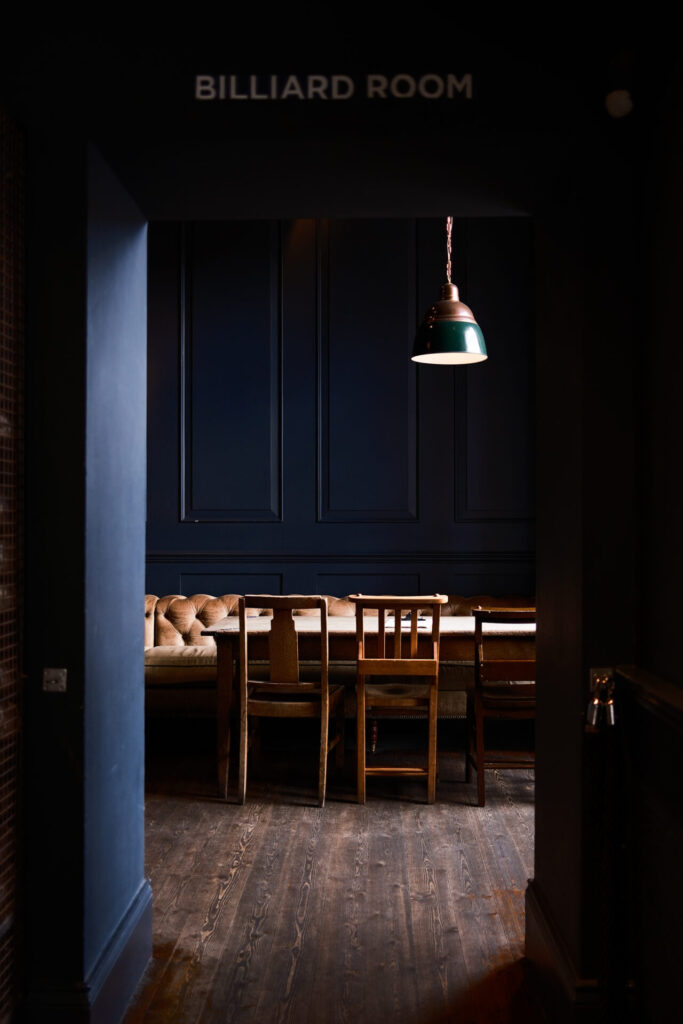
IMAGE QUALITY & FUJIFILM JPEGS
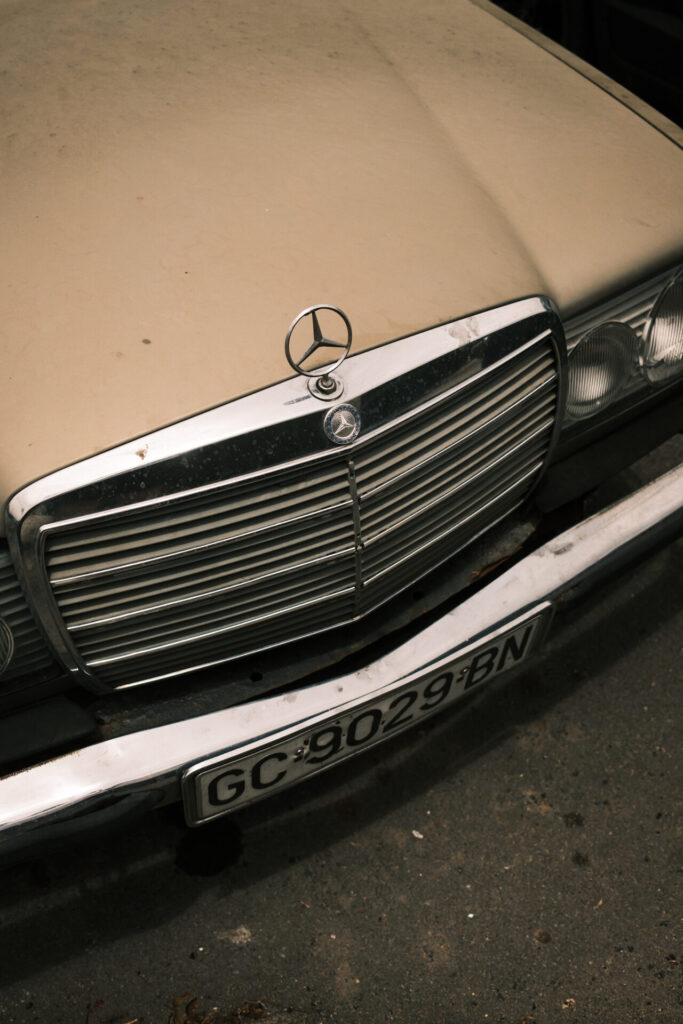
If you’re a seasoned Fujifilm user already then it’s probably needless to say that, in 2026, we don’t need to spend too long talking about image quality – it’s great, there’s plenty of detail, the colours are beautiful and f/2 produces decent looking bokeh, subject separation and is extremely sharp. In short, you won’t be disappointed with the quality of images from the X100VI.
I mention the colours specifically because it leads us on to discussing Fujifilm JPEGs and the custom recipes that you can create within the camera to produce unique images. I say unique but I know that many out there will simply say that Fujifilm recipes are basically just a p*ss filter – ie, there’s a horrible looking yellow tinge and all recipes look the same. Well, hopefully as you will see within this post and across my site, not all Fujifilm recipes are created equal. I’ve been using Fujifilm JPEGs since 2018 for almost all of my photography and I can account for it having saved me thousands of hours in Lightroom; there are certainly benefits to using JPEGs especially with Fujifilm though that look is baked in – you can only make minor edits thereafter.
The Fujifilm recipe that I use with my X100VI is my ‘Summer Negative‘ recipe and, other than a few situations in which it can get a little too warm thanks to the auto white balance adjustments, it works in all kinds of environments and weather conditions though, as the name suggests, is suited for those long summer days in Europe for example. As long as you don’t go overboard with the white balance adjustments, you can get extremely good results from Fujifilm JPEGs so much so that I don’t use anything else for my images (save for freelance photography with the X-T5 where I use RAW for obvious reasons – the creative element relating to editing is sometimes very much out of my control). There are seven custom settings slots in which you can save your different recipes or actually completely change the way the camera operates so there’s a wide range of ‘looks’ you can get from your Fujifilm X100VI once you have it setup the way you love. Of course, others who might not want to use Fujifilm recipes, can rely upon the RAW files which Adobe Lightroom handles much better than in the past.



WHAT I LOVE ABOUT THE FUJIFILM X100VI
I don’t want to simply repeat everything that I’ve already said above so I’ll just keep this nice and short. After more than one year owning the Fujifilm X100VI, these are the things that I love the most:
- The Size – An all in one package which feels smaller than the X-T5 body.
- Aperture Ring – Smooth with firm clicks
- IBIS – I rely upon this so much more than you’d imagine
- Tactile Dials – I don’t use them that often, only the aperture ring, but when needed I love the fact you can quickly and easily flick between settings.
- Built-in ND Filter – Great to getting a little creative and incorporating slower shutter speeds into your photography
- Fixed Lens – Whilst not my preferred focal length, I love the fact that this has a versatile fixed focal length which helps anticipate exactly what image you’re going to take
- Fun – It’s a camera that just wants to be picked up and used which brings the fun back to photography. It also looks absolutely beautiful, if that helps.
WHAT I DISLIKE ABOUT THE FUJIFILM X100VI
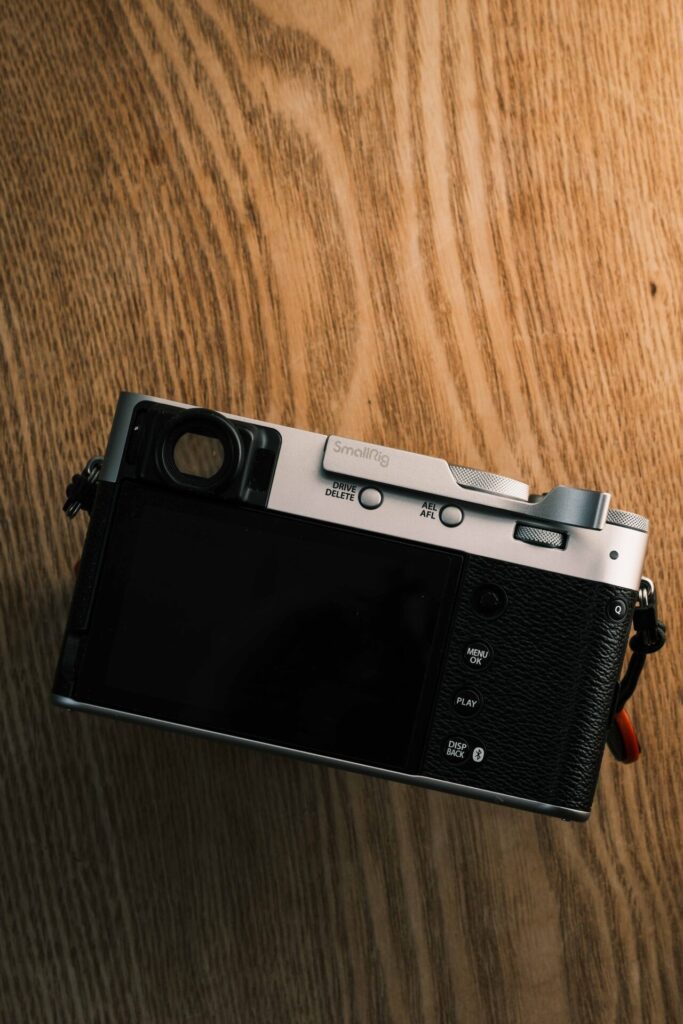
- Still no D-Pad – I’ve had to re-work my button setup on the X100VI to something that’s still a little clunky. I love using the D-Pad on my X-T5, it’s a big part of the way I shoot.
- Thumb Grip – You’ll need an aftermarket thumb grip as the back of the camera barely accounts for the fact we have thumbs.
- Aperture Ring – Whilst it turns nicely, I find it awkward and clunky to get hold of the two little finger nubs and often I’ll knock the control ring which enables the crop mode. For those with bigger fingers, aperture can be remapped to the command dial (I use that for Exposure Compensation however) but that kind of defeats the object of a nice aperture ring.
- 35mm Focal Length – I love the fixed lens nature of the X100VI but the 35mm focal length doesn’t always work for me; I often find it not wide enough or not tight enough
- Weather Resistance – I wish it was weather resistant without having to purchase separate accessories
- Battery – The battery life with the older style of batteries isn’t comparable to the newer version but at least you can charge by USB-C. I always take 2-3 spare batteries with me especially when travelling.
- Autofocus – I guess this is kind of a Fujifilm wide issue but autofocus on the X100VI (specifically continuous autofocus) isn’t great. The X100VI often can’t deal with my kids wandering around even in bright sunlight which can be a deal breaker.
ONE YEAR LATER – MY VERDICT
So, after all that, what’s my verdict on the X100VI? If I had to go back, would I buy it again? Yes. Would I sell my X-T5 to get the X100VI instead? No.
For me, the Fujifilm X100VI is a vital part of my camera bag both in terms of travel and daily life back at home but it will never go as far as replacing my X-T5 and the multiple lens choices that come with it. It’s a much more capable camera and gives me much more flexibility when capturing a new destination particularly for the first time. I’d be more than happy to use the X100VI on a return trip to a specific place but I’m not sure I’d feel comfortable relying solely upon the X100VI to capture somewhere I’ve never visited before – that’s obviously extremely personal; I like to experiment with a range of compositions, compression on the city streets, wide angle shots of interiors, close ups of details or portraits.
However, I guess I’m kind of getting to the point of the X100VI. It doesn’t give you that flexibility. It takes away the freedom to overthink about which focal length would work best for each moment you come across. I do this a lot; pre-zoom, I’d be constantly switching lenses thinking what would work best for a particular shot I had in mind or came across around the next corner and that can be frustrating. The X100VI lets you focus on your trip itself and the joy of capturing images without things getting over complicated.
There continues to be a lot of hype around the Fujifilm X100VI. it’s a good camera don’t get me wrong but I’m not particularly sure that it’s the best thing out there. If you want to keep things simple with the limitations of a fixed-35mm lens and want the latest Fujifilm sensor in something so beautifully designed, then the Fujifilm X100VI is going to be for you.
Don’t worry though, I’m not about to sell mine – the Fujifilm X100VI is going to be a part of my camera bag for the foreseeable future and, even when it needs to retire, it will remain as part of my collection evermore.
That wraps up my Fujifilm X100VI review which I hope you have enjoyed and it has been worthwhile reading through, looking at all of the images I’ve been able to capture over the last year. If you have any questions at all or would like more information, feel free to leave me a comment below and I’ll get back to you as soon as I can.
Continue Exploring


Where Next?


Stay Updated
Some links on this site are affiliate links. If you make a purchase through them, I may earn a small commission at no extra cost to you.