

READ MY FUJIFILM X-T5 JPEG SETTINGS HERE
Well, here we are again. It’s been almost three years since I posted my original Fujifilm JPEG settings and I never expected the blog post to be as popular as it was. I’m very grateful to everyone who reads my blog and hopefully it helps you in someway in terms of your photography. Since the blog post was written, interest in Fujifilm generally and specifically the settings that create such beautiful JPEG images has massively increased. Fuji X Weekly has definitely helped with that with his absolutely incredible film simulations which you should definitely check out if you haven’t already.
Over the last three years, there hasn’t been necessarily as much travelling (I hate you 2020), but I’ve still been using my cameras almost daily. I’ve still got the same style of photography though I’ve really enjoyed getting out of my comfort zone and trying to create decent photos much closer to home.
The Fujifilm JPEG settings in my previous blog post were my favourite back in 2018 and things have certainly moved on since then. However, there are two of my settings that have stayed exactly the same; my Chrome Urban and Astia Travel. The only difference however is that I practically use Classic Chrome for everything and that now proudly has the number one spot in my custom settings. You’ll have to remember too, for all the current readers and for new Fujifilm users, I use two X-T2s so a lot of custom recipes and additional settings are immediately ruled out for me. I keep things basic though I’d love to try out the X-Pro 3 and the X100V!
Whilst the below settings are on my cameras right now, this is by no means my final and complete setup. I love changing and dialling in new recipes depending on my mood. However, I think I might have cracked the perfect seven settings to cover as wide a range as possible. Even better, with my favourite two settings at position 1 and 7, it means I can switch from Classic Chrome to Acros in 3 button presses and back again in just 2. My original post contains information on how I’ve set up my cameras but essentially, using the D-Pad, I press Right then Up and shutter half down to get from Classic Chrome to Acros and then, again using the D-Pad, I press right and shutter half down to get back to Classic Chrome. I love using this on the go to quickly flick between colour and black and white.
Before we dive into the settings below, one final thing. I have added standard import settings on Lightroom for my JPEGs. It’s simply +10 Contrast, +15 Clarity, a slight S-Curve and a -5 Vignette. So whilst my images are not technically ‘Straight out of camera’ they are pretty damn close.
Chrome Urban
This setting has grown without doubt into my favourite, every day, number one Fujifilm JPEG setting. Most, if not all, of my recent images are shot in Classic Chrome using this recipe. I’m not sure that ‘Chrome Urban’ is the right name for the setting anymore as I use it for pretty much everything especially travelling. This is probably more of a strange quirk I have but I love what it does to blue skies and yellow clothes…
You can read more about using it for travel photography here.
Dynamic Range (DR) Auto
Film Simulation (FS) Classic Chrome
Grain Off
White Balance (WB) Auto +1 Red
Highlight 0
Shadow +2
Colour +3
- Sharpness +2
Noise Reduction (NR) -4


Astia Travel
As with my Classic Chrome settings above, I’m not really sure this recipe should be called Astia Travel anymore but I haven’t changed it on my cameras. I don’t really use this that much at all anymore unfortunately even though I’m still more than happy with the results I get. I think Classic Chrome has just taken over and produces really unique images. I do however use Astia for all weddings that I do (granted not that many). It’s really well suited for that I find. You can find more sample images here from over the last couple of years. Looking back at those, maybe Astia will make a return to the #1 spot in the future. The colours are still really impressive and writing this post is actually making me miss shooting regularly with it.
DR Auto
FS Astia
Grain Off
WB Auto +1 Red
Highlight -1
Shadow +2
Colour +2
Sharpness+2
NR -4


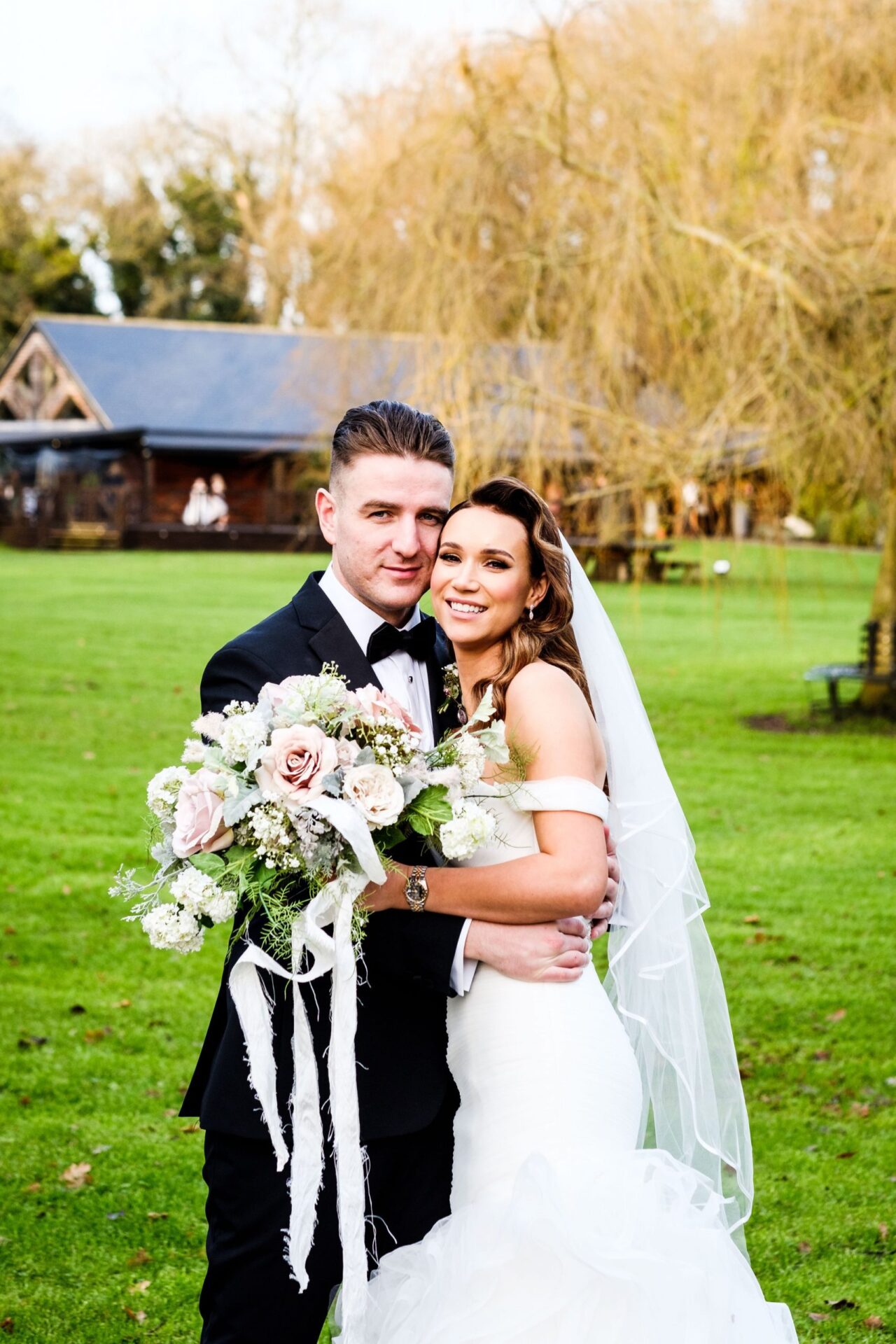
Pro 400H
With the recent discontinuation of this film by Fujifilm, it sparked my interest to seeing if Ritchie had posted a recipe on Fuji X Weekly to emulate this. Ritchie had of course (it’s here) and, whilst I haven’t fully tested this recipe out yet, I love what I’m seeing and so this is definitely going to be a keeper. All I’ve changed is turning grain off and noise reduction down to -4 (as I do with all recipes using the Fujifilm X-T2).
I visited the sunflowers at East Grange Farm here in County Durham recently and used the Pro 400H recipe so have a look here for my example images.
DR 200
FS Pro Neg Std
Grain Off
WB Daylight +2 Red +1 Blue
Highlight 0
Shadow +3
Colour +4
Sharpness 0
NR -4


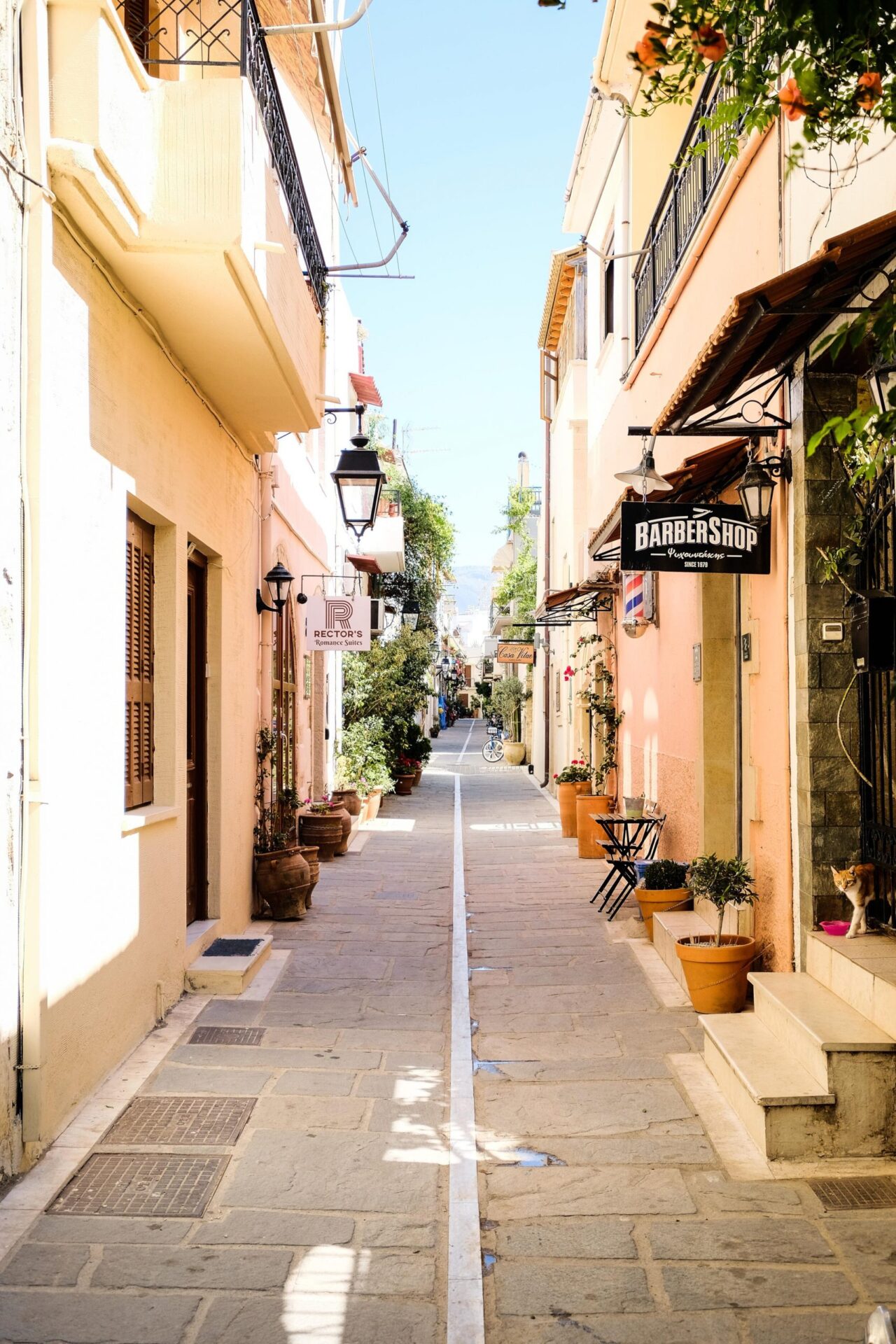
Kodachrome II
I fell in love with this recipe on a recent holiday to Crete. It’s absolutely perfect for hot summer days. You can check out exactly what the Mediterranean island of Crete looked through Kodachrome II eyes here.
DR 200
FS Classic Chrome
Grain Off
Auto +3 Red & -4 Blue (You could use Daylight to save this WB shift but I’ve used that already for the Pro 400 H recipe)
Highlight +1
Shadow +2
Colour -1
Sharpness +1
NR -4


Forest
As I explained in a previous post, this is a bit of different recipe for me almost exclusively for use out in nature due to the overly green look. I’ve only used it sparingly when exploring Hamsterley Forest last year but I really like the unique look it creates. In addition to the standard import settings I add to every JPEG, I usually clip the blacks (is that the right term?) to add a faded look. My main post on this film simulation is here.
DR 200
FS Pro Neg Hi
Grain Off
WB Auto -3 Red -6 Blue
Highlight -2
Shadow 0
Colour -4
Sharpness -2
NR -4


Cinestill 800T
This is one that I’m still yet to try out properly properly. This is THE Fujifilm JPEG setting to use for night photography. I’ve taken a few shots here and there (on trips to McDonald’s drive-thru for example) but I can’t wait to explore new cities at night with this dialled in. Hopefully I can emulate my inner Jonas Rask who’s urban night photography is second to none! This is Fuji X Weekly’s recipe with a slight change to the temperature of the white balance.
DR 200
FS Pro Neg Std
Grain Off
WB Colour Temp 2650K
Highlight +3
Shadow +1
Colour -1
Sharpness +2
NR -4


Acros Punch
Those eagle eyed readers will notice that, in my last post, I used two different black and white recipes; one with Acros Red and one with Acros Green. However, once I dialed this recipe in, there was no other black and white recipe that did it for me and it had to be in my collection of Fujifilm JPEG settings. The contrast is just perfect. I’ve used this for my travels and for wedding photography too (black and white JPEGs, RAW for colour). If you want to check out more images check out my posts ‘Fujifilm’s Acros Simulation In The Real World’ and my Monochrome Cities collection; Melbourne, Manchester and London.
DR 200
FS Acros Yellow
Grain Off
WB Auto +1 Red
Highlight +3
Shadows +4
Sharpness +2
NR -4


My Fujifilm Wishlist
After a good few years now of relying almost exclusively on Fujifilm JPEG settings, there are just a few things I would add/change if I was able to influence decisions at the top:
Allow users to save WB shift for each recipe (wow, yes you can do this now in the latest cameras – I use it all the time on my Fujifilm X-T5)
Enable easy re-ordering of custom settings – if you fancy moving a recipe from slot 4 to slot 1 for example you should be able to just grab and move it right up there. At the moment, you have to start completely from scratch taking a photo of the two recipes you want to swap so that you remember what to input.
The X-T2, and I’m sure all newer cameras, have an option for film simulation bracketing. A great idea. I just wish Fujifilm went one step further allowing custom setting bracketing. I always have RAW as a backup in case later down the line I want to see a particular image in a different light eg converting to black and white using Acros. Imagine if, using custom setting bracketing, you could get three identical images in Chrome Urban, Pro 400 H and Acros Punch. Now that would be cool.
I hope that this update to my Fujifilm JPEG settings helps you and if you have any questions at all, just drop me a comment below. Hope everyone’s staying safe and fingers crossed for a return to normality soon!
READ MORE OF MY LATEST ARTICLES BELOW
If you enjoyed ‘My 2021 Fujifilm JPEG Settings’ why not pin the images below?


Hello Jamie,
I own a Sony APS-C camera and I’m not happy with the SOOC results. I understand that nowadays every camera is equally capable and colors can be adjusted in post-processing but I don’t always have enough time to edit my photos.
Right now, I’m planning to switch to a different compact mirrorless camera. Which one would you recommend: Fujifilm X-E5, Panasonic Lumix S9, or OM System OM-3.
I also occasionally shoot short handheld videos, so in-body image stabilization (IBIS) is a must for me.
Thanks,
SB
Hi SB,
Thanks for commenting and sounds like an interesting position to be in. I’ve only ever tried Fujifilm cameras so I can’t unfortunately comment on the other two options; the Fujifilm X-E5 however looks fantastic and has loads of great features. SOOC images will not be an issue at all with Fujifilm as I’m sure you will have seen (plus all across my website!) and IBIS is a lifesaver! I know the X-T6 is rumoured to come out in September too so that might be worth holding off for if you can wait!
Thanks
Jamie
I love your blog. Just bought myself a Fuji x100vi, after years of shooting Canon. I’m going on a cruise to Copenhagen and the Norwegian fjords next week. Any suggestion for a recipe? I don’t want anything too yellowish for this time of year, I think. Thanks!
Thank you – this sounds incredible and you’ve got such a great camera to capture the trip on!
I went to Copenhagen last year and used my Summer Negative recipe, it was amazing to capture the warmer tones during summer – if you check out my Copenhagen posts all the photos there are JPEGs with that recipe from both my X-T5 and X100VI
Thanks
Thanks for this wonderful collection of awesomeness!!
Now if we could convince Fujifilm to do this, we’d all be in 7th heaven.
It would be fantastic if Fuji would allow us to REPLACE some of the built-in sims instead of using custom settings. I never use the monochrome or sepia sims. That’s 5 of my own I could have instead. We wouldn’t have to give up one of the precious custom settings just to have a film sim. We could use them the same way we use the built-in ones, simply select it. (We could even add a short description:)
If using Fujifilm X RAW Studio, it could be very easy to reset or replace your sim with the original if needed. Factory reset would also reset any custom sims to the original..
Thank you for this!! Will this work on x-s10? Except for the nostalgic negative since that isn’t available on my x-s10. But the rest should work right?
No problem, Aldrin – yes definitely and those from my X-T5 settings should just about work too!
Hope you enjoyed the post
Hi! May I knoe what exposure compensation you used for the film simulations above?
I normally am very flexible with exposure compensation and it depends entirely on the sign but normally at about +1
Hope that helps
Thanks
Jamie
Hi Jamie
I just wanted to ask if I can use some of these recipes on my X-T1 pls especially the Chrome Urban,Kodachrome II and Pro 400H?
Thanks
Hi Victor, Yes I don’t see why not as the X-T1 has the Classic Chrome film simulation!
Thanks
Jamie